





Great service. We ordered topsoil from Mulch Mound and the best experience. Thank you so much!
About this soil
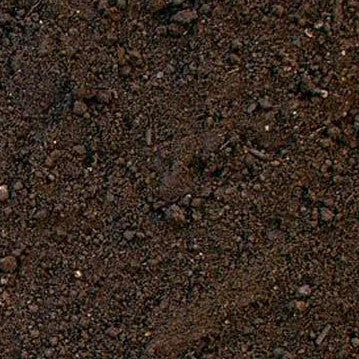
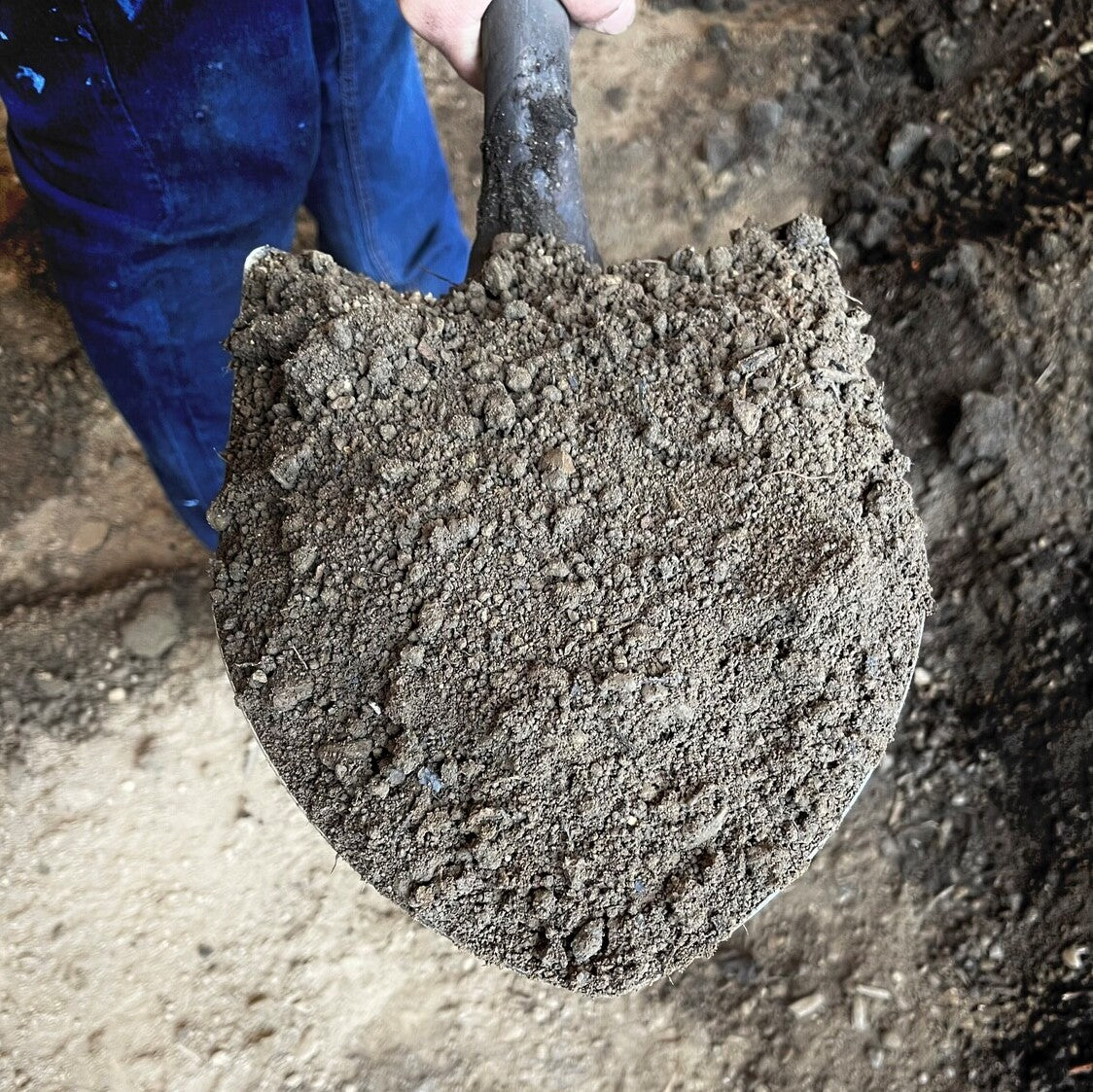
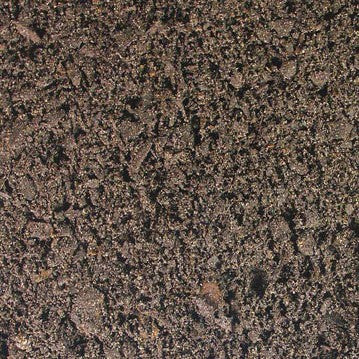
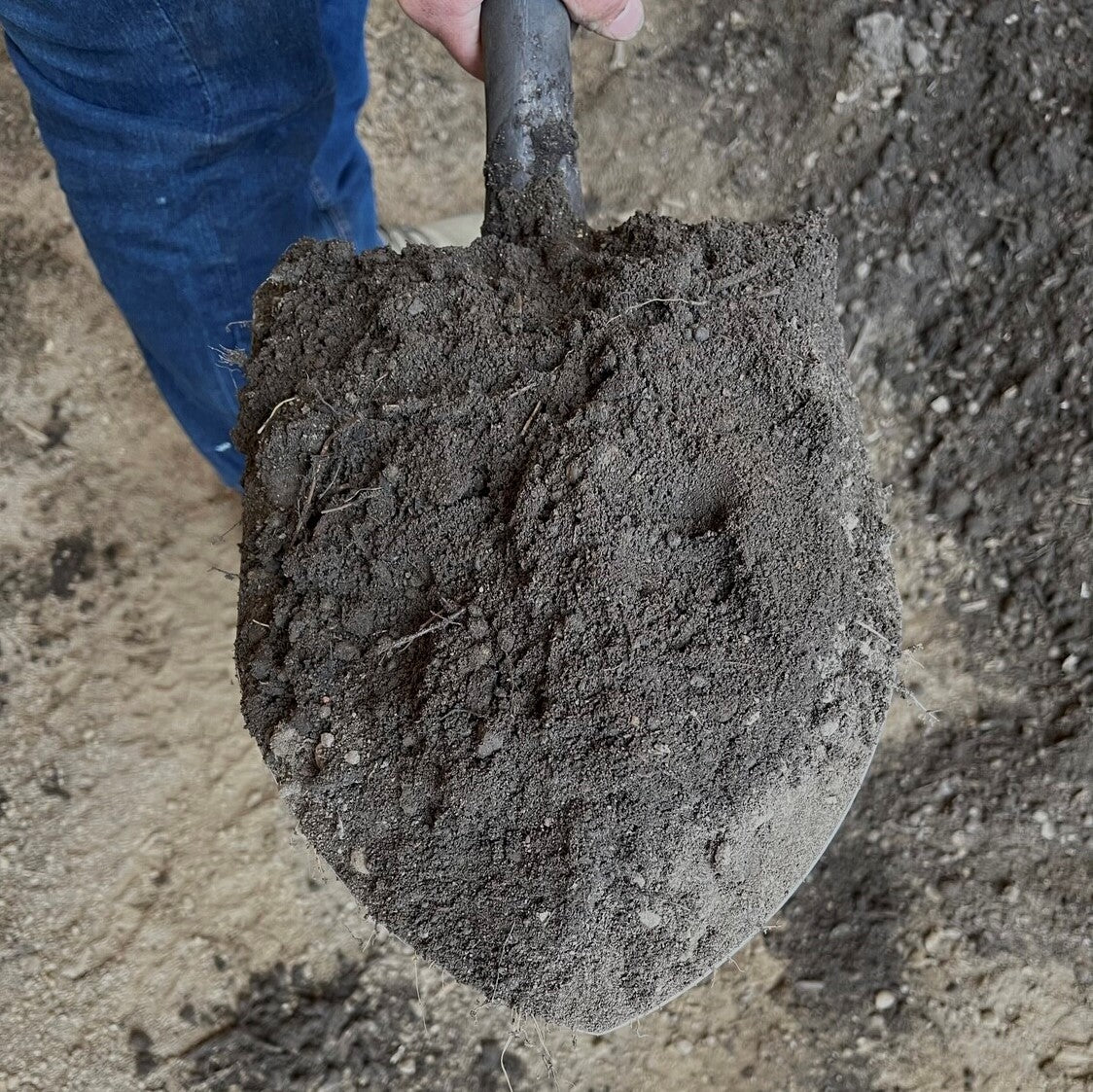
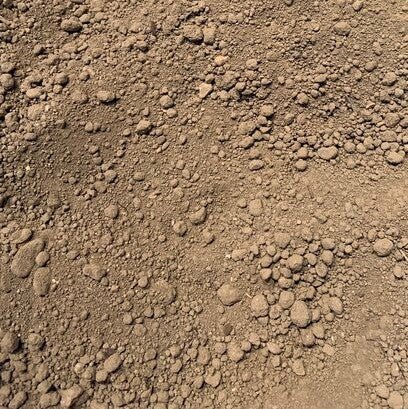
Screened topsoil filtered clean of rocks, roots, and debris. Smooth, consistent texture that is ready for lawns, gardens, raised beds, and finish grading.
Great service. We ordered topsoil from Mulch Mound and the best experience. Thank you so much!
Tell us what you're looking for
Thanks! We received your request.
Something went wrong. Please try again.
How Much Material Do I Need?
How Much Material Do I Need?
For New Berlin lawn leveling and topdressing, plan on a quarter to half inch of screened topsoil across the target area. New planting beds and raised garden installations typically need 8 to 12 inches of quality soil above the native silt loam to give roots a fully uncompacted, well-aerated growing environment through the Zone 5b growing season.
Use our free soil calculator
What is a yard?
What is a yard?
What is a yards?
What is a yards?
FAQs
FAQs
New Berlin Soil Delivery
New Berlin Soil Delivery
Regular price
$43.00
per
yard
Regular price
Sale price
$43.00
Unit price
per
Shipping calculated at checkout.
Minimum of 3 yard
Couldn't load pickup availability
Not currently available
We can't take orders for this right now. Tell us what you need and we'll get back to you.
Hand-picked local yards
4,000+ regional deliveries
Dedicated support
Why order through Mulch Mound
The best local soil, without the guesswork.
We hand-pick and partner with the best yards in your region, keep only the ones our buyers rate well, and back each load with our guarantee.
Mulch Mound Guarantee
If your soil isn't the quantity or quality you ordered, we'll make it right.
About this soil
Screened topsoil filtered clean of rocks, roots, and debris. Smooth, consistent texture that is ready for lawns, gardens, raised beds, and finish grading.
Great service. We ordered topsoil from Mulch Mound and the best experience. Thank you so much!
How Much Material Do I Need?
How Much Material Do I Need?
For New Berlin lawn leveling and topdressing, plan on a quarter to half inch of screened topsoil across the target area. New planting beds and raised garden installations typically need 8 to 12 inches of quality soil above the native silt loam to give roots a fully uncompacted, well-aerated growing environment through the Zone 5b growing season.
Use our free soil calculator
What is a yard?
What is a yard?
What is a yards?
What is a yards?
FAQs
FAQs
Tell us what you're looking for
Thanks! We received your request.
Something went wrong. Please try again.
How It Works
Getting started is easy — just follow these simple steps
1
Choose your soil
Make sure you adjust the quantity to your home's needs. You can use our calculator to estimate how much you'll need.
2
Select your delivery date
Select a delivery date you'd like for the product to be dropped off at your home
3
Sit back and wait
Sit back, wait, and let us work our magic to make sure the highest quality product is delivered to your driveway.

Placing an order online was so easy. Delivery was on time. When the driver realized we had a newly poured driveway they erred on the side of cautio...
Read full review
Placing an order online was so easy. Delivery was on time. When the driver realized we had a newly poured driveway they erred on the side of caution and opted not ti drive in it. The company even sent me a message explaining that call. Would recommend!

Online ordering was really simple and I liked the transparent pricing.
Need Help Calculating How Much Soil You Need?
Use our NEW Trace from Satellite tool to get an estimate for your project based on an aerial view of your property
Try Our CalculatorTo calculate how many cubic yards of soil you need, multiply your area's length by its width in feet, then multiply by your target depth converted to feet (inches divided by 12), and divide the total by 27. Because New Berlin's silt loam base is often compacted and irregular — especially in older lawn areas and previously untilled beds — add 10 to 15 percent to your estimate to account for settling that occurs after the first season of rainfall and Zone 5b freeze-thaw cycling. Bulk soil compresses once it gets wet and trafficked, so erring slightly over your calculated volume means you won't end up short when you're trying to hit a final grade.
Soil Types We Deliver in New Berlin
Mulch Mound delivers bulk soil by the cubic yard to homes and properties throughout New Berlin, Wisconsin. Whether you are leveling a lawn, filling raised beds, or refreshing tired garden areas, our locally delivered soils save time and eliminate the hassle of hauling bags. Every order arrives fresh and ready to work with, sized to fit your project.
Screened Top Soil
Our screened topsoil is filtered clean of rocks, roots, and debris, leaving a smooth and consistent texture that works well for lawn repairs, finish grading, and new garden areas. New Berlin yards with heavier native clay soils benefit from a clean layer of topsoil when establishing new grass or planting beds.
Gardening Blend
A blended mix of topsoil and compost, the Gardening Blend is ready to plant right out of the pile. It suits new raised beds and in-ground gardens across New Berlin where native soils need a boost. Available in both Standard and Premium styles to match your planting goals and budget.
Planting Mix
Our Planting Mix is carefully blended with peat, sphagnum, sand, and organic manure for the perfect balance of hydration, drainage, and nutrients. It is an excellent choice for raised beds and container-style gardens popular in New Berlin, supporting healthy root development from the start.
Garden Compost
Garden Compost is a nutrient-rich organic amendment that builds healthy soil structure for planting beds, vegetable gardens, and perennial borders. Worked into New Berlin's dense clay soil, it improves drainage and encourages a looser, more workable texture that benefits both new plantings and established garden areas.
Complete Your Outdoor Soil Project
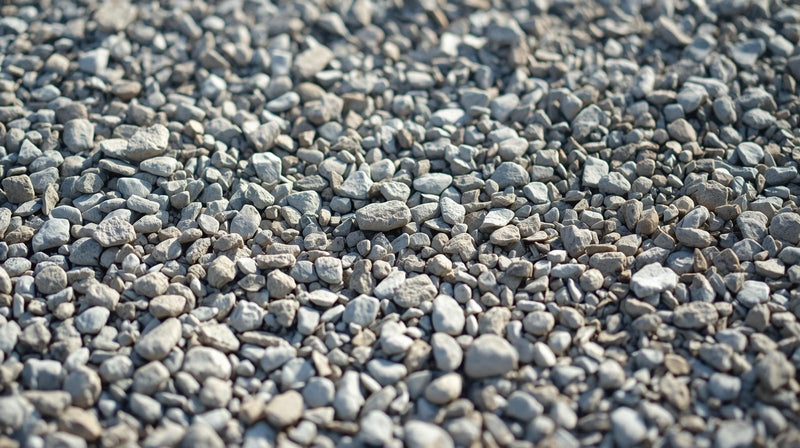
Once your soil work is complete, top your new planting beds with a 3-inch layer of shredded hardwood mulch to protect that fresh soil from New Berlin's rainfall compaction and lock in moisture through the long growing season. For pathways between raised beds or along garden borders, a layer of decorative stone adds a clean, low-maintenance finish that holds up through New Berlin's wet springs and harsh winters without decomposing, compacting, or needing seasonal replacement.

Service area
Areas we deliver soil in New Berlin, Wisconsin
Mulch Mound Pro Tip
New Berlin homeowners grading new lawn areas with bulk topsoil often underestimate how much the material will settle after a full season of rainfall and Zone 5b freeze-thaw cycling. Grade your fresh topsoil 10 to 15 percent higher than your final target elevation to compensate — it will compact down to the right level naturally over the first growing season without requiring a second round of leveling work the following spring.
Mulch Mound Pro Tip
Timing your soil delivery to match New Berlin's spring warm-up matters more for vegetable gardens than most homeowners realize. Native silt loam at 922 feet of elevation can remain cold and slow-draining well into April, but a raised bed filled with a dark, organic-rich bulk soil mix will warm several degrees faster than the surrounding ground. Delivering and filling raised beds in mid-April — about two weeks before the April 30 last frost — gives the soil time to reach planting temperature right when you need it most.
Mulch Mound Pro Tip
When using bulk soil to fill low spots in a New Berlin lawn, resist the urge to dump and seed in a single afternoon. Watering the filled area lightly for several days before seeding allows the new soil to settle naturally and reveals any remaining low spots that need additional material. New Berlin's spring rainfall will do much of this work organically if you fill in early April — by last frost at the end of the month, your soil will have had time to firm up and you can overseed into a stable, level surface with much better results.
The Unique Landscape of New Berlin
New Berlin sits at 922 feet of elevation on a landscape underlain by native silt loam — a soil that is naturally fertile and moderately moisture-retentive but notoriously prone to compaction under foot traffic, lawn equipment, and the hammering effect of 35 inches of annual rainfall on unprotected surfaces. Over time, compacted silt loam loses the air pore space that plant roots depend on, and drainage slows to the point where standing water becomes a recurring problem in low spots after spring and summer rain events. Bringing in quality bulk topsoil or amended soil allows New Berlin homeowners to correct grade issues, build productive raised beds above that compacted native layer, and give new lawn areas the loose, nutrient-rich starting medium that years of compacted silt loam can no longer reliably provide. Zone 5b's long cold winters also mean that soil heaving and settling leave many New Berlin lawns visibly uneven by April, requiring topdressing to restore a smooth, level surface before the growing season gets fully underway after the April 30 last frost. Whether you're establishing a new garden bed, filling low spots in a lawn that's developed winter divots, or constructing a raised vegetable bed above a dense native soil layer, starting with a high-quality bulk soil makes every subsequent planting effort more successful. New Berlin's 164-day growing window from last frost to first frost rewards every investment in proper soil preparation with stronger plants, fewer inputs, and more consistent results season after season.