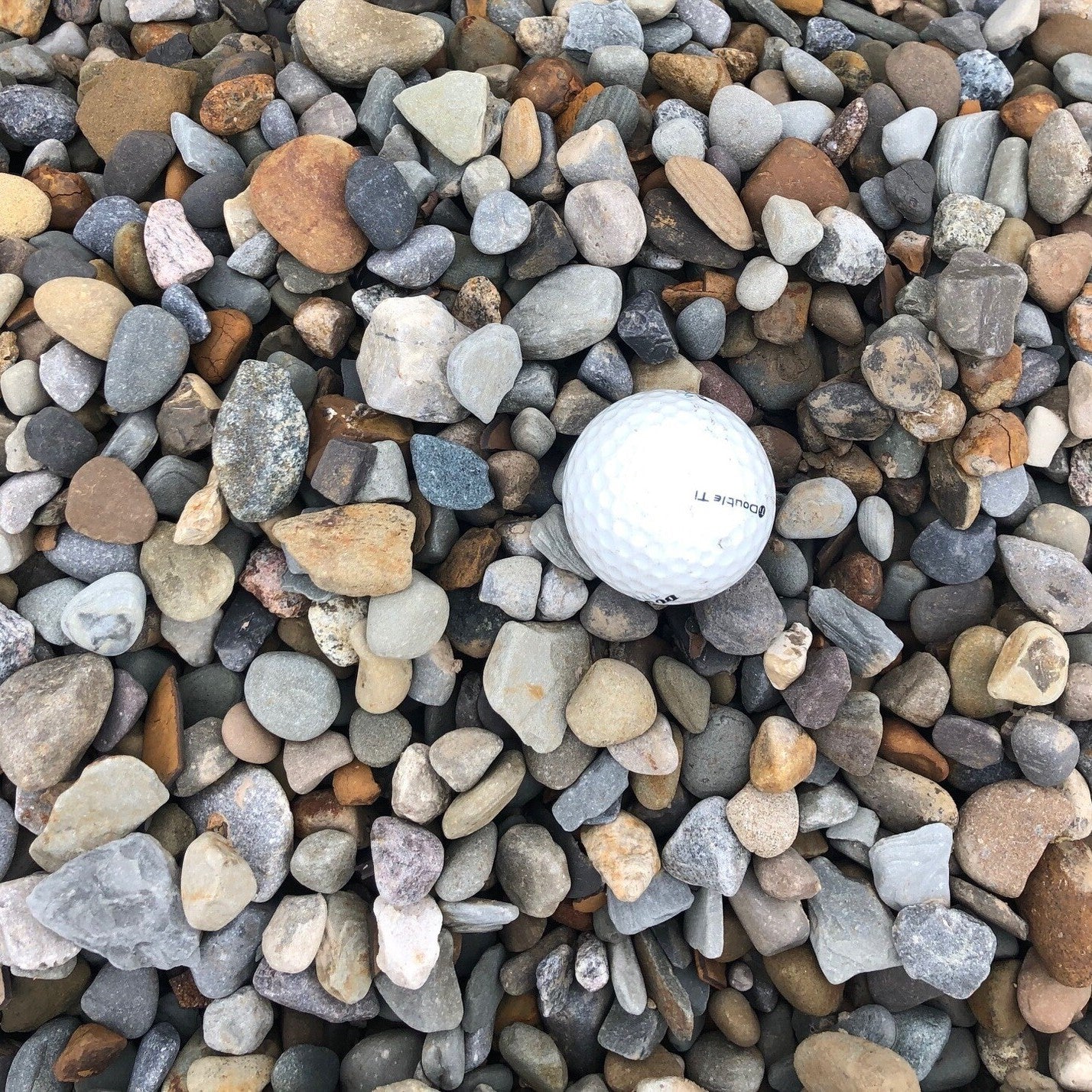
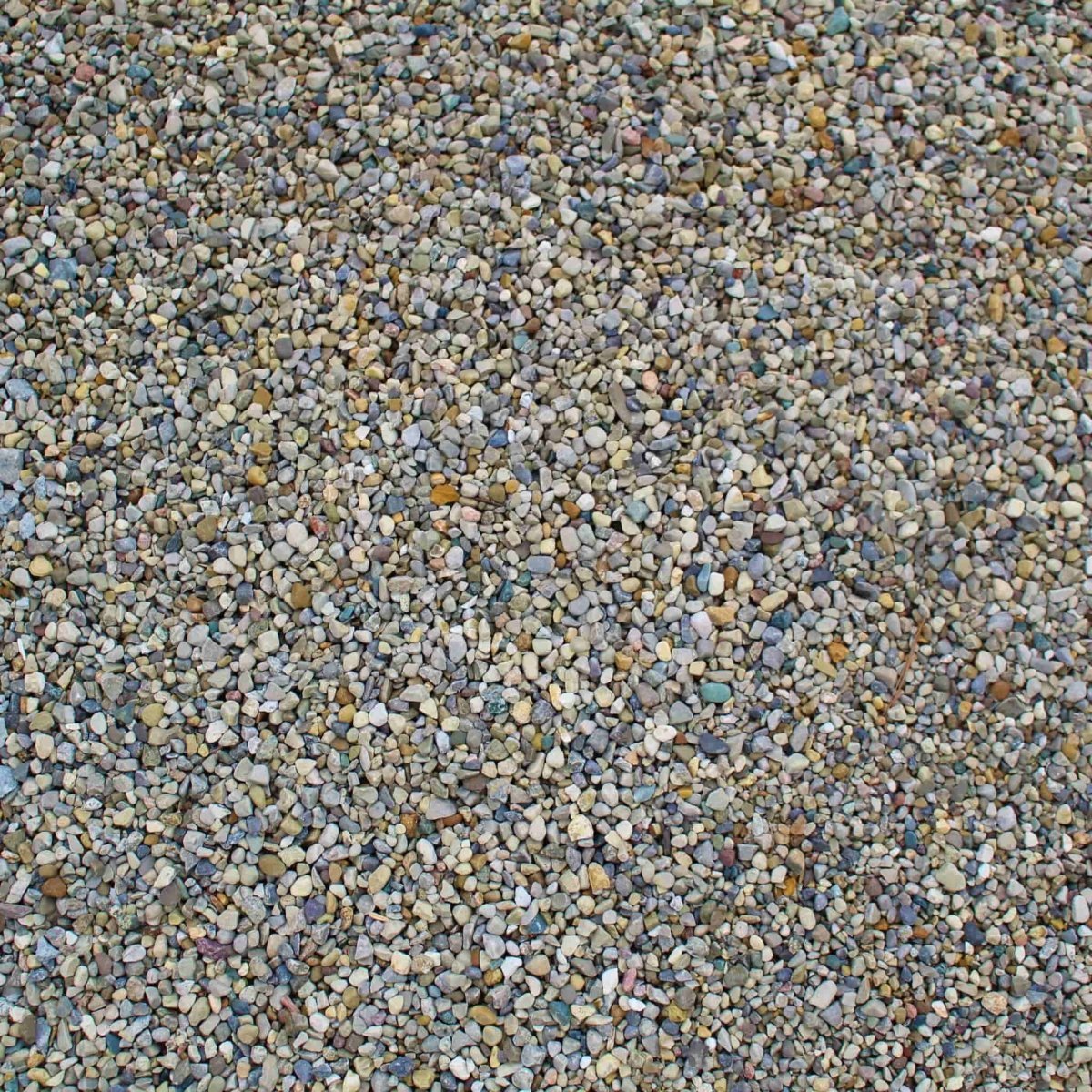
Number 57 crushed stone, angular limestone graded to about three quarters of an inch. The standard driveway, base and drainage gravel, it locks together under traffic and drains fast.
I used Mulch Mound to have 3 cubic yards of garden soil delivered. The process was easy and I love that I didn't have to call anyone. I placed my order online, picked my delivery date, laid out my tarp and the dirt was delivered. My delivery had to be pushed back, but I was ke...
Tell us what you're looking for
Thanks! We received your request.
Something went wrong. Please try again.
How Much Material Do I Need?
For decorative ground cover and weed suppression in New Berlin beds, a 3-inch stone depth over landscape fabric provides effective, long-lasting coverage that holds up against weed pressure in the area's fertile silt loam. Drainage applications and garden pathway installations benefit from 4 inches of depth to maintain structural stability through Zone 5b's annual freeze-thaw cycling.
Use our free gravel calculator
What is a yard?
A yard is approximately 27 cubic feet. As a general guideline, one yard of material can cover an area of about 100-160 square feet at a 2-3 inch depth.
What is a ton?
A ton is approximately 2,000 pounds. Coverage varies by stone type and depth, but as a general guideline, one ton covers roughly 80-100 square feet at 2 inches deep.
We can't take orders for this right now. Tell us what you need and we'll get back to you.
What do you need?
Thanks! We received your request.
Something went wrong. Please try again.
Hand-picked local yards
4,000+ regional deliveries
Dedicated support
Why order through Mulch Mound
The best local stone, without the guesswork.
We hand-pick and partner with the best yards in your region, keep only the ones our buyers rate well, and back each load with our guarantee.
Mulch Mound Guarantee
If your stone isn't the quantity or quality you ordered, we'll make it right.
About this stone
Number 57 crushed stone, angular limestone graded to about three quarters of an inch. The standard driveway, base and drainage gravel, it locks together under traffic and drains fast.
I used Mulch Mound to have 3 cubic yards of garden soil delivered. The process was easy and I love that I didn't have to call anyone. I placed my order online, picked my delivery date, laid out my tarp and the dirt was delivered. My delivery had to be pushed back, but I was ke...
How Much Material Do I Need?
For decorative ground cover and weed suppression in New Berlin beds, a 3-inch stone depth over landscape fabric provides effective, long-lasting coverage that holds up against weed pressure in the area's fertile silt loam. Drainage applications and garden pathway installations benefit from 4 inches of depth to maintain structural stability through Zone 5b's annual freeze-thaw cycling.
Use our free gravel calculator
What is a yard?
A yard is approximately 27 cubic feet. As a general guideline, one yard of material can cover an area of about 100-160 square feet at a 2-3 inch depth.
What is a ton?
A ton is approximately 2,000 pounds. Coverage varies by stone type and depth, but as a general guideline, one ton covers roughly 80-100 square feet at 2 inches deep.
I used Mulch Mound to have 3 cubic yards of garden soil delivered. The process was easy and I love that I didn't have to call anyone. I placed my o...
Read full review
I used Mulch Mound to have 3 cubic yards of garden soil delivered. The process was easy and I love that I didn't have to call anyone. I placed my order online, picked my delivery date, laid out my tarp and the dirt was delivered. My delivery had to be pushed back, but I was kept informed via text, which was great. So why not 5 stars? The description of garden soil on the website is "A balanced mix of topsoil and organic amendments ready for raised beds, flower gardens, and new planting areas. Good drainage, solid nutrients, easy to work with." What I got was more like fill dirt. It had a lot of gravel, a lot of clay, and random trash mixed in. I didn't test the soil to see if it actually had "amendments" because I already have compost and alpaca manure ready to add, but if I'd known the quality of the dirt was going to be the same as the bagged dirt I bought last year, I probably would have gotten 2 yards of top soil and a yard of leaf compost for better quality, especially since the leaf compost is cheaper. Photo of my mountain of dirt and just some of the trash I found in it.
To estimate cubic yards of stone, multiply your area's length and width in feet to get square footage, then multiply by your target depth in feet and divide by 27. For New Berlin pathways and drainage installations, always target at least 3 to 4 inches of depth — the freeze-thaw cycles of Zone 5b winters cause minor settling each year, and starting with adequate depth ensures you won't be topping off thin spots after every spring thaw. Add 10 percent to your final calculation as a buffer for irregular shapes, border edges, and the normal first-year settling that silt loam's compressible surface layer produces.
Stone Types We Deliver in New Berlin
Mulch Mound delivers bulk stone by the cubic yard to homeowners and contractors across the greater Waukesha County area, with quick turnaround for projects of any size. If you have been searching for bulk gravel by the yard in New Berlin, we stock smooth river stone and pea gravel suited to the clay soils and four-season climate this part of Wisconsin is known for. Every order is measured by the yard so you pay only for what your driveway, patio, or drainage project actually requires.
Pea Gravel
Pea gravel is a go-to choice for homeowners who want a low-maintenance ground cover that drains well through clay-heavy soil. Its smooth, rounded edges are comfortable underfoot on garden paths and patios, and the warm earth tones suit the classic residential landscapes typical of this part of Wisconsin.
1-2" River Stone
One to two inch river stone offers a slightly larger look than pea gravel while keeping the smooth, weathered character that suits water features and dry creek beds. It layers well in garden borders and handles Wisconsin's wet spring runoff efficiently, making it a practical pick for sloped yards and foundation plantings.
2-4" River Stone
Two to four inch river stone is the bold choice for homeowners creating statement landscaping around larger open beds and yards. These chunky, smooth stones resist frost heave well, staying in place through the region's hard freeze cycles, and their natural gray and tan tones blend into Wisconsin's wooded residential settings.
Complete Your Outdoor Stone Project
If you're redesigning a planting area with stone as a ground cover, consider pairing your stone order with a premium bulk garden soil to build up planting pockets for shrubs and perennials before the stone goes down, since New Berlin's compacted native silt loam may not give new plants the root environment they need on its own. For areas where you're transitioning from lawn to stone, a hardwood mulch border around the planted pockets softens the aesthetic and continuously feeds organic matter back into the silt loam exactly where your plants need it most.
In New Berlin, the biggest long-term maintenance challenge with decorative stone is organic debris — leaves, twigs, and seed heads — working its way into the stone layer and creating a seedbed for weeds right on top of the landscape fabric. A leaf blower on a low setting is your best tool for keeping stone beds clean through fall; New Berlin's deciduous trees drop heavily before the October 11 first frost, so plan two or three cleanup sessions in October to prevent organic material from getting trapped under the first snowfall and decomposing through winter.
Mulch Mound Pro Tip
For New Berlin homeowners using stone in drainage swales or along downspout outlets, stone size makes a significant difference in long-term performance. Pea gravel under three-eighths of an inch tends to scatter and migrate during the high-velocity outflow from downspouts during heavy summer rain events. Choose a larger washed stone — 1.5 to 2-inch river rock or clean crushed limestone — at the point of water discharge, then transition to smaller decorative stone as you move into the calmer portions of the swale to keep your drainage installation stable through New Berlin's peak rainfall months.
Mulch Mound Pro Tip
When installing stone paths directly on New Berlin's silt loam base, compact the native soil firmly before laying your gravel sub-base — silt loam's loose upper layers shift under repeated foot traffic if not properly consolidated first. Rent a plate compactor for larger installations or tamp firmly by hand for small paths. A 2-inch layer of compacted gravel base beneath your decorative stone surface dramatically extends the life of the installation by preventing the uneven settling and rutting that New Berlin's wet spring soil conditions can produce in the first year after installation.
The Unique Landscape of New Berlin
Decorative and functional stone is one of the most practical landscape investments a New Berlin homeowner can make given the area's specific combination of silt loam soil, 35 inches of annual rainfall, and Zone 5b freeze-thaw winters. Silt loam's tendency to compact and erode under rainfall impact makes bare soil pathways and slopes a persistent maintenance problem — stone resolves that erosion risk permanently, without the annual replacement cost of organic materials. Along foundation beds and drainage channels, stone allows water to move freely through the ground cover layer rather than pooling on the silt loam surface, reducing the moisture accumulation near structures that New Berlin's wet springs reliably produce. In perennial borders and landscape beds, stone ground cover doesn't decompose like organic mulch, eliminating the annual replenishment cycle and providing a stable, weed-suppressing surface that performs consistently through the full 164-day growing season. Stone's thermal mass also plays a useful role in Zone 5b landscapes — it absorbs daytime heat and releases it slowly overnight, moderating the soil temperature swings near patios and garden borders that can stress marginally hardy plants during New Berlin's unpredictable spring and fall shoulder seasons. For homeowners looking to reduce landscape maintenance without sacrificing curb appeal, bulk stone is one of the most durable and cost-effective choices available in New Berlin.
Frequently Asked Questions
Click a question to see the answer
Answer
What type of stone works best for managing drainage problems in New Berlin's silt loam soil?
For drainage applications in New Berlin, washed pea gravel or clean crushed limestone in the three-quarter-inch size range is the standard choice. Both allow water to percolate rapidly through the stone layer and into a drainage system below, bypassing the silt loam's slower natural infiltration rate. For French drains and swales designed to handle New Berlin's peak spring and summer rainfall, clean angular crushed stone packs less tightly than rounded pea gravel and maintains higher long-term flow rates through the drainage trench as it settles over time.
Answer
Will decorative stone shift or sink into my yard after a New Berlin winter?
Some minor settling is normal after the first Zone 5b winter, as freeze-thaw cycles gradually work smaller stones downward into the silt loam below. The most effective prevention is installing a layer of commercial landscape fabric beneath the stone before placing it, creating a barrier between the stone and the native soil that resists migration while still allowing drainage. A 4-inch depth of stone over fabric gives you enough material that minor first-year settling won't expose the fabric or bare soil patches in most New Berlin applications.
Answer
How much stone do I need for a garden path in New Berlin?
For a stable, walkable pathway in New Berlin, plan on 3 to 4 inches of stone depth — enough to stay firm underfoot even during wet spring conditions when the silt loam base gets thoroughly saturated. Measure the path length and width in feet, multiply for square footage, then multiply by your depth in feet and divide by 27 for cubic yards. A 3-foot-wide path that is 20 feet long at 3.5 inches deep needs roughly 0.65 cubic yards — always round up slightly so you have material available to top-dress thin spots after the first winter's settling.
Answer
Can I use stone along my foundation to help with the water issues I get every spring?
Stone is one of the most effective foundation border treatments for New Berlin homes, where the combination of 35 inches of annual rainfall and silt loam's sometimes sluggish surface drainage can direct water toward foundations rather than away from them. A 12 to 18-inch-wide band of clean crushed stone or pea gravel along the foundation allows roof and surface runoff to percolate quickly rather than pooling and migrating toward the structure. Make sure your grade still slopes away from the foundation before placing stone — the stone improves infiltration but does not correct a negative-grade drainage problem on its own.
Answer
Is stone a good replacement for grass in the shady spots where my New Berlin lawn just won't grow?
Absolutely — shady spots are a natural fit for decorative stone in New Berlin landscapes. Turfgrass already struggles in deep shade in Zone 5b, and silt loam's moisture retention keeps shaded areas wetter than sunny spots, which compounds the problem. Replacing a struggling shady patch with a 3-inch layer of river rock or pea gravel over landscape fabric eliminates the maintenance cycle of overseeding, fertilizing, and watering an area that was never going to thrive as turf. Add a few shade-tolerant perennials or hostas as accent plants and you have a low-maintenance feature that looks intentional and polished year-round.
Answer
How does decorative stone hold up through a New Berlin winter compared to mulch?
Stone significantly outperforms organic mulch over New Berlin winters. While shredded hardwood decomposes, compresses, and requires annual replenishment after Zone 5b's freeze-thaw cycling, stone is dimensionally stable — it doesn't break down, fade, or compact into the soil profile the way organic materials do. The main winter consideration for stone is clearing leaves and organic debris before the first snowfall, since decomposing leaf litter trapped under stone layers creates a nutrient-rich seedbed for weeds. A fall cleanup before New Berlin's October 11 first frost keeps stone beds looking sharp heading into the dormant season.
Answer
What's the minimum stone depth I should use to actually get good weed suppression in New Berlin?
In New Berlin, where silt loam's natural fertility means weed seeds germinate readily whenever they encounter light and moisture, a minimum of 3 inches of stone over quality landscape fabric is the baseline for effective weed suppression. The fabric does the majority of the blocking work — the stone holds it in place, blocks light from reaching the surface below, and provides a physical barrier against seeds landing from above. Without fabric, even 5 or 6 inches of stone will eventually allow weeds to root in accumulated organic debris between the stones, so the fabric-plus-adequate-stone combination is the right approach for New Berlin's fertile growing conditions.
Answer
Is there a stone yard near New Berlin?
Stabilizing an eroding slope or bare pathway on New Berlin's silt loam can mean hauling stone home from a stone yard yourself, or having it dropped right where the work happens. Mulch Mound is not a yard or quarry, so you skip the trip entirely. Order Crushed Stone online by the cubic yard and we deliver it to your spot.