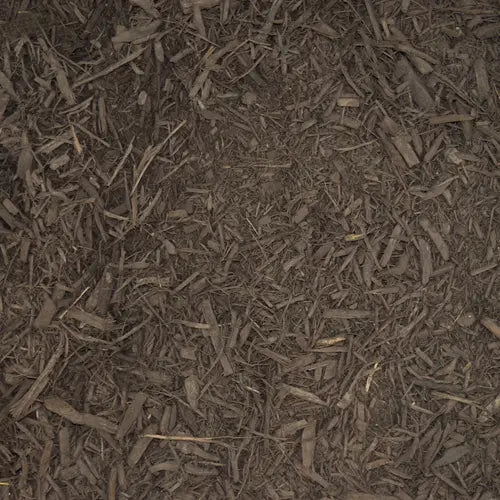
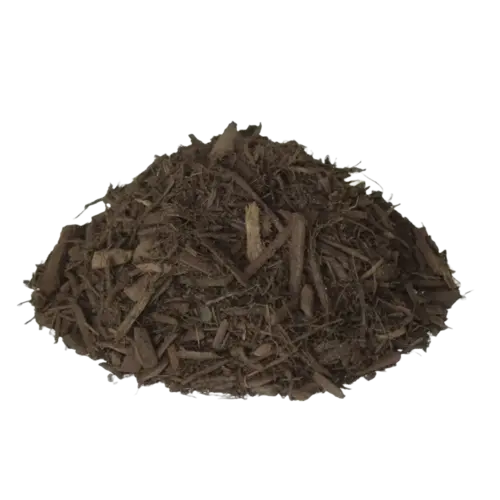
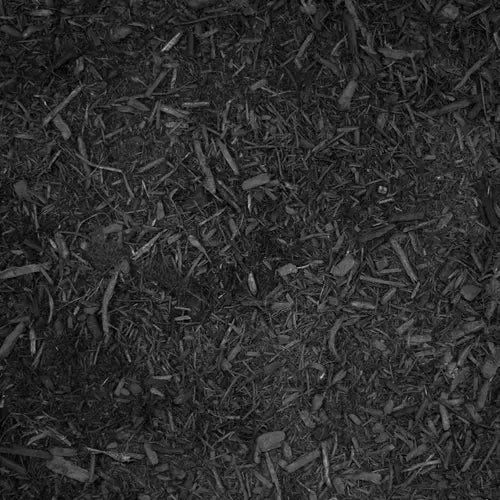
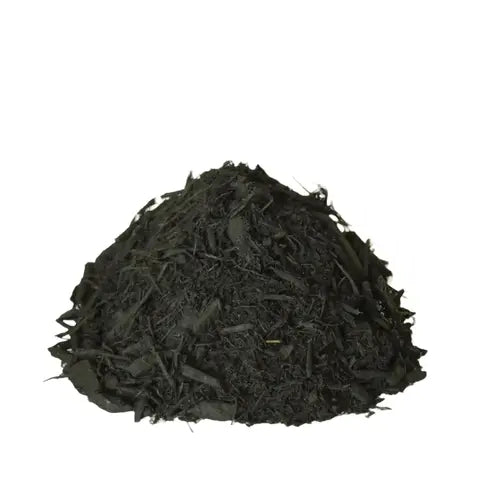
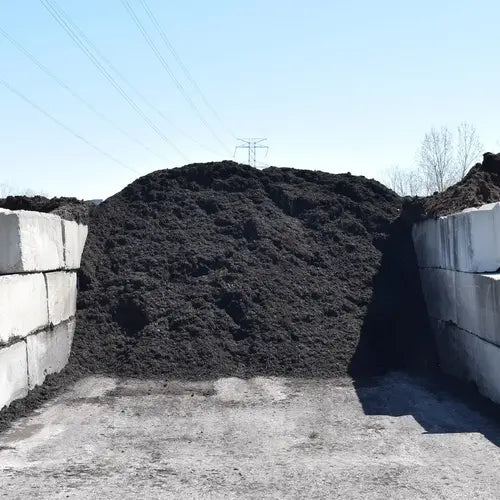
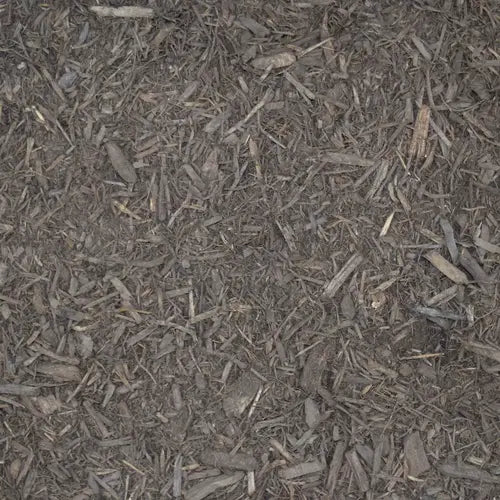
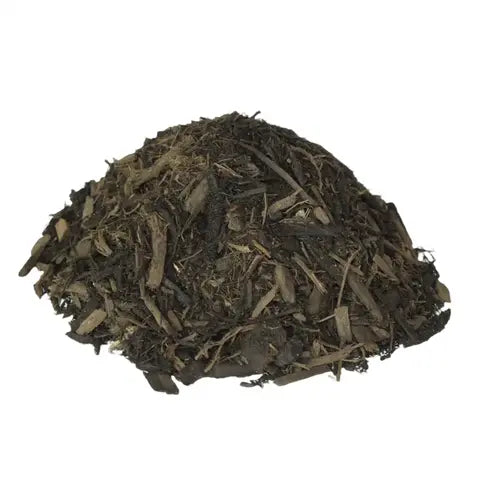
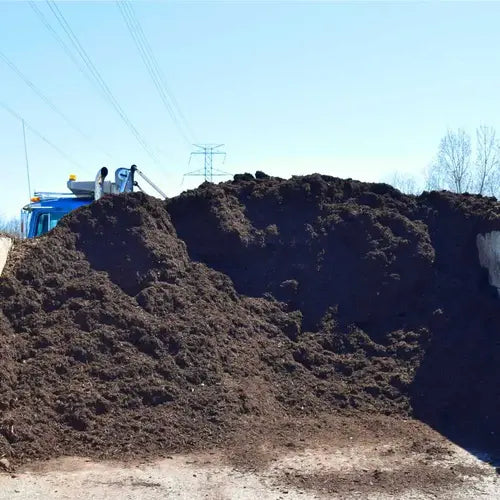
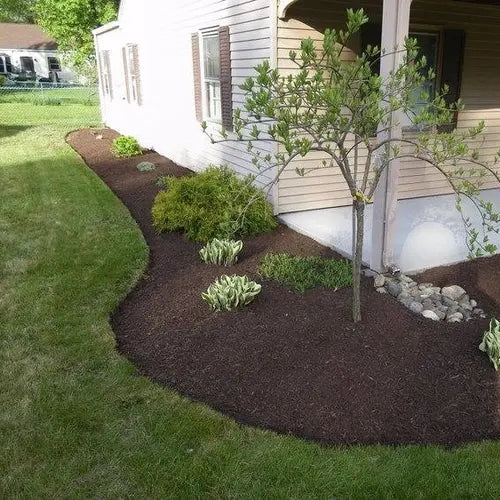
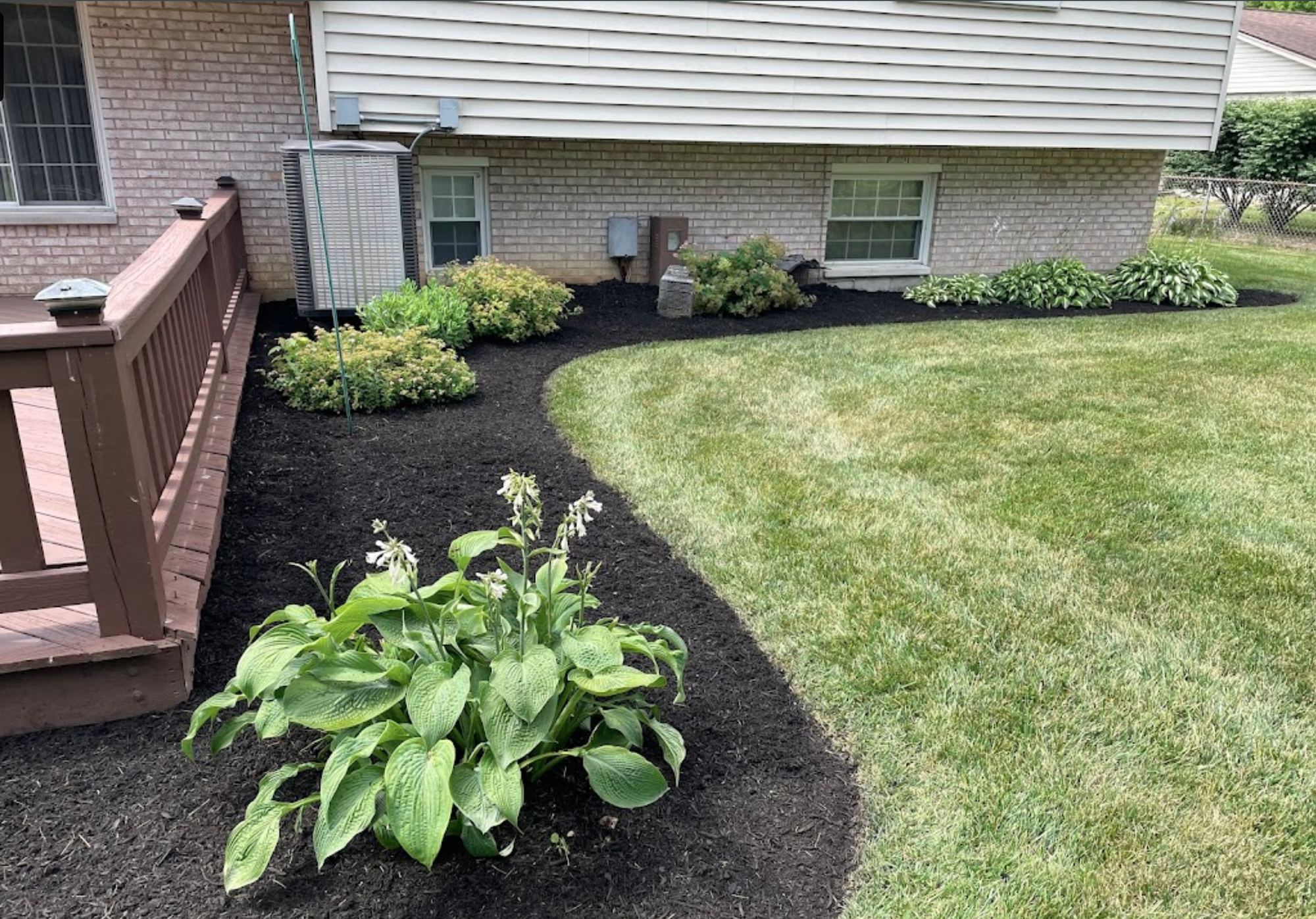
Warm brown double shredded mulch with lasting color that looks freshly applied for weeks. Spreads smooth, stays put, and gives beds a natural, polished appearance.
They offered a quick turnaround and delivered high quality mulch at a reasonable price. They also dropped it off exactly where I told them to put it. Good service!
Tell us what you're looking for
Thanks! We received your request.
Something went wrong. Please try again.
How Much Material Do I Need?
For most New Bern plant beds in sandy loam soil, a 3-inch depth provides adequate weed suppression and moisture retention, while foundation beds near structures can be kept at 2 inches to improve airflow. Plan to add an inch of fresh material each season to compensate for the faster decomposition rate that comes with coastal humidity and heat.
Use our free mulch calculator
What is a yard?
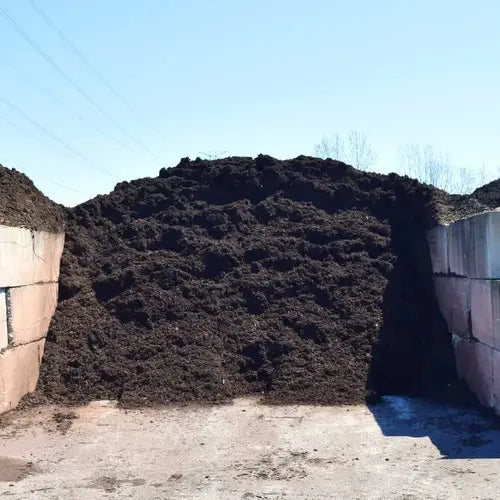
A yard is approximately 27 cubic feet. As a general guideline, one yard of material can cover an area of about 100-160 square feet at a 2-3 inch depth.
We can't take orders for this right now. Tell us what you need and we'll get back to you.
What do you need?
Thanks! We received your request.
Something went wrong. Please try again.
Hand-picked local yards
4,000+ regional deliveries
Dedicated support
Why order through Mulch Mound
The best local mulch, without the guesswork.
We hand-pick and partner with the best yards in your region, keep only the ones our buyers rate well, and back each load with our guarantee.
Mulch Mound Guarantee
If your mulch isn't the quantity or quality you ordered, we'll make it right.
About this mulch
Warm brown double shredded mulch with lasting color that looks freshly applied for weeks. Spreads smooth, stays put, and gives beds a natural, polished appearance.
They offered a quick turnaround and delivered high quality mulch at a reasonable price. They also dropped it off exactly where I told them to put it. Good service!
How Much Material Do I Need?
For most New Bern plant beds in sandy loam soil, a 3-inch depth provides adequate weed suppression and moisture retention, while foundation beds near structures can be kept at 2 inches to improve airflow. Plan to add an inch of fresh material each season to compensate for the faster decomposition rate that comes with coastal humidity and heat.
Use our free mulch calculator
What is a yard?
A yard is approximately 27 cubic feet. As a general guideline, one yard of material can cover an area of about 100-160 square feet at a 2-3 inch depth.
They offered a quick turnaround and delivered high quality mulch at a reasonable price. They also dropped it off exactly where I told them to put i...
Read full review
They offered a quick turnaround and delivered high quality mulch at a reasonable price. They also dropped it off exactly where I told them to put it. Good service!
Great experience! Easy to order, they delivered promptly and were very respectful of the property! Ordered the triple shredded brown mulch and it w...
Read full review
Great experience! Easy to order, they delivered promptly and were very respectful of the property! Ordered the triple shredded brown mulch and it was EXACTLY what I wanted. Very clean product too, no garbage or filler. Already put these guys in my calendar to order from next year! Keep up the good work.
To find out how much mulch you need, measure the length and width of each bed in feet, multiply those together to get square footage, then use that total to calculate coverage at your desired depth. In New Bern, where sandy loam dries out quickly, we recommend planning for at least 3 inches of coverage to get meaningful moisture retention through the hot summer months. If you have multiple beds with irregular shapes, break them into rectangular sections, calculate each one separately, and add them together for your total order.
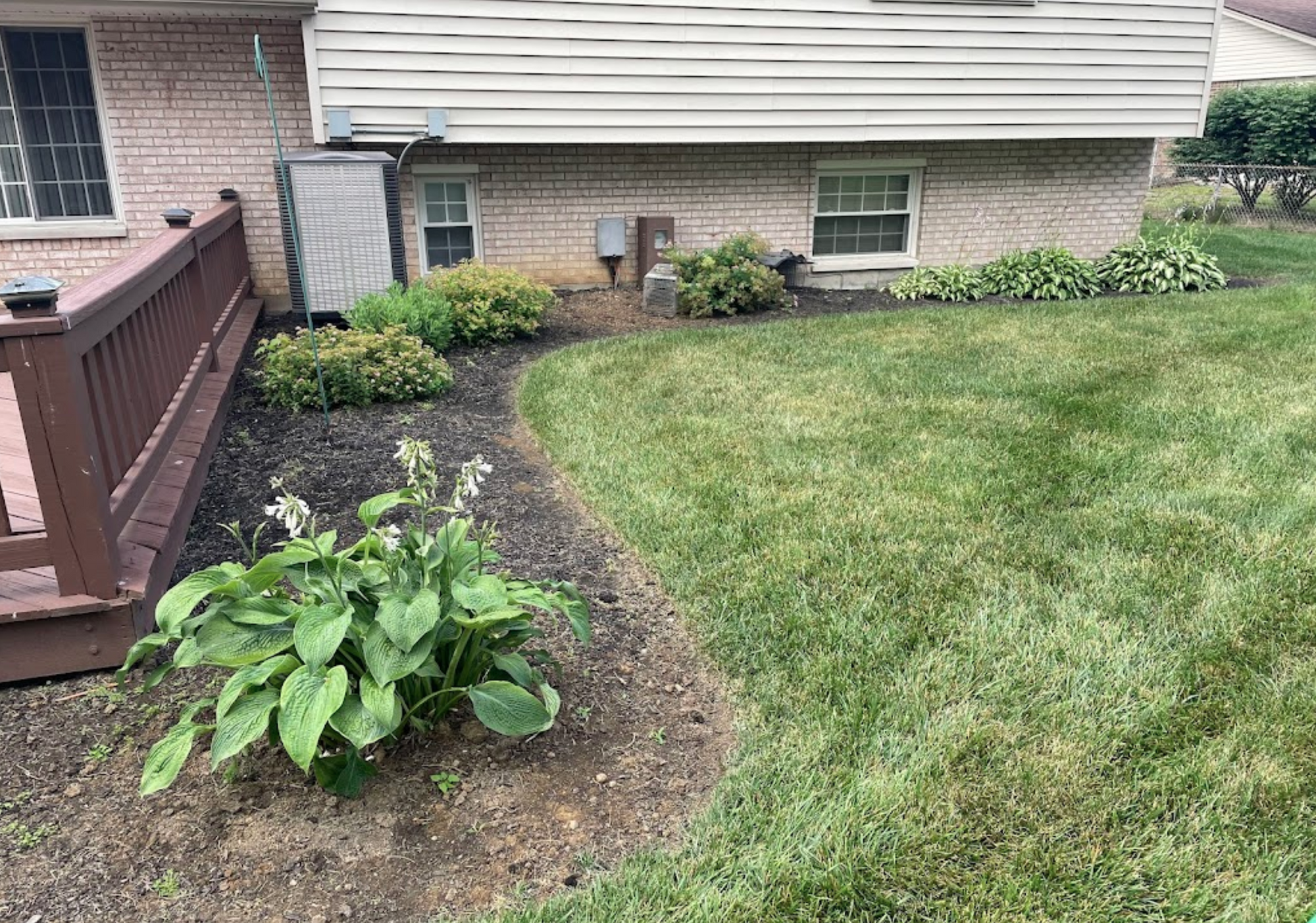
Mulch vs. No Mulch: The Difference
New Bern's combination of high humidity, warm summers, and over 53 inches of annual rainfall means that organic mulches break down faster here than in most inland markets, so the choice between natural and dyed products carries real practical weight. Natural hardwood mulch decomposes more predictably in coastal Carolina conditions, feeding the soil as it breaks down and improving sandy loam's structure over time. Dyed mulches use colorfast pigments to stay visually fresh longer, which is a good tradeoff if curb appeal is a priority, but they tend to contribute less organic value to the soil as they age.
Before
After
Best Mulch Choice for New Bern Lawns
Most yards in the New Bern area sit on Sandy Loam type of soil. New Bern's sandy loam soil has a naturally low organic matter content, which means it struggles to hold onto moisture and nutrients between rain events. Plant beds built in sandy loam can suffer from rapid drying at the surface, leaving shallow-rooted annuals and perennials stressed even when seasonal rainfall totals look adequate.
Hardwood Mulch
Hardwood mulch is particularly well-suited for New Bern's sandy loam beds because as the organic material breaks down, it contributes humus to the soil profile that directly improves moisture retention and nutrient availability. Over time, consistent hardwood mulching can meaningfully raise the organic matter percentage in sandy loam, making your beds progressively easier to manage and more resilient through New Bern's hot, dry summer stretches.
Mulch Types We Deliver in New Bern
Getting bulk mulch delivery in New Bern has never been easier. Mulch Mound brings quality mulch by the cubic yard directly to your property, saving you the hauling and the hassle. We carry a focused lineup of varieties chosen to perform well in the humid coastal climate and complement the traditional home styles common in this part of eastern North Carolina.
Dyed Black Mulch
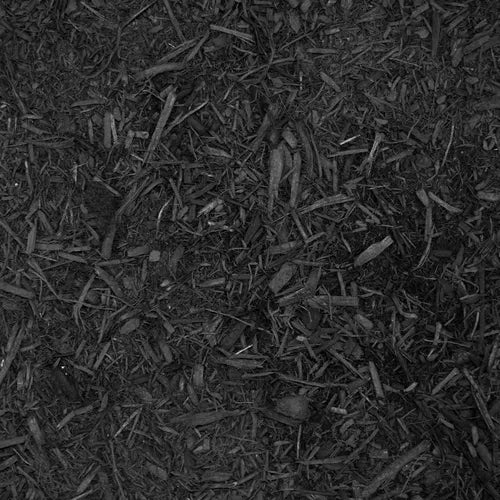
Bold and striking, this double shredded black mulch creates sharp contrast against the shrubs and brick foundations common in eastern North Carolina yards. The rich dyed color holds well through humid summers and frequent rain, making it a popular choice for homeowners who want beds that stay polished all season long.
Dyed Brown Mulch
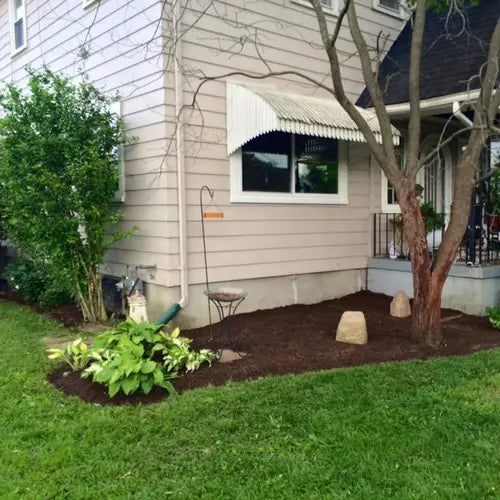
Warm and natural looking, this double shredded brown mulch pairs well with the sandy soils and mature trees found across eastern North Carolina properties. The lasting dyed color keeps beds looking freshly tended for weeks after delivery, and the smooth texture makes spreading quick and easy for any yard size.
Natural Brown Mulch
For homeowners who prefer a more organic look, this double shredded natural brown mulch brings a warm earthy tone that blends beautifully with the wooded yards and traditional home styles found across coastal eastern North Carolina. No dye means no color runoff during heavy summer rains, just clean honest wood that improves with time.
Complete Your Outdoor Mulch Project
If your beds need a nutrient boost before mulching, pairing mulch with a delivery of quality garden soil can dramatically improve plant performance in New Bern's lean sandy loam ground. Adding decomposed granite or river stone along bed edges also creates a clean border that holds mulch in place during the heavy rainstorms common to the New Bern area.
New Bern's growing season runs long, from early April through mid-November, which means weeds have an extended window to establish themselves in your beds. Apply fresh mulch right after your last spring cleanup and before soil temperatures climb above 70 degrees to interrupt the germination cycle early. Keeping the layer at a consistent 3 inches throughout the season closes the gap that opportunistic weeds like chamberbitter and doveweed exploit in coastal Carolina landscapes.
Mulch Mound Pro Tip
Sandy loam soil in New Bern warms up fast in spring, which is great for early planting but means moisture evaporates quickly on warm days between rain events. Mulching immediately after planting new shrubs or perennials helps lock in the moisture from spring rains and reduces watering frequency during the dry stretches that can occur between April and June. This is especially important for newly installed plants that have not yet established deep enough root systems to tolerate drought stress in fast-draining coastal soil.
Mulch Mound Pro Tip
With 53 inches of rain falling across New Bern each year, unmulched beds are constantly at risk of surface erosion and soil compaction from raindrop impact. Mulch acts as a physical barrier that absorbs the force of heavy rain before it can displace your topsoil or seal the surface of your sandy loam beds. Refreshing your mulch layer each fall before the wetter season also helps the ground absorb rainfall more evenly rather than letting it sheet off across your lawn or into your driveway.
Frequently Asked Questions
Click a question to see the answer
Answer
How often should I replace mulch in New Bern's climate?
New Bern's warm, humid summers and mild winters accelerate the breakdown of organic mulches faster than in cooler inland climates. Most homeowners here find they need to top off beds once a year, typically in late March before the growing season kicks in after the last frost around April 4. If you use hardwood bark, it tends to hold its structure a bit longer than shredded varieties in the coastal humidity.
Answer
Will mulch help with all the rain we get in New Bern?
Absolutely. With 53 inches of rainfall per year, bare sandy loam beds in New Bern are prone to surface erosion and nutrient washout during heavy storms. A 3-inch layer of mulch absorbs the initial impact of raindrops, slows runoff, and helps keep your topsoil and fertilizer in place rather than washing into the street or storm drains.
Answer
What mulch color holds up best in the New Bern sun?
New Bern's long, sunny growing season, which stretches from early April through mid-November, means dyed mulches can fade more quickly than in northern markets. Double-ground hardwood with a brown or black dye tends to last longer than red-dyed products in direct coastal sun. Natural hardwood mulches that age to a silver-gray can also look intentional and polished without the need for color maintenance.
Answer
My yard has a lot of shade from live oaks. Does that change which mulch I should use?
Shaded beds in New Bern stay moister and cooler, which speeds up decomposition but also means you may need a bit less mulch to retain moisture compared to a full-sun bed. Finely shredded hardwood breaks down nicely under those conditions and feeds the soil over time, which benefits the shallow root systems common in sandy loam. Avoid thick layers of pine straw under dense live oaks, as it can mat and repel water instead of absorbing it.
Answer
Can I use mulch around my azaleas and camellias here in New Bern?
Yes, and it is especially helpful for these acid-loving shrubs that thrive in New Bern's Zone 8b conditions. Pine bark mulch is an excellent choice around azaleas and camellias because it gradually acidifies the sandy loam soil as it decomposes, which helps maintain the lower pH these plants prefer. Keep the mulch a few inches away from the base of the stems to prevent crown rot in New Bern's humid summers.
Answer
How deep should my mulch be to protect roots during our cold snaps?
New Bern's first frost typically arrives around November 15, and while Zone 8b winters are mild, a cold snap can still stress roots that are close to the soil surface in fast-draining sandy loam. A 3 to 4 inch layer of mulch provides meaningful insulation for root zones during those brief freezes and helps the soil warm back up quickly in spring before the last frost window closes around April 4.
Answer
Is there a type of mulch that will break down into my soil and actually improve it over time?
Yes, double-ground hardwood mulch is a great long-term investment for New Bern's sandy loam beds. As it decomposes, it adds organic matter that improves the soil's ability to hold moisture and nutrients, which are two things sandy loam naturally lacks. Over several seasons of consistent mulching, you will notice better plant performance and reduced need for supplemental fertilizer in your beds.
The Unique Landscape of New Bern
New Bern's sandy loam soil drains quickly, which means plant beds can lose moisture rapidly during hot, humid Zone 8b summers. A consistent layer of mulch acts as a buffer, slowing evaporation and keeping root zones cooler through the long stretch between New Bern's last frost around April 4 and the return of cooler weather in November. With 53 inches of rainfall annually, the coastal plain soils here also face surface erosion and nutrient washout during heavy downpours, and mulch helps hold topsoil and organic matter in place. New Bern's mild winters mean weeds can push through beds nearly year-round, so keeping a well-maintained mulch layer is one of the most effective tools for continuous weed suppression. The warm, moist conditions that come with living near the Neuse and Trent Rivers also accelerate organic mulch breakdown, which means replenishing beds each season keeps your landscape looking fresh and your soil chemistry improving over time.