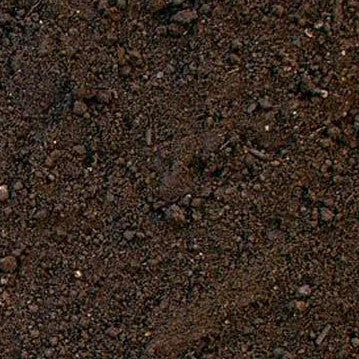
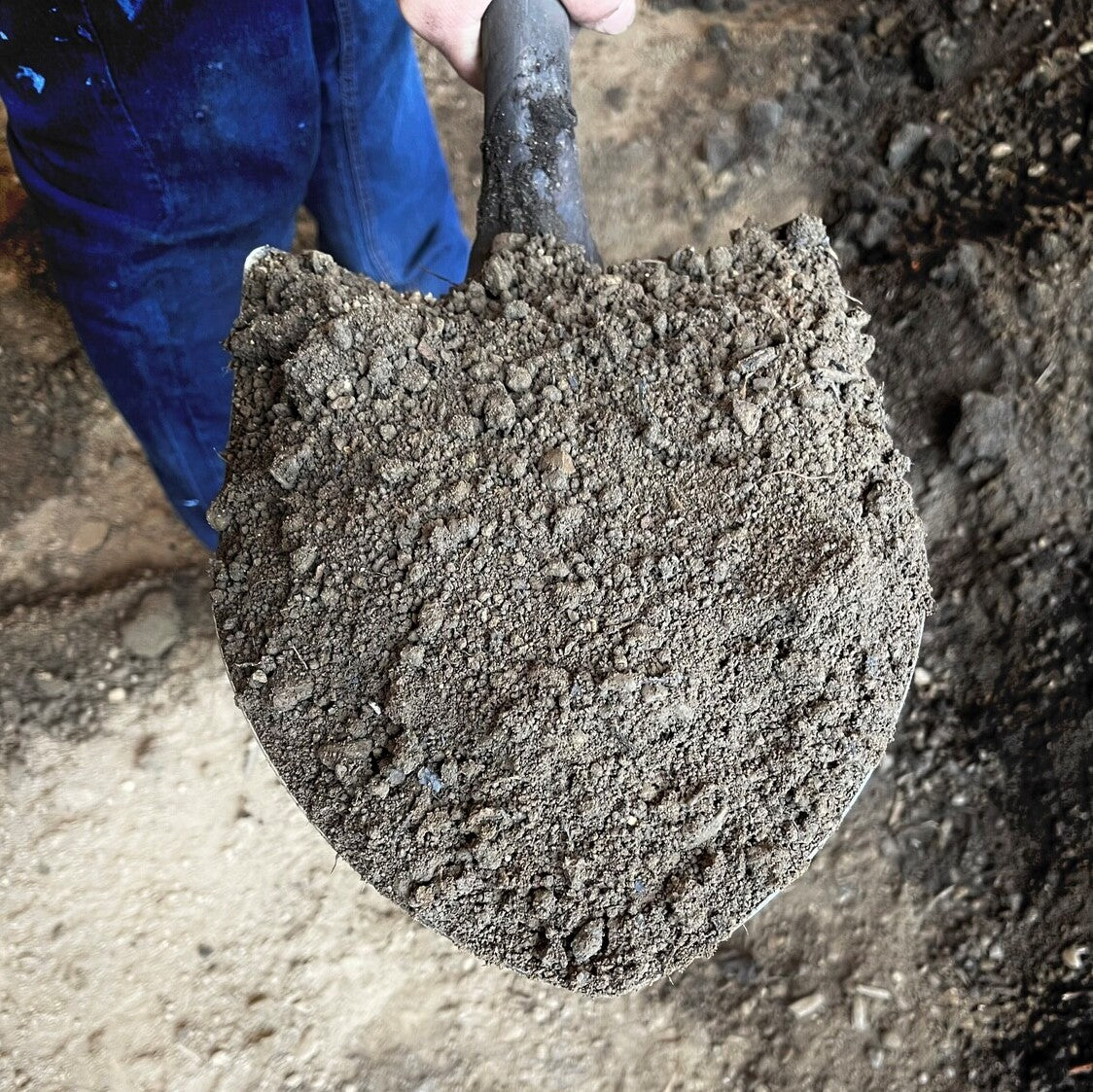
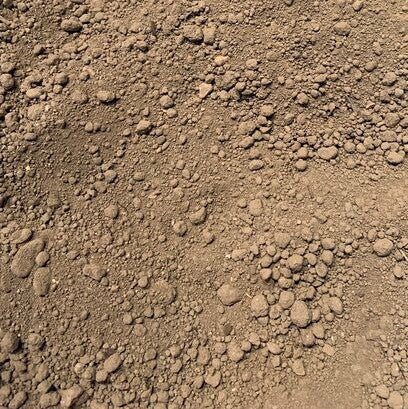
Quality topsoil for lawns, gardens, and landscape projects. Nutrient rich and ready to support strong root development and healthy plant establishment.
I got 3 yards of dirt to create a garden bed on the side of my house and to help fill my new raised garden beds. We had enough dirt to do all of this and fill some holes in the yard! Thanks 😃
Tell us what you're looking for
Thanks! We received your request.
Something went wrong. Please try again.
How Much Material Do I Need?
For raised garden beds in New Bern, filling to 12 inches depth gives roots enough room to thrive across Zone 8b's long growing season without depending on the sandy loam below. For lawn leveling and topdressing, a quarter to half inch application is standard and keeps the material workable without burying existing grass crowns.
Use our free soil calculator
What is a yard?
A yard is approximately 27 cubic feet. As a general guideline, one yard of material can cover an area of about 100-160 square feet at a 2-3 inch depth.
We can't take orders for this right now. Tell us what you need and we'll get back to you.
What do you need?
Thanks! We received your request.
Something went wrong. Please try again.
Hand-picked local yards
4,000+ regional deliveries
Dedicated support
Why order through Mulch Mound
The best local soil, without the guesswork.
We hand-pick and partner with the best yards in your region, keep only the ones our buyers rate well, and back each load with our guarantee.
Mulch Mound Guarantee
If your soil isn't the quantity or quality you ordered, we'll make it right.
About this soil
Quality topsoil for lawns, gardens, and landscape projects. Nutrient rich and ready to support strong root development and healthy plant establishment.
I got 3 yards of dirt to create a garden bed on the side of my house and to help fill my new raised garden beds. We had enough dirt to do all of this and fill some holes in the yard! Thanks 😃
How Much Material Do I Need?
For raised garden beds in New Bern, filling to 12 inches depth gives roots enough room to thrive across Zone 8b's long growing season without depending on the sandy loam below. For lawn leveling and topdressing, a quarter to half inch application is standard and keeps the material workable without burying existing grass crowns.
Use our free soil calculator
What is a yard?
A yard is approximately 27 cubic feet. As a general guideline, one yard of material can cover an area of about 100-160 square feet at a 2-3 inch depth.
I got 3 yards of dirt to create a garden bed on the side of my house and to help fill my new raised garden beds. We had enough dirt to do all of th...
Read full review
I got 3 yards of dirt to create a garden bed on the side of my house and to help fill my new raised garden beds. We had enough dirt to do all of this and fill some holes in the yard! Thanks 😃
Measure the length, width, and depth of the area you plan to fill in feet, multiply all three numbers together, and divide by 27 to get cubic yards. For New Bern lawn leveling projects, keep in mind that imported topsoil settles differently than the native sandy loam beneath it, so ordering 10 to 15 percent extra ensures you have enough material to account for settling after the first few rain events. For raised beds, measure interior dimensions only and plan for the soil level to drop an inch or two after the first several waterings as the material compacts.
Soil Types We Deliver in New Bern
New Bern's coastal plain setting means many yards carry sandy or clay-heavy native soil that struggles to support healthy lawns and gardens without a quality amendment. We make it easy to order bulk topsoil by the yard in New Bern, delivered right to your driveway or job site. Whether you are filling raised beds, grading a yard, or starting a new planting area, we bring the cubic yards you need without the hassle of hauling.
Screened Top Soil
Our screened top soil is finely processed to remove rocks, roots, and debris, giving you a clean, workable base that blends well into the sandy or compacted soils common across this part of eastern North Carolina. It is nutrient rich and ready to support strong root development, making it a reliable choice for new lawns, garden beds, and landscape grading projects.
Complete Your Outdoor Soil Project
Topping your fresh soil with a layer of hardwood mulch helps lock in moisture and prevents the surface from crusting over after New Bern's frequent summer rainstorms wash away loose organic particles. Adding a gravel or stone border around raised beds and garden areas also helps define the space and keeps soil from washing out during the 53 inches of annual rainfall typical in this area.
My lawn has low spots that puddle after every rain. Can bulk soil help fix that?
Yes, topdressing low spots with quality fill or topsoil is one of the most effective ways to address standing water on New Bern's flat coastal terrain. Because the area sits at around 10 feet of elevation with minimal natural grade, water has nowhere to go unless the surface is properly sloped. Adding soil to low areas and grading away from structures and lawn zones can dramatically reduce the puddling that New Bern homeowners commonly deal with after the area's frequent rain events.
Answer
What kind of soil should I use for a raised vegetable garden in New Bern?
For raised beds in New Bern, you want a well-amended blend with good structure, drainage, and organic content, something that contrasts with the lean native sandy loam rather than replicating it. A quality garden mix with compost built in will hold moisture between waterings and supply nutrients to vegetables through the long Zone 8b growing season. Given that New Bern's last frost is around April 4 and the first frost comes around November 15, your raised bed will be in use for roughly seven months, so starting with the right soil pays off all season long.
Answer
Can I use bulk soil to improve my existing lawn where the grass is thin and patchy?
Topdressing thin lawn areas with a fine topsoil or sandy loam blend is a proven way to improve turf density in New Bern yards. The best time to do this is in late spring after the last frost around April 4, when warm-season grasses like bermuda and centipede are actively growing and can fill in the thin spots quickly. Apply no more than a half inch at a time so you do not smother existing turf, and work the soil gently into the canopy with a rake or drag mat.
Answer
How do I know how much soil to order for filling a raised garden bed?
Calculate the length times the width times the desired depth of your raised bed in feet, then convert to cubic yards by dividing by 27. For a typical 4 by 8 foot raised bed filled 12 inches deep, you need about 1.2 cubic yards. If you are building multiple beds or a larger growing area for New Bern's long growing season, order a little extra since settling after watering will often drop your fill level by an inch or two over the first few weeks.
Answer
Will bulk soil help with the drainage problems that come with sandy loam?
It depends on what kind of soil you bring in. Adding straight sandy fill to an already fast-draining sandy loam site will not improve the situation much. What New Bern landscapes typically benefit from is a topsoil or garden blend that contains organic matter, which improves water and nutrient retention without creating the waterlogging issues that a heavy clay fill might cause. Pairing quality imported soil with a mulch layer on top gives you the best moisture management for coastal Carolina conditions.
Answer
Is it okay to use bulk soil around the base of established trees in my New Bern yard?
You need to be careful about adding soil directly against the base of established trees, especially the large live oaks and magnolias common in New Bern yards. Burying the root flare with fill soil can cause bark decay and root suffocation, particularly in the warm, humid conditions of Zone 8b where fungal activity is high year-round. If you need to raise the grade in a tree area, keep fill soil at least 18 inches away from the trunk and avoid raising the grade more than a few inches within the drip line.
Answer
When is the best time of year to do major soil work in New Bern?
Late winter to early spring, from February through late March, is an ideal window for major soil work in New Bern. The ground is workable, the risk of frost damage to disturbed soil is low, and you can have beds prepared and graded before the growing season opens after the last frost around April 4. Fall is also a strong option, particularly October, when summer heat has broken and any new lawn areas can be seeded with cool-season cover crops or prepared and settled before spring planting begins.
Mulch Mound Pro Tip
New Bern's growing season opens around early April, but the soil warms slowly after a wet winter on the coastal plain. If you are preparing new beds, do your soil work in late February or March so the ground has time to settle before planting time arrives. Rushing this step and planting directly into freshly placed, unsettled soil often leads to uneven drainage and inconsistent plant establishment in the first season, which is frustrating given how productive Zone 8b conditions can otherwise be.
Mulch Mound Pro Tip
When filling raised beds in New Bern, resist the temptation to use straight native soil from your yard as a base layer. The local sandy loam lacks the organic matter and nutrient-holding capacity needed for high-production vegetable growing across a seven-month growing season. A blended garden mix delivered in bulk gives you a consistent, workable medium from the start, and you can amend it each season with compost to keep fertility levels high without tearing out and starting over.
Mulch Mound Pro Tip
New Bern's flat coastal terrain means that improper grading during a soil project can redirect water toward your foundation or a neighboring property during the 53 inches of rain the area receives each year. Always grade soil so it slopes away from structures at a rate of at least one inch per foot for the first 6 feet away from the building. Taking the time to establish correct drainage during your project prevents costly erosion and foundation moisture problems that are difficult and expensive to correct after the fact.
The Unique Landscape of New Bern
New Bern sits at roughly 10 feet of elevation on the coastal plain, where the native soils are predominantly sandy loam that drains quickly but lacks the organic depth needed for productive garden beds and healthy lawns. Whether you are filling a raised vegetable bed, leveling a patchy lawn, or building up a sloped area that loses topsoil during heavy rains, bringing in quality bulk soil is a practical solution for landscapes that the native ground simply cannot support on its own. With 53 inches of annual rainfall and a growing season that runs from early April to mid-November, New Bern gardens need soil that can hold nutrients and moisture without becoming waterlogged during storm events. The city's humid subtropical Zone 8b climate supports an enormous range of plants, but only when the soil beneath them has adequate structure and fertility to sustain growth across a seven-month season. Grading and amending with quality soil also helps manage the drainage challenges that come with building on flat coastal terrain where standing water after rain can suffocate roots and invite fungal issues.