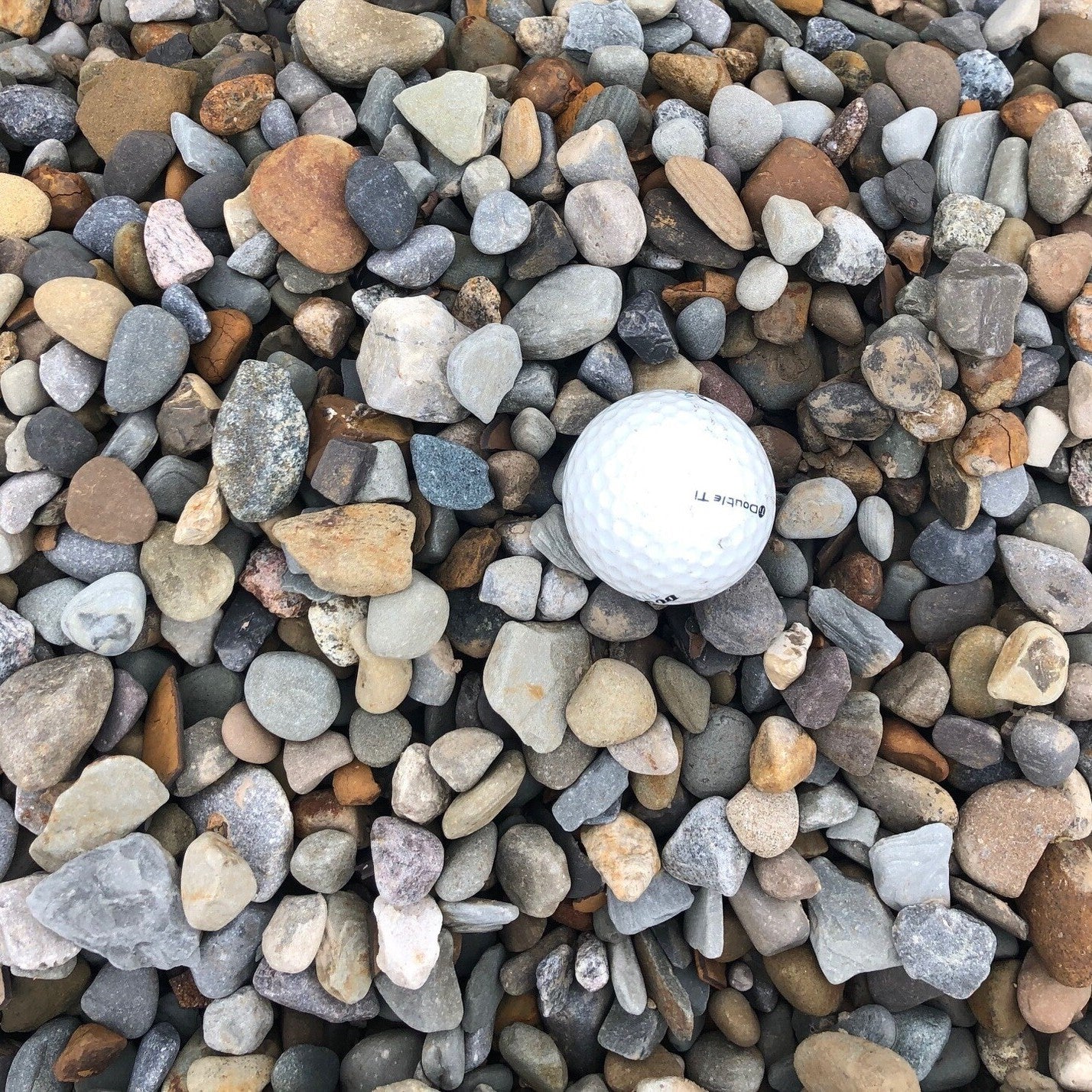
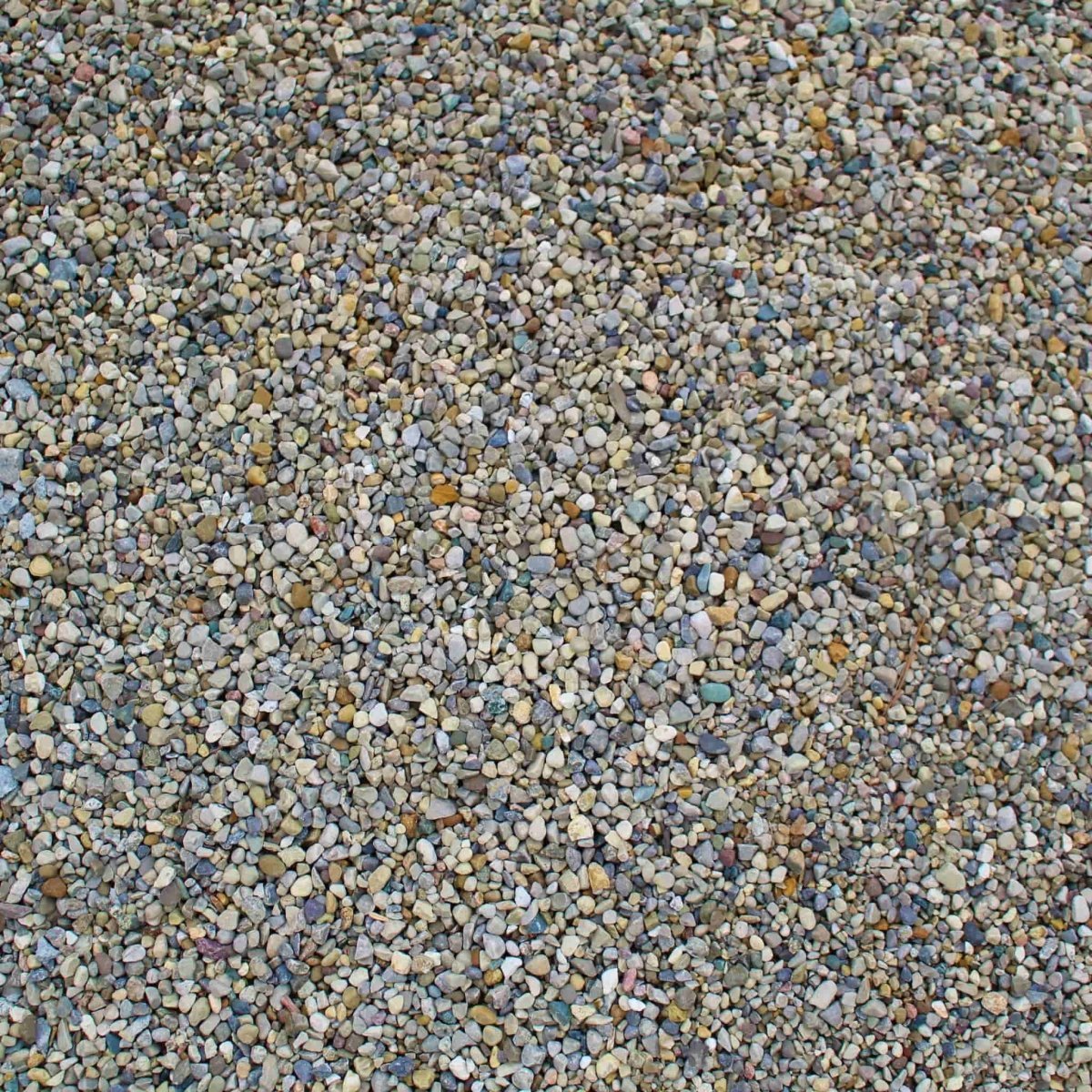
Number 57 crushed stone, angular limestone graded to about three quarters of an inch. The standard driveway, base and drainage gravel, it locks together under traffic and drains fast.
Mulch Mound delivered a yard of pea gravel to us. Delivery was on time, driver was friendly and hit a bullseye on the “tarp target”. We used the pea gravel (which was diameter as specified) to fill several muskrat holes around our pond. I would definitely recommend Mulch Mo...
Tell us what you're looking for
Thanks! We received your request.
Something went wrong. Please try again.
How Much Material Do I Need?
For decorative stone beds and pathways in New Bern, 2 inches of depth provides solid coverage and effective weed suppression over landscape fabric on sandy loam subsoil. Drainage applications along swales or downspout areas in this high-rainfall market should use a 3 to 4 inch depth to handle the volume of water that moves through those zones during storm events.
Use our free gravel calculator
What is a yard?
A yard is approximately 27 cubic feet. As a general guideline, one yard of material can cover an area of about 100-160 square feet at a 2-3 inch depth.
We can't take orders for this right now. Tell us what you need and we'll get back to you.
What do you need?
Thanks! We received your request.
Something went wrong. Please try again.
Hand-picked local yards
4,000+ regional deliveries
Dedicated support
Why order through Mulch Mound
The best local stone, without the guesswork.
We hand-pick and partner with the best yards in your region, keep only the ones our buyers rate well, and back each load with our guarantee.
Mulch Mound Guarantee
If your stone isn't the quantity or quality you ordered, we'll make it right.
About this stone
Number 57 crushed stone, angular limestone graded to about three quarters of an inch. The standard driveway, base and drainage gravel, it locks together under traffic and drains fast.
Mulch Mound delivered a yard of pea gravel to us. Delivery was on time, driver was friendly and hit a bullseye on the “tarp target”. We used the pea gravel (which was diameter as specified) to fill several muskrat holes around our pond. I would definitely recommend Mulch Mo...
How Much Material Do I Need?
For decorative stone beds and pathways in New Bern, 2 inches of depth provides solid coverage and effective weed suppression over landscape fabric on sandy loam subsoil. Drainage applications along swales or downspout areas in this high-rainfall market should use a 3 to 4 inch depth to handle the volume of water that moves through those zones during storm events.
Use our free gravel calculator
What is a yard?
A yard is approximately 27 cubic feet. As a general guideline, one yard of material can cover an area of about 100-160 square feet at a 2-3 inch depth.
Mulch Mound delivered a yard of pea gravel to us. Delivery was on time, driver was friendly and hit a bullseye on the “tarp target”. We used the ...
Read full review
Mulch Mound delivered a yard of pea gravel to us. Delivery was on time, driver was friendly and hit a bullseye on the “tarp target”. We used the pea gravel (which was diameter as specified) to fill several muskrat holes around our pond. I would definitely recommend Mulch Mound to a friend!
Measure the length and width of your stone project area in feet and multiply to get square footage, then decide on your desired depth to calculate the cubic yards you need. For most decorative applications in New Bern, 2 inches of depth is adequate for visual coverage and weed suppression, while drainage swales and erosion control areas typically need 3 to 4 inches to function properly under the volume of water that moves through them. Because stone is heavier than mulch, ordering in bulk by the cubic yard keeps costs manageable compared to hauling bagged stone from a retail store.
Stone Types We Deliver in New Bern
When homeowners and landscapers in New Bern search for bulk gravel by the yard, Mulch Mound delivers straight to the job site so every project stays on schedule. Our stone is sold by the cubic yard and dropped exactly where you need it, whether you are solving a drainage problem in sandy coastal soil or finishing a garden path. We keep ordering simple and pricing clear so you get exactly the material your landscape requires.
Pea Gravel
Smooth, rounded pea gravel in warm earth tones suits the relaxed, cottage-style yards common in eastern North Carolina. It performs well on garden paths, around patios, and in drainage beds where the region's sandy soil and heavy summer rains make managing water flow a steady concern.
Complete Your Outdoor Stone Project
Pairing stone borders with a fresh layer of hardwood mulch in your planting beds creates a clean, defined look that keeps both materials in their designated zones even during New Bern's heavier rain events. If you are building a new gravel pathway or courtyard, ordering a load of compactable base material along with your decorative stone gives the finished surface better long-term stability in New Bern's loose sandy loam subsoil.
Before laying any stone in a New Bern yard, take time to grade the area so water drains away from structures and toward a designated drainage zone. The flat coastal terrain here provides very little natural slope, so even a half-inch of grade per foot makes a meaningful difference in how water moves across a stone surface after rain. Installing a properly graded stone area prevents the ponding and ground saturation problems that can develop quickly on low-lying New Bern lots during the wetter months.
Mulch Mound Pro Tip
New Bern's warm, humid climate creates ideal conditions for algae and moss growth on stone surfaces, particularly in shaded areas under live oaks and magnolias that are common throughout the city. Choosing a lighter-colored stone in shaded zones makes any biological growth more visible so you can address it early, and rinsing stone pathways with a diluted white vinegar solution once or twice a year keeps surfaces clean without harming surrounding plants. This quick maintenance step keeps stone features looking sharp through the long coastal Carolina growing season.
Mulch Mound Pro Tip
When using stone around planting beds in New Bern, keep a 4 to 6 inch buffer of mulch around the base of shrubs and trees rather than running stone all the way to the trunk. Stone sheds water rather than absorbing it, which can leave root zones in the fast-draining sandy loam unexpectedly dry between rain events despite the area's 53 inches of annual rainfall. Combining stone for visual structure with mulch for root zone protection gives you the practical benefits of both materials in a coastal Carolina landscape.
The Unique Landscape of New Bern
Stone is one of the most durable and low-maintenance landscaping materials available to New Bern homeowners, which makes it especially well-suited to the demands of a coastal Carolina climate. With 53 inches of annual rainfall and sandy loam soils that erode easily during heavy downpours, strategically placed stone can slow runoff, protect exposed soil, and define drainage paths across New Bern's characteristically flat terrain. The long growing season from early April to mid-November means that organic ground covers require constant attention, and stone-covered areas offer a clean, attractive alternative that needs no seasonal replacement or refresh. New Bern's warm, humid summers also create ideal conditions for weed growth in bare soil, and a well-installed stone bed or pathway suppresses weeds far more durably than mulch alone. Whether you are building a walkway, lining a drainage swale, edging a foundation, or creating a low-maintenance courtyard, bulk stone gives New Bern landscapes a finished look that holds up through the area's weather extremes without constant seasonal upkeep.
Frequently Asked Questions
Click a question to see the answer
Answer
What type of stone works best for a backyard pathway in New Bern?
Pea gravel and crushed granite are both popular choices for backyard pathways in New Bern because they are comfortable to walk on, drain freely through sandy loam subsoil, and hold up well under regular foot traffic. Pea gravel has a relaxed, natural feel that works well in cottage-style gardens, while crushed granite compacts into a firmer surface better suited to high-traffic paths. Either option handles New Bern's frequent rain events well because water drains quickly rather than pooling on a hard impervious surface.
Answer
Will stone help with erosion around my yard in New Bern?
Yes, stone is one of the most effective erosion control tools available for New Bern landscapes. Sandy loam is particularly vulnerable to surface erosion during heavy rain events, and a layer of river rock or crushed stone on exposed slopes and drainage channels slows water velocity and holds soil in place. Areas around downspout outlets and along lot lines where water sheets across the yard are great candidates for a stone treatment that addresses both erosion and aesthetics at the same time.
Answer
I want a low-maintenance side yard. Would stone be a good option instead of grass?
Stone is an excellent choice for side yards in New Bern that receive too much shade for grass or are too narrow for easy mowing. Laying a 2 to 3 inch base of pea gravel or river stone over a quality landscape fabric virtually eliminates the weed pressure and maintenance demands of a grassed area. Given that New Bern's growing season runs from early April to mid-November, that is seven months of mowing and edge trimming you eliminate in that side yard by converting it to a clean stone surface.
Answer
What is the best stone for drainage swales in a New Bern yard?
River rock in the 2 to 4 inch range is the standard choice for drainage swales in New Bern because its rounded profile allows water to flow through quickly without clogging. The flat coastal terrain here means that surface drainage swales need to move water efficiently with very little natural slope, and the open voids between larger river stones support that flow better than fine gravel would. A properly designed swale lined with river rock can carry the runoff from even New Bern's heaviest rain events without eroding the channel edges.
Answer
How do I keep stone from sinking into the ground in New Bern's sandy soil?
Sandy loam in New Bern has a loose structure that allows stone to gradually migrate downward, especially under foot traffic or after repeated heavy rain events. Installing a geotextile landscape fabric before laying stone creates a stable separation layer that keeps your stone on top and the soil below, preventing migration and blocking weeds from pushing up through the gaps. For heavier-use areas like pathways, compacting a thin base of crushed stone before your decorative top layer adds further stability and reduces settling over time.
Answer
Can I use stone around my foundation to improve drainage?
Absolutely, and it is a smart move for New Bern homes given the area's high annual rainfall and flat terrain. A 12 to 18 inch border of crushed stone or washed gravel around the foundation creates a permeable zone that moves water away from the slab or crawl space quickly after rain. This is especially important in New Bern where the combination of sandy loam soil and heavy storm events can saturate the ground close to the foundation and lead to moisture intrusion problems over time.
Answer
Does stone get uncomfortably hot in New Bern's summers?
Dark stones like black Mexican pebble or dark lava rock can retain significant heat during New Bern's long, sunny summers and make adjacent planting areas uncomfortable for shallow-rooted plants. Lighter-colored options like pea gravel, tan river stone, or white marble chips reflect more sunlight and stay considerably cooler underfoot and around plant root zones. For areas near outdoor seating or children's play spaces, lighter stone is the more comfortable and plant-friendly choice during the hottest months of June through August.
Answer
Is crush and run the same as crusher run?
Crush and run refers to crushed stone blended with stone dust that compacts into a firm, stable base, a common choice under pavers or driveways. Given New Bern's heavy rainfall and sandy loam soils, our Crushed Stone #57 is the better fit here, since it drains freely instead of holding water against your foundation or walkway.
Answer
Is there a stone yard near New Bern?
Edging a flat New Bern yard with stone to guide runoff during heavy coastal rain is a common project, and the crushed stone for it arrives at your driveway, so there is no trip to a stone yard. Mulch Mound delivers by the cubic yard, which means you never have to visit a quarry or load anything yourself.