


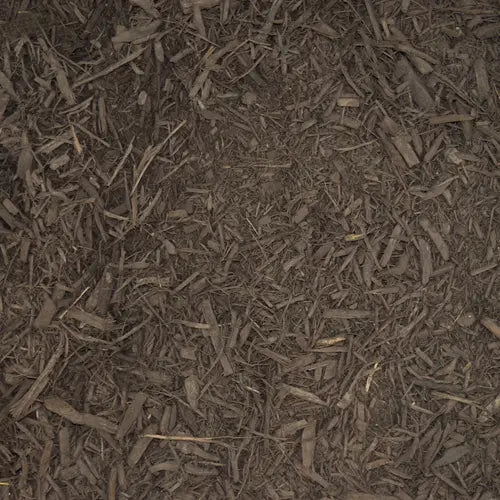
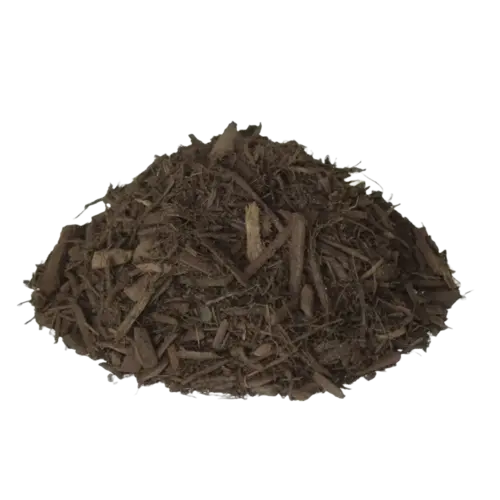
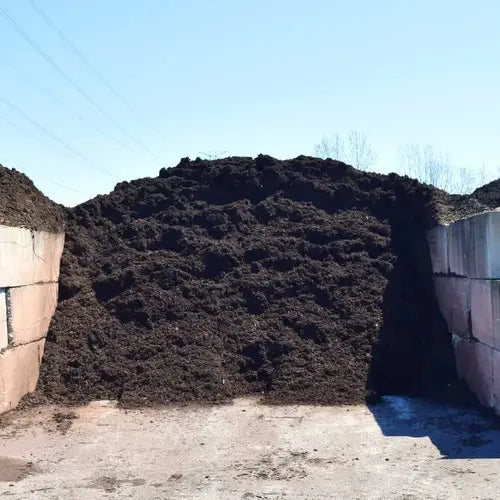
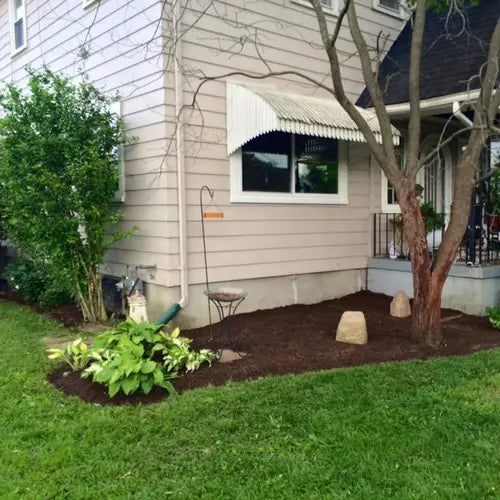



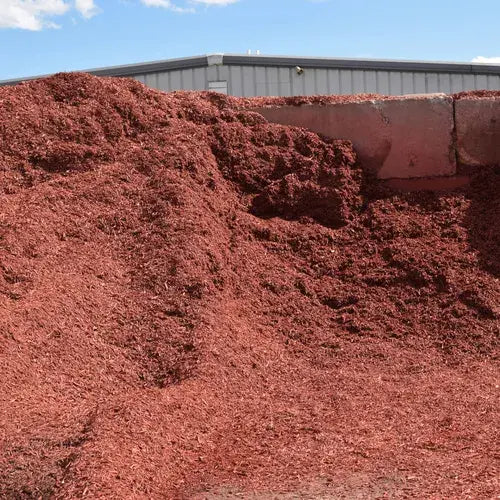
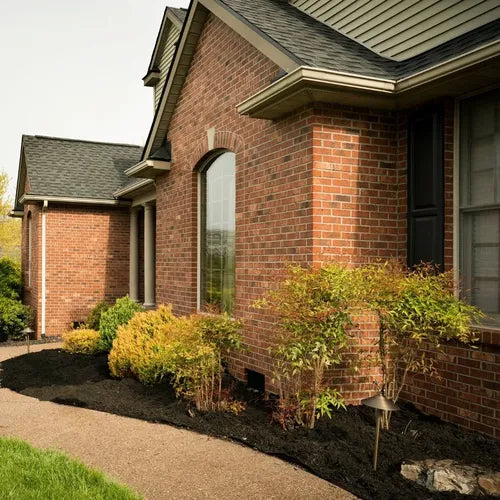


Our delivery was delayed but the new brown color mulch is a nice upgrade to our landscaping.
About this mulch
Engineered playground mulch designed for safety and cushioning. Meets fall height standards and provides a clean, low maintenance surface for play areas.
Our delivery was delayed but the new brown color mulch is a nice upgrade to our landscaping.
Tell us what you're looking for
Thanks! We received your request.
Something went wrong. Please try again.
How Much Material Do I Need?
How Much Material Do I Need?
New Braunfels clay loam compresses mulch faster than sandy soils, so plan for a minimum of 3 inches in established beds and up to 4 inches in any area that receives direct afternoon sun. Freshly tilled or amended beds may settle after the first rain, so a slightly generous initial application helps maintain effective coverage through the season.
Use our free mulch calculator
What is a yard?
What is a yard?
FAQs
FAQs
New Braunfels Mulch Delivery
New Braunfels Mulch Delivery
Regular price
$107.00
per
yard
Regular price
Sale price
$107.00
Unit price
per
Shipping calculated at checkout.
Minimum of 3 yard
Couldn't load pickup availability
Not currently available
We can't take orders for this right now. Tell us what you need and we'll get back to you.
Hand-picked local yards
4,000+ regional deliveries
Dedicated support
Why order through Mulch Mound
The best local mulch, without the guesswork.
We hand-pick and partner with the best yards in your region, keep only the ones our buyers rate well, and back each load with our guarantee.
Mulch Mound Guarantee
If your mulch isn't the quantity or quality you ordered, we'll make it right.
About this mulch
Engineered playground mulch designed for safety and cushioning. Meets fall height standards and provides a clean, low maintenance surface for play areas.
Our delivery was delayed but the new brown color mulch is a nice upgrade to our landscaping.
How Much Material Do I Need?
How Much Material Do I Need?
New Braunfels clay loam compresses mulch faster than sandy soils, so plan for a minimum of 3 inches in established beds and up to 4 inches in any area that receives direct afternoon sun. Freshly tilled or amended beds may settle after the first rain, so a slightly generous initial application helps maintain effective coverage through the season.
Use our free mulch calculator
What is a yard?
What is a yard?
FAQs
FAQs
Tell us what you're looking for
Thanks! We received your request.
Something went wrong. Please try again.
How It Works
Getting started is easy — just follow these simple steps
1
Choose your Mulch
Make sure you adjust the quantity to your home's needs. You can use our calculator to estimate how much you'll need.
2
Select your delivery date
Select a delivery date you'd like for the product to be dropped off at your home
3
Sit back and wait
Sit back, wait, and let us work our magic to make sure the highest quality product is delivered to your driveway.

Mulch Mound made it so easy! So happy with the pricing, turn around time, delivery and product. I submitted my online order on a Thursday. The mu...
Read full review
Mulch Mound made it so easy! So happy with the pricing, turn around time, delivery and product. I submitted my online order on a Thursday. The mulch was delivered to the designated location by a local landscape company at 8:30 a.m. the following Saturday morning. We had the job completed by that afternoon. We chose the natural brown mulch, and the plant beds are beautiful.

Good quality, great price, fast delivery. All online - no submitting forms and waiting for days for quotes.
Getting mulch should be this easy fr...
Read full review
Good quality, great price, fast delivery. All online - no submitting forms and waiting for days for quotes.
Getting mulch should be this easy from everyone. Only Mulch Mound is ACTUALLY this simple.
Calculate mulch for your New Braunfels project
For New Braunfels's clay loam type of soil, we recommend 2-3 inches for best weed suppression and moisture retention
Try Our CalculatorMeasure the length and width of each bed and multiply to get square footage, then plan for at least 3 inches of depth to account for New Braunfels clay loam compressing the bottom layer of mulch over time. If your beds border a slope or drainage channel, add an extra half inch to your depth target to compensate for material that may shift during heavy rain events. Ordering just a little more than your base calculation suggests is almost always the right call in this area.
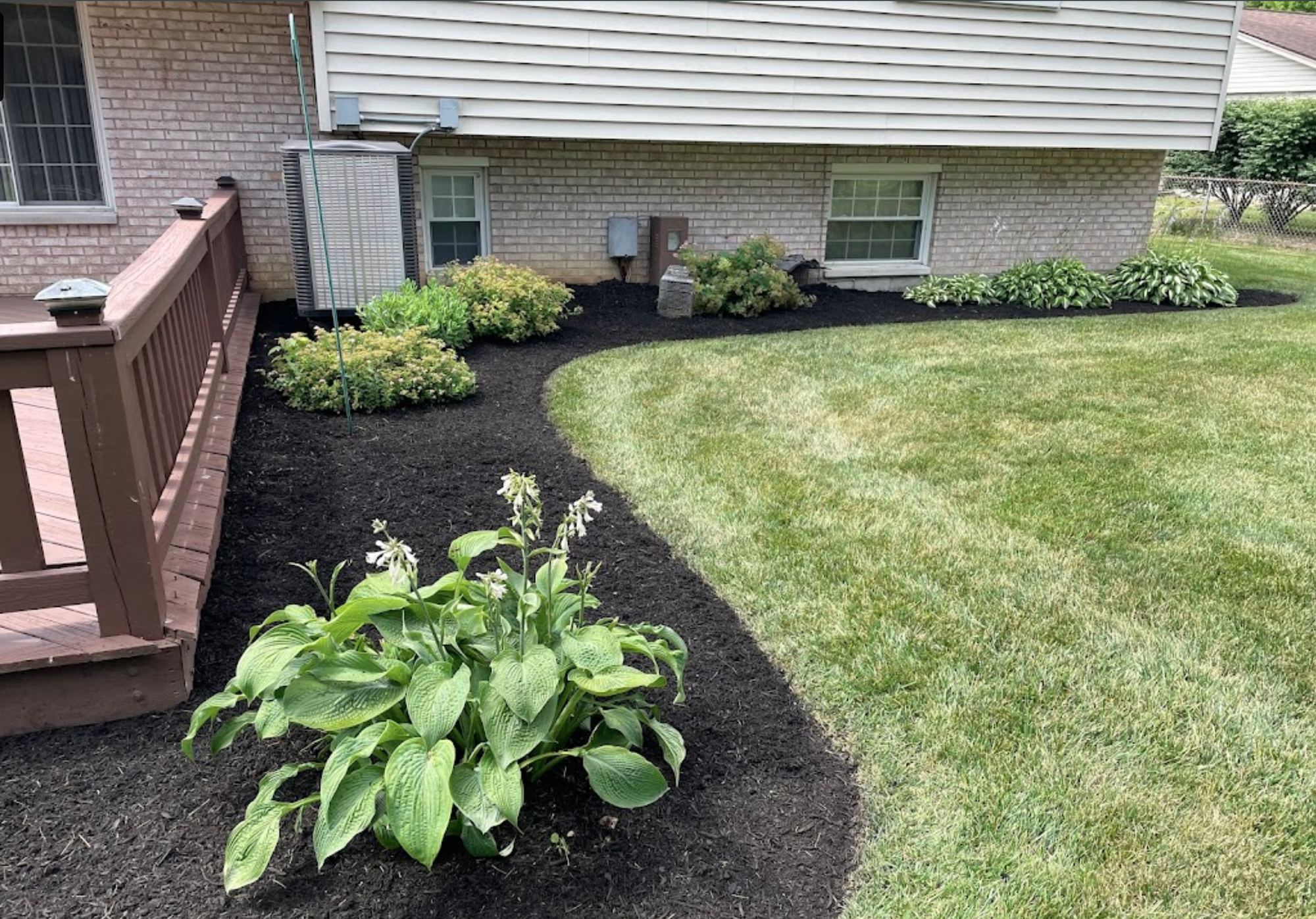
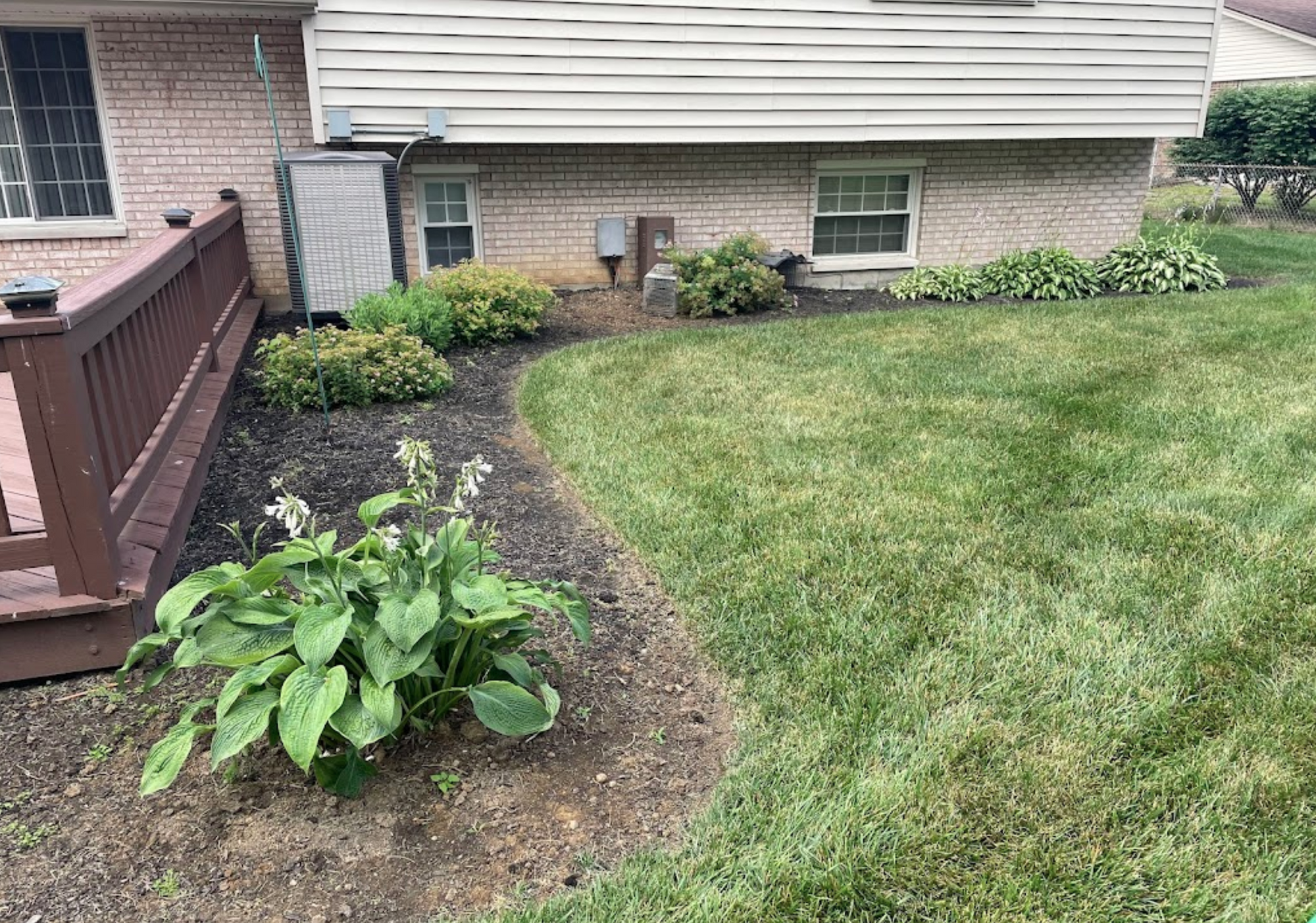

Best Mulch Choice for New Braunfels Lawns
Most yards in the New Braunfels area sit on clay loam type of soil. New Braunfels clay loam tends to form a hard crust on the surface that sheds water and limits air exchange around plant roots, making the choice of mulch type especially important for maintaining healthy bed conditions throughout the year.
Hardwood Mulch
Hardwood mulch breaks down into fine organic particles that work into the top layer of clay loam over time, gradually improving its structure, drainage, and ability to support healthy root development in New Braunfels landscapes.
Mulch Types We Deliver in New Braunfels
Mulch Mound offers bulk mulch delivery in New Braunfels by the cubic yard, bringing fresh landscape material directly to your property without the hauling. We carry dyed and natural wood mulches suited to the warm Texas climate and the varied soil conditions common in this part of the Hill Country.
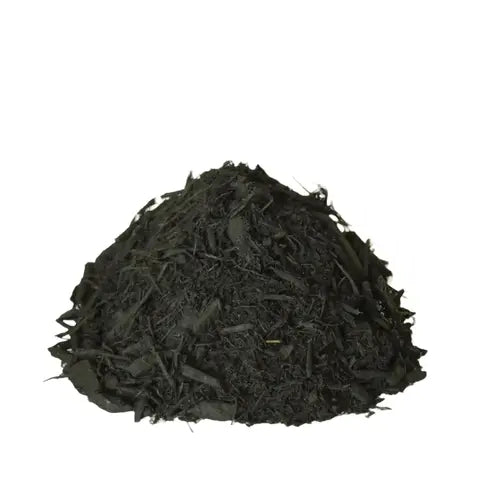
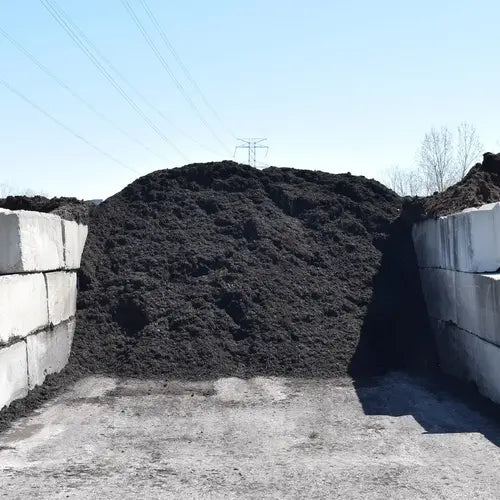
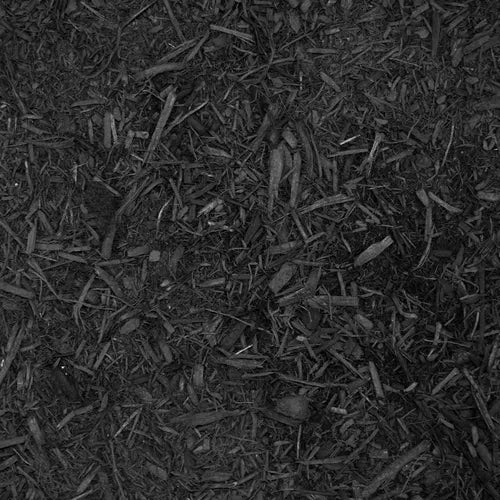
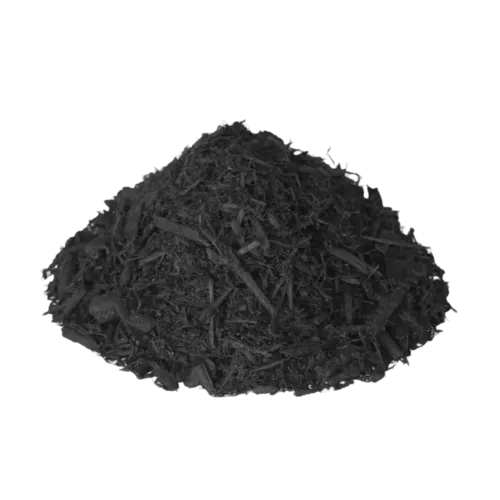
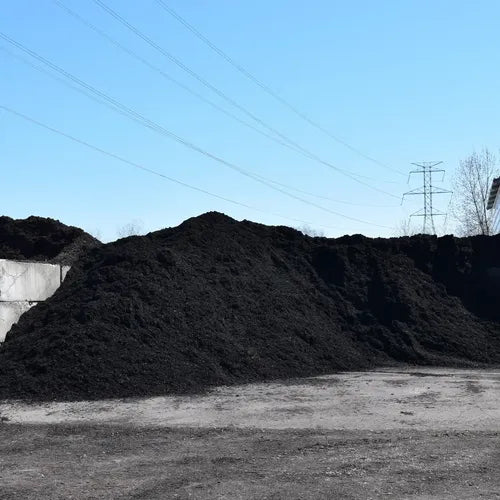
Dyed Black Mulch
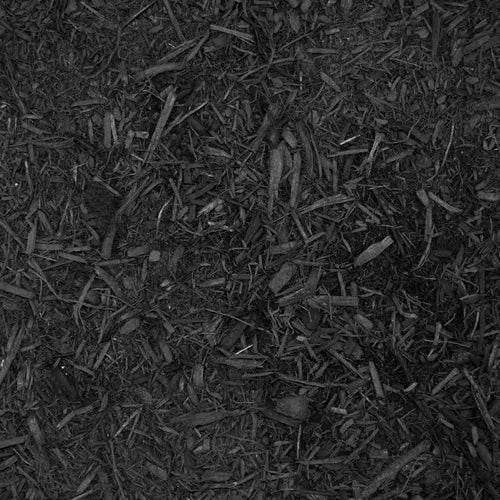
Bold and striking, this double shredded mulch gives landscape beds a clean, finished look that pairs well with the pale limestone hardscaping common in this region. The rich color holds through intense Texas summers and heavy seasonal rains, keeping beds sharp without constant refreshing.
Dyed Brown Mulch
Our warm double shredded brown mulch suits homeowners who want a polished, natural look without bold color. It complements the sandy and earthy tones of Hill Country landscapes, spreads smoothly across beds and borders, and the lasting color stays fresh through long stretches of Texas summer heat.
Natural Brown Mulch
A great choice for gardeners who prefer an undyed option, our double shredded natural brown mulch breaks down gradually to enrich the soil. It helps moderate ground temperature and retain moisture through dry Texas summers, which is especially useful over the thin, rocky soils common in this area.
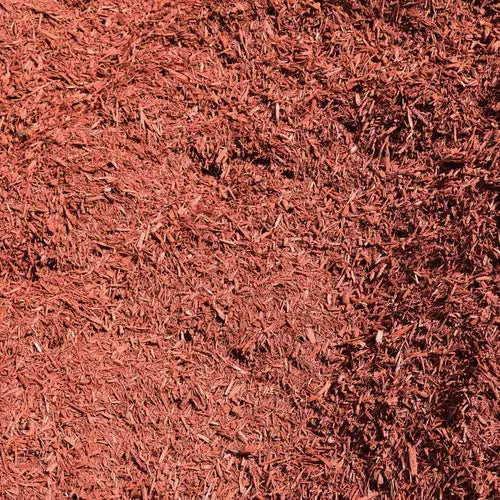
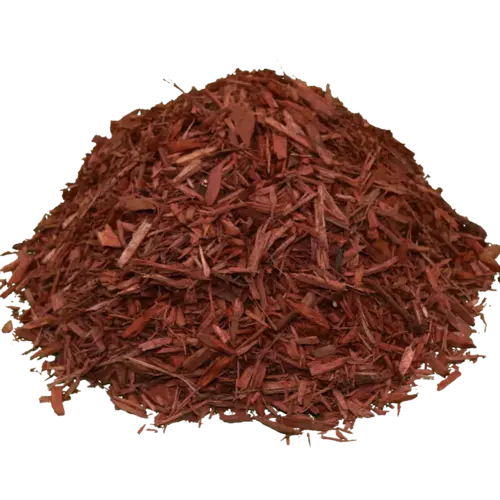
Cedar Mulch
Cedar mulch is a practical pick for Texas yards where fire ants and surface insects are a recurring concern. The natural oils provide reliable pest resistance and strong weed suppression, while the double shredded texture holds firm on the sloped beds and rocky ground typical of Hill Country properties.
Complete Your Outdoor Mulch Project
If you are refreshing existing beds, consider pairing your mulch order with a quality topsoil to amend the clay loam base before you spread, or add a decorative stone border to frame beds and keep mulch from migrating during New Braunfels storm events.

Service area
Areas we deliver mulch in New Braunfels, Texas
Mulch Mound Pro Tip
New Braunfels clay loam holds weed seeds close to the surface where they germinate quickly as soil warms in late February and March. Apply mulch right after your last frost around March 15, once soil has begun to warm but before the first flush of warm-season weeds takes hold. A consistent 3 to 4 inch layer blocks the light that most weed seeds need to sprout, meaningfully reducing hand-weeding time through the long growing season.
Mulch Mound Pro Tip
Hardwood mulch breaks down gradually in Zone 9a, feeding your clay loam soil with organic matter that helps loosen its dense, compacting structure over time. Because New Braunfels summers run hot from May through September, decomposition accelerates and a mid-season top-dress in July can restore both coverage depth and color. Plan to fully refresh mulch once per year in early spring to keep beds looking sharp and functioning at their best.
Mulch Mound Pro Tip
With 35 inches of annual rainfall arriving in intense bursts rather than steady drizzle, New Braunfels yards are prone to runoff across bare or poorly covered soil. Mulch absorbs the initial impact of heavy rain, slowing water enough to give clay loam time to absorb moisture rather than shed it as surface flow. This is especially important on sloped beds near creek corridors where storm runoff can strip unprotected soil quickly and carry it into drainage channels.
The Unique Landscape of New Braunfels
New Braunfels sits at the edge of the Texas Hill Country where clay loam soil bakes hard in summer heat and resists water absorption during dry spells. With only 35 inches of annual rainfall arriving in bursts rather than steady drizzle, plant beds can swing between waterlogged and bone dry within the same month. A thick layer of mulch acts as a buffer, slowing evaporation during hot stretches and reducing runoff when heavy spring rains hit compacted clay. The growing season here stretches from mid-March through late November, meaning soil temperatures stay elevated for months and plant roots need consistent insulation to stay productive. Without mulch, New Braunfels beds can lose critical surface moisture within two days of a summer rain, putting ornamentals and shrubs under chronic stress.