




Ordered Dirt. Received Dirt. Would Buy Again.
About this soil
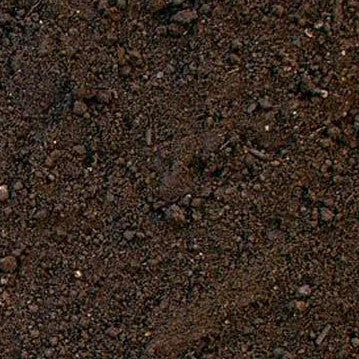
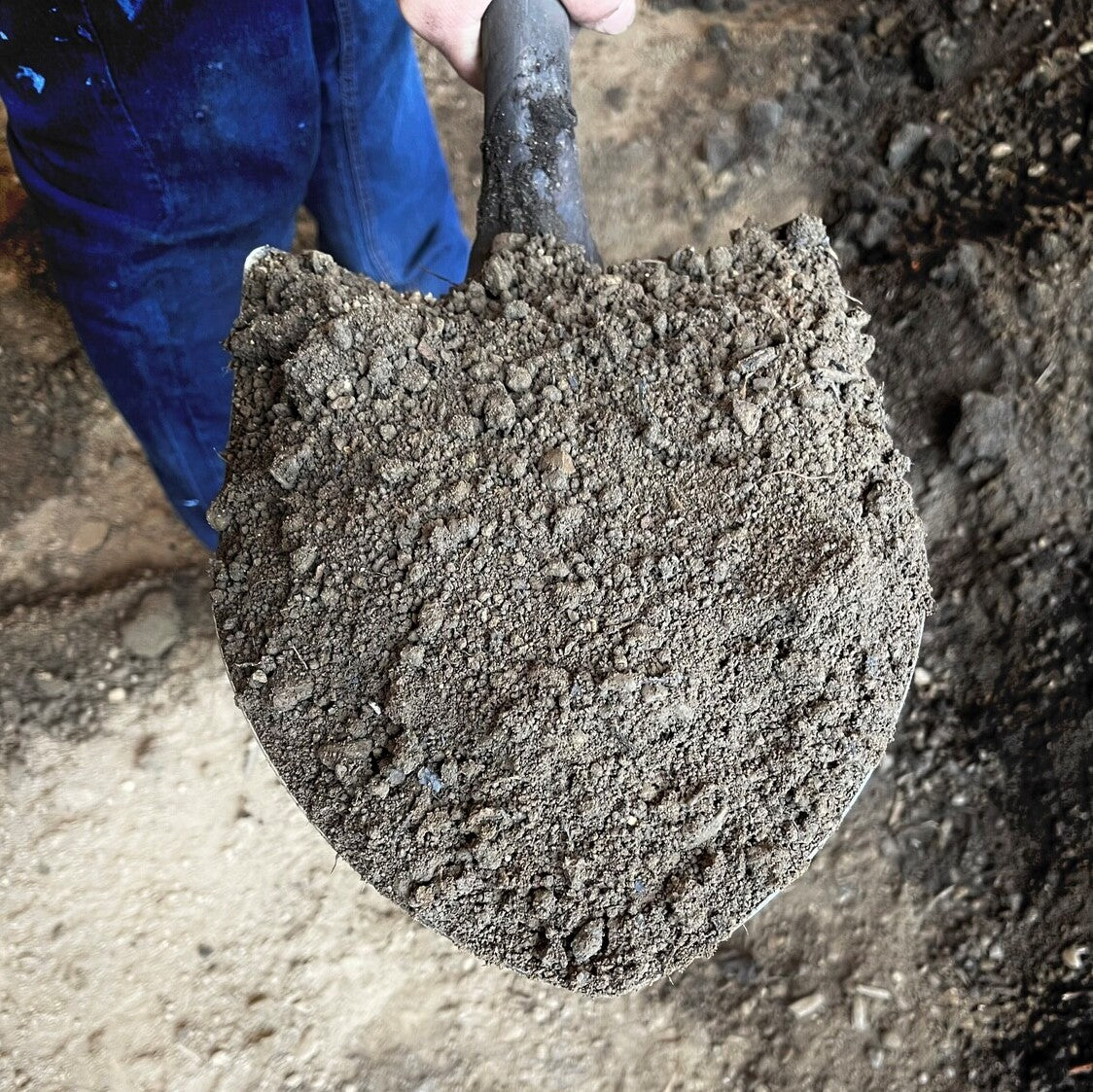
Our ready-to-use special blend garden mix provides the perfect, custom-balanced soil structure and nutrient profile for immediate planting of flowers, vegetables, and shrubs.
Ordered Dirt. Received Dirt. Would Buy Again.
Tell us what you're looking for
Thanks! We received your request.
Something went wrong. Please try again.
How Much Material Do I Need?
How Much Material Do I Need?
For raised beds and new garden areas in New Braunfels, plan on at least 6 inches of quality topsoil over the existing clay loam to give roots room to develop without hitting the dense native layer too quickly. Lawn leveling projects typically need 1 to 2 inches spread across low areas, raked in before the next rain cycle to help it settle naturally.
Use our free soil calculator
What is a yard?
What is a yard?
FAQs
FAQs
New Braunfels Soil Delivery
New Braunfels Soil Delivery
Regular price
$58.00
per
yard
Regular price
Sale price
$58.00
Unit price
per
Shipping calculated at checkout.
Minimum of 4 yard
Couldn't load pickup availability
Not currently available
We can't take orders for this right now. Tell us what you need and we'll get back to you.
Hand-picked local yards
4,000+ regional deliveries
Dedicated support
Why order through Mulch Mound
The best local soil, without the guesswork.
We hand-pick and partner with the best yards in your region, keep only the ones our buyers rate well, and back each load with our guarantee.
Mulch Mound Guarantee
If your soil isn't the quantity or quality you ordered, we'll make it right.
About this soil
Our ready-to-use special blend garden mix provides the perfect, custom-balanced soil structure and nutrient profile for immediate planting of flowers, vegetables, and shrubs.
Ordered Dirt. Received Dirt. Would Buy Again.
How Much Material Do I Need?
How Much Material Do I Need?
For raised beds and new garden areas in New Braunfels, plan on at least 6 inches of quality topsoil over the existing clay loam to give roots room to develop without hitting the dense native layer too quickly. Lawn leveling projects typically need 1 to 2 inches spread across low areas, raked in before the next rain cycle to help it settle naturally.
Use our free soil calculator
What is a yard?
What is a yard?
FAQs
FAQs
Tell us what you're looking for
Thanks! We received your request.
Something went wrong. Please try again.
How It Works
Getting started is easy — just follow these simple steps
1
Choose your soil
Make sure you adjust the quantity to your home's needs. You can use our calculator to estimate how much you'll need.
2
Select your delivery date
Select a delivery date you'd like for the product to be dropped off at your home
3
Sit back and wait
Sit back, wait, and let us work our magic to make sure the highest quality product is delivered to your driveway.


Placing an order online was so easy. Delivery was on time. When the driver realized we had a newly poured driveway they erred on the side of cautio...
Read full review
Placing an order online was so easy. Delivery was on time. When the driver realized we had a newly poured driveway they erred on the side of caution and opted not ti drive in it. The company even sent me a message explaining that call. Would recommend!
Need Help Calculating How Much Soil You Need?
Use our NEW Trace from Satellite tool to get an estimate for your project based on an aerial view of your property
Try Our CalculatorMeasure the area of your project in square feet and determine a target depth, typically 4 to 6 inches for garden beds and 1 to 2 inches for lawn leveling over New Braunfels clay loam. Because clay loam does not absorb new material the same way sandy ground does, account for some settling in the first few weeks after delivery, especially if a rain event occurs shortly after spreading. A small overage in your order ensures you can top off any low spots that appear without scheduling a second delivery.
Soil Types We Deliver in New Braunfels
Mulch Mound delivers bulk topsoil by the yard in New Braunfels, bringing screened and fill-grade materials straight to your property for any landscaping or construction project. Our soils are chosen to address the region's dense clay and rocky caliche ground, giving homeowners and contractors the right foundation for every job.
Screened Top Soil
This finely sifted, nutrient-enriched topsoil creates a clean, workable base for lawns, garden beds, and landscape builds. It suits properties in this part of Texas especially well, compensating for rocky native ground and giving plants the loose, fertile starting layer they need to establish quickly.
Garden Compost
Our premium screened garden compost is packed with organic matter and finely sifted for superior soil building. It works well for Hill Country gardeners dealing with thin topsoil over limestone, improving drainage, texture, and nutrient availability for vegetables, flowers, and native plantings.
Planting Mix
This ready-to-use blend is custom balanced for immediate planting of flowers, vegetables, and shrubs, with no additional amendments needed. It is a popular choice for New Braunfels homeowners building raised beds over the area's dense native clay, providing the ideal structure and nutrients from day one.
Sandy Loam
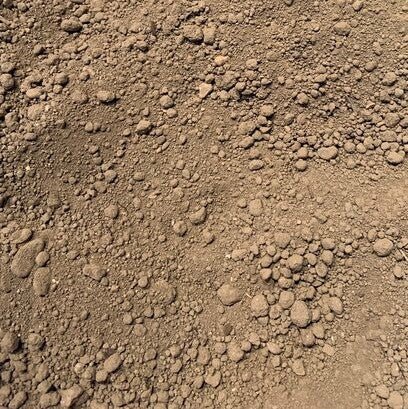
Our standard sandy loam is an economical, unscreened fill material suited for large grading, leveling, and structural projects. It moves well in bulk volume and performs reliably in the warm, dry conditions common to the New Braunfels area, making it a practical choice for builders and contractors.
Complete Your Outdoor Soil Project
After your soil is in place, finish the project with a layer of mulch to protect the surface from New Braunfels summer heat and reduce evaporation, or define your beds with a decorative stone border to keep fresh topsoil contained during the storm runoff events that are common in the Hill Country.


Service area
Areas we deliver soil in New Braunfels, Texas
Mulch Mound Pro Tip
New Braunfels clay loam holds standing water after heavy rains and can suffocate plant roots before gardeners realize it is happening. When building up planting areas with fresh topsoil, grade the surface so water drains away from plant bases and structures. Even a gentle slope of one inch per ten feet makes a measurable difference in how quickly beds dry out between the fast-moving spring storms that are common in the Hill Country.
Mulch Mound Pro Tip
The window between New Braunfels's last frost around March 15 and the arrival of true summer heat in late May is the single best time to establish new garden beds with fresh topsoil. Soil that is worked and planted early in this window gives warm-season vegetables and perennials time to root deeply before temperatures climb into the 90s. Scheduling your topsoil delivery a few days before planting day lets the material settle and gives you time to make final grade adjustments before plants go in.
Mulch Mound Pro Tip
Low spots in New Braunfels lawns collect water during rainy periods and stay soggy long after the rest of the yard dries out, thanks to the slow infiltration rate of clay loam. Filling these areas with a quality topsoil blend and overseeding with a warm-season grass suited to Zone 9a can eliminate persistent wet patches over a single growing season. Time this work in early fall so the grass establishes before the first frost around November 28, giving you a level, healthier lawn heading into winter.
The Unique Landscape of New Braunfels
New Braunfels is built on a clay loam base that presents real challenges for anyone trying to establish healthy planting areas, raised beds, or level turf. Clay loam drains slowly after rain, which can waterlog roots during wet spring seasons, and then bakes into a dense, cracked layer during the long dry stretches of a Zone 9a summer. Adding quality topsoil or a garden blend is often the most direct way to create growing conditions that support vegetables, ornamentals, and lawn grass that the native soil alone cannot sustain reliably. With a growing season running from mid-March through late November, a well-prepared soil base gives plants the maximum window to develop deep roots before temperatures push to extremes. Grade work and bed preparation done with the right soil also reduce erosion on the sloped lots that are common across the Hill Country terrain surrounding New Braunfels.