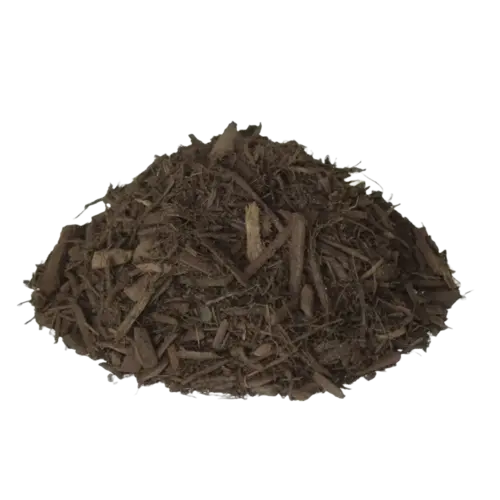
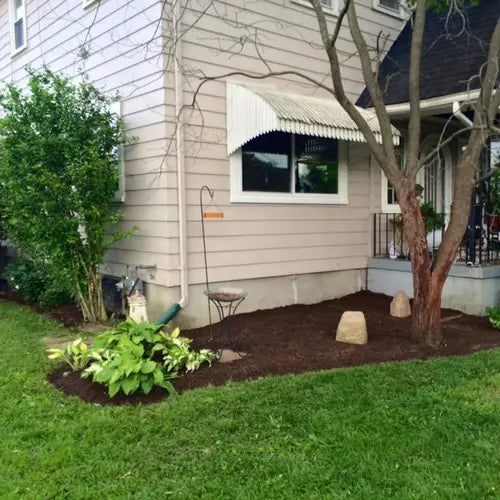
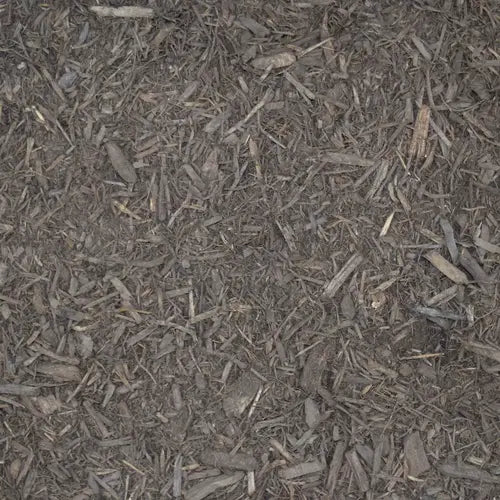
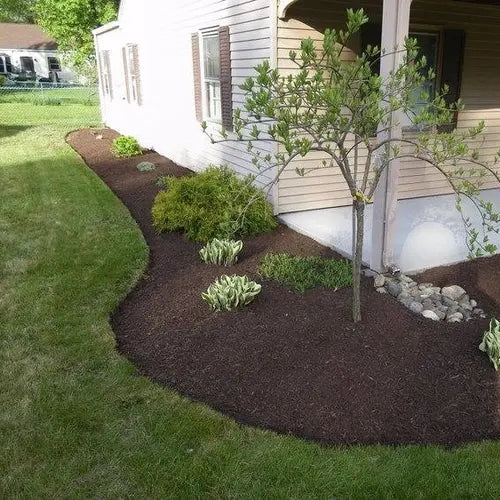
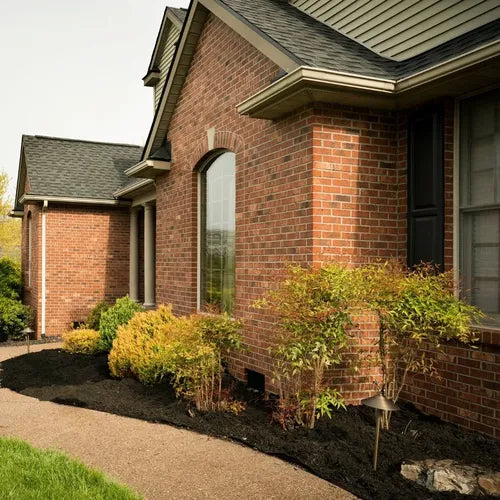
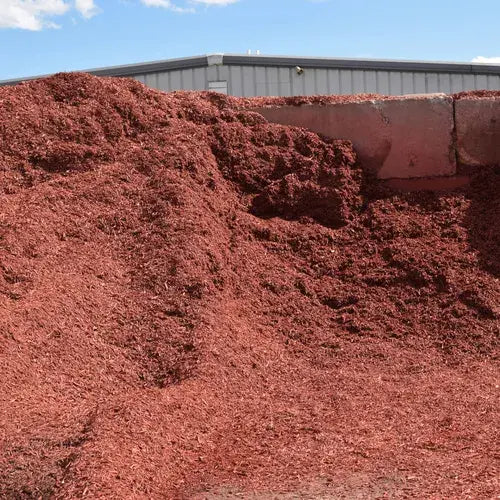
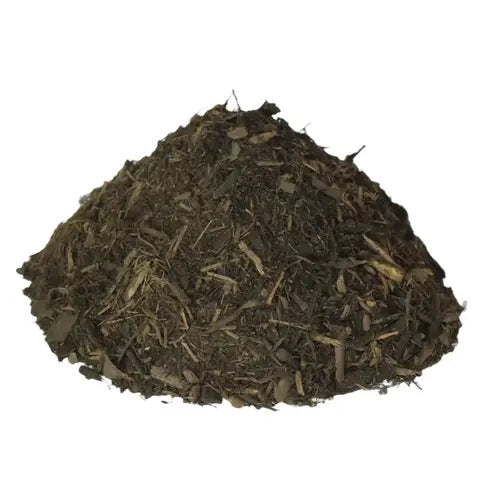
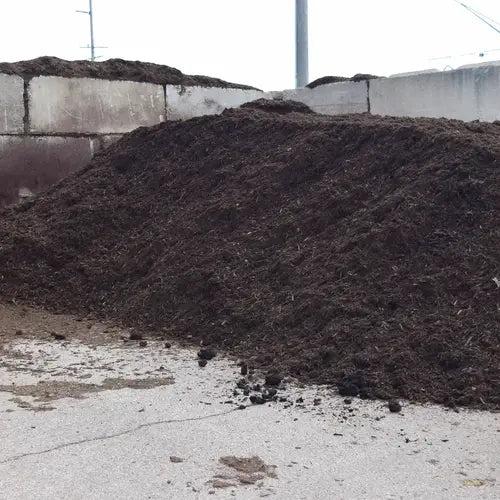
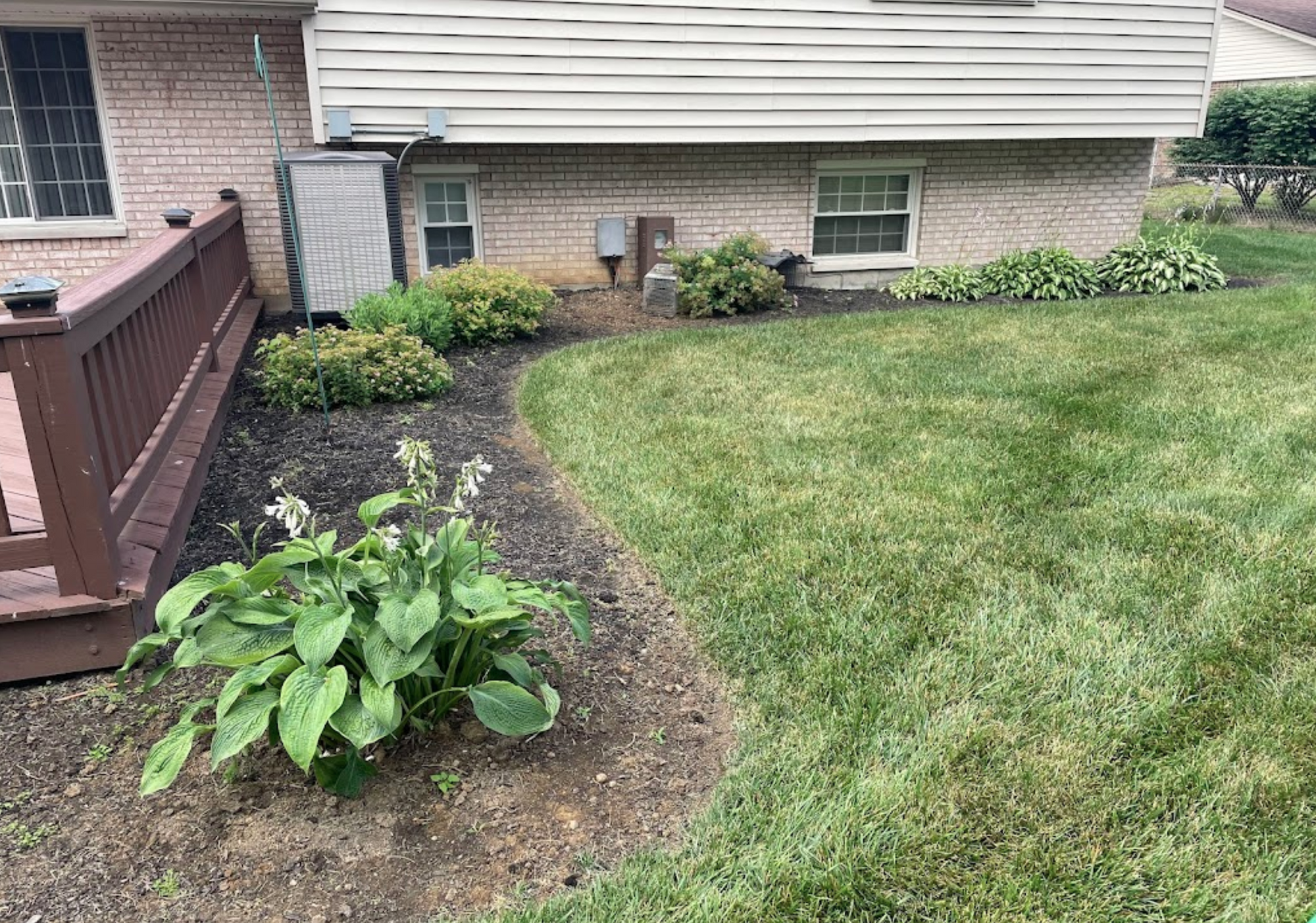
Warm brown double shredded mulch with lasting color that looks freshly applied for weeks. Spreads smooth, stays put, and gives beds a natural, polished appearance.
I highly recommend Mulch Mound. The quality of the mulch is very good. The ordering system on their website makes it very easy. The delivery driver did a great job placing the mulch on the driveway. To finish off, the pricing was very reasonable as well.
Tell us what you're looking for
Thanks! We received your request.
Something went wrong. Please try again.
How Much Material Do I Need?
For New London's sandy loam soil, aim for two to three inches of mulch in planting beds and around tree bases to adequately buffer moisture loss between rain events. Beds in full sun or on slopes should lean toward the three-inch end of that range since both sun exposure and grade accelerate drying in well-drained soil.
Use our free mulch calculator
What is a yard?
A yard is approximately 27 cubic feet. As a general guideline, one yard of material can cover an area of about 100-160 square feet at a 2-3 inch depth.
We can't take orders for this right now. Tell us what you need and we'll get back to you.
What do you need?
Thanks! We received your request.
Something went wrong. Please try again.
Hand-picked local yards
4,000+ regional deliveries
Dedicated support
Why order through Mulch Mound
The best local mulch, without the guesswork.
We hand-pick and partner with the best yards in your region, keep only the ones our buyers rate well, and back each load with our guarantee.
Mulch Mound Guarantee
If your mulch isn't the quantity or quality you ordered, we'll make it right.
About this mulch
Warm brown double shredded mulch with lasting color that looks freshly applied for weeks. Spreads smooth, stays put, and gives beds a natural, polished appearance.
I highly recommend Mulch Mound. The quality of the mulch is very good. The ordering system on their website makes it very easy. The delivery driver did a great job placing the mulch on the driveway. To finish off, the pricing was very reasonable as well.
How Much Material Do I Need?
For New London's sandy loam soil, aim for two to three inches of mulch in planting beds and around tree bases to adequately buffer moisture loss between rain events. Beds in full sun or on slopes should lean toward the three-inch end of that range since both sun exposure and grade accelerate drying in well-drained soil.
Use our free mulch calculator
What is a yard?
A yard is approximately 27 cubic feet. As a general guideline, one yard of material can cover an area of about 100-160 square feet at a 2-3 inch depth.
I highly recommend Mulch Mound. The quality of the mulch is very good. The ordering system on their website makes it very easy. The delivery driver...
Read full review
I highly recommend Mulch Mound. The quality of the mulch is very good. The ordering system on their website makes it very easy. The delivery driver did a great job placing the mulch on the driveway. To finish off, the pricing was very reasonable as well.
They offered a quick turnaround and delivered high quality mulch at a reasonable price. They also dropped it off exactly where I told them to put i...
Read full review
They offered a quick turnaround and delivered high quality mulch at a reasonable price. They also dropped it off exactly where I told them to put it. Good service!
To estimate how much mulch you need for your New London beds, measure the length and width of each area in feet and multiply to get square footage, then divide by 100 to get the cubic yards needed for a two-inch layer. Sandy loam soil dries quickly, so erring toward a three-inch depth in full-sun beds is a smart adjustment for New London properties. Ordering slightly more than your calculation suggests is worthwhile because the active zone 7a growing season often calls for a mid-summer refresh in high-traffic or heavily sun-exposed areas.
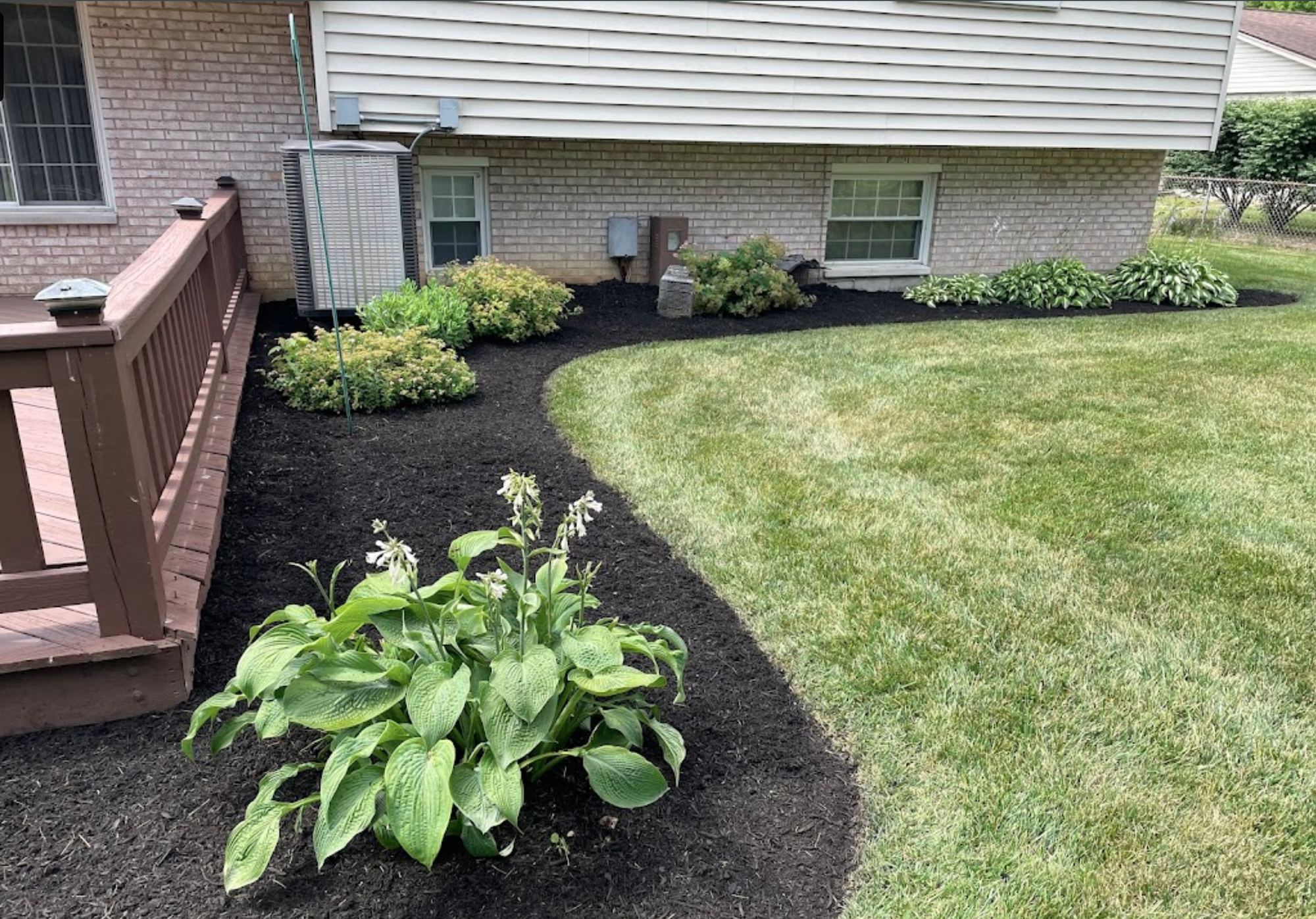
Mulch vs. No Mulch: The Difference
New London's 50 inches of annual rainfall combined with warm zone 7a summers means organic mulch breaks down at a moderate to fast pace, which benefits your sandy loam soil over time but also means natural mulch needs more frequent replenishment than in drier climates. Dyed or color-enhanced mulches use a colorfast binder that slows decomposition slightly, so they hold their appearance longer through the season but contribute a bit less organic material to the soil as they age. For New London homeowners focused on long-term soil health and building organic matter in sandy loam, natural hardwood mulch is the stronger investment, while dyed options work best in highly visible front yard beds where color consistency through summer matters most.
Before
After
Best Mulch Choice for New London Lawns
Most yards in the New London area sit on Sandy Loam type of soil. New London's sandy loam soil drains water so readily that plant beds can become moisture-stressed within just a day or two of a dry spell, even in a climate that receives generous annual rainfall. Getting the right mulch down at the correct depth early in the season is one of the most effective ways to counteract this challenge without increasing irrigation frequency.
Hardwood Mulch
Hardwood mulch is particularly well suited to New London's sandy loam beds because as it decomposes it contributes lignin-rich organic material that binds sandy particles together and improves the soil's water-holding capacity over time. After one to two full seasons of hardwood mulch breaking down into your beds, the soil beneath will hold moisture noticeably longer between watering sessions and rain events.
Mulch Types We Deliver in New London
Ordering bulk mulch delivery in New London means getting exactly the cubic yards you need, dropped at your driveway and ready to spread. This part of Connecticut brings humid summers and cool springs that benefit plantings of all kinds. We carry several varieties to match your beds, your home style, and your budget.
Dyed Black Mulch
Dyed black is the most popular choice for homeowners who want bold contrast against green plantings and stone edging. Available in double shredded for easy spreading or triple shredded for a finer finish, it holds its deep color through Connecticut's rainy springs and warm, humid summers.
Natural Brown Mulch
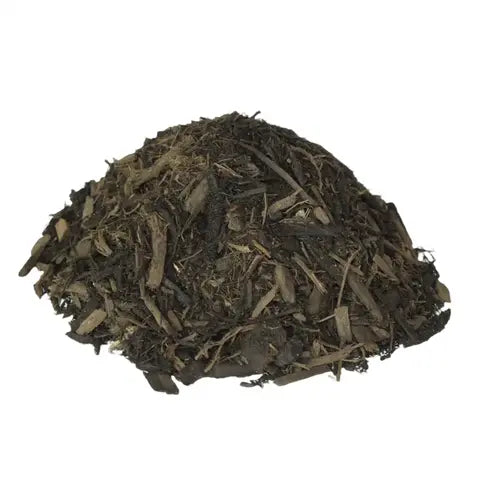
Natural brown mulch has a warm, undyed tone that blends naturally with the wooded setting and mature trees common in this corner of Connecticut. Choose double shredded for general coverage or triple shredded for a smoother look. It breaks down gradually to feed the soil over time.
Dyed Brown Mulch
Dyed brown offers richer color that outlasts natural varieties while keeping the same earthy, familiar tone. It comes in double or triple shredded styles and suits the traditional home styles and established plantings common throughout the region. Color stays strong through weeks of sun and rain.
Dyed Red Mulch
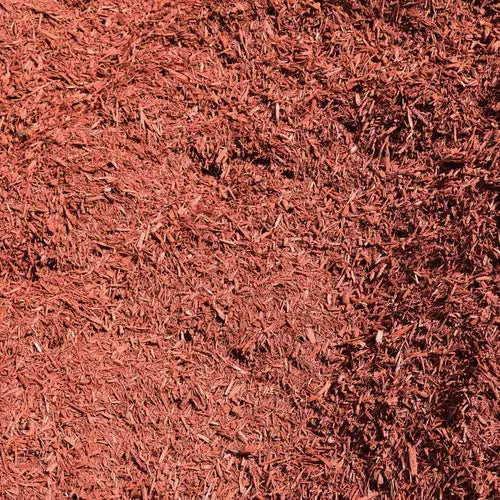
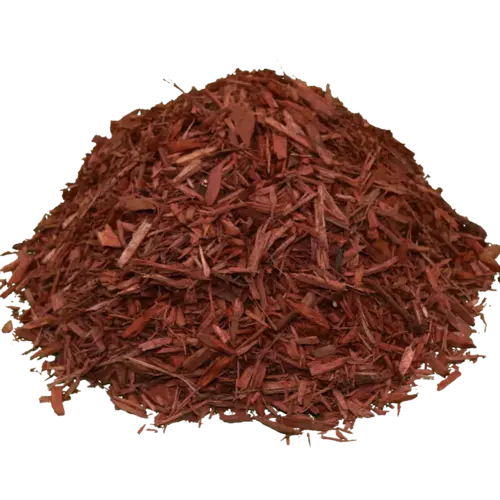
Dyed red adds a warm brick tone that creates strong contrast against the dark greens and stone facades common on coastal Connecticut properties. Available in double or triple shredded, it holds vibrant color through humid summers and makes borders and front garden beds stand out.
Complete Your Outdoor Mulch Project
If your beds need more than a surface layer, pairing mulch with a quality garden soil amendment helps rebuild the organic matter that New London's sandy loam naturally lacks and gives plant roots a more nutrient-dense environment to grow into. Adding a decorative stone border or gravel edge also keeps mulch contained during the heavy rain events common across coastal Connecticut, protecting your beds from washout.
New London's last frost falls around April 11, but sandy loam soil warms up faster than clay-based soils because it drains and dries more quickly after cold weather. This means you can apply spring mulch a bit earlier than gardeners in heavier-soil regions without worrying about trapping cold against root systems. Aim for early to mid-April when nighttime temperatures consistently stay above 40 degrees, giving your emerging perennials a comfortable and protected start to the growing season.
Mulch Mound Pro Tip
If you have trees with surface roots, which is common in New London's sandy, well-drained soil where shallow rooting is encouraged by rapid drainage below, avoid mounding mulch against the trunk in a volcano shape. Keep mulch pulled back a few inches from the bark and spread it in a flat, even layer across the root zone instead. This approach protects roots from temperature swings without creating the moist, airless conditions at the bark that invite fungal issues during New London's warm and humid summers.
Mulch Mound Pro Tip
With 50 inches of annual rainfall in New London, runoff can be a real issue in sloped beds where sandy loam offers little resistance to moving water. Using a coarser hardwood mulch in sloped areas helps anchor the material in place far better than finely shredded varieties that lift and migrate easily. Applying a slightly thicker three-inch layer on slopes also reduces the erosion effect of heavy downpours that move through coastal Connecticut, particularly during the late summer storm season when single rain events can deposit several inches quickly.
Frequently Asked Questions
Click a question to see the answer
Answer
How often should I replace mulch in my New London garden beds?
In New London's climate, organic mulch typically breaks down within 12 to 18 months due to the combination of 50 inches of annual rainfall and warm zone 7a summers. You do not always need to remove old mulch entirely. Instead, rake it to check the depth and top off with a fresh inch or two each spring after the last frost around April 11 has passed. If the bottom layer has already decomposed into a dark, crumbly material, that is actually improving your sandy loam soil over time and does not need to be removed.
Answer
What depth of mulch should I apply to my flower beds in New London?
For most New London flower beds, two to three inches is the right depth. Sandy loam drains quickly, so you want enough mulch to retain moisture between rain events, but not so much that you smother shallow-rooted perennials or create overly wet conditions against plant stems. Avoid piling mulch against trunks or stems, as New London's humid summers can create rot conditions in those tight, airless spots.
Answer
Will mulch actually help with the weeds that keep coming back in my sandy soil?
Yes, and weed control is especially important in sandy loam like New London's because that soil type allows weed seeds to germinate and establish quickly without much resistance. A consistent two to three inch layer blocks sunlight from reaching seeds at the soil surface. Applying mulch in late April, after the last frost around April 11, gives you a head start on the weed season before the heat of June arrives and weed pressure intensifies.
Answer
Does colored mulch last as long as natural mulch in New London's rainy climate?
Dyed mulches are colorfast for most of a season, but New London's 50 inches of annual rainfall does accelerate fading compared to drier regions. Color typically holds well through summer and begins to mellow by early fall. If consistent curb appeal matters, a mid-season thin top layer is an easy fix. Natural hardwood mulch weathers to a warm gray-brown that many homeowners in New London find equally attractive by late summer, and it contributes more organic material to your sandy loam as it breaks down.
Answer
When is the best time of year to put down mulch in New London?
Spring is the most productive window, ideally after the ground has warmed past the last frost around April 11 but before the heat of June sets in. Mulching in spring locks in the moisture from April rain events and gives plants a strong start to the zone 7a growing season. A second application in late October, just before the first frost around October 31, helps insulate perennial roots through the winter and reduces freeze-thaw stress on shallow root systems.
Answer
Can too much mulch cause problems in sandy loam soil?
Yes, and it is a common mistake in New London gardens. Sandy loam already drains well, so a mulch layer that is too thick can create a dense mat that sheds water rather than absorbing it, defeating the purpose entirely. Keep the layer at two to three inches for consistent performance. On the other end, too thin a layer dries out quickly between New London's rain events and provides almost no weed suppression, so depth consistency matters.
Answer
Is it worth applying mulch right before a forecasted rain storm?
It is actually a great time to apply. With New London averaging 50 inches of rain annually, rainfall events are frequent, and fresh mulch will immediately begin slowing surface runoff and pushing moisture down into your sandy loam root zone. Just make sure the layer is spread evenly and not piled so thick that it floats or shifts during a heavy downpour, which can leave uneven bare patches across your beds.
The Unique Landscape of New London
New London's sandy loam soil drains water quickly, which means plant beds can dry out within just a day or two of a rain event, even in a climate that receives 50 inches of rainfall per year. Moisture swings between wet and dry cycles stress roots, invite weed germination into bare soil, and make it difficult for plants to establish themselves reliably. A consistent layer of mulch acts as a buffer between the soil and the air, slowing evaporation and giving roots a more stable moisture environment between storms. New London's zone 7a climate also brings noticeable temperature swings around the first frost on October 31 and the last frost on April 11, and mulch helps moderate those transitions for perennial root systems. Over time, organic mulch breaking down into sandy loam gradually adds the organic matter this soil type naturally lacks, slowly improving water retention season after season. Getting the right mulch in place early in the season is one of the most cost-effective ways to protect and improve a New London landscape.