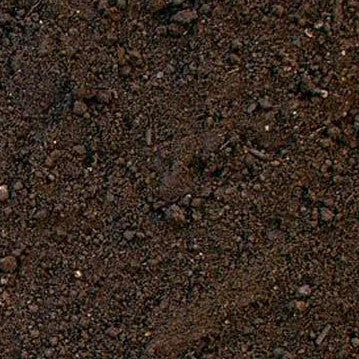
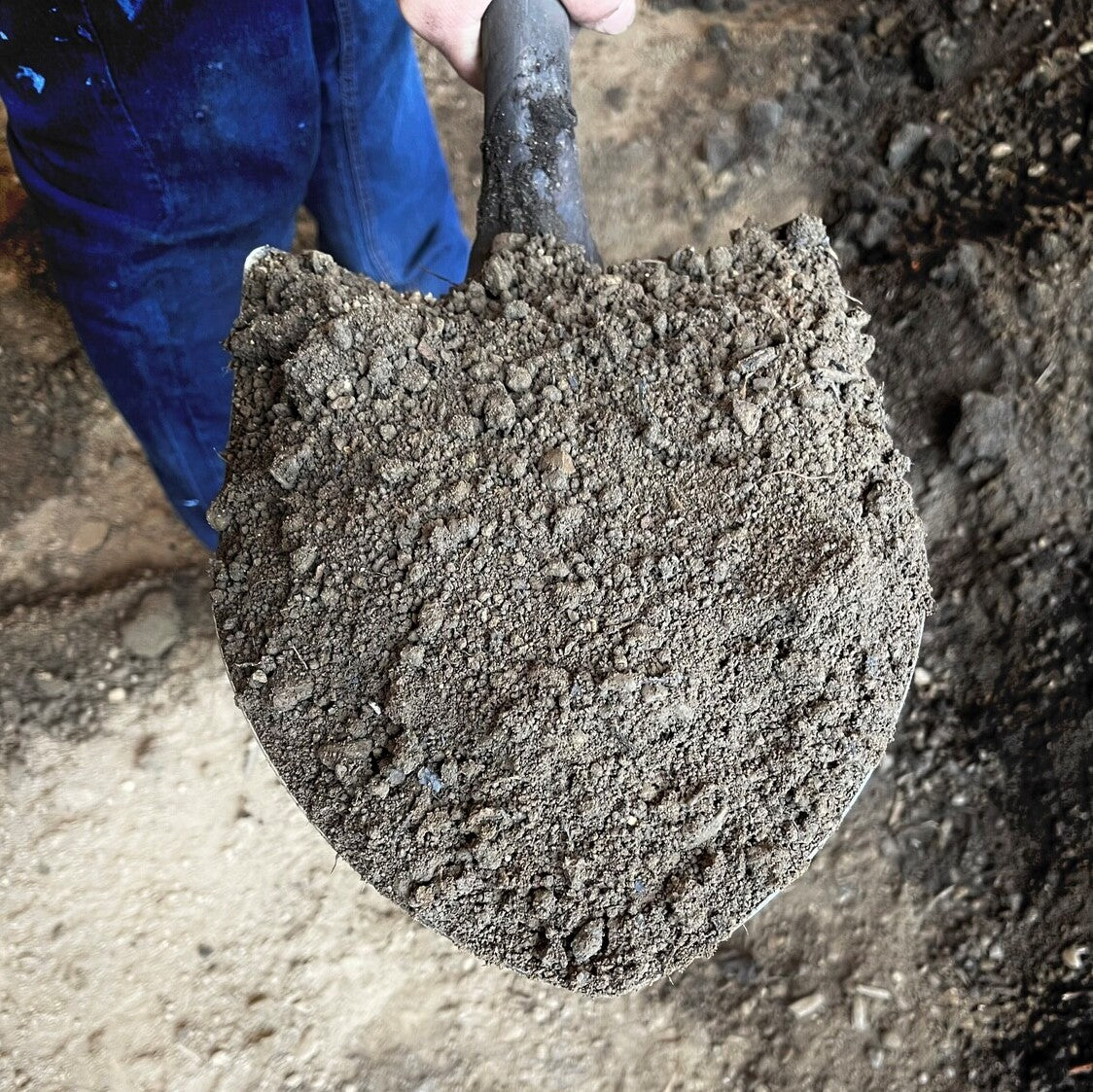
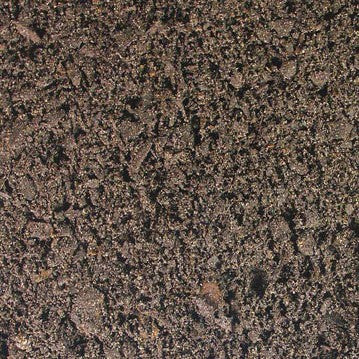
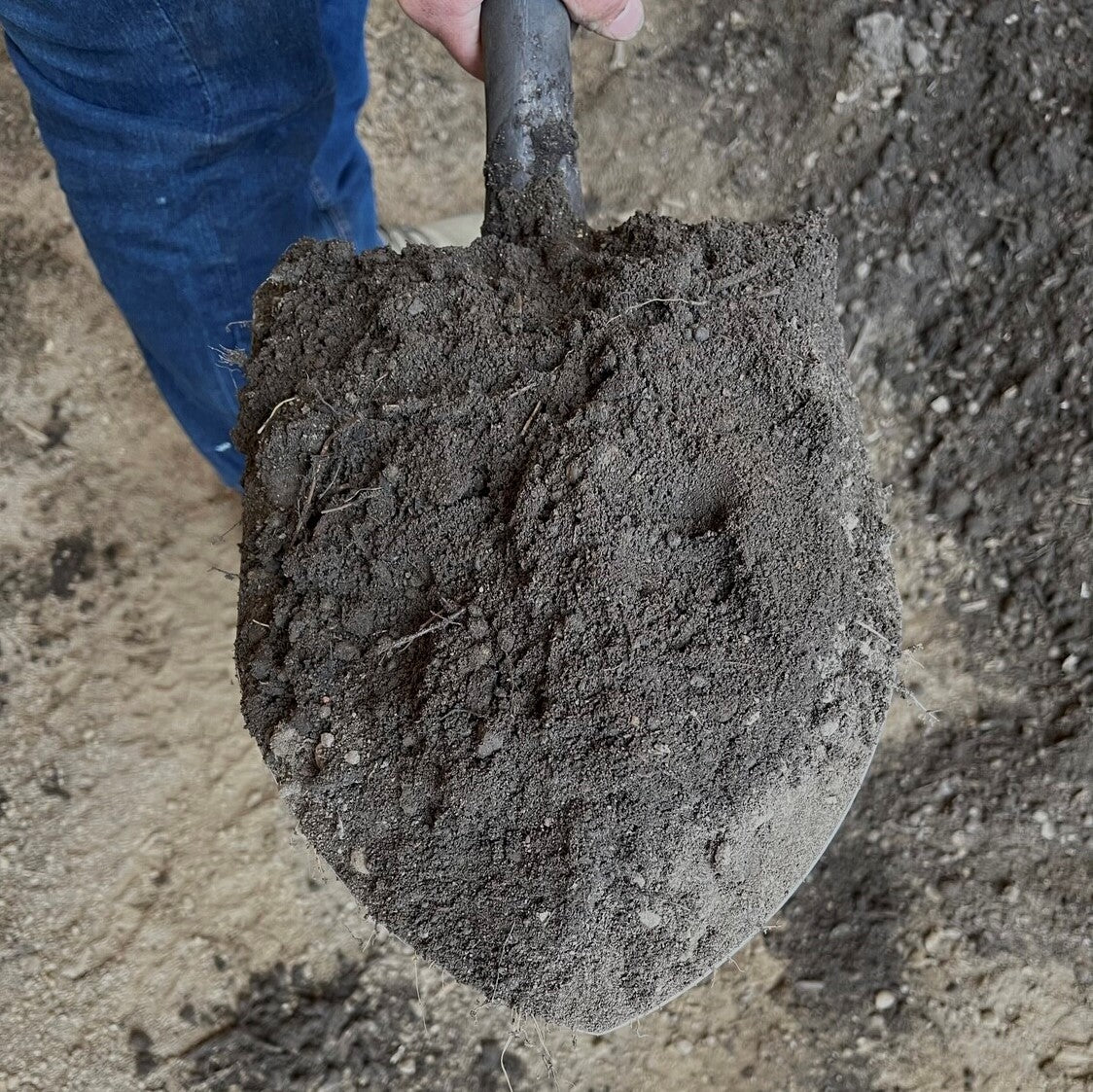
We ordered 3 yards of the garden soil, delivered mext day. We used in raised beds 6x3x2. It was more than needed for both but the soil looked good! I added some perlite to add some drainage since this is a little dense.
Tell us what you're looking for
Thanks! We received your request.
Something went wrong. Please try again.
How Much Material Do I Need?
For raised garden beds in New London, plan on at least 12 inches of quality soil to give zone 7a plants an unrestricted root zone through the warm growing season. For lawn leveling over sandy loam, one to two inches of topdressing is usually adequate for minor grade corrections, though deeper depressions may need four to six inches of fill before reseeding.
Use our free soil calculator
What is a yard?
A yard is approximately 27 cubic feet. As a general guideline, one yard of material can cover an area of about 10 feet by 10 feet at a few inches deep.
We ordered 3 yards of the garden soil, delivered mext day. We used in raised beds 6x3x2. It was more than needed for both but the soil looked good! I added some perlite to add some drainage since this is a little dense.
How Much Material Do I Need?
For raised garden beds in New London, plan on at least 12 inches of quality soil to give zone 7a plants an unrestricted root zone through the warm growing season. For lawn leveling over sandy loam, one to two inches of topdressing is usually adequate for minor grade corrections, though deeper depressions may need four to six inches of fill before reseeding.
Use our free soil calculator
What is a yard?
A yard is approximately 27 cubic feet. As a general guideline, one yard of material can cover an area of about 10 feet by 10 feet at a few inches deep.
We ordered 3 yards of the garden soil, delivered mext day. We used in raised beds 6x3x2. It was more than needed for both but the soil looked good!...
Read full review
We ordered 3 yards of the garden soil, delivered mext day. We used in raised beds 6x3x2. It was more than needed for both but the soil looked good! I added some perlite to add some drainage since this is a little dense.
To calculate how much soil you need for a raised bed or new garden area in New London, multiply the length by the width by the planned depth in feet to get cubic feet, then divide by 27 to convert to cubic yards. A 10-by-4-foot raised bed filled to 12 inches deep requires about 1.5 cubic yards of material. Given that New London's zone 7a growing season runs from roughly April through October, sizing your beds generously from the start gives plants the full root depth they need to produce well across the entire season.
Soil Types We Deliver in New London
Mulch Mound delivers bulk soil by the cubic yard to homes and properties throughout New London, Connecticut. Whether you are refreshing tired garden beds, grading a new lawn, or building up raised planters, having the right soil brought to your door saves time and effort. Our varieties are well matched to the thin, sandy, glacially deposited ground common along the Connecticut shoreline, giving you a productive base to work with from day one.
Screened Top Soil
Our screened topsoil is blended with organic compost and arrives ready to use straight from delivery. It works especially well for establishing new lawns and filling garden beds in the coastal Connecticut climate, where native soils often run thin and drain quickly. The fine, uniform texture makes grading and spreading straightforward.
Gardening Blend Soil
This versatile mix is engineered for balanced drainage and steady nutrient content, making it a practical choice for flowers, vegetables, and general landscaping around the older residential properties common in this part of Connecticut. It holds up reliably through the region's wet springs and warm humid summers, supporting healthy root development from the first season.
Garden Compost
Rich with organic matter and thoroughly screened, this compost is ideal for feeding established plantings and improving soil biology in the lean, well drained ground found throughout coastal southeastern Connecticut. Adding it to existing beds each season builds long term fertility and noticeably improves moisture retention between rainfalls.
Complete Your Outdoor Soil Project
Pairing new garden soil with a mulch layer on top prevents the soil surface from drying out between New London's rain events and suppresses the weeds that germinate quickly in loose, fertile material. If you are also grading or defining a new bed edge, a decorative stone border helps contain soil during heavy rain and gives the finished landscape a clean and permanent structure.
My New London yard has sandy loam soil. Do I need to bring in new soil or can I just amend what is already there?
It depends on the scope of the project. For existing garden beds, working compost or a premium garden blend into your native sandy loam can meaningfully improve nutrient retention and moisture capacity without a full soil replacement. But for raised beds, new lawn areas, or grade corrections across a larger area, bringing in a dedicated topsoil or garden soil product gives you a more consistent and predictable starting point than trying to modify variable native soil at scale.
Answer
How much soil do I need to level out a low spot in my New London lawn?
For minor dips and low spots, a topdressing of one to two inches of soil is usually sufficient and allows existing grass to grow through without being smothered. For deeper depressions, four to six inches of fill soil before reseeding is more appropriate. Sandy loam lawns in zone 7a actually level and recover fairly well because the open soil structure allows new roots to push through without much resistance, especially when the work is done in the active growing season between April and September.
Answer
When is the best time to prep garden beds with new soil in New London?
The two best windows are early spring, starting around mid-April after the last frost on April 11, and early fall in September. Spring bed prep lets you get new plants into fresh, nutrient-rich soil right at the beginning of the zone 7a growing season. Fall prep gives soil time to settle and weather over winter so it is ready to plant the moment spring arrives. Avoid working soil when it is saturated after a heavy rain, which is a realistic concern in New London given the area's 50-inch annual rainfall total.
Answer
Will bulk topsoil help fix areas in my yard where water pools after rain?
In New London, pooling is more often a grading issue than a soil composition issue, since sandy loam drains well by its nature. If low spots are collecting water after the region's frequent rain events, bringing in topsoil to raise and regrade those areas is a practical and lasting fix. Pairing the new soil with a gravel base in the most problematic spots creates a more permanent drainage improvement that handles even heavy summer downpours.
Answer
What is the difference between topsoil and garden soil, and which one do I need?
Topsoil is a general-purpose fill material best used for grading, leveling, and building up low areas in your New London yard. Garden soil is a richer blend that includes compost and added nutrients, specifically formulated for planting beds and raised gardens where plants need more from the soil than structural support. Because New London's native sandy loam already drains well but tends to be low in organic matter, using a garden blend in active planting areas gives plants the nutrient density that sandy loam alone cannot reliably sustain through a full growing season.
Answer
Can I fill raised garden beds with bulk delivered soil?
Absolutely, and raised beds are especially popular in New London precisely because the native sandy loam, while easy to work, does not hold nutrients and moisture as well as a curated garden blend. Filling raised beds with a quality soil product gives you complete control over fertility and drainage from the start of the first season. Aim for at least 12 inches of soil depth in raised beds so plant roots have plenty of room to develop through the full length of the zone 7a growing season.
Answer
How soon after delivery can I plant in freshly delivered bulk soil?
For raised beds and garden areas, you can typically plant within one to two days after the soil is delivered and spread, particularly during New London's spring season when zone 7a conditions are warming steadily after April 11. Water the new soil once before planting so it firms up slightly and settles around root balls. If you are using the soil as a lawn topdressing, wait a few days before seeding to let the fresh material integrate with the existing surface and reduce the risk of seed washing during a rain event.
Mulch Mound Pro Tip
New London's growing season runs from roughly April 11 through October 31, giving you about six and a half months of active growing time in zone 7a. To make the most of that window, prepare new soil beds in early April so they are ready to receive plants the moment frost risk passes. Pre-wetting the soil the day before planting helps it settle and conform around new root balls rather than pulling moisture away from them during the first critical days of establishment.
Mulch Mound Pro Tip
Sandy loam in New London can lose soluble nutrients faster than heavier soils because water moves through it more quickly, carrying nitrogen and other nutrients deeper than plant roots can follow. When you bring in bulk topsoil or garden blend, consider adding a layer of compost on top of the beds each fall after the growing season ends. This annual habit slowly builds organic matter and soil structure over multiple years and reduces your need to supplement with fertilizer during the zone 7a growing season.
Mulch Mound Pro Tip
New London receives 50 inches of rain per year, which sounds like more than enough moisture for any garden, but sandy loam can drain so quickly after a storm that shallow-rooted plants in new beds are left dry again within a day or two. When filling raised beds or deep planting areas, choose a garden soil blend that includes a meaningful percentage of compost, which slows drainage just enough to give roots time to absorb moisture before it moves out of the root zone. Checking soil moisture two days after a heavy rain is one of the most useful habits a New London gardener can develop when working with fast-draining native or imported soil.
The Unique Landscape of New London
New London's native sandy loam soil is workable and easy to dig, but those same qualities that make it manageable also make it quick to dry out and slow to hold the nutrients that garden plants need through a full growing season. If you are building raised beds, leveling a lawn, or preparing new planting areas, bringing in quality topsoil or garden blend gives you a reliable foundation that is not subject to the variable organic content found in native sandy loam across different parts of the property. At an elevation of 103 feet with coastal influences, New London properties can also experience wind-driven surface drying in exposed beds, making a rich and moisture-retentive soil mix especially valuable in those areas. Zone 7a's growing window runs from roughly April 11 through October 31, and well-prepared soil gives plants the nutrient base they need to perform across that full six-and-a-half-month season. With 50 inches of annual rainfall, drainage is usually not the primary concern in New London, but soil quality directly affects whether rain percolates productively into the root zone or carries nutrients out of sandy loam too quickly. Investing in a quality soil product pays dividends across multiple seasons as it gradually builds organic structure in your beds year over year.