Mulch Mound delivered a yard of pea gravel to us. Delivery was on time, driver was friendly and hit a bullseye on the “tarp target”. We used the pea gravel (which was diameter as specified) to fill several muskrat holes around our pond. I would definitely recommend Mulch Mo...
Tell us what you're looking for
Thanks! We received your request.
Something went wrong. Please try again.
How Much Material Do I Need?
For most planted beds in Newark, a 3-inch depth strikes the right balance between moisture retention and air circulation in gravelly loam soils. Pathways and playground areas can go up to 4 inches, while topdressing an existing mulch layer typically only needs 1 to 2 inches to freshen the appearance and restore coverage.
Use our free mulch calculator
What is a yard?
A yard is approximately 27 cubic feet. As a general guideline, one yard of material can cover an area of about 100-160 square feet at a 2-3 inch depth.
Mulch Mound delivered a yard of pea gravel to us. Delivery was on time, driver was friendly and hit a bullseye on the “tarp target”. We used the pea gravel (which was diameter as specified) to fill several muskrat holes around our pond. I would definitely recommend Mulch Mo...
How Much Material Do I Need?
For most planted beds in Newark, a 3-inch depth strikes the right balance between moisture retention and air circulation in gravelly loam soils. Pathways and playground areas can go up to 4 inches, while topdressing an existing mulch layer typically only needs 1 to 2 inches to freshen the appearance and restore coverage.
Use our free mulch calculator
What is a yard?
A yard is approximately 27 cubic feet. As a general guideline, one yard of material can cover an area of about 100-160 square feet at a 2-3 inch depth.
Mulch Mound delivered a yard of pea gravel to us. Delivery was on time, driver was friendly and hit a bullseye on the “tarp target”. We used the ...
Read full review
Mulch Mound delivered a yard of pea gravel to us. Delivery was on time, driver was friendly and hit a bullseye on the “tarp target”. We used the pea gravel (which was diameter as specified) to fill several muskrat holes around our pond. I would definitely recommend Mulch Mound to a friend!
I can’t say enough good things about Mulch Mound! If you read my review below you will see I had a problem with my order. Mulch Mou...
Read full review
UPDATE!
I can’t say enough good things about Mulch Mound! If you read my review below you will see I had a problem with my order. Mulch Mound was quick to respond and solved the issue with my delivery. Will definitely be a customer next year.
First time purchase from Mulch Mound!! First what I liked! Easy to order online and straight forward pricing and delivery. The driver was on time and courteous and delivered my Mulch exactly where I requested! The product is of good quality and comparable to others I have purchased from before. Now what I DID’NT LIKE! I have been mulching the same house and yard for almost 20 years. I always order the same amount and don’t have any issues with covering the same area but this year I fell about a yard short. I was home when the mulch was delivered and when the driver dumped it I noticed that it seemed a bit less than I was used to. I didn’t apply it any thicker than usual and probably a bit thinner than usual because I was worried about running out.
Before placing your order, walk your beds with a tape measure and record the length and width of each area in feet. Multiply length by width, then divide by 12 and multiply by your desired depth in inches to get cubic feet, then divide by 27 to convert to cubic yards. Newark yards often have irregular shapes around utility boxes and sidewalk cutouts, so sketch each section separately and add the totals together for a more accurate order.
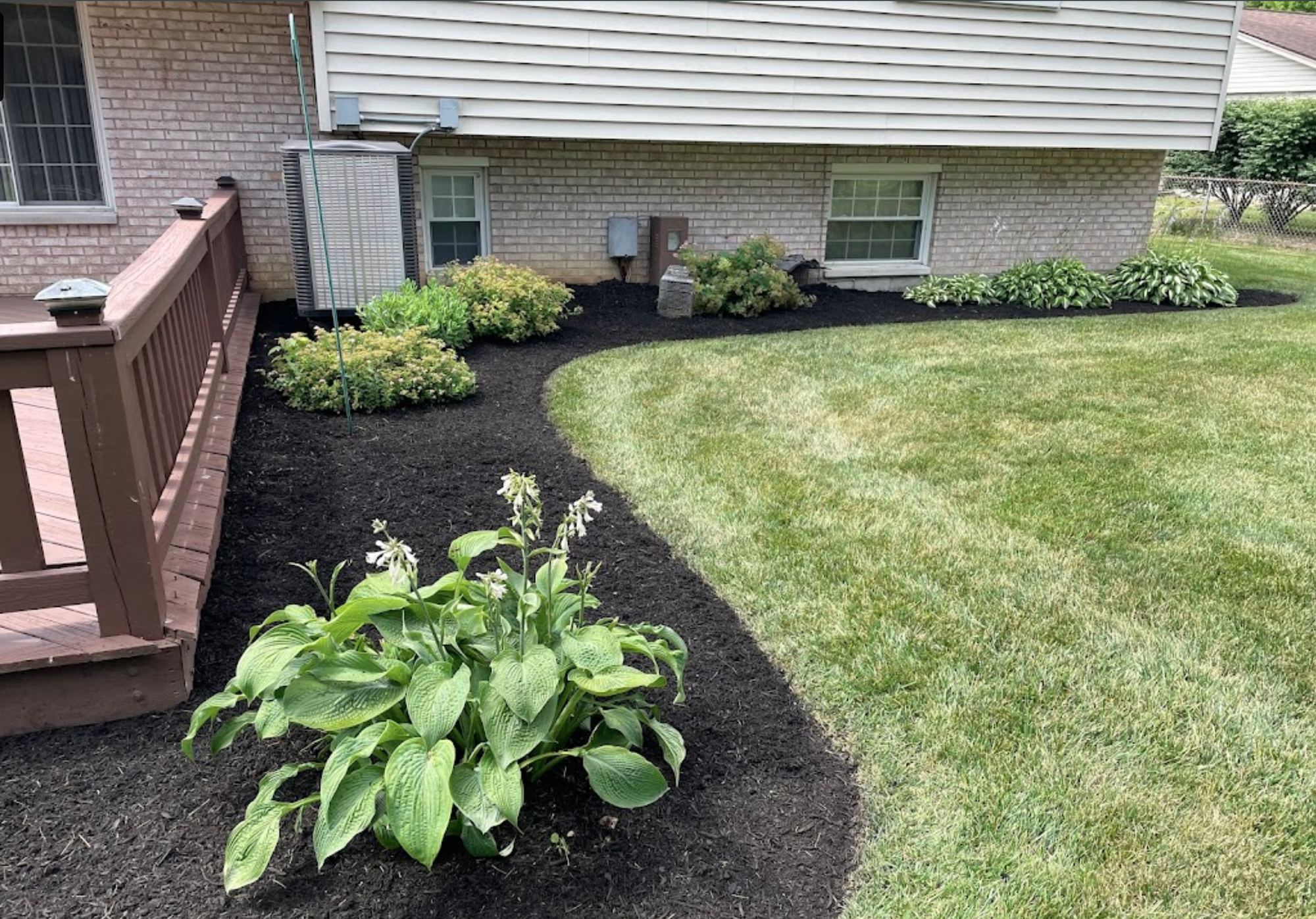
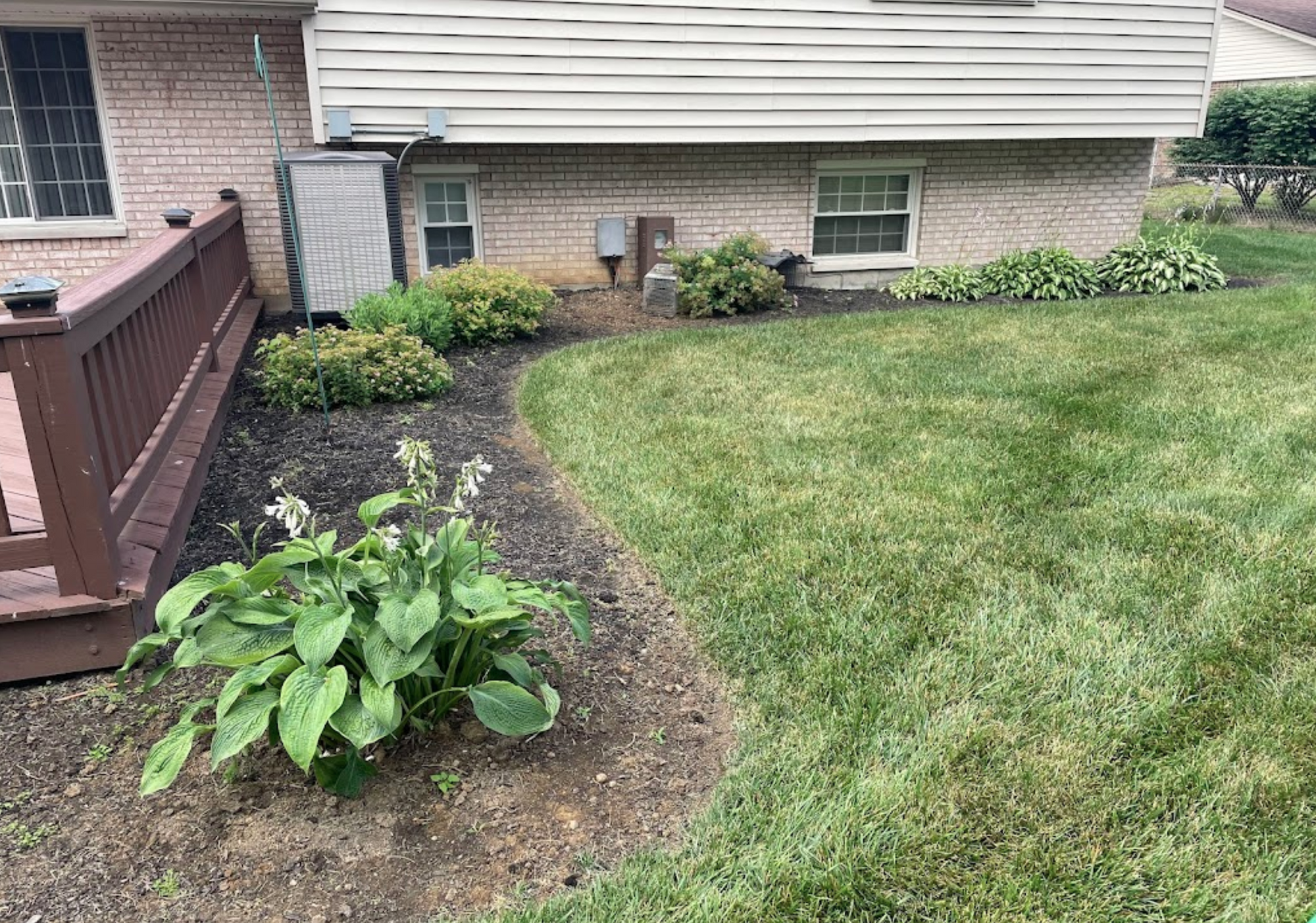
Mulch vs. No Mulch: The Difference
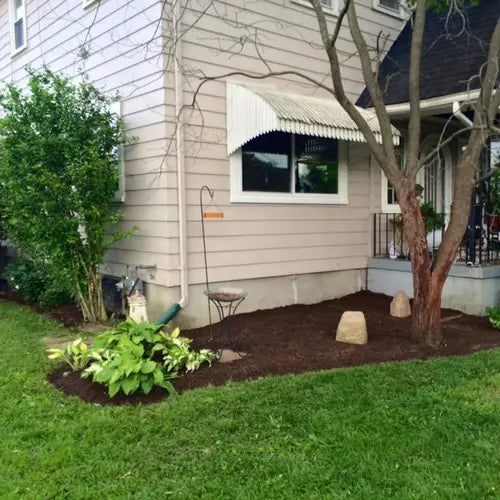
Newark's Zone 7b climate accelerates the breakdown of organic mulch more than many homeowners expect, because warm summers and wet springs create near-ideal conditions for microbial activity in the mulch layer. That faster decomposition means you get more organic matter feeding your soil over time, but it also means budget for reapplication roughly every 12 to 18 months rather than every two to three years as you might in a cooler region. Choosing a denser, double-ground hardwood product gives you a longer effective lifespan than single-ground or softwood alternatives in Newark's conditions.
Before
After
Best Mulch Choice for Newark Lawns
Most yards in the Newark area sit on type of soil. Newark's native gravelly loam soil has a naturally coarse texture that allows water to move through quickly, leaving plant roots with less available moisture than they need during the city's warm growing season. Organic mulch placed over gravelly loam acts as a sponge layer that intercepts rainfall and irrigation water before it percolates away, giving roots a longer window to absorb what they need.
Hardwood Mulch
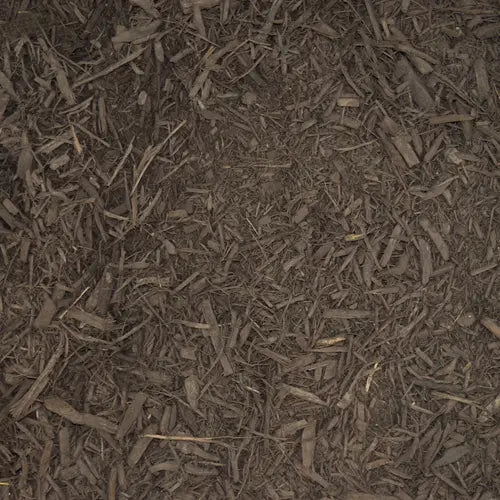
Hardwood mulch is particularly well suited to Newark's gravelly loam because as it decomposes it contributes humus and binds with fine particles in the soil, gradually improving its ability to hold both moisture and nutrients. Over several seasons of annual topdressing, Newark gardeners often notice measurable improvements in soil structure directly beneath where hardwood mulch has been applied consistently.
Complete Your Outdoor Mulch Project
Pairing bulk mulch with a quality garden soil or compost blend is especially effective in Newark, where native gravelly loam benefits from added organic matter worked into the top few inches before mulch goes down. Browse our soil and stone options to round out your project with material delivered on the same schedule.
Mulch Mound Pro Tip
Newark's urban heat island effect means your paved surroundings absorb and radiate extra warmth through the summer, pushing soil temperatures higher than surrounding suburban areas. To counteract this, use a slightly thicker mulch layer of 3.5 inches in beds that sit adjacent to concrete sidewalks or asphalt driveways. That extra half inch makes a measurable difference in soil moisture retention during Newark's hottest weeks, reducing how often you need to water established plantings.
Mulch Mound Pro Tip
Newark receives a significant portion of its 46 inches of annual rainfall in intense spring storms that can displace loose mulch from beds along sidewalks and street edges. After delivery, use a garden rake to tuck the edges of your mulch layer slightly inward at the bed border rather than leaving it flush with the curb or pavement. This small step keeps your material in place during heavy rain and reduces the amount that washes into Newark's storm drains.
Mulch Mound Pro Tip
Because Newark's growing season runs a generous 218 days from late March to early November, your mulch layer works hard for a long time. Check coverage in mid-July, when soil temperatures peak and decomposition accelerates fastest in Zone 7b conditions. If you can see soil through thin spots, a quick topdress of an inch or so will restore protection without requiring a full reorder, keeping your beds insulated through the rest of the warm season.
Frequently Asked Questions
Click a question to see the answer
Answer
How thick should I spread mulch in Newark given how fast our gravelly soil dries out in summer?
Newark's gravelly loam drains quickly, so aim for a 3-inch layer in most planted beds. That depth retains enough moisture to carry plants through a dry July stretch without creating the waterlogged conditions that heavier clays might. Avoid piling mulch against plant stems, and keep the layer even rather than mounding it up in the center of beds.
Answer
When is the best time of year to mulch in Newark?
The most effective window in Newark is mid-April through early May, after the ground has warmed past the March 30 average last frost date but before summer heat sets in. A second application in late October, just before the November 4 average first frost, helps insulate roots through winter. Mulching in these two windows gives you the biggest return on the material you order.
Answer
Will mulch attract termites or carpenter ants near my row house foundation?
This is a real concern in densely built Newark neighborhoods where homes sit close together and foundations are old. Keep mulch pulled back at least 6 inches from your foundation and avoid letting it touch wood siding or framing. Mulch itself does not attract termites, but damp organic material close to a foundation creates conditions they can exploit, so maintaining that gap is the key precaution.
Answer
How much mulch do I actually need for a typical Newark row house side yard?
A narrow side yard strip measuring 4 feet wide by 30 feet long at a 3-inch depth needs about 1.1 cubic yards. A front bed that is 5 feet deep and 20 feet wide at the same depth needs roughly 0.9 cubic yards. Our online calculator lets you enter your actual dimensions and will round up to account for settling, which is especially helpful in Newark's gravelly soils where mulch can compress more quickly than expected.
Answer
Does the type of mulch matter for the ornamental trees planted along Newark streets and in small front yards?
Yes, it matters quite a bit. For street trees and ornamental specimens in small front yards, shredded hardwood mulch is a better choice than wood chips because it knits together and resists the wind that moves through Newark's urban corridors. Apply it in a wide, shallow ring around the tree rather than a deep volcano mound, keeping it 3 to 4 inches away from the trunk to prevent moisture-related bark decay.
Answer
How often will I need to reapply mulch in Newark's climate?
In Newark's Zone 7b conditions, most organic mulches break down noticeably within 12 to 18 months. The combination of warm, humid summers and freeze-thaw cycles in winter accelerates decomposition. Plan on topping off beds each spring and doing a light refresh in fall. The breakdown is actually beneficial over time because decomposed mulch adds organic matter to Newark's gravelly loam, gradually improving its structure.
Answer
Can I mulch over weeds that are already growing in my Newark garden beds?
You can suppress emerging annual weeds with a fresh 3-inch layer, but established perennial weeds like the bindweed and nutsedge common in Newark lots will push right through. Pull or smother those first with cardboard or newspaper, then apply your mulch on top. The cardboard layer biodegrades within one season while blocking light long enough to kill off most of what is underneath.
The Unique Landscape of Newark
Newark sits in USDA Hardiness Zone 7b, which means your landscape endures hot, humid summers and cold winters that swing hard enough to stress exposed plant roots year after year. The city's native gravelly loam drains quickly, which sounds helpful until a dry July arrives and your shrub beds lose moisture faster than you can water them. Mulch acts as a thermal and moisture buffer, keeping soil temperatures more stable during the stretch between Newark's last frost around March 30 and its first frost around November 4. With roughly 46 inches of annual rainfall spread unevenly across the seasons, mulch also slows surface runoff and gives water time to soak into your beds rather than sheeting off. For Newark homeowners dealing with compacted urban soils, aging row-house garden strips, or newly graded yards, a consistent mulch layer is one of the most practical investments you can make.