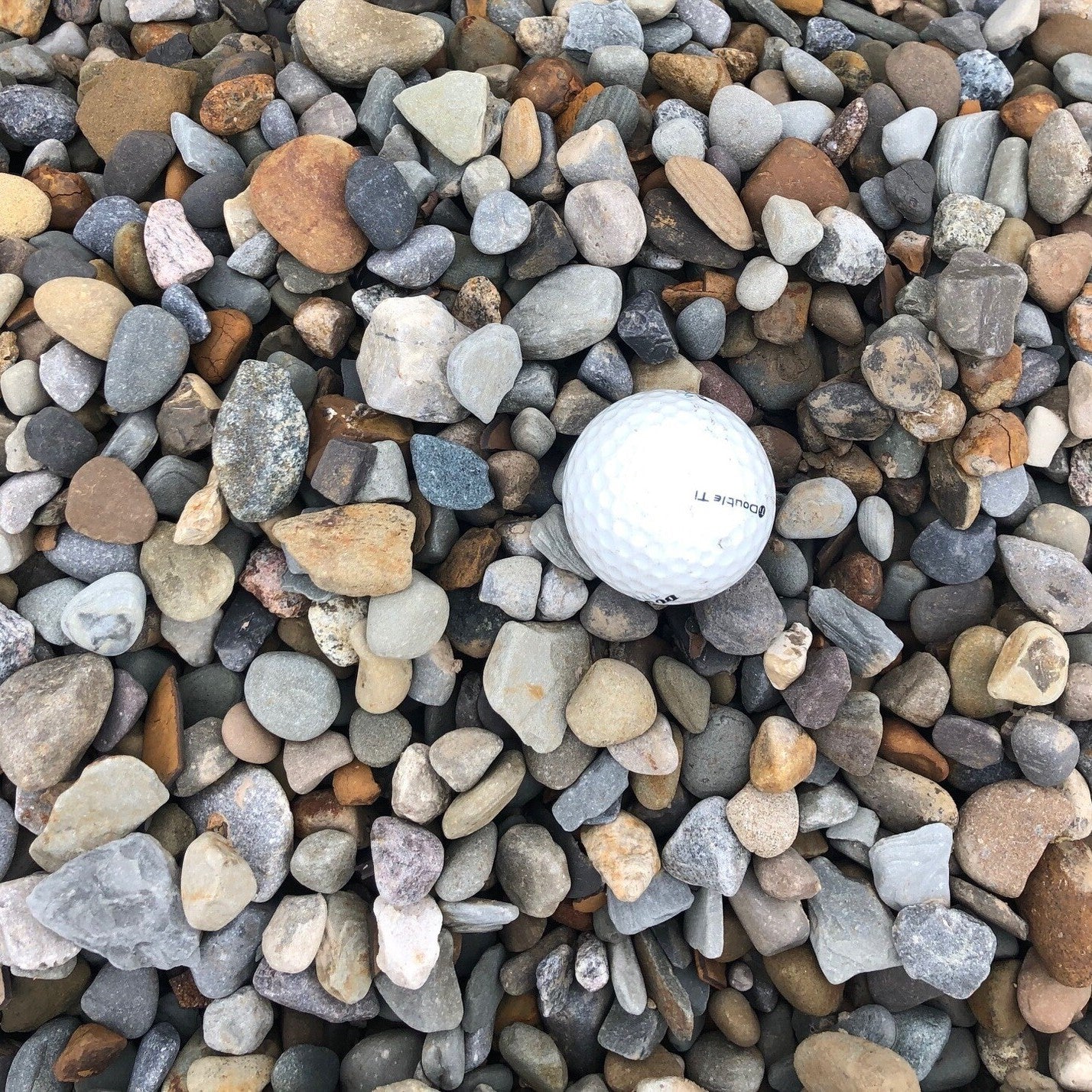
Number 57 crushed stone, angular limestone graded to about three quarters of an inch. The standard driveway, base and drainage gravel, it locks together under traffic and drains fast.
I contacted Mulch Mound for #57 river rocks and it was easy and fast to get a delivery right before the holiday weekend. Stone was delivered as promised and place exactly where I asked. Excellent service! I will be ordering mulch next!
Tell us what you're looking for
Thanks! We received your request.
Something went wrong. Please try again.
How Much Material Do I Need?
Decorative stone beds and garden pathways in Newark typically need 2 to 3 inches of depth for effective coverage and weed suppression, while structural applications like French drains and driveway bases require 4 to 6 inches of compacted material. Drainage swales and infiltration beds vary by design, so consult the dimensions of your specific project before ordering.
Use our free gravel calculator
What is a Yard?
A yard is approximately 27 cubic feet. As a general guideline, one yard of material can cover an area of about 100-160 square feet at a 2-3 inch depth.
We can't take orders for this right now. Tell us what you need and we'll get back to you.
What do you need?
Thanks! We received your request.
Something went wrong. Please try again.
Hand-picked local yards
4,000+ regional deliveries
Dedicated support
Why order through Mulch Mound
The best local , without the guesswork.
We hand-pick and partner with the best yards in your region, keep only the ones our buyers rate well, and back each load with our guarantee.
Mulch Mound Guarantee
If your isn't the quantity or quality you ordered, we'll make it right.
About this stone
Number 57 crushed stone, angular limestone graded to about three quarters of an inch. The standard driveway, base and drainage gravel, it locks together under traffic and drains fast.
I contacted Mulch Mound for #57 river rocks and it was easy and fast to get a delivery right before the holiday weekend. Stone was delivered as promised and place exactly where I asked. Excellent service! I will be ordering mulch next!
How Much Material Do I Need?
Decorative stone beds and garden pathways in Newark typically need 2 to 3 inches of depth for effective coverage and weed suppression, while structural applications like French drains and driveway bases require 4 to 6 inches of compacted material. Drainage swales and infiltration beds vary by design, so consult the dimensions of your specific project before ordering.
Use our free gravel calculator
What is a Yard?
A yard is approximately 27 cubic feet. As a general guideline, one yard of material can cover an area of about 100-160 square feet at a 2-3 inch depth.
I contacted Mulch Mound for #57 river rocks and it was easy and fast to get a delivery right before the holiday weekend. Stone was delivered as pro...
Read full review
I contacted Mulch Mound for #57 river rocks and it was easy and fast to get a delivery right before the holiday weekend. Stone was delivered as promised and place exactly where I asked. Excellent service! I will be ordering mulch next!
For stone projects, measure your area in feet and decide on your desired depth, then use our calculator to get your cubic yard total. Remember that compacted or screened stone settles about 10 to 15 percent after installation and foot or vehicle traffic, so build that factor into your order by adding 15 percent to the calculated amount. Newark pathways and drainage beds that are not adequately filled look thin quickly after the first winter frost heave and settling cycle.
Complete Your Outdoor Stone Project
Many Newark stone projects benefit from a base layer of stone dust or compacted crushed stone beneath the decorative surface material, so consider adding that to your order when you book. Pairing a stone bed installation with a fresh mulch order for adjacent planted areas lets you complete the look of your yard in a single delivery visit.
Newark's urban environment means your stone surfaces will accumulate debris, including leaf litter, city dust, and organic matter blown from neighboring properties, faster than suburban installations. Choose a lighter, angular crushed stone for high-visibility front yard areas if low maintenance is a priority, because angular stone shows debris less than rounded pea gravel and is easier to blow clean with a leaf blower in fall. River rock and flat fieldstone hold leaves in their gaps, which means a bit more raking each November before Newark's first frost arrives.
Mulch Mound Pro Tip
When installing stone near Newark's older row house foundations, take extra care to slope the stone bed or path surface away from the building at a gentle grade. Newark's annual rainfall of 46 inches means improperly graded stone can direct water toward century-old foundations that were not built to handle concentrated surface flow. A 1-inch drop for every 10 feet of horizontal distance is enough to redirect water safely away from the structure and toward your yard's permeable areas or a designated drainage point.
Mulch Mound Pro Tip
For Newark homeowners replacing a small turf strip or side yard with decorative stone, invest in steel or aluminum landscape edging before spreading any material. The edging contains your stone at the border with sidewalk, curb, and grass areas, preventing the creep that sends gravel into Newark's storm drains or onto neighboring property over time. Set the edging slightly below pavement grade so it does not create a trip hazard, and secure it with stakes every 18 inches to hold it firm through freeze-thaw movement in Newark's winter months.
The Unique Landscape of Newark
In Newark's dense urban landscape, decorative and functional stone serves purposes that go well beyond appearance, from managing stormwater runoff on impervious lots to creating durable, low-maintenance surfaces that hold up through Zone 7b's freeze-thaw cycles. Newark receives 46 inches of rain annually, and much of that water falls on hardscape, roofs, and compacted ground that cannot absorb it, making permeable stone pathways and drainage beds a practical infrastructure choice for residential properties. The city's gravelly loam base is moderately stable for stone installation, but frost heave during December through March can shift surface materials unless they are set on a properly prepared base. Decorative stone also eliminates the mowing and edging demands of turf in the narrow side yards, utility strips, and front areas common to Newark's row house neighborhoods. Whether you are installing a gravel driveway apron, a river rock drainage swale, or a pea stone garden bed, bulk stone delivery makes projects that would otherwise require dozens of heavy bags both practical and affordable.
Frequently Asked Questions
Click a question to see the answer
Answer
What size gravel should I use for a pathway between my row house and the fence in Newark?
For a narrow side yard path in Newark, pea gravel or a 3/8-inch crushed stone works best because both are comfortable to walk on and compact enough to stay in place. Pea gravel shifts underfoot more than angular crushed stone, so if your path gets heavy use or connects a gate to a back entry, the angular option gives a firmer surface. Either way, set the stone on a 2 to 3 inch compacted stone dust or sand base to keep it from working down into Newark's gravelly loam over time.
Answer
Will decorative stone get pushed out of place by Newark's winter freeze-thaw cycles?
Surface stone does shift somewhat during freeze-thaw cycles, especially from December through March when Newark ground temperatures fluctuate across the freezing point repeatedly. The best prevention is proper edge containment using metal or plastic landscape edging set at grade and a compacted base layer beneath the decorative stone. Loose stone in garden beds without edging migrates most noticeably, so budget for occasional raking and redistribution each spring after the ground thaws.
Answer
Can I use bulk stone to help manage drainage in a Newark backyard that floods in heavy rain?
Yes, and this is one of the most practical uses of bulk stone in Newark's urban landscape context. A French drain filled with washed drainage stone, a dry creek bed lined with river rock, or a gravel infiltration basin can all redirect and slow stormwater significantly. Given Newark's 46 inches of annual rainfall and the prevalence of impervious surfaces in the city, stone-based drainage solutions often outperform turf or mulch beds in areas that receive concentrated runoff from roofs and pavement.
Answer
How deep should I lay stone in a Newark front yard bed to keep weeds from coming through?
A 2 to 3 inch layer of decorative stone over landscape fabric is the standard recommendation for Newark front yard beds, but the fabric does more work than the depth alone. Without fabric, even 4 inches of stone will allow weed seeds carried by Newark's urban wind to germinate in debris that collects between the stones. With a good-quality woven fabric pinned flat beneath the stone layer, most homeowners see dramatically reduced weed pressure for three to five years before the fabric needs replacement.
Answer
Is there a stone option that works well for a driveway apron or parking pad in Newark?
Crushed stone in the 3/4-inch or 1-inch size range is the standard choice for driveway aprons and parking areas in Newark because the angular edges lock together under vehicle traffic and resist rutting. A compacted base of 4 to 6 inches of crushed stone topped with 2 inches of finer material gives you a stable surface that also allows some stormwater infiltration, which is especially valuable on Newark lots with limited permeable area. Check local Newark zoning regulations for any impervious surface limits before finalizing the design.
Answer
How much stone do I need to line a 40-foot drainage swale in my Newark backyard?
A simple v-shaped or flat-bottom swale that is 40 feet long, 2 feet wide, and lined with 3 inches of river rock would need approximately 0.74 cubic yards of stone. If you are building a deeper swale or lining the sides as well as the bottom, increase that estimate accordingly. Our calculator handles swale and channel shapes so you can enter your actual dimensions and get a precise number before ordering.
Answer
What is the difference between pea gravel and river rock for a Newark garden bed?
Pea gravel is smaller, typically 3/8 inch, smooth, and works well in tight planting areas and pathways where a finer, more uniform look is desired. River rock is larger, ranging from 1 to 3 inches typically, and makes a bolder visual statement in open beds and around specimen plants. In Newark's urban setting, river rock is also heavier and less likely to scatter onto sidewalks or into storm drains during heavy rain, making it a lower-maintenance choice for exposed front yard beds along busy streets.
Answer
Is there a stone yard near Newark?
Building a drainage bed or permeable pathway to handle Newark's 46 inches of yearly rain is a common reason to need crushed stone, and there is no need to hunt down a stone yard for it. Mulch Mound delivers it by the cubic yard to your driveway, so you skip the trip to a quarry entirely.