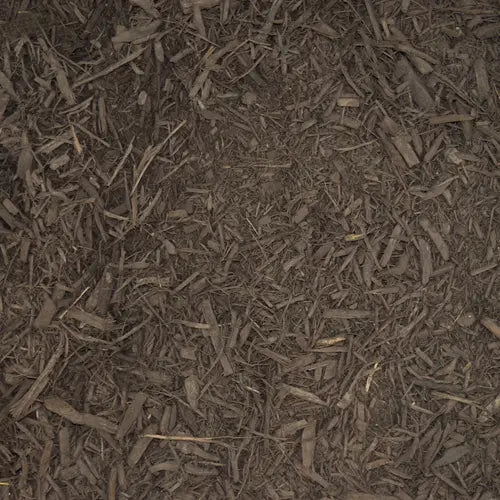
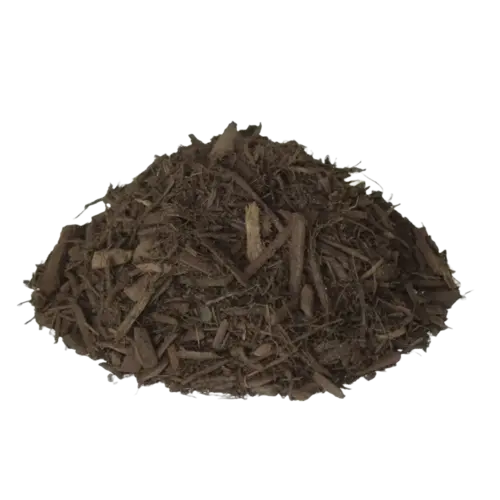
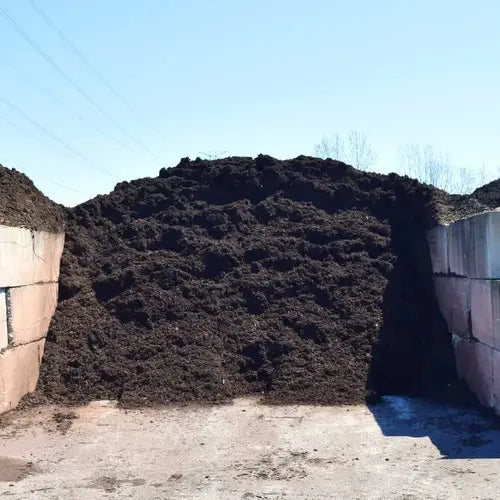
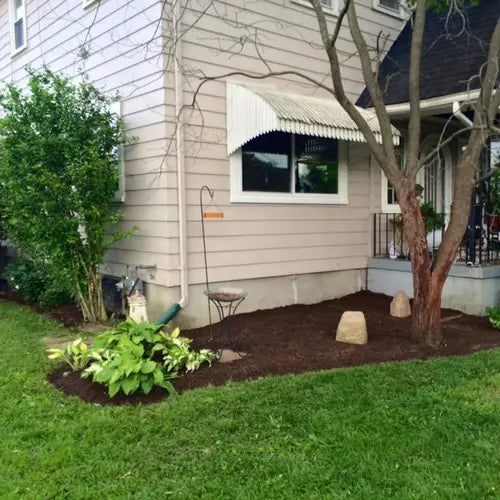
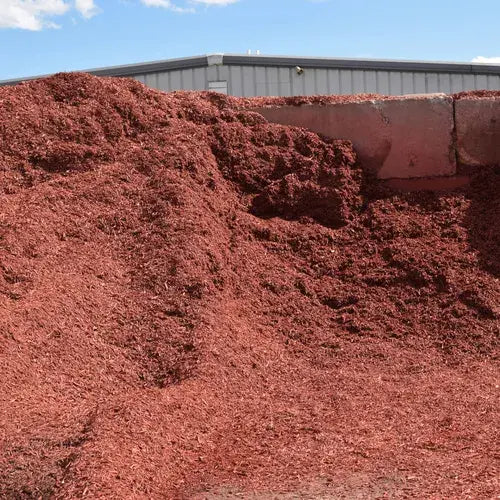
Warm brown double shredded mulch with lasting color that looks freshly applied for weeks. Spreads smooth, stays put, and gives beds a natural, polished appearance.
Great experience! Easy to order, they delivered promptly and were very respectful of the property! Ordered the triple shredded brown mulch and it was EXACTLY what I wanted. Very clean product too, no garbage or filler. Already put these guys in my calendar to order from next y...
Tell us what you're looking for
Thanks! We received your request.
Something went wrong. Please try again.
How Much Material Do I Need?
Plan on 3 inches of mulch depth for most ornamental beds in Newburyport, where silty loam holds moisture and can stay wet for extended periods after heavy rain. Shallower applications may not hold up through the wet season, and deeper applications risk waterlogging roots in already-moist soil.
Use our free mulch calculator
What is a yard?
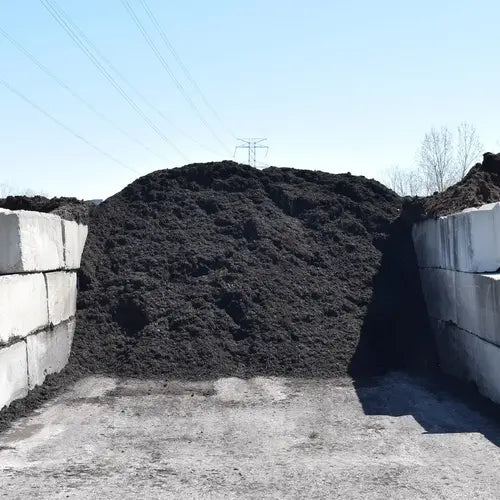
A yard is approximately 27 cubic feet. As a general guideline, one yard of material can cover an area of about 100-160 square feet at a 2-3 inch depth.
We can't take orders for this right now. Tell us what you need and we'll get back to you.
What do you need?
Thanks! We received your request.
Something went wrong. Please try again.
Hand-picked local yards
4,000+ regional deliveries
Dedicated support
Why order through Mulch Mound
The best local mulch, without the guesswork.
We hand-pick and partner with the best yards in your region, keep only the ones our buyers rate well, and back each load with our guarantee.
Mulch Mound Guarantee
If your mulch isn't the quantity or quality you ordered, we'll make it right.
About this mulch
Warm brown double shredded mulch with lasting color that looks freshly applied for weeks. Spreads smooth, stays put, and gives beds a natural, polished appearance.
Great experience! Easy to order, they delivered promptly and were very respectful of the property! Ordered the triple shredded brown mulch and it was EXACTLY what I wanted. Very clean product too, no garbage or filler. Already put these guys in my calendar to order from next y...
How Much Material Do I Need?
Plan on 3 inches of mulch depth for most ornamental beds in Newburyport, where silty loam holds moisture and can stay wet for extended periods after heavy rain. Shallower applications may not hold up through the wet season, and deeper applications risk waterlogging roots in already-moist soil.
Use our free mulch calculator
What is a yard?
A yard is approximately 27 cubic feet. As a general guideline, one yard of material can cover an area of about 100-160 square feet at a 2-3 inch depth.
Great experience! Easy to order, they delivered promptly and were very respectful of the property! Ordered the triple shredded brown mulch and it w...
Read full review
Great experience! Easy to order, they delivered promptly and were very respectful of the property! Ordered the triple shredded brown mulch and it was EXACTLY what I wanted. Very clean product too, no garbage or filler. Already put these guys in my calendar to order from next year! Keep up the good work.
Measure the length and width of each bed in feet, then multiply to get square footage. For Newburyport's frequently saturated silty loam soil, a 3-inch depth is the standard recommendation, so divide your total square footage by 108 to get the cubic yards you need. Adding up all your beds before ordering lets you take advantage of bulk pricing and avoid multiple smaller deliveries.
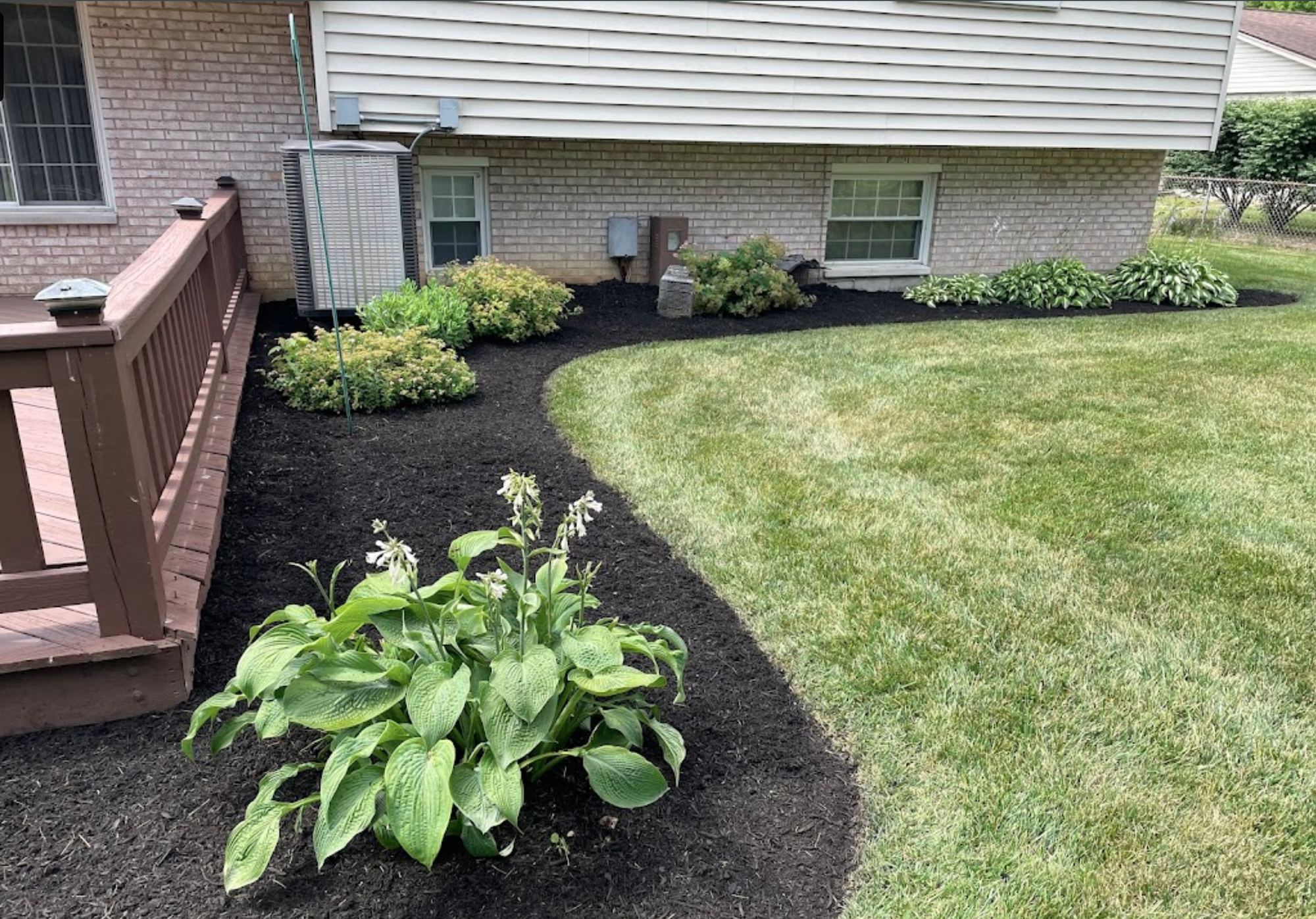
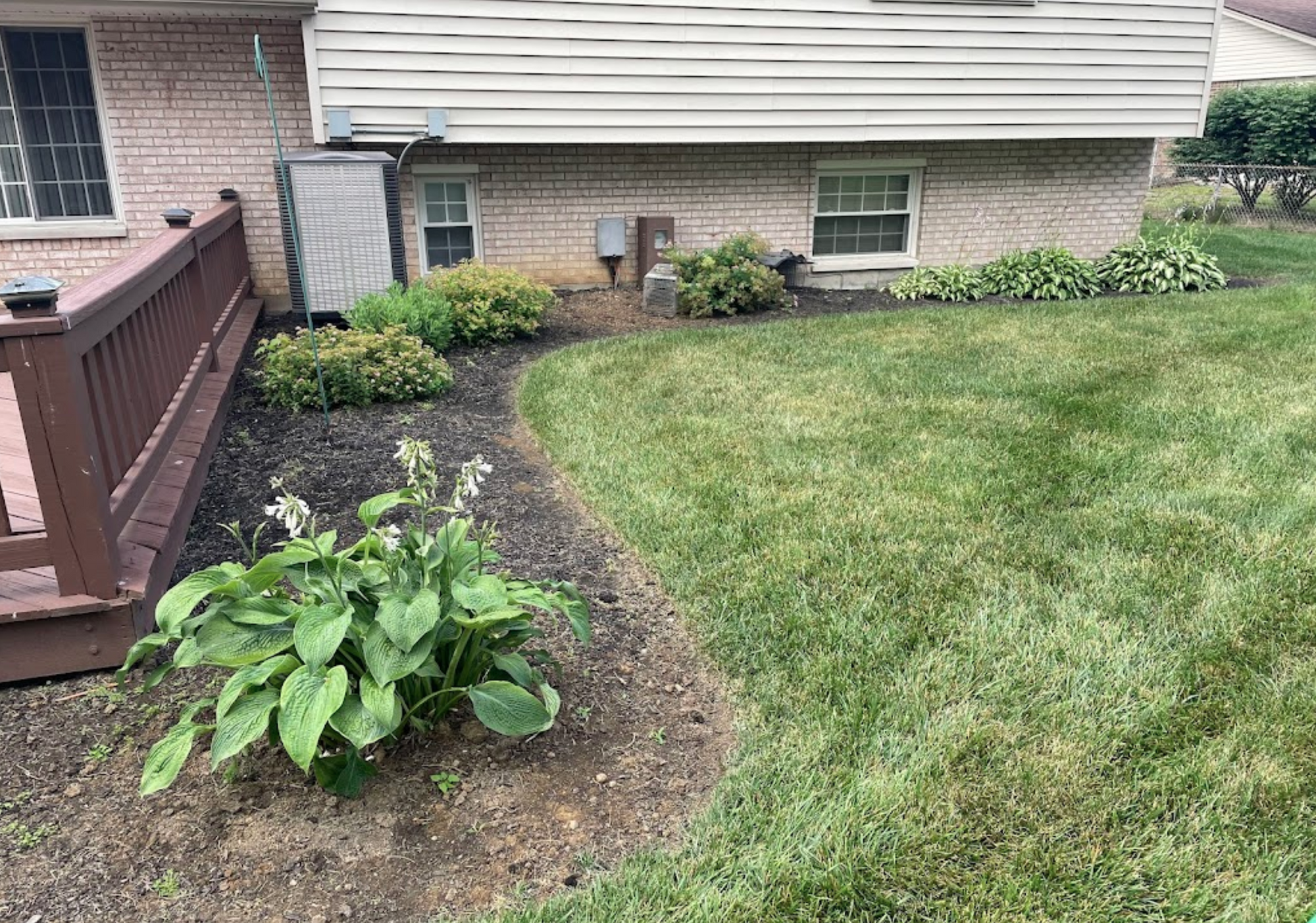
Mulch vs. No Mulch: The Difference
Newburyport's high annual rainfall and coastal humidity accelerate the breakdown of all organic mulches, but natural hardwood blends decompose into beneficial humus that improves silty loam structure over multiple seasons. Dyed mulches use colorfast pigments that hold their appearance longer through wet New England springs, making them a popular choice for front yard curb appeal on Newburyport's historic streets. Choosing between the two often comes down to whether you prioritize long-term soil improvement or consistent color through the long, rainy stretch from March through June.
Before
After
Best Mulch Choice for Newburyport Lawns
Most yards in the Newburyport area sit on Silty Loam type of soil. Newburyport's silty loam soil compacts easily under heavy rain and foot traffic, leaving plant beds with poor aeration and restricted drainage that stresses root systems throughout the growing season.
Hardwood Mulch
Hardwood mulch breaks down into fine organic matter that works into Newburyport's silty loam over each growing season, gradually improving its structure by adding pore space that allows both drainage and air circulation around plant roots in established garden beds.
Mulch Types We Deliver in Newburyport
Mulch Mound delivers bulk mulch by the cubic yard right to your door, making it simple to protect roots and refresh beds before the growing season. For anyone searching for bulk mulch delivery in Newburyport, we bring quality material straight to your driveway without the hassle of hauling bags.
Dyed Brown Mulch
Warm brown double shredded mulch is the top choice for homeowners who want a natural, finished look around their beds. The color holds through wet New England springs, and the smooth texture spreads cleanly around foundation plantings and perennial borders on classic Colonial and Cape-style homes.
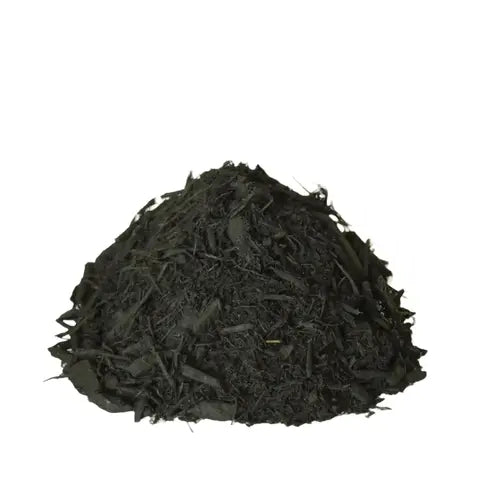
Dyed Black Mulch
Bold black double shredded mulch creates a striking contrast against green foliage in established coastal gardens. The rich color stays strong through sun and rain, making it popular for front-yard beds where visual definition complements historic architecture and mature plantings throughout the area.
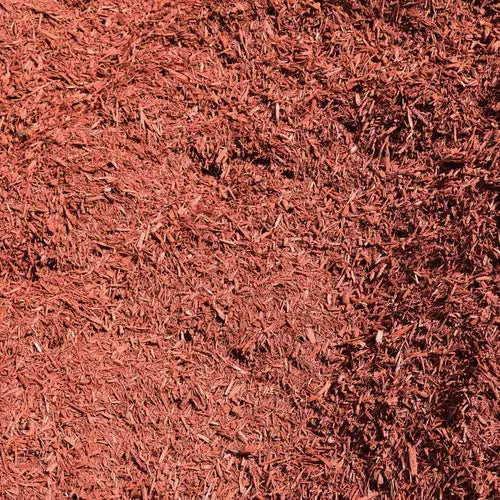
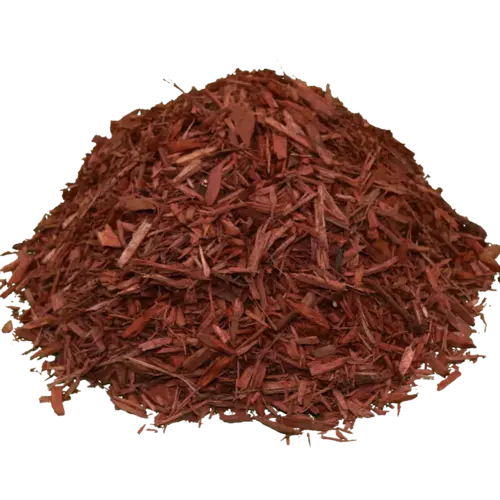
Dyed Red Mulch
Vibrant red double shredded mulch adds a bold pop of color to street-facing beds and open lawn borders. The hue holds through the season and stands out against the lush growth that coastal Massachusetts soils support, making it a strong pick when curb appeal matters most.
Playground Mulch
Standard cut playground mulch provides certified cushioning for backyard play areas and drains well in the wet conditions common along the Massachusetts coast. It reduces mud after rain and meets safety standards for impact absorption, making it the right fit for families with young children.
Complete Your Outdoor Mulch Project
If you are building new beds or leveling low spots before mulching, a load of bulk loam or garden soil from our selection will give you the right base layer for Newburyport's silty conditions. Pairing mulch with edging stone also keeps material in place during the heavy downpours that roll through the Merrimack Valley each year.
Pull mulch at least two inches away from plant stems and tree trunks. In Newburyport's damp coastal climate, mulch piled against woody tissue creates a moist pocket that invites fungal disease and crown rot. This is especially important from late fall through early spring when temperatures hover near freezing and moisture lingers in shaded spots for days at a time without drying out.
Mulch Mound Pro Tip
Apply a fresh layer of mulch in late October, just after Newburyport's first frost around October 10. That timing lets the ground freeze gradually rather than in a sudden hard freeze, which protects the root systems of perennials and shrubs through the winter. Pull the mulch back slightly in mid-May once the last frost has passed to let the soil warm up quickly for spring planting.
Mulch Mound Pro Tip
With 50 inches of rainfall annually, Newburyport beds can develop a compacted crust beneath old mulch as fine silty particles get pressed together by repeated rain impact. Before adding a fresh layer each spring, take a garden fork and lightly loosen that top inch of soil to restore drainage and aeration. Then apply new mulch on top to slow the compaction cycle from repeating as quickly during the wet months ahead.
Frequently Asked Questions
Click a question to see the answer
Answer
How thick should I apply mulch in my Newburyport garden beds?
In Newburyport's high-rainfall environment, 3 inches is the sweet spot for most ornamental beds. That depth is enough to suppress weeds and retain moisture during dry stretches between storms, but not so deep that it stays soggy and smothers roots in the silty loam soil beneath. Going much deeper than 3 inches in this climate risks keeping the soil too saturated for extended periods.
Answer
Will mulch help with the compaction problems in my Newburyport yard?
Yes, absolutely. Silty loam compacts readily under Newburyport's frequent rain events and foot traffic, and a mulch layer absorbs impact before it reaches the soil surface. As the mulch breaks down it also adds organic matter that loosens compacted silty loam over time, improving drainage and root penetration season after season.
Answer
When is the best time to apply mulch in Newburyport?
The most effective window is right after the last frost, which typically falls around May 13 in Newburyport. Applying mulch at that point locks in soil warmth, helps the ground reach planting temperature faster, and sets up beds for the full growing season before the first frost arrives around October 10. A light refresh in late October also helps protect perennial roots through winter.
Answer
How often do I need to reapply mulch given all the rain we get in Newburyport?
With 50 inches of annual rainfall, mulch breaks down faster in Newburyport than in drier climates. Plan on topping off beds each spring and doing a light refresh in early fall before frost. Hardwood mulch tends to hold together a bit longer than softwood blends in persistently wet conditions, making it a practical choice for Newburyport properties.
Answer
Is colored mulch safe to use in my vegetable garden near the Merrimack River?
Colored or dyed mulches are generally not recommended for vegetable beds because the pigments can leach into the soil over time. For food gardens in Newburyport, a natural hardwood or bark mulch is the better choice. Save the colored options for ornamental beds and foundation plantings where aesthetics matter most.
Answer
My Newburyport yard has deep shade from mature trees. Does that change which mulch I should choose?
Shady yards in Newburyport stay moist longer because they get less sun to dry them out, especially with 50 inches of annual rain soaking into the ground. A coarser bark mulch works better in those spots because it drains more freely and is less likely to mat down and stay wet against plant crowns. Avoid fine-textured mulches in areas of deep shade where air circulation is limited.
Answer
Will mulch help my plants deal with Newburyport's salt air off the coast?
Mulch does not block airborne salt directly, but it helps by keeping the root zone insulated and retaining consistent moisture, which reduces overall plant stress. Well-mulched plants in Newburyport's coastal environment bounce back from salt exposure more quickly than plants growing in bare, compacted soil with temperature extremes hitting roots directly.
The Unique Landscape of Newburyport
Newburyport's silty loam soil holds moisture well but compacts under foot traffic and heavy rainfall, making a proper mulch layer essential for keeping plant roots healthy through wet seasons. With 50 inches of rain falling annually, exposed beds wash out easily, carrying away nutrients and leaving soil crusted and dense between storms. A 3-inch mulch layer acts as a buffer, slowing runoff and letting water percolate into beds gradually rather than pooling on the surface. Newburyport's coastal proximity means salt-laden air can stress plants from early spring through late fall, and mulch helps moderate the soil temperature swings that come with ocean breezes off the Atlantic. The growing window here runs from the last frost around May 13 through the first frost around October 10, so getting mulch down early in spring locks in soil warmth and gives beds a head start on the season. Keeping that layer refreshed each year also protects roots through Newburyport's cold snaps, which can dip well below freezing even in Zone 6b.