
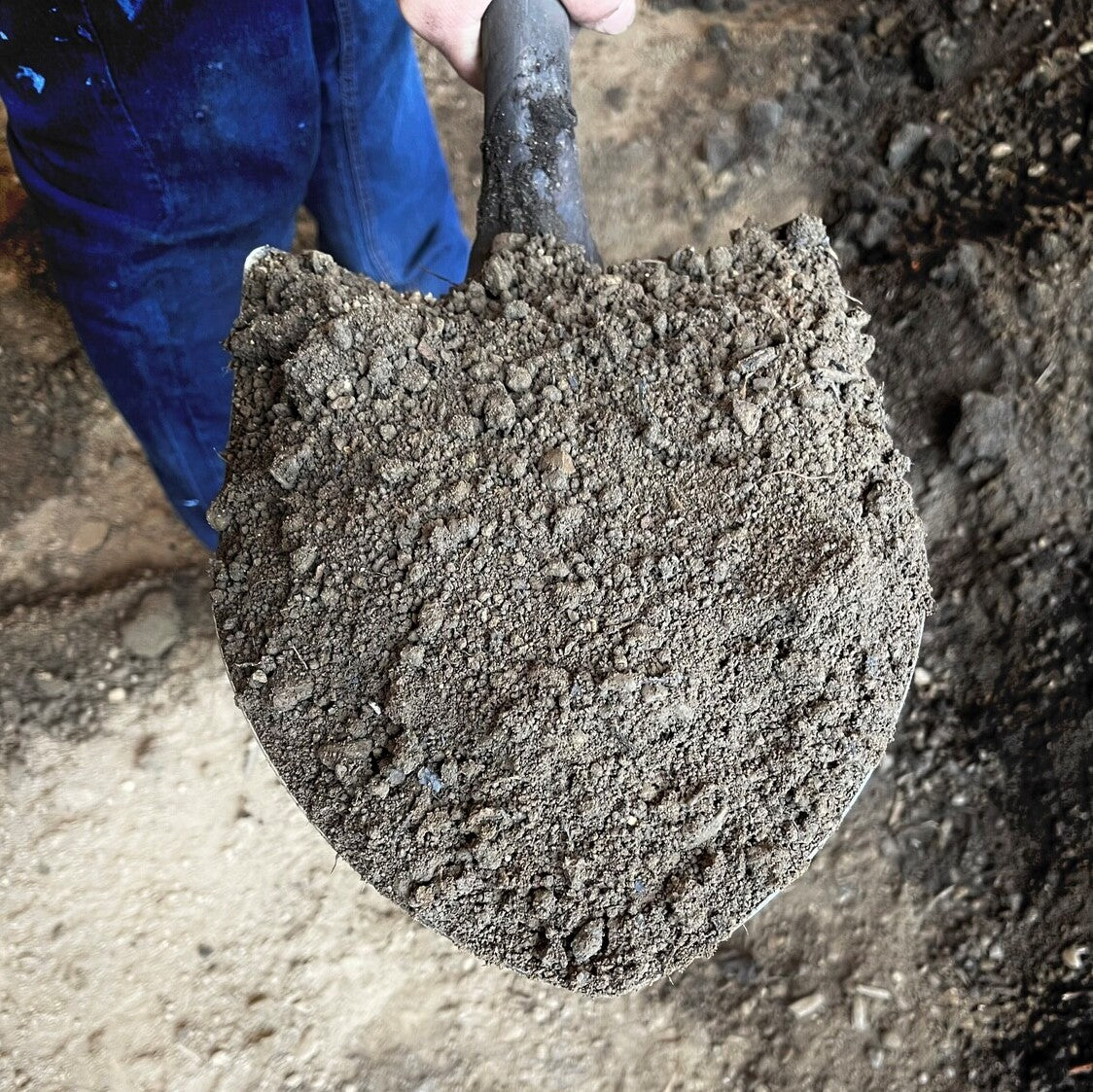

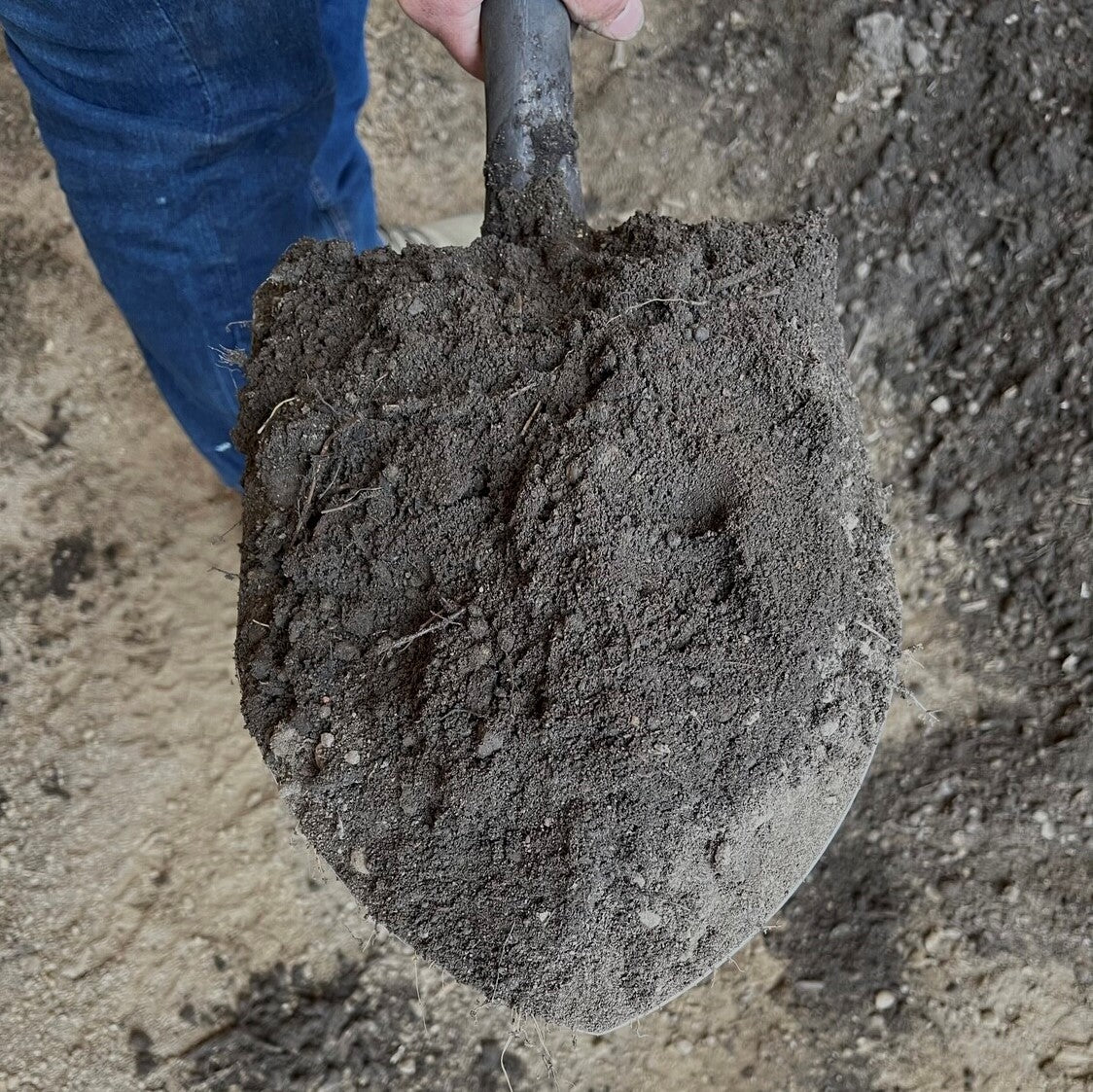

About this soil

Quality topsoil for lawns, gardens, and landscape projects. Nutrient rich and ready to support strong root development and healthy plant establishment.

Ordered Dirt. Received Dirt. Would Buy Again.

Newburyport Soil Delivery

Newburyport Soil Delivery

4.7
137 reviews
Regular price $64.00 per yard
Regular price Sale price $64.00
Sale Sold out
Type
Style
Minimum of 3
1 tree planted for every order

About this soil

Quality topsoil for lawns, gardens, and landscape projects. Nutrient rich and ready to support strong root development and healthy plant establishment.

Ordered Dirt. Received Dirt. Would Buy Again.

For lawn leveling in Newburyport, plan on spreading screened loam at about a quarter-inch to half-inch depth per pass over existing turf to avoid smothering grass roots. For new garden beds or raised planting areas, a minimum of 8 to 12 inches of quality bulk soil gives roots the loose, nutrient-rich environment they need to thrive above the dense and often waterlogged native silty loam below.
Use our free soil calculator

A yard is approximately 27 cubic feet. As a general guideline, one yard of material can cover an area of about 100-160 square feet at a 2-3 inch depth.

View full details

How It Works

Getting started is easy — just follow these simple steps

1

Choose your soil

Make sure you adjust the quantity to your home's needs. You can use our calculator to estimate how much you'll need.

2

Select your delivery date

Select a delivery date you'd like for the product to be dropped off at your home

3

Sit back and wait

Sit back, wait, and let us work our magic to make sure the highest quality product is delivered to your driveway.

What Newburyport Customers Like About Our Soil

4.7
out of 5 based on 137 reviews
Google Reviews

Need Help Calculating How Much Soil You Need?

Use our NEW Trace from Satellite tool to get an estimate for your project based on an aerial view of your property

Try Our Calculator
📍

Measure the length, width, and desired depth of your project area in feet. Multiply those three numbers together and divide by 27 to convert cubic feet to cubic yards. Newburyport projects often need a bit more material than the calculation suggests because native silty loam settles unevenly after rain, so adding 10 to 15 percent to your estimate helps ensure you have enough to finish the job without a second delivery.

Complete Your Outdoor Soil Project

Top off your soil project with a layer of bulk mulch to protect your new Newburyport beds from heavy rainfall and keep moisture from evaporating during dry summer stretches. Edging stone around garden beds and lawn borders keeps fresh soil in place during storms and gives your finished project a clean, polished look that holds up season after season.

Map of Newburyport, Massachusetts

Areas We Deliver Soil in Newburyport, Massachusetts

No cities found for this region.

See All Locations

Frequently Asked Questions

Click a question to see the answer

Answer

My Newburyport backyard stays wet all spring. What kind of soil should I add to improve drainage?

A wet spring in Newburyport is very common because the native silty loam drains slowly and the area receives heavy rainfall from March through May. Adding a layer of screened loam blended with compost can improve surface drainage in mild cases, but low areas that pond regularly may need grading work before new soil is spread. Raising bed elevations even a few inches makes a significant difference in a high-rainfall environment like Newburyport.

Answer

How much soil do I need to build a raised bed for my Newburyport vegetable garden?

A standard 4-by-8-foot raised bed filled 12 inches deep requires about 1.2 cubic yards of soil. Newburyport gardeners often go deeper than 12 inches because the native silty loam beneath the bed can stay wet and compact, and a thicker soil layer gives roots more room before they hit that native layer. Ordering a bit extra is always wise since bulk soil settles after the first few watering sessions.

Answer

Is it worth amending my existing Newburyport soil or should I just bring in fresh bulk material?

For small individual beds, amending native silty loam with compost can work well enough. But for large projects like lawn establishment, grade correction, or multiple raised beds, bringing in bulk screened loam is faster and gives you a consistent starting point. Newburyport's native soil quality varies considerably depending on your neighborhood's development history, so fresh material removes a lot of uncertainty from the process.

Answer

When is the best time to have bulk soil delivered in Newburyport?

Early spring is the most popular window, right after the ground thaws and before planting season ramps up. In Newburyport the last frost falls around May 13, so having soil delivered and spread in late April gives you time to let it settle before you plant. Fall is also excellent for lawn leveling because the soil has time to firm up and be colonized by grass roots before winter sets in.

Answer

Can I use bulk screened loam for lawn leveling in my older Newburyport neighborhood?

Yes, screened loam is ideal for leveling low spots and filling areas where tree roots or decades of settling have created uneven surfaces. Lawn leveling is one of the most common uses for bulk soil in Newburyport's older residential neighborhoods. Spread it no more than an inch deep over existing grass at a time to avoid smothering the lawn, then let the turf grow through before adding another layer if needed.

Answer

Will adding bulk soil help me grow a better lawn given how compacted my Newburyport yard gets every year?

Topdressing with screened loam each fall is a practical way to gradually improve a Newburyport lawn that suffers from silty loam compaction. The fresh material adds organic matter and slightly raises the grade over time, improving both drainage and root depth through the growing season. Combining topdressing with core aeration in early fall gives the best results before Newburyport's first frost closes in around October 10.

Answer

My Newburyport property slopes toward the house and water pools near the foundation after every storm. Can bulk soil fix that?

Adding soil to re-establish a positive grade away from your foundation is one of the most effective ways to address foundation moisture issues. The goal is a slope of at least 6 inches of drop over the first 10 feet away from the house. In Newburyport where 50 inches of annual rain puts constant pressure on grading, getting this slope right protects both your foundation and your basement from the chronic moisture intrusion that is common in this area.

Mulch Mound Pro Tip

If you are building raised beds in Newburyport, consider lining the bottom with a layer of coarse gravel or crushed stone before filling with garden soil. The native silty loam below can stay saturated well into spring, and a drainage layer at the bed base keeps roots from sitting in water even during Newburyport's wettest months between March and May when rainfall is most persistent.

Mulch Mound Pro Tip

For lawn leveling projects in Newburyport's older neighborhoods, fill low spots in late September rather than spring. Soil applied before Newburyport's first frost around October 10 has time to firm up and be colonized by grass roots before winter, reducing the chance of it washing away or shifting during spring rain events. Raking it in lightly after spreading speeds up that establishment process considerably.

Mulch Mound Pro Tip

When ordering bulk soil for a large Newburyport project, ask specifically for screened loam rather than unscreened fill. Screened material has had rocks, roots, and debris removed, making it much easier to spread evenly across beds and lawn areas. Given Newburyport's silty native soil profile, screened loam blends in more smoothly and gives new plantings a consistent, workable growing medium without the surprises that unscreened material can hide.

The Unique Landscape of Newburyport

Newburyport's native silty loam is a mixed blessing for homeowners and gardeners. It holds nutrients reasonably well but drains slowly and compacts under the pressure of 50 inches of annual rainfall, making it difficult to establish healthy lawns, raised beds, and garden plantings without adding quality bulk soil. Areas near the Merrimack River often have fill soils of inconsistent quality from decades of development and flood-plain disturbance, so grade work and bed construction frequently require bringing in fresh material. Raised beds are especially popular in Newburyport because they lift plants above the wet, compacted native soil and give roots a loose, nutrient-rich environment to thrive through the growing season from May 13 to October 10. Lawn leveling is another common project in older Newburyport neighborhoods where settling and tree root heave have left surfaces uneven and prone to ponding after storms. Ordering quality bulk soil gives you full control over what goes into your beds and grade projects, rather than depending on the variable and often problematic native conditions underfoot.
