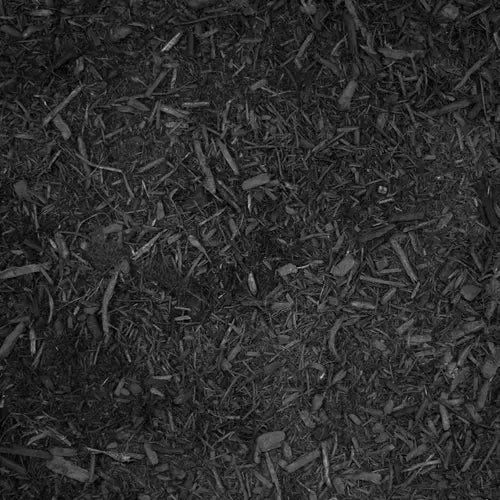
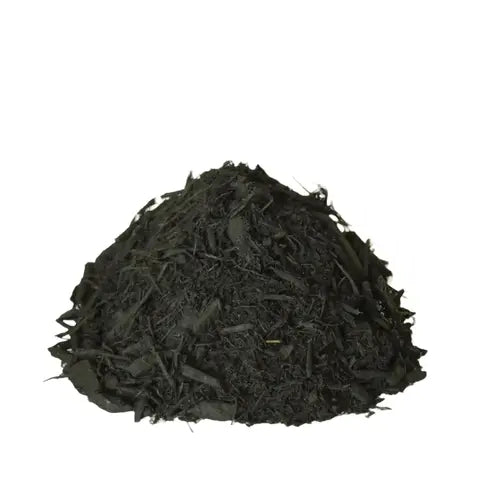
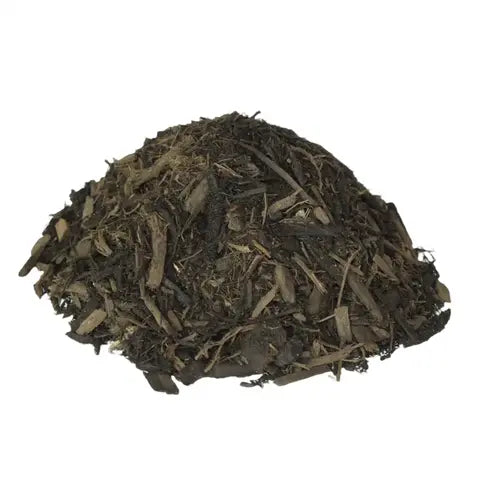
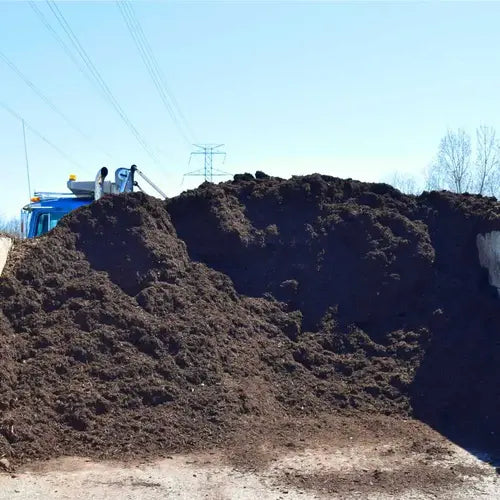
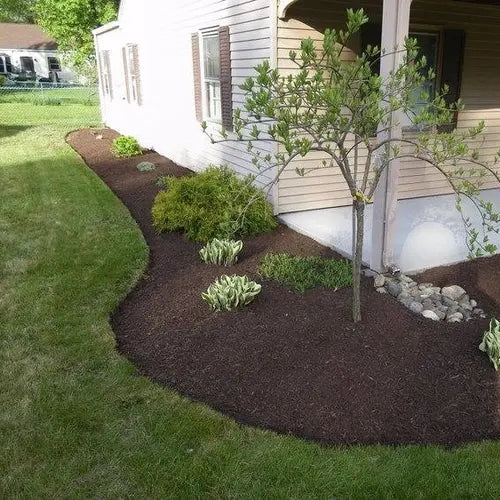
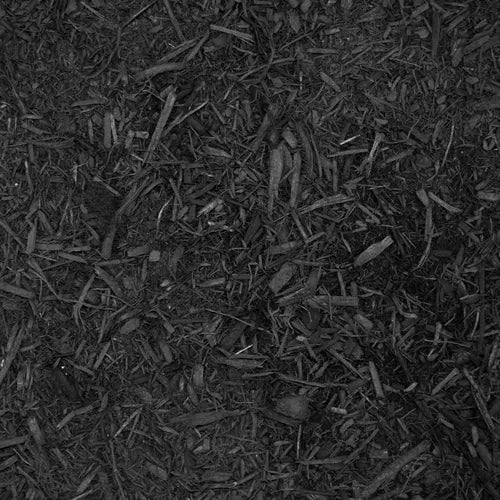
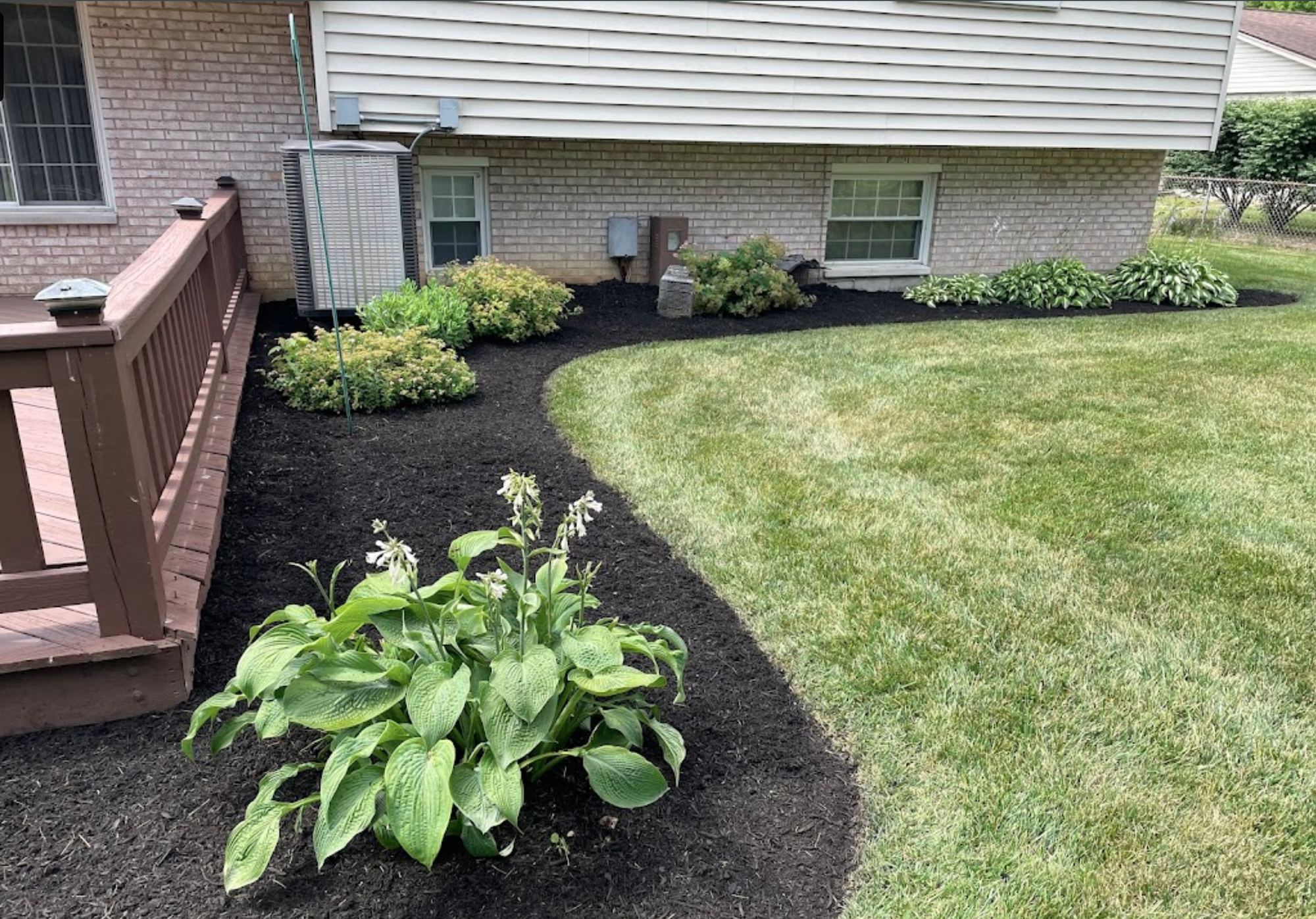
Bold black double shredded mulch that transforms beds instantly. The rich color holds strong through sun and rain, and the smooth texture spreads effortlessly.
Good quality, great price, fast delivery. All online - no submitting forms and waiting for days for quotes. Getting mulch should be this easy from everyone. Only Mulch Mound is ACTUALLY this simple.
Tell us what you're looking for
Thanks! We received your request.
Something went wrong. Please try again.
How Much Material Do I Need?
For most Newport News plant beds, a three-inch depth is recommended to handle the moisture swings that come with 46 inches of annual rainfall on sandy clay soil. Tree rings and foundation borders are best maintained at two inches, keeping mulch clear of trunks and structural elements to prevent rot in the humid coastal climate.
Use our free mulch calculator
What is a yard?
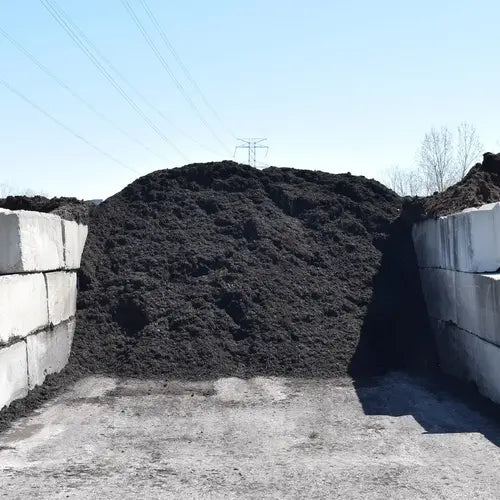
A yard is approximately 27 cubic feet. As a general guideline, one yard of material can cover an area of about 100-160 square feet at a 2-3 inch depth.
We can't take orders for this right now. Tell us what you need and we'll get back to you.
What do you need?
Thanks! We received your request.
Something went wrong. Please try again.
Hand-picked local yards
4,000+ regional deliveries
Dedicated support
Why order through Mulch Mound
The best local mulch, without the guesswork.
We hand-pick and partner with the best yards in your region, keep only the ones our buyers rate well, and back each load with our guarantee.
Mulch Mound Guarantee
If your mulch isn't the quantity or quality you ordered, we'll make it right.
About this mulch
Bold black double shredded mulch that transforms beds instantly. The rich color holds strong through sun and rain, and the smooth texture spreads effortlessly.
Good quality, great price, fast delivery. All online - no submitting forms and waiting for days for quotes. Getting mulch should be this easy from everyone. Only Mulch Mound is ACTUALLY this simple.
How Much Material Do I Need?
For most Newport News plant beds, a three-inch depth is recommended to handle the moisture swings that come with 46 inches of annual rainfall on sandy clay soil. Tree rings and foundation borders are best maintained at two inches, keeping mulch clear of trunks and structural elements to prevent rot in the humid coastal climate.
Use our free mulch calculator
What is a yard?
A yard is approximately 27 cubic feet. As a general guideline, one yard of material can cover an area of about 100-160 square feet at a 2-3 inch depth.
Good quality, great price, fast delivery. All online - no submitting forms and waiting for days for quotes. Getting mulch should be this easy fr...
Read full review
Good quality, great price, fast delivery. All online - no submitting forms and waiting for days for quotes. Getting mulch should be this easy from everyone. Only Mulch Mound is ACTUALLY this simple.
I highly recommend Mulch Mound. The quality of the mulch is very good. The ordering system on their website makes it very easy. The delivery driver...
Read full review
I highly recommend Mulch Mound. The quality of the mulch is very good. The ordering system on their website makes it very easy. The delivery driver did a great job placing the mulch on the driveway. To finish off, the pricing was very reasonable as well.
They offered a quick turnaround and delivered high quality mulch at a reasonable price. They also dropped it off exactly where I told them to put i...
Read full review
They offered a quick turnaround and delivered high quality mulch at a reasonable price. They also dropped it off exactly where I told them to put it. Good service!
To estimate how much mulch you need for your Newport News beds, measure the length and width of each bed in feet and multiply to get the total square footage. Newport News's sandy clay soil benefits most from a full three-inch layer, so divide your total square footage by 108 to get the cubic yards you need to order. When in doubt, rounding up slightly is wise because beds with irregular shapes, curves, and border areas almost always use more material than a simple rectangle calculation suggests.
Mulch vs. No Mulch: The Difference
Newport News's humid, zone 8a climate means organic mulch breaks down noticeably faster here than in cooler or drier regions of Virginia, which is actually a benefit for sandy clay soil that is almost always hungry for added organic matter. Natural hardwood mulch decomposes season by season, feeding soil microbes and gradually improving the structure of clay-heavy ground over multiple years. Dyed or colored mulch is made from a treated wood base that breaks down more slowly, so it holds its appearance longer but contributes less organic benefit to the soil over the same period of time.
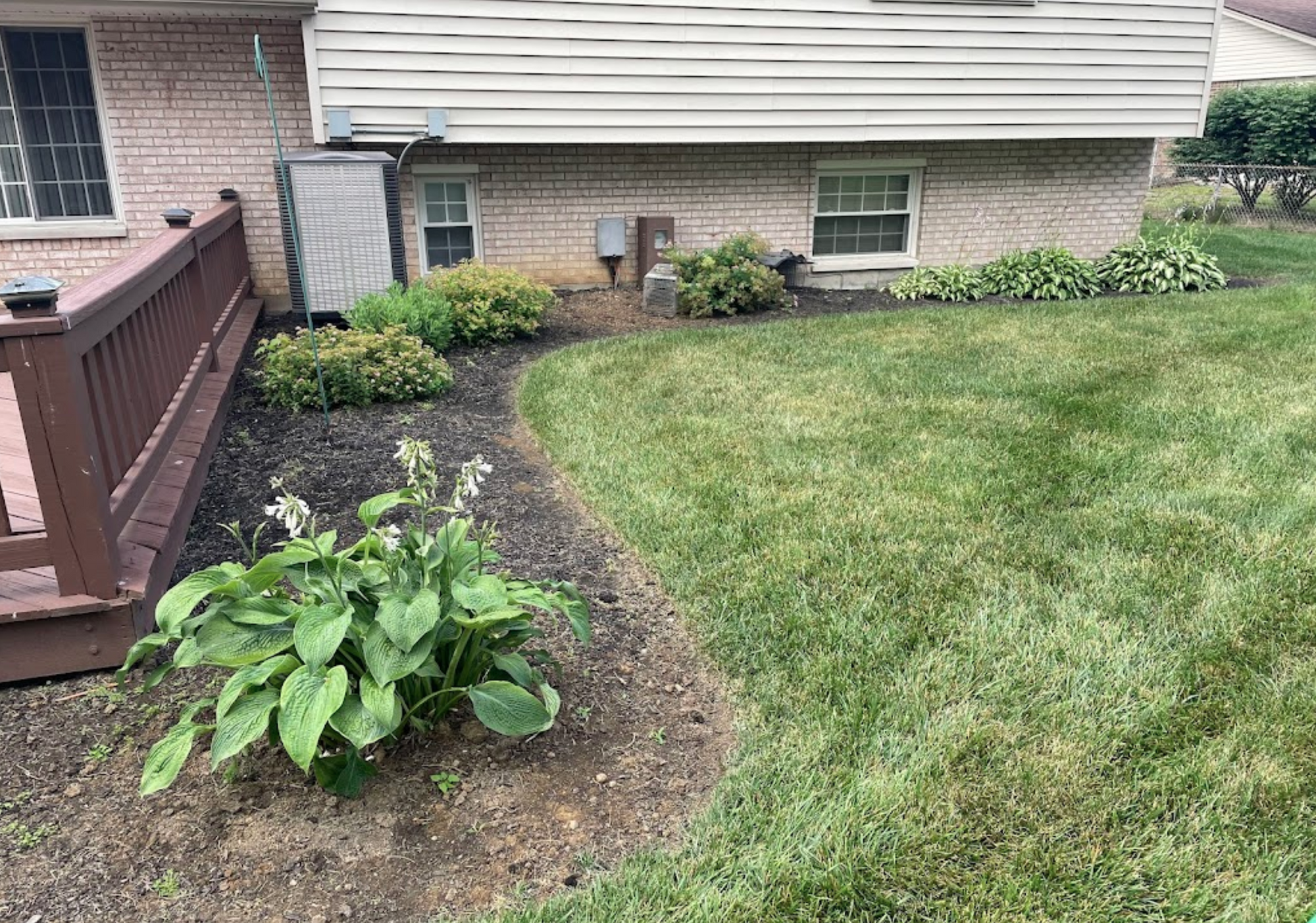
Before
After
Best Mulch Choice for Newport News Lawns
Most yards in the Newport News area sit on Sandy Clay type of soil. Sandy clay soil in Newport News can become dense and poorly aerated over time, especially in established beds that have not been amended in several seasons. Plant roots struggle to penetrate compacted clay, and the fast-draining sandy fraction means nutrients leach away quickly without sufficient organic matter to hold them in the root zone.
Hardwood Mulch
Hardwood mulch is particularly well-suited to Newport News's sandy clay soil because as it decomposes it releases humic acids and organic compounds that bind clay particles together and improve the soil's overall aggregate structure. Over two to three seasons of consistent mulching, homeowners often notice that their beds are easier to work, drain more evenly after rain, and hold moisture without becoming waterlogged after the heavy summer storms that are common in coastal Virginia.
Mulch Types We Deliver in Newport News
Mulch Mound provides bulk mulch delivery in Newport News, bringing fresh material straight to your driveway or jobsite by the cubic yard. The humid coastal climate here means healthy mulch cover makes a real difference, keeping moisture in beds during hot summers and protecting roots through cooler months. Choose from a selection of double shredded varieties suited to the region's mix of traditional and contemporary home styles.
Natural Brown Mulch
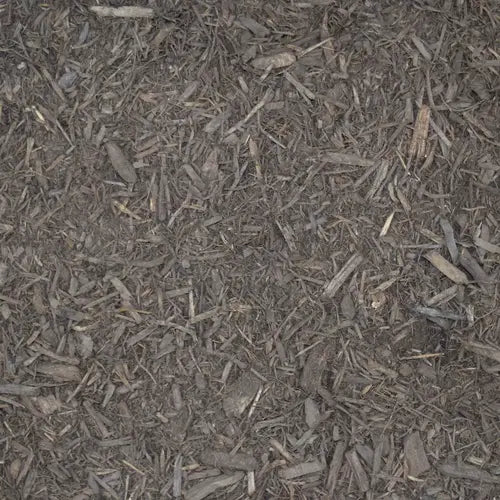
Natural Brown Mulch is available in a double shredded cut that spreads smoothly across landscape beds, giving yards a clean, finished look without artificial color. The warm earthy tone pairs well with the traditional home styles found throughout this part of coastal Virginia and complements the region's sandy, mixed soils naturally.
Dyed Black Mulch
Dyed Black Mulch arrives in a double shredded cut that creates a bold contrast against green plantings and pale hardscaping. The rich color holds through the hot, humid summers and frequent rainfall that coastal Virginia sees each year, making it a high-impact choice for homeowners focused on front yard curb appeal.
Dyed Red Mulch
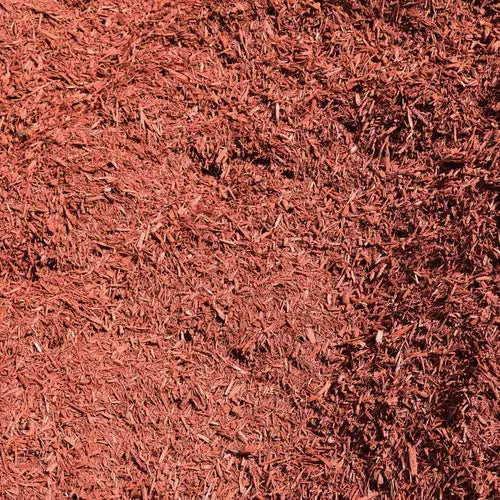
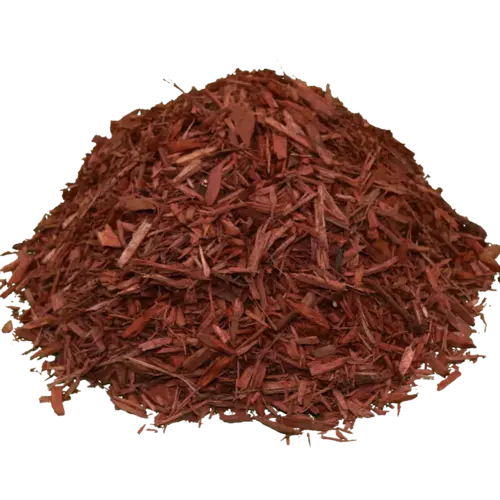
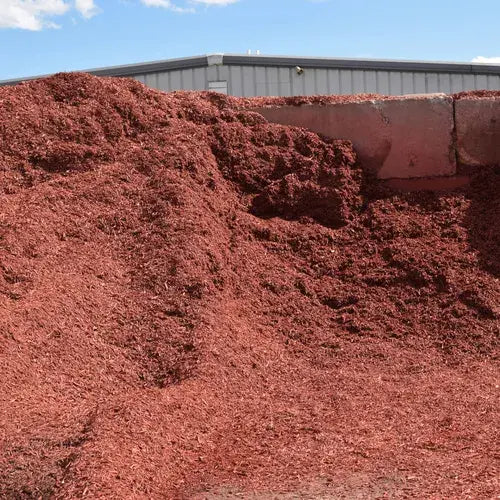
Dyed Red Mulch is double shredded for a smooth, even spread that fills beds quickly and cleanly. The vibrant, season-long color adds warmth and visual interest to the established plantings and brick-accented homes common across Newport News, suiting homeowners who want a landscape that stands out from the street.
Complete Your Outdoor Mulch Project
If your beds have low spots, poor drainage beneath the surface, or nutrient-depleted soil, pairing your mulch order with a delivery of premium garden soil lets you correct those issues before the mulch goes down. Adding stone borders or gravel edging around your mulched beds also keeps material in place during Newport News's heavy summer rain events and gives your landscape a clean, finished look.
Newport News's sandy clay soil tends to develop a hard, sealed crust after dry spells, which prevents a new mulch layer from making good contact with the surface beneath it. Before spreading fresh mulch, take a few minutes to loosen the top inch of existing material or soil with a stiff rake so the new layer can settle in and bond properly. This simple step significantly improves moisture retention and keeps the layer from sliding or channeling during the steep summer thunderstorms that are common along the Virginia coast.
Mulch Mound Pro Tip
Zone 8a in Newport News means you have a growing season long enough that cool-season and warm-season plants often share the same beds at different points in the year. When you are transitioning beds from cool-season plants in spring to warm-season annuals after April 17, pull back and genuinely refresh your mulch rather than simply layering new material over old. Removing the bottom layer prevents the buildup of a matted, water-repelling crust that forms readily in humid coastal conditions and can actually block rainfall from reaching plant roots.
Mulch Mound Pro Tip
With 46 inches of annual rainfall, Newport News homeowners sometimes assume their beds stay consistently moist, but the distribution of that rain is anything but even. Summer thunderstorms can drop two or more inches in a single hour and then leave beds dry and cracking for the following two weeks. A proper mulch layer acts as your soil's reservoir, capturing that fast runoff and releasing moisture gradually back to roots during the dry stretches between storms. Think of mulch as a slow-release water bank that also suppresses weeds and builds your soil's organic content at the same time.
Frequently Asked Questions
Click a question to see the answer
Answer
How often should I refresh my mulch beds given Newport News's wet, humid summers?
With 46 inches of rainfall spread across the year and long, humid summers, organic mulch in Newport News breaks down faster than it would in drier or cooler climates. Most homeowners find that refreshing beds once in late April after the last frost and again in early October before the first frost arrives gives the best year-round results. If you notice your layer thinning below two inches during the summer months, a light top-dress will restore moisture retention and weed suppression through the rest of the growing season.
Answer
Will mulch help with the compaction I get in my clay soil after heavy rains?
Yes, maintaining a proper mulch layer is one of the most practical ways to combat compaction in Newport News's sandy clay soil. When heavy rain hits bare soil directly, the impact of individual raindrops breaks down the surface structure and accelerates compaction season after season. A two to three inch mulch layer absorbs that raindrop impact, allows water to infiltrate slowly, and adds organic matter as it decomposes, which gradually opens up the soil structure and improves aeration over multiple seasons.
Answer
Is dyed mulch safe to use around my vegetable garden here in Newport News?
Most dyed mulches on the market today use colorfast, carbon-based pigments that are generally considered safe around ornamentals. However, for vegetable gardens in Newport News where plants are growing in sandy clay soil that is already naturally low in organic matter, we recommend choosing a natural hardwood or double-shredded mulch instead. Natural mulch breaks down more quickly and actively feeds your soil biology without any concerns about dye transfer to edible crops during the long growing season.
Answer
What mulch depth do you recommend for Newport News's hot, dry summer stretches?
For most plant beds in Newport News, a depth of two to three inches is the right target. Sandy clay soil can shed water quickly when the surface dries and crusts, so going too thin, under two inches, means losing the moisture retention benefit during dry July and August periods. Going too thick, over four inches, can prevent rainfall from penetrating to roots and create anaerobic conditions in the soil beneath. Keep mulch pulled back slightly from plant stems and tree trunks to prevent rot in the humid coastal climate.
Answer
When is the best time of year to put down fresh mulch in Newport News?
The two most productive windows for mulching in Newport News are late April, after the last frost date around April 17, and late October, just before the first frost arrives around November 1. The spring application captures warming soil temperatures, suppresses early weed germination, and sets beds up for the long growing season ahead. The fall application insulates root systems from temperature swings and slows winter weed growth. A light touch-up in midsummer can help if the layer has thinned noticeably from the rapid decomposition that comes with the heat and moisture.
Answer
Does mulch near my foundation attract termites in a coastal climate like Newport News?
This is a valid concern for Newport News homeowners, particularly in older neighborhoods with high ambient moisture from coastal humidity and frequent rainfall. Mulch itself does not attract termites, but keeping it piled against your foundation or too deep near the house creates the warm, consistently moist conditions that termites prefer. Keep a six to twelve inch gap between any mulch and your home's foundation, and keep the layer no deeper than two inches in those border areas. Stone or gravel is a better choice for the immediate foundation strip if termites are a known concern on your property.
Answer
How long does colored mulch actually hold its color with Newport News's rain and summer sun?
Dyed mulch fades in any climate, but Newport News's combination of high summer UV intensity and frequent rainfall accelerates color loss compared to drier, inland regions of Virginia. Most dyed products hold their color reasonably well for four to six months before fading becomes noticeable. If long-lasting curb appeal is a priority, consider a premium double-dyed product or plan for a late-summer refresh. Natural hardwood mulch fades to a silver-gray over time but continues delivering full moisture retention and soil-building benefits throughout the entire decomposition process.
The Unique Landscape of Newport News
Newport News sits in USDA Hardiness Zone 8a, where the combination of sandy clay soil and 46 inches of annual rainfall creates a genuinely challenging environment for plant beds. Sandy clay alternates between draining too fast during dry spells and compacting tightly under heavy summer downpours, leaving roots stressed and nutrient-starved. A consistent layer of mulch acts as a buffer, slowing surface runoff during storm events and holding moisture in the root zone during the hot, dry stretches that typically settle in by mid-July. The growing season runs from the last frost around April 17 all the way to the first frost near November 1, giving weeds a long, uninterrupted window to establish if beds are left bare. Mulch suppresses those weeds while also insulating roots from the brief but damaging cold snaps that can arrive quickly in early November. Keeping beds mulched year-round is one of the most effective and cost-efficient maintenance strategies available to Newport News homeowners.