




Good quality top soil and was delivered exactly where I wanted it. Nice Job!
About this soil
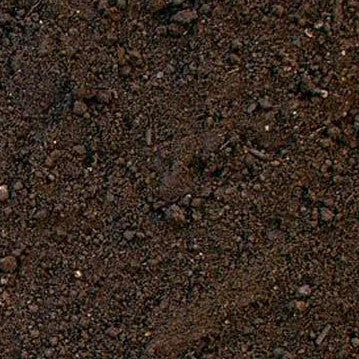
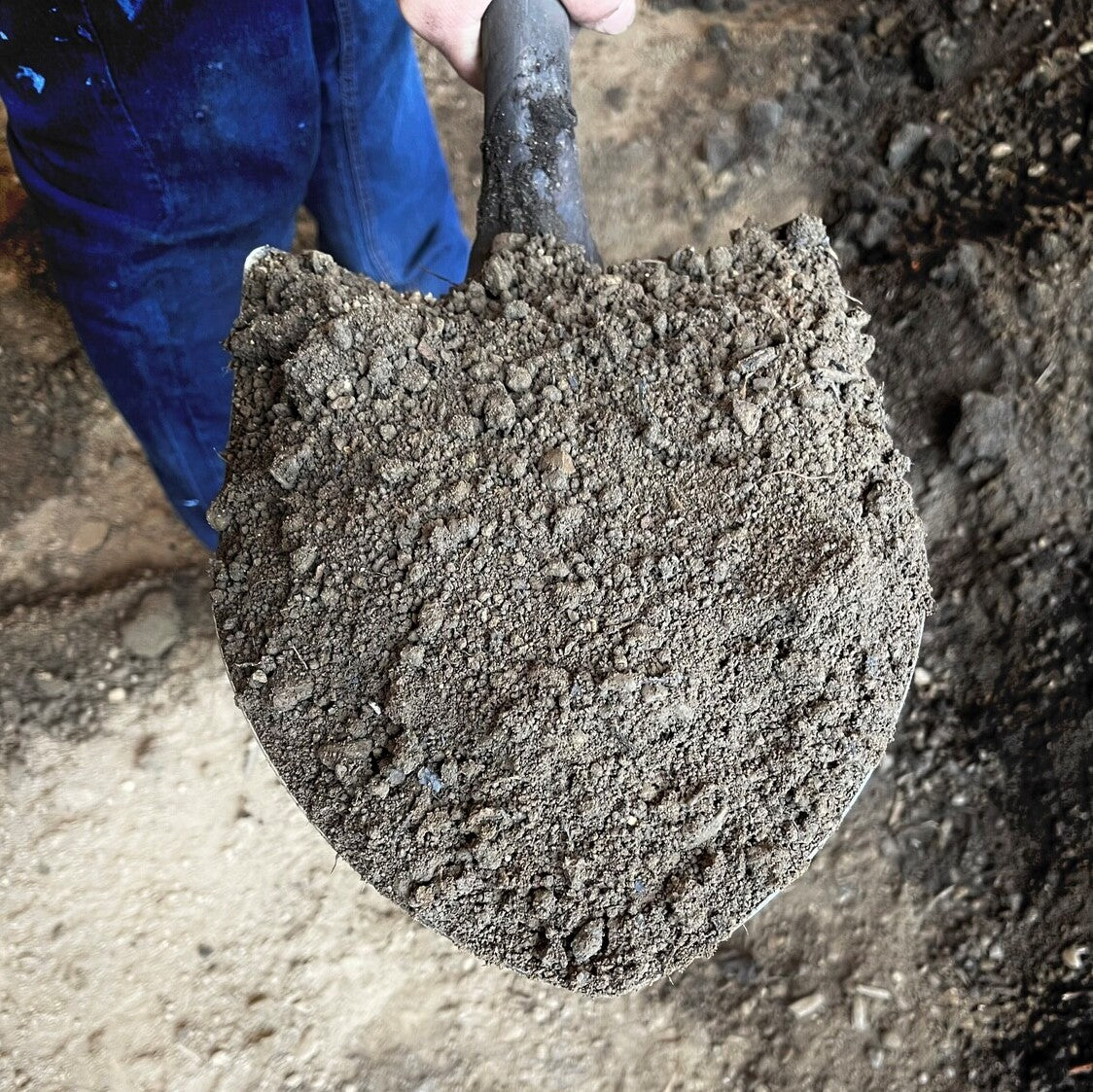
Quality topsoil for lawns, gardens, and landscape projects. Nutrient rich and ready to support strong root development and healthy plant establishment.
Good quality top soil and was delivered exactly where I wanted it. Nice Job!
Tell us what you're looking for
Thanks! We received your request.
Something went wrong. Please try again.
How Much Material Do I Need?
How Much Material Do I Need?
For in-ground garden beds in Newport News, work a minimum of four to six inches of quality soil into the native sandy clay to see a meaningful improvement in drainage, root penetration, and nutrient retention through the growing season. For raised beds, fill to the full depth of the frame and plan for several inches of natural settling during the first full rainy season.
Use our free soil calculator
What is a yard?
What is a yard?
FAQs
FAQs
Newport News Soil Delivery
Newport News Soil Delivery
Regular price
$84.00
per
yard
Regular price
Sale price
$84.00
Unit price
per
Shipping calculated at checkout.
Minimum of 3 yard
Couldn't load pickup availability
Not currently available
We can't take orders for this right now. Tell us what you need and we'll get back to you.
Hand-picked local yards
4,000+ regional deliveries
Dedicated support
Why order through Mulch Mound
The best local soil, without the guesswork.
We hand-pick and partner with the best yards in your region, keep only the ones our buyers rate well, and back each load with our guarantee.
Mulch Mound Guarantee
If your soil isn't the quantity or quality you ordered, we'll make it right.
About this soil
Quality topsoil for lawns, gardens, and landscape projects. Nutrient rich and ready to support strong root development and healthy plant establishment.
Good quality top soil and was delivered exactly where I wanted it. Nice Job!
How Much Material Do I Need?
How Much Material Do I Need?
For in-ground garden beds in Newport News, work a minimum of four to six inches of quality soil into the native sandy clay to see a meaningful improvement in drainage, root penetration, and nutrient retention through the growing season. For raised beds, fill to the full depth of the frame and plan for several inches of natural settling during the first full rainy season.
Use our free soil calculator
What is a yard?
What is a yard?
FAQs
FAQs
Tell us what you're looking for
Thanks! We received your request.
Something went wrong. Please try again.
How It Works
Getting started is easy — just follow these simple steps
1
Choose your soil
Make sure you adjust the quantity to your home's needs. You can use our calculator to estimate how much you'll need.
2
Select your delivery date
Select a delivery date you'd like for the product to be dropped off at your home
3
Sit back and wait
Sit back, wait, and let us work our magic to make sure the highest quality product is delivered to your driveway.

Online ordering was really simple and I liked the transparent pricing.

Easy to order, great service, and great product. We enjoy the final look of a very neglected beds we inherited!
Need Help Calculating How Much Soil You Need?
Use our NEW Trace from Satellite tool to get an estimate for your project based on an aerial view of your property
Try Our CalculatorMeasuring for a soil delivery in Newport News starts with sketching out your project areas and getting accurate square footage for each zone you plan to work on. For lawn leveling, plan on one cubic yard per 300 square feet at a half-inch application depth. For raised beds or full garden prep where you want to completely replace the native sandy clay growing environment, calculate at the full intended fill depth of your bed and add ten percent to account for the settling that is normal in Newport News's humid conditions.
Soil Types We Deliver in Newport News
Mulch Mound delivers bulk soil by the cubic yard straight to homes and properties across Newport News. Whether you are starting a new lawn, preparing a garden bed, or refreshing tired planting areas, having the right soil delivered saves time and heavy lifting. If you have been searching for bulk topsoil by the yard in Newport News, we make it simple with straightforward cubic yard pricing and reliable drop-off.
Screened Top Soil
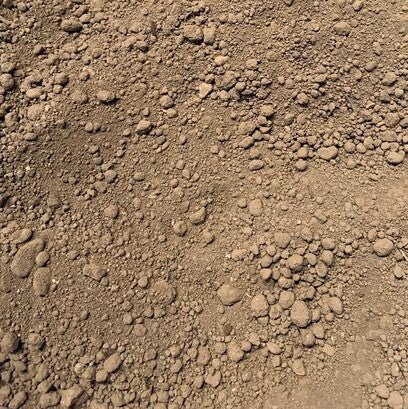
Our screened topsoil is processed to a fine, even texture that spreads and grades smoothly across the sandy, clay-mixed soils common throughout the Newport News area. It is a strong choice for laying sod, seeding new lawns, or filling raised garden beds around the typical ranch and colonial style homes found in this part of coastal Virginia.
Complete Your Outdoor Soil Project
Pairing a soil delivery with a load of mulch will protect your freshly prepared beds from Newport News's intense summer rains and prevent the surface from crusting over during the hot, dry spells between storms. Stone edging or gravel borders around your new garden areas also helps define planting zones clearly and keeps your investment in quality soil from washing away during the frequent summer storm events that come with living along the Virginia coast.


Service area
Areas we deliver soil in Newport News, Virginia
Mulch Mound Pro Tip
One of the most common mistakes Newport News homeowners make when adding new soil is not addressing the transition zone between the fresh material and the underlying sandy clay beneath it. When new topsoil sits directly on compacted native clay without any preparation, water can pool at the interface between the two layers and drown roots even if the new soil itself drains well. Before placing your new material, break up the existing surface with a garden fork or tiller to a depth of four to six inches to create a gradual transition that allows water to move through both layers naturally.
Mulch Mound Pro Tip
Newport News's zone 8a climate supports two genuinely distinct planting seasons, and thoughtful homeowners use both to maximize their soil investment across the full calendar year. After your spring vegetable garden winds down in late June and July, resist leaving beds bare through the heat. Add a thin layer of compost and plant a summer cover crop like cowpeas or buckwheat, both of which thrive in zone 8a heat, protect the soil surface from compacting rainfall, add nitrogen, and break down into organic matter that improves your beds for the fall planting window.
Mulch Mound Pro Tip
When grading soil to improve drainage in Newport News, even small slope adjustments make a significant difference given the area's 46 inches of annual rainfall concentrated across frequent storm events. Aim for a minimum slope of one inch of drop for every eight feet of horizontal run, always directing water away from your home's foundation and toward a lawn area, swale, or street. Use a long level or a string line stretched between stakes to check your grade before your soil delivery arrives, because getting the slope right the first time prevents the frustrating re-settling and erosion work that comes after the next heavy rain.
The Unique Landscape of Newport News
Newport News's native sandy clay soil presents real, ongoing challenges for homeowners trying to grow healthy lawns, productive gardens, or thriving raised beds. The sandy fraction drains nutrients away quickly after rain while the clay fraction swells and compacts during wet periods, creating drainage problems in low spots that are common across many yards in the area. Bringing in quality topsoil or garden soil lets you correct grade issues, build raised beds with a more balanced growing medium, and give new plantings a far better start than the native ground allows on its own. With the growing season running from April 17 through November 1, getting soil preparation right in early spring pays dividends all the way through the fall harvest and flowering period. The 46 inches of annual rainfall that Newport News receives also means that poorly graded areas collect standing water that drowns roots and encourages fungal disease in warm, humid conditions. A bulk soil delivery gives you the material you need to fix those problem areas, level uneven lawn sections, and build the foundation for more productive planting beds.