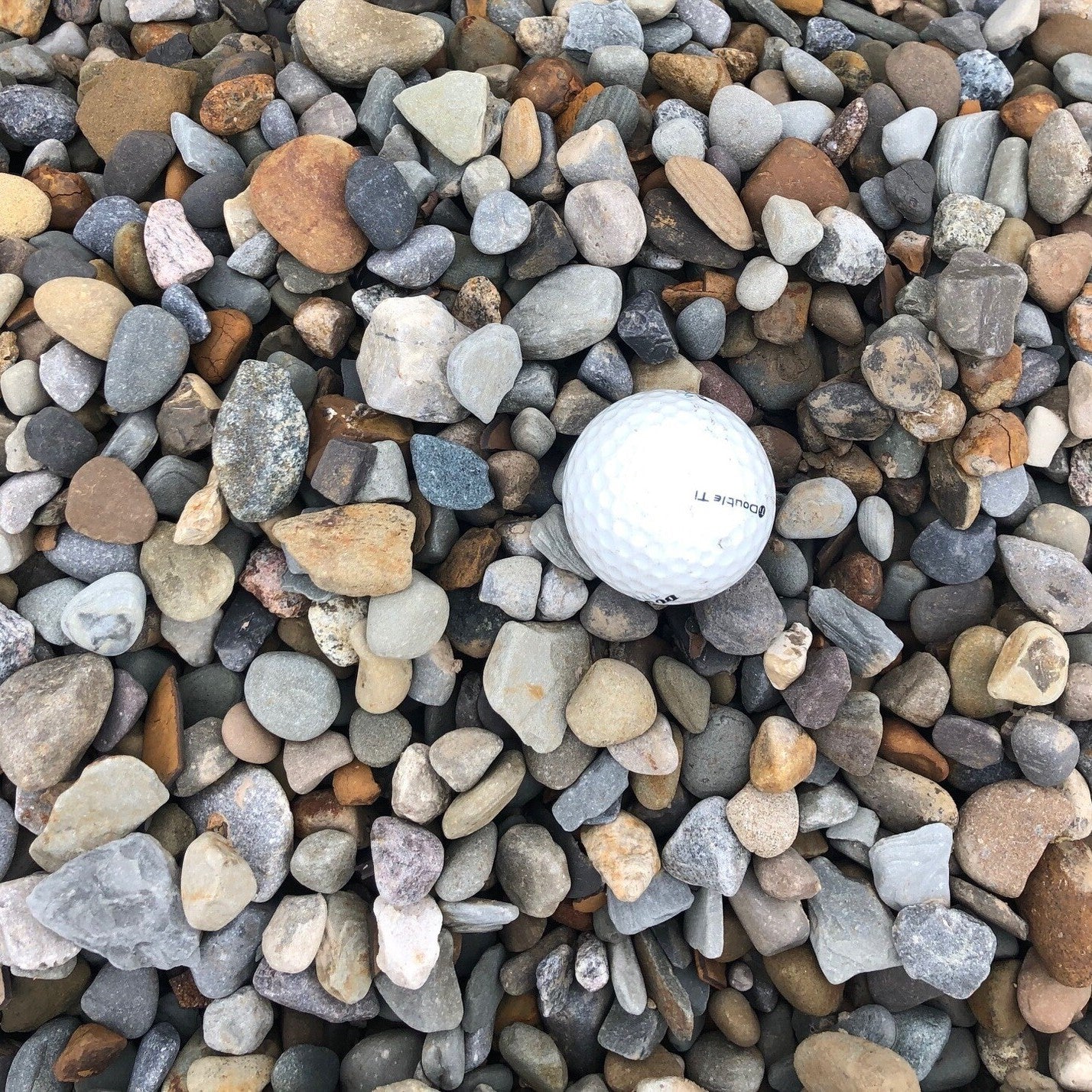
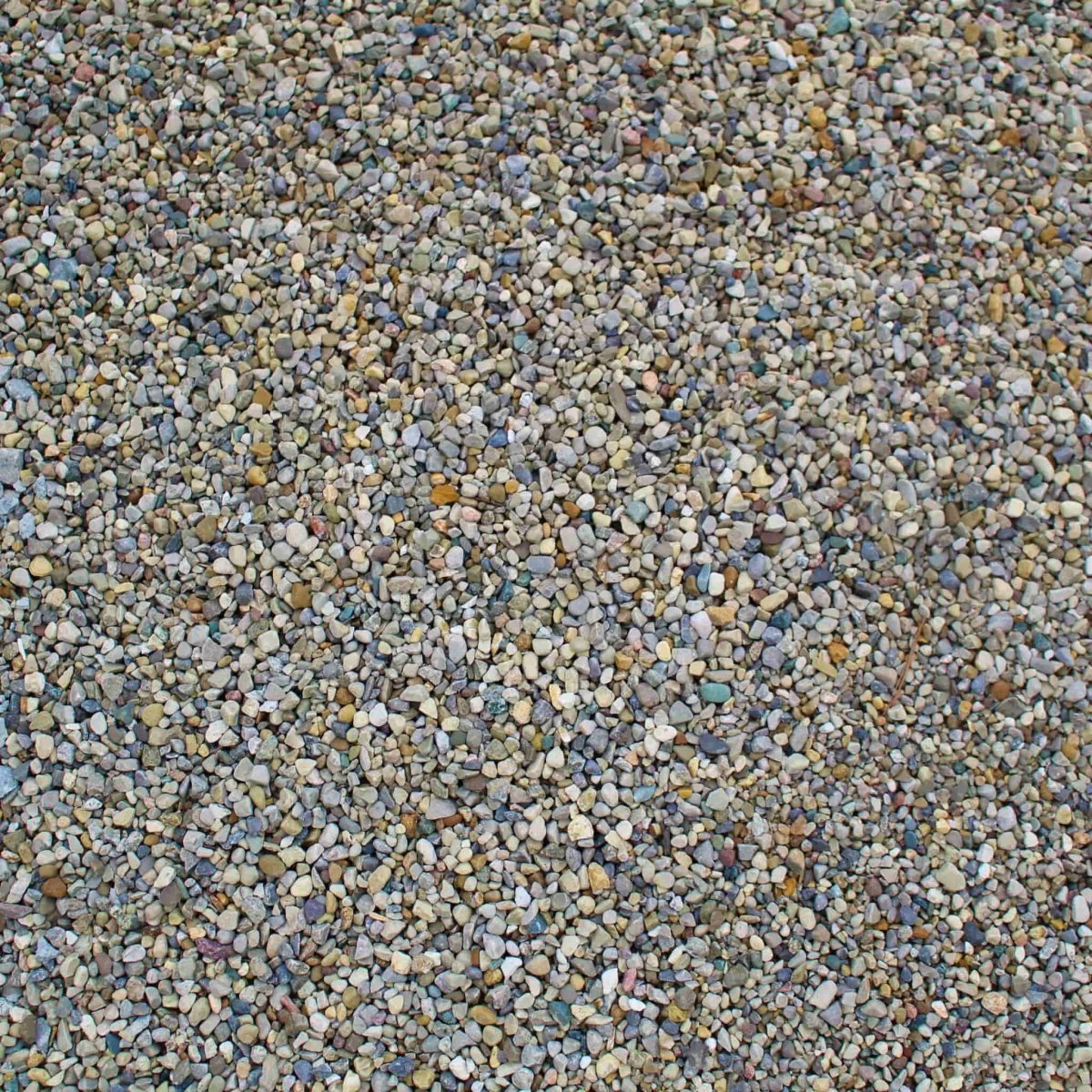
Number 57 crushed stone, angular limestone graded to about three quarters of an inch. The standard driveway, base and drainage gravel, it locks together under traffic and drains fast.
My experience with Mulch Mound was great and super easy. I ordered two yards of screened topsoil and was able to get it delivered within 2 days. They came in my requested time frame (afternoon) and dropped it off where I asked on my driveway. The topsoil was exactly what was a...
Tell us what you're looking for
Thanks! We received your request.
Something went wrong. Please try again.
How Much Material Do I Need?
For decorative stone beds and pathways in Newport News, two to three inches of stone over compacted ground and landscape fabric provides adequate coverage and reliable drainage performance through the wet season. For erosion control applications and drainage swales where the area receives concentrated water flow during summer thunderstorms, plan for a minimum three to four inch depth to keep stone anchored and in place.
Use our free gravel calculator
What is a yard?
A yard is approximately 27 cubic feet. As a general guideline, one yard of material can cover an area of about 100-160 square feet at a 2-3 inch depth.
We can't take orders for this right now. Tell us what you need and we'll get back to you.
What do you need?
Thanks! We received your request.
Something went wrong. Please try again.
Hand-picked local yards
4,000+ regional deliveries
Dedicated support
Why order through Mulch Mound
The best local stone, without the guesswork.
We hand-pick and partner with the best yards in your region, keep only the ones our buyers rate well, and back each load with our guarantee.
Mulch Mound Guarantee
If your stone isn't the quantity or quality you ordered, we'll make it right.
About this stone
Number 57 crushed stone, angular limestone graded to about three quarters of an inch. The standard driveway, base and drainage gravel, it locks together under traffic and drains fast.
My experience with Mulch Mound was great and super easy. I ordered two yards of screened topsoil and was able to get it delivered within 2 days. They came in my requested time frame (afternoon) and dropped it off where I asked on my driveway. The topsoil was exactly what was a...
How Much Material Do I Need?
For decorative stone beds and pathways in Newport News, two to three inches of stone over compacted ground and landscape fabric provides adequate coverage and reliable drainage performance through the wet season. For erosion control applications and drainage swales where the area receives concentrated water flow during summer thunderstorms, plan for a minimum three to four inch depth to keep stone anchored and in place.
Use our free gravel calculator
What is a yard?
A yard is approximately 27 cubic feet. As a general guideline, one yard of material can cover an area of about 100-160 square feet at a 2-3 inch depth.
My experience with Mulch Mound was great and super easy. I ordered two yards of screened topsoil and was able to get it delivered within 2 days. Th...
Read full review
My experience with Mulch Mound was great and super easy. I ordered two yards of screened topsoil and was able to get it delivered within 2 days. They came in my requested time frame (afternoon) and dropped it off where I asked on my driveway. The topsoil was exactly what was advertised, clean with no rocks or other debris. The price was reasonable. I plan to use them again in a couple weeks to order compost for my garden beds.
For stone projects in Newport News, start by sketching your coverage area and breaking it into simple rectangles to make the square footage math easier and more accurate. Multiply length by width for each section, add them together, and then use your target depth to determine cubic yards needed. Newport News's rainfall patterns mean that drainage stone installed in swales, creek beds, or around downspout discharge points should be planned at a full three-inch minimum depth to keep stone in place when those areas receive concentrated water flow during summer storms.
Stone Types We Deliver in Newport News
Newport News homeowners and contractors count on us for bulk stone delivery by the cubic yard, bringing the right material straight to your property without the hassle of pickup. Whether you are searching for bulk gravel by the yard in Newport News or need a dependable local supplier, we make ordering simple and straightforward. Our stone is sold by the cubic yard and delivered in quantities that work for both small residential projects and larger landscape jobs.
Pea Gravel
Smooth, rounded, and naturally earth-toned, pea gravel is one of the most popular choices for Hampton Roads properties. It drains exceptionally well in the sandy coastal soils common to this part of Virginia, making it a practical pick for pathways, patios, and garden beds around brick ranch and colonial-style homes.
Complete Your Outdoor Stone Project
Adding a quality soil amendment to the ground beneath your stone installations before laying landscape fabric will improve the long-term drainage performance in Newport News's clay-influenced yards and give any surrounding plantings a better foundation. Pairing stone borders with a fresh layer of mulch in adjacent plant beds creates a polished, layered landscape look that handles the area's rainfall far better than either material would alone.
Newport News's sandy clay soil tends to migrate upward through stone over time, a process called soil pumping that is accelerated by the area's frequent rainfall and the freeze-thaw cycles that occur between the first frost around November 1 and the last frost around April 17. The most effective prevention is using a non-woven, woven landscape fabric rated for long-term durability, installed tightly with at least six inches of overlap at any seams. Inexpensive landscape fabric breaks down in three to five years in coastal Virginia's combination of UV exposure and persistent moisture, and once it degrades, separating the mixed stone and soil beneath it becomes a genuinely labor-intensive project.
Mulch Mound Pro Tip
When planning stone pathways or stepping stone installations in Newport News, account for the subtle ground movement that comes with zone 8a freeze-thaw activity between November 1 and April 17. Smaller crushed stone or compacted stone screenings are more forgiving than large individual stones or pavers because they reset naturally after minor ground shifts without creating trip hazards. If you are setting large decorative stepping stones, place each one on a two-inch bed of compacted stone dust rather than directly on native sandy clay, which will shift unevenly after every significant rainfall event and cause stepping stones to rock or tilt within a season or two.
Mulch Mound Pro Tip
Stone installations around downspout discharge areas are one of the single highest-value improvements a Newport News homeowner can make, given the 46 inches of annual rainfall the region receives and the way that water concentrates at each downspout during storm events. A single downspout can discharge hundreds of gallons of water during one summer thunderstorm, and that concentrated flow erodes sandy clay soil and undercuts foundations with surprising speed. Create a river rock splash pad or a short decorative dry creek bed that extends at least four to six feet from each downspout to slow, spread, and absorb that discharge before it becomes an erosion or foundation problem.
The Unique Landscape of Newport News
Stone is one of the most practical and lasting landscaping materials available to Newport News homeowners, particularly given the area's challenging combination of sandy clay soil and 46 inches of annual rainfall. Poorly graded yards and clay-influenced soil create persistent erosion and runoff problems that stone addresses permanently, without the seasonal maintenance that organic materials require year after year. River rock, gravel, and crushed stone installations along slopes, downspout discharge zones, and foundation borders intercept and redirect water before it erodes soil or undermines plant beds. Newport News's humid, zone 8a climate also means that mulched or planted areas near downspouts and shaded fence lines stay perpetually moist, creating conditions where stone is simply a more durable and lower-maintenance alternative. Low-maintenance stone beds are especially appealing in neighborhoods where mature tree roots make lawn establishment difficult and shaded areas stay too damp for healthy grass to compete. Whether used for pathways, drainage swales, decorative borders, or erosion control on grades, stone is a lasting investment that holds up to coastal Virginia's weather without fading, decomposing, or shifting with every summer downpour.
Frequently Asked Questions
Click a question to see the answer
Answer
What type of stone works best for drainage problems caused by Newport News's clay soil and heavy summer rains?
For drainage solutions in Newport News, crushed gravel in the three-quarter inch or one-and-a-half inch size is the most effective choice for most applications. The angular edges of crushed stone lock together and create consistent void space that allows water to move through quickly, which is critical when sandy clay soil is shedding runoff during intense summer downpours. River rock works well for decorative drainage swales and dry creek beds where the goal is to slow and redirect surface water in a visually attractive way. For French drain trenches, always use clean crushed gravel rather than river rock, since rounded surfaces allow stone to shift and pack over time and reduce the drain's effectiveness.
Answer
Is stone a better choice than mulch around my foundation here in Newport News?
Stone is actually a better choice than mulch for the immediate foundation border in Newport News, especially given the area's high humidity, frequent rainfall, and the long warm season that runs from late April through November. Mulch stays moist for extended periods in coastal Virginia's climate and creates conditions that are attractive to termites and moisture-related fungal issues near wood framing and siding. A six to twelve inch band of river rock or crushed stone around your foundation drains immediately after rain, deters pests, and never needs refreshing or replacement. Pair the stone with a quality landscape fabric beneath it to prevent the sandy clay from migrating up through the gaps over time.
Answer
Will a gravel pathway hold up to the heavy rain Newport News gets during summer thunderstorm season?
Gravel pathways in Newport News do require some thoughtful planning to stay in place through 46 inches of annual rainfall. The keys are proper rigid edging on both sides to contain the stone, a slight crown or cross-slope so water sheds to the sides rather than channeling straight down the path during storms, and a compacted base layer beneath the decorative stone. Crushed stone compacts better than river rock and tends to stay put more reliably during heavy rain events. A two to three inch depth of crushed gravel over a firm, compacted base gives you a stable, immediately draining surface that holds its shape reliably through the stormiest stretch of the Newport News summer.
Answer
How deep should I lay stone for a decorative bed in my front yard?
For decorative stone beds in Newport News, a depth of two to three inches is the standard recommendation and provides good coverage while keeping material costs reasonable. Sandy clay soil can shift and migrate upward through stone over time, a process that is accelerated by the frequent water movement that comes with the area's annual rainfall. Always install a quality woven landscape fabric beneath decorative stone to prevent that soil migration and to suppress the weeds that would otherwise push through from below. In high-rainfall zones of your yard near downspouts or slope bottoms, going to three inches of stone depth provides extra protection against washout and keeps the bed looking clean through the stormiest summer months.
Answer
What stone works best for a shaded, low-maintenance area where grass just won't grow in my Newport News yard?
For shaded or high-traffic areas in Newport News where grass consistently struggles, river rock in the one to three inch size range is a popular and visually appealing solution. It handles foot traffic well, drains immediately after rain, and has a natural appearance that complements the coastal Virginia landscape and mature tree canopy common in many Newport News neighborhoods. If the area gets very little light and stays chronically damp because of local rainfall and humidity, choosing a slightly larger stone size in the two to three inch range discourages moss buildup and keeps the surface looking tidy with minimal upkeep. Pair the installation with edging and landscape fabric for a clean, maintenance-free result.
Answer
Can stone really stop erosion on a sloped area of my Newport News yard?
Stone is one of the best long-term solutions for erosion control on sloped areas in Newport News, where clay soil on a grade can lose significant material during the intense thunderstorms common to coastal Virginia throughout the summer months. A dry-laid riprap or large river rock installation on a slope intercepts rainfall at the surface, slows runoff velocity, and protects the soil beneath without any ongoing seasonal maintenance. For steeper slopes, use larger stone at four inches or bigger and install a layer of filter fabric beneath it to keep the stone from working its way into the soil over time. Combining stone with native groundcover plantings gives you both immediate surface protection and long-term root-level erosion resistance.
Answer
How do I calculate how much stone I need for my yard project?
To calculate stone for your Newport News project, measure the length and width of your coverage area in feet to determine square footage, then decide on your desired depth in inches. At two inches deep, one cubic yard covers approximately 160 square feet. At three inches deep, one cubic yard covers approximately 100 square feet. Stone is significantly heavier than mulch or soil, so ordering accurately matters because excess material is much harder to repurpose or move off-site. When in doubt, add ten percent to your estimate to account for edged borders, irregular shapes, and corners that consistently use more material than a clean rectangle calculation suggests.
Answer
Is crush and run the same as crusher run?
Crush and run and crusher run are the same material, a mix of crushed stone and stone dust that compacts hard for driveways and bases. Given Newport News's clay soil and heavy rainfall, we deliver Crushed Stone #57 instead, since its washed, fine free structure drains freely and resists the compaction problems clay creates.
Answer
Is there a stone yard near Newport News?
Fixing runoff in a clay heavy Newport News yard usually means hauling crushed stone from a stone yard yourself, or having it delivered right to the spot where you need it. Mulch Mound is not a rock yard, so there is nothing to drive to or load. You order online by the cubic yard, and the stone is dropped where you want it.