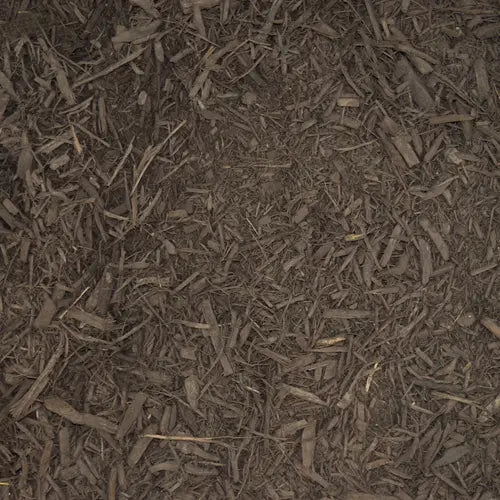
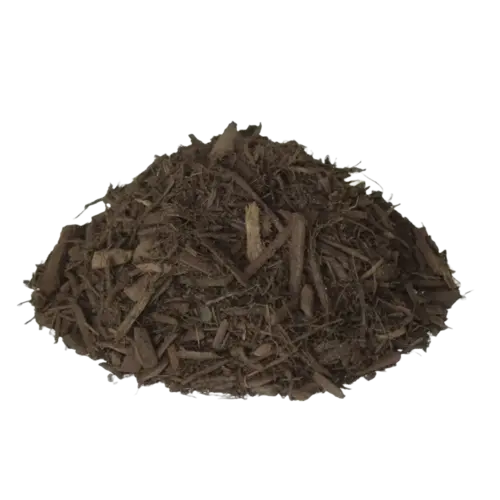
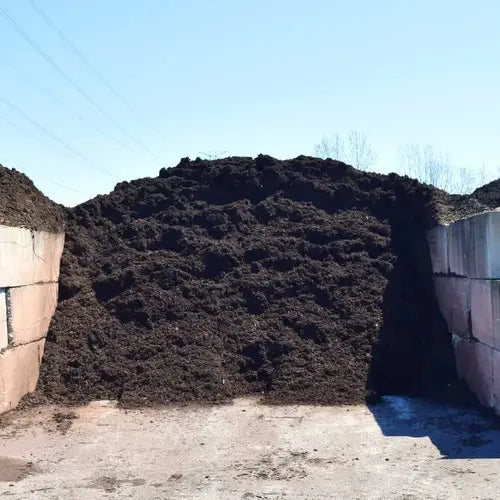
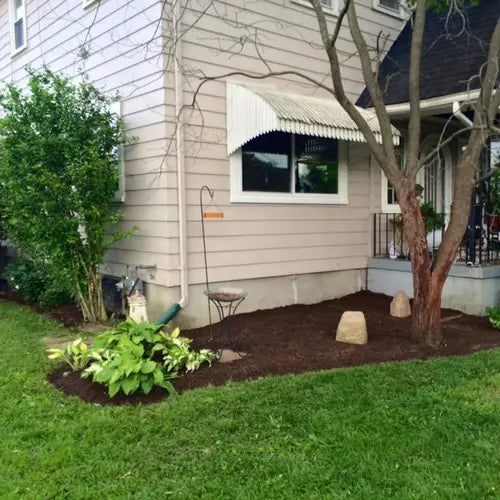
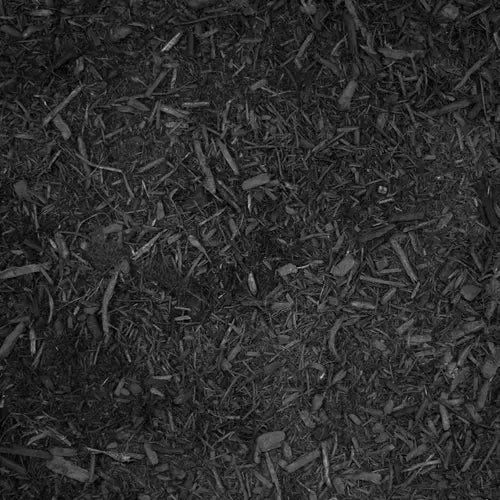
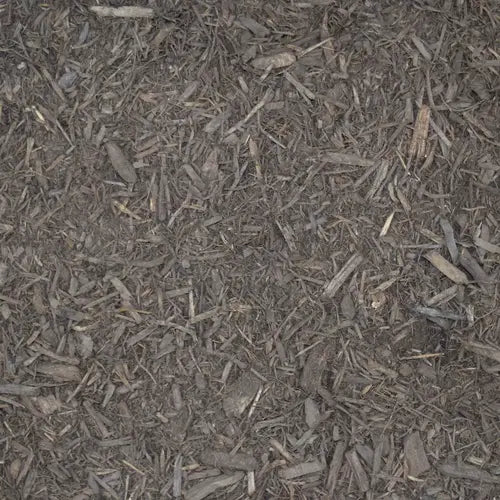
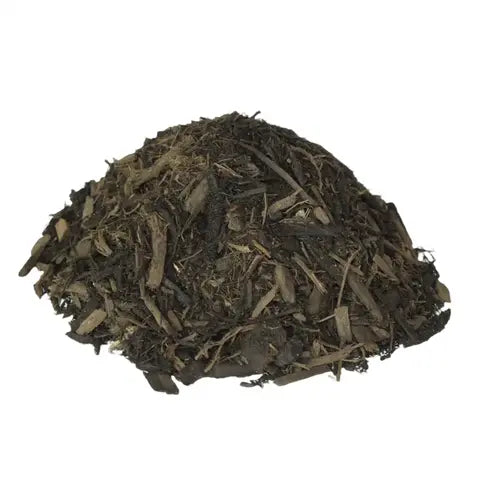
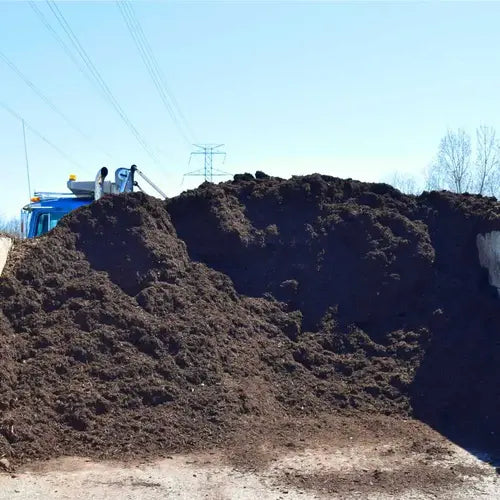
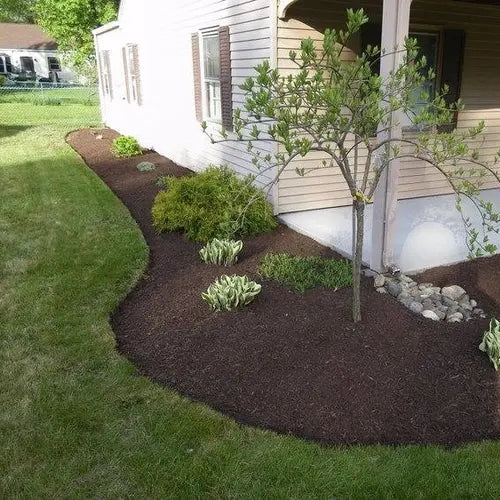
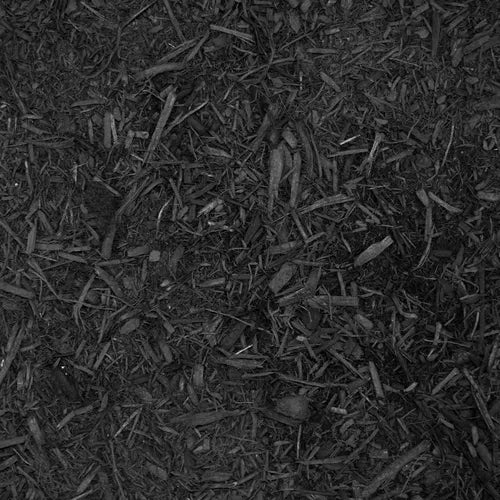
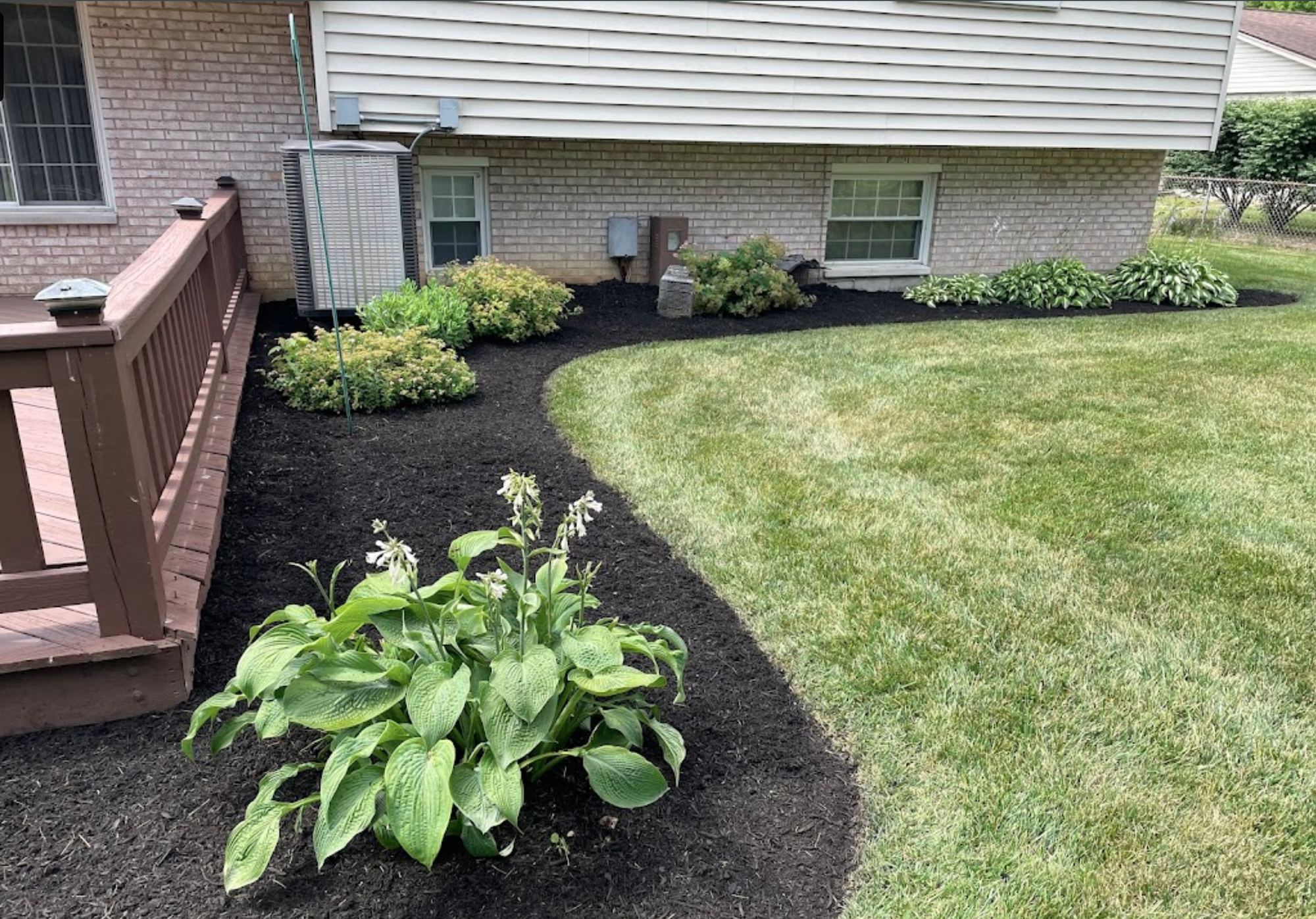
Warm brown double shredded mulch with lasting color that looks freshly applied for weeks. Spreads smooth, stays put, and gives beds a natural, polished appearance.
I highly recommend Mulch Mound. The quality of the mulch is very good. The ordering system on their website makes it very easy. The delivery driver did a great job placing the mulch on the driveway. To finish off, the pricing was very reasonable as well.
Tell us what you're looking for
Thanks! We received your request.
Something went wrong. Please try again.
How Much Material Do I Need?
For most Niagara Falls planting beds with underlying silt loam, two to three inches of mulch strikes the right balance — deep enough to retain moisture between rain events and suppress weeds through the growing season, but not so thick that it keeps the naturally moisture-retentive native soil saturated after heavy spring precipitation.
Use our free mulch calculator
What is a yard?
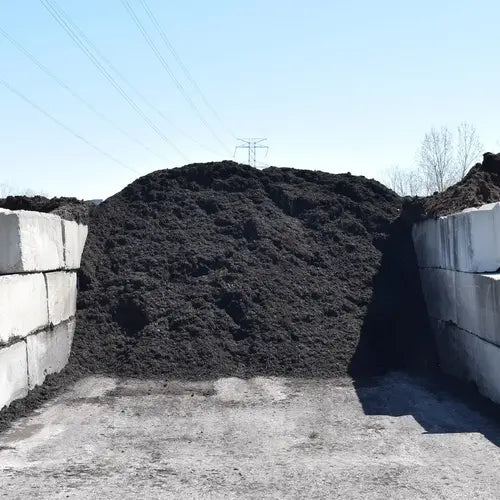
A yard is approximately 27 cubic feet. As a general guideline, one yard of material can cover an area of about 100-160 square feet at a 2-3 inch depth.
We can't take orders for this right now. Tell us what you need and we'll get back to you.
What do you need?
Thanks! We received your request.
Something went wrong. Please try again.
Hand-picked local yards
4,000+ regional deliveries
Dedicated support
Why order through Mulch Mound
The best local mulch, without the guesswork.
We hand-pick and partner with the best yards in your region, keep only the ones our buyers rate well, and back each load with our guarantee.
Mulch Mound Guarantee
If your mulch isn't the quantity or quality you ordered, we'll make it right.
About this mulch
Warm brown double shredded mulch with lasting color that looks freshly applied for weeks. Spreads smooth, stays put, and gives beds a natural, polished appearance.
I highly recommend Mulch Mound. The quality of the mulch is very good. The ordering system on their website makes it very easy. The delivery driver did a great job placing the mulch on the driveway. To finish off, the pricing was very reasonable as well.
How Much Material Do I Need?
For most Niagara Falls planting beds with underlying silt loam, two to three inches of mulch strikes the right balance — deep enough to retain moisture between rain events and suppress weeds through the growing season, but not so thick that it keeps the naturally moisture-retentive native soil saturated after heavy spring precipitation.
Use our free mulch calculator
What is a yard?
A yard is approximately 27 cubic feet. As a general guideline, one yard of material can cover an area of about 100-160 square feet at a 2-3 inch depth.
I highly recommend Mulch Mound. The quality of the mulch is very good. The ordering system on their website makes it very easy. The delivery driver...
Read full review
I highly recommend Mulch Mound. The quality of the mulch is very good. The ordering system on their website makes it very easy. The delivery driver did a great job placing the mulch on the driveway. To finish off, the pricing was very reasonable as well.
They offered a quick turnaround and delivered high quality mulch at a reasonable price. They also dropped it off exactly where I told them to put i...
Read full review
They offered a quick turnaround and delivered high quality mulch at a reasonable price. They also dropped it off exactly where I told them to put it. Good service!
To estimate mulch needs for your Niagara Falls beds, measure the total square footage of each planting area and target a two-to-three-inch application depth — sufficient to suppress weeds and protect silt loam from rainfall compaction without over-saturating the root zone through wet spring periods. One cubic yard covers roughly 100 to 160 square feet depending on depth; if you're refreshing an existing layer that's still partially intact from last season, a one-inch top-dress is usually all that's needed to restore both function and appearance.
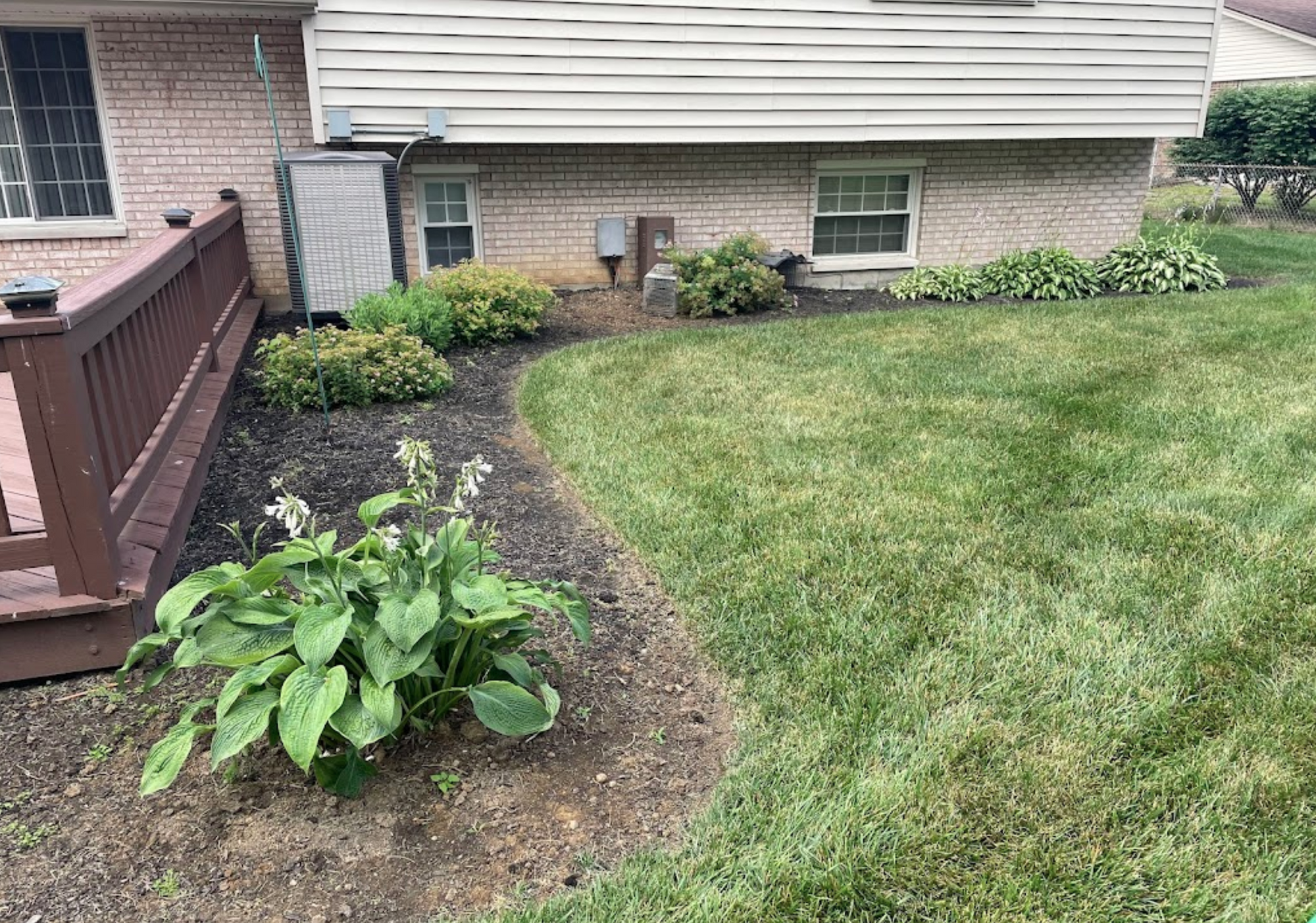
Mulch vs. No Mulch: The Difference
Niagara Falls's zone 6b climate delivers genuine seasonal extremes — cold, moisture-laden winters followed by humid summers with consistent rainfall — that accelerate the decomposition of organic mulches faster than you'd expect in drier inland climates. Natural hardwood and wood chip mulches break down into organic matter that meaningfully improves the region's silt loam soil structure over multiple seasons, while dyed mulches deliver longer-lasting color for high-visibility beds but contribute less to long-term soil health. Both perform well in this lake-influenced climate, but knowing how quickly material cycles here helps you plan a realistic annual top-dressing schedule.
Before
After
Best Mulch Choice for Niagara Falls Lawns
Most yards in the Niagara Falls area sit on Silt Loam type of soil. Niagara Falls's silt loam compacts readily under foot traffic and repeated rainfall impact, leaving plant beds with a dense surface layer that repels water and restricts the root growth of new plantings. A consistent mulch layer buffers the energy of the region's 36 inches of annual rainfall, keeping the soil surface open and permeable between storm events.
Hardwood Mulch
Hardwood mulch is particularly well-matched to Niagara Falls's silt loam because as it slowly decomposes it releases humic compounds that bind fine silt particles into more stable aggregates — directly addressing the compaction and surface-crusting tendencies of this soil type. The relatively slow breakdown rate of hardwood also means the mulch layer stays structurally intact through the region's heavy spring rainfall rather than collapsing into the soil quickly the way fine-textured bark products can.
Mulch Types We Deliver in Niagara Falls
Whether you are freshening a flower bed or covering a large yard, bulk mulch delivery in Niagara Falls makes the job easier and more affordable by the cubic yard. The region experiences cold winters and humid summers, so a good mulch layer does real work protecting roots and holding soil moisture through every season.
Dyed Black Mulch
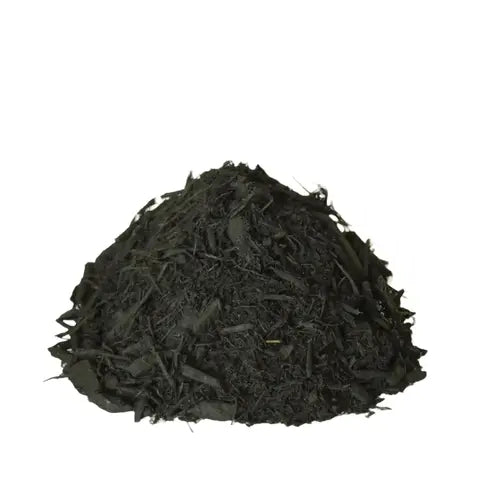
Dyed Black Mulch gives landscape beds a bold, striking look that complements the lighter soils common in western New York. Available in double shredded and triple shredded styles, the rich black color holds up well through the region's wet springs and warm summers, and the fine texture spreads smoothly with minimal effort.
Dyed Brown Mulch
Dyed Brown Mulch suits the traditional ranch and colonial homes common throughout this area, giving beds a warm, finished appearance that does not overwhelm the landscape. It comes in double shredded and triple shredded cuts, holds its color through rainy seasons, and stays firmly in place on the sloped yards typical of this region.
Natural Brown Mulch
Natural Brown Mulch is a great fit for gardeners who prefer an undyed, organic look that blends naturally with the clay and loam soils found across this part of New York. Available in double shredded, it brings a clean earthy tone to beds and breaks down into the soil as the season progresses.
Complete Your Outdoor Mulch Project
Pair your mulch delivery with a quality garden soil or compost blend to refresh depleted silt loam beds before you mulch — loosening and amending the soil first dramatically improves how well moisture and nutrients move through the root zone here. Consider adding decorative stone edging along bed borders as well, which keeps mulch contained through Niagara Falls's heavy spring rains rather than letting it migrate into lawn areas.
In Niagara Falls, the stretch between late April and mid-May is your ideal mulching window, but don't rush it. The last average frost falls around April 15, yet at 614 feet elevation the soil here often needs another week or two to consistently warm above 50°F. Mulching too early traps cold air in the root zone and delays establishment for perennials and new transplants. Wait until daytime temperatures are regularly in the 60s before laying your full layer — the extra days make a real difference to root development.
Mulch Mound Pro Tip
Before spreading mulch each spring, take five minutes to break up the soil surface in your Niagara Falls beds with a garden fork. The silt loam here seals over through winter's repeated freeze-thaw cycles, leaving a compacted crust by April that dramatically slows water infiltration. Loosening just the top inch before you mulch allows moisture to penetrate freely beneath the mulch layer rather than sheeting off — something that matters a great deal once the region's heavy May rains begin rolling in.
Mulch Mound Pro Tip
With 36 inches of annual rainfall — much of it arriving in intense spring and fall events — Niagara Falls beds are regularly tested for erosion resistance. Shredded hardwood mulch outperforms bark nuggets and coarse chips on this front because its fibrous pieces interlock as they settle, creating a mat-like surface that stays put through downpours. Refresh this layer each spring before the heaviest rains arrive to maintain its erosion-control function and keep your beds looking sharp through the wet half of the growing season.
Frequently Asked Questions
Click a question to see the answer
Answer
When is the best time to mulch in Niagara Falls?
The ideal mulching window in Niagara Falls is the two-week stretch just after the average last frost around April 15, once soil has begun to warm but before the first heavy wave of weed seeds germinates. Applying two to three inches of mulch in late April locks in rising soil warmth and prevents the sustained May rains typical of this lake-influenced region from triggering a flush of weeds across open beds.
Answer
How thick should I apply mulch given our silt loam soil?
Two to three inches is the right target for most Niagara Falls beds underlaid with silt loam. That soil type retains moisture well on its own, so exceeding three inches risks keeping the root zone oversaturated after the region's frequent spring rain events — conditions that promote crown rot in perennials and fungal issues in shrubs. For beds under large trees that shed leaves heavily, a thinner two-inch layer is often enough.
Answer
Will organic mulch break down faster here because of all the moisture near the Falls?
Yes — the combination of Niagara Falls's lake-influenced humidity, consistent 36-inch annual rainfall, and warm summers accelerates the decomposition of organic mulches like hardwood and wood chips noticeably faster than you'd see in drier inland climates. Plan to top-dress beds annually to maintain functional depth, and recognize that decomposed mulch is simultaneously adding organic matter to your silt loam — a real benefit given that the native soil here can be lean in humus content.
Answer
Does dyed mulch hold its color through Niagara Falls winters and wet springs?
Dyed mulch fades in any climate, but Niagara Falls's wet-dry cycling in spring and UV exposure through summer pull color out faster than manufacturer estimates suggest for drier regions. Expect black or brown dyed mulch to look its best for one full growing season; a light top-dressing in year two refreshes the appearance without requiring a full replacement. Keeping mulch depth consistent also slows fading by reducing how much sun penetrates to older layers.
Answer
How do I keep mulch from washing away during Niagara Falls's heavy spring downpours?
On sloped beds or areas that receive sheet flow from the region's frequent spring storms, shredded hardwood mulch significantly outperforms nuggets and bark chips for staying put. The interlocking fibrous texture of shredded material forms a mat-like surface that resists displacement even during heavy downpours. For beds on grades steeper than twenty percent, installing steel landscape edging at the downhill border also helps anchor mulch and prevents it from migrating into lawn areas after a major rain event.
Answer
Should I pull mulch away from plant crowns before the October frost arrives?
Yes — clearing a two-to-four-inch gap around the crowns of perennials and woody shrubs before October 10 is a smart habit in Niagara Falls. The lake-effect moisture that lingers into fall keeps mulch-covered crowns damp for extended stretches, creating ideal conditions for fungal infections. Once plants are fully dormant after the first hard frost, you can gently push mulch back in close to — but not touching — plant bases to provide winter insulation.
Answer
Can mulch actually help with the compaction problem in my silt loam beds?
Absolutely. Silt loam in this region is prone to surface compaction from foot traffic and from the repeated wetting and drying cycles that Niagara Falls's climate delivers across the growing season. A consistent mulch layer absorbs the impact energy of rainfall, preventing the soil surface from sealing over and losing pore space. Over several seasons, as that mulch decomposes it incorporates organic matter into the silt loam, improving aggregate structure and making the soil progressively easier for new roots to penetrate.
The Unique Landscape of Niagara Falls
Niagara Falls's native silt loam soil seals over quickly when exposed to repeated rainfall, forming a surface crust that limits water infiltration and makes it harder for plant roots to expand through open beds. With 36 inches of annual precipitation and a climate heavily influenced by proximity to the Great Lakes, bare soil in this region compacts and erodes faster than in drier inland areas — a quality mulch layer acts as a critical buffer between rain events and the soil surface. Heavy spring precipitation that typically arrives before plants are fully established also triggers aggressive weed germination, and mulching right after the April 15 last frost date cuts off that first flush of crabgrass and dandelions before it takes hold. At an elevation of 614 feet in zone 6b, soil temperatures here take a week or two after the last frost to consistently warm, and a well-timed mulch application traps that rising warmth in the root zone for faster establishment. When first frost arrives around October 10, mulch transitions into a thermal insulator that extends root activity in perennials and woody plants heading into dormancy. Because silt loam retains moisture naturally, depth matters — too much mulch keeps the root zone saturated after wet periods, so calibrating application carefully to this soil type is essential.