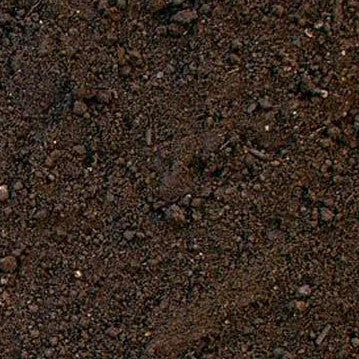
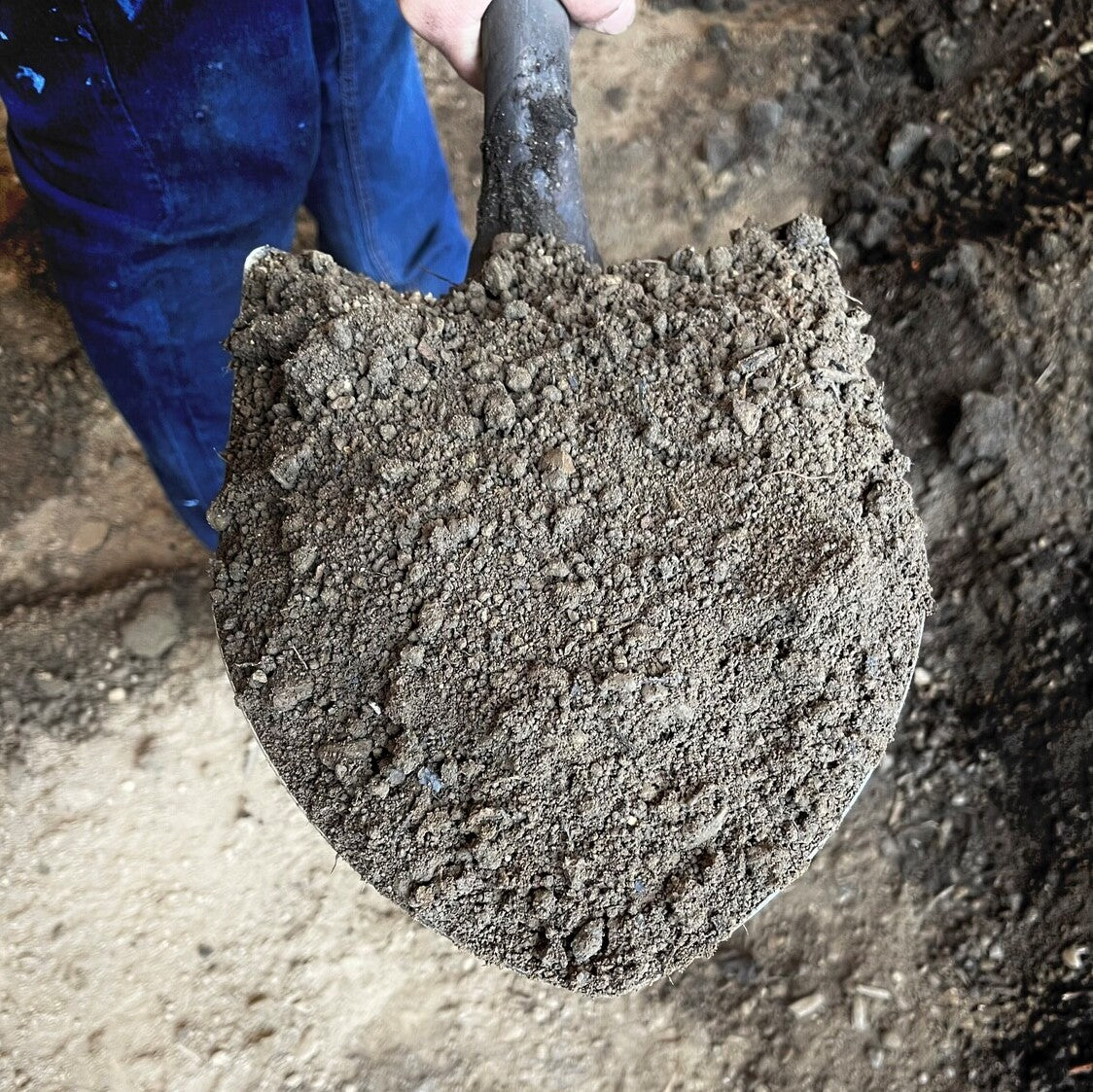
Quality topsoil for lawns, gardens, and landscape projects. Nutrient rich and ready to support strong root development and healthy plant establishment.
We ordered 3 yards of the garden soil, delivered mext day. We used in raised beds 6x3x2. It was more than needed for both but the soil looked good! I added some perlite to add some drainage since this is a little dense.
Tell us what you're looking for
Thanks! We received your request.
Something went wrong. Please try again.
How Much Material Do I Need?
For new garden beds in Niagara Falls, six inches of quality soil placed over loosened native silt loam gives roots an excellent medium to establish in before the growing season gets fully underway after the last frost; for lawn leveling following winter heaving, half an inch to one inch of screened topsoil applied and raked into affected patches is typically sufficient to restore a smooth, even surface.
Use our free soil calculator
What is a yard?
A yard is approximately 27 cubic feet. As a general guideline, one yard of material can cover an area of about 100-160 square feet at a 2-3 inch depth.
What is a yards?
A yard is approximately 27 cubic feet. As a general guideline, one yard of material can cover an area of about 10 feet by 10 feet at a few inches deep.
We can't take orders for this right now. Tell us what you need and we'll get back to you.
What do you need?
Thanks! We received your request.
Something went wrong. Please try again.
Hand-picked local yards
4,000+ regional deliveries
Dedicated support
Why order through Mulch Mound
The best local soil, without the guesswork.
We hand-pick and partner with the best yards in your region, keep only the ones our buyers rate well, and back each load with our guarantee.
Mulch Mound Guarantee
If your soil isn't the quantity or quality you ordered, we'll make it right.
About this soil
Quality topsoil for lawns, gardens, and landscape projects. Nutrient rich and ready to support strong root development and healthy plant establishment.
We ordered 3 yards of the garden soil, delivered mext day. We used in raised beds 6x3x2. It was more than needed for both but the soil looked good! I added some perlite to add some drainage since this is a little dense.
How Much Material Do I Need?
For new garden beds in Niagara Falls, six inches of quality soil placed over loosened native silt loam gives roots an excellent medium to establish in before the growing season gets fully underway after the last frost; for lawn leveling following winter heaving, half an inch to one inch of screened topsoil applied and raked into affected patches is typically sufficient to restore a smooth, even surface.
Use our free soil calculator
What is a yard?
A yard is approximately 27 cubic feet. As a general guideline, one yard of material can cover an area of about 100-160 square feet at a 2-3 inch depth.
What is a yards?
A yard is approximately 27 cubic feet. As a general guideline, one yard of material can cover an area of about 10 feet by 10 feet at a few inches deep.
We ordered 3 yards of the garden soil, delivered mext day. We used in raised beds 6x3x2. It was more than needed for both but the soil looked good!...
Read full review
We ordered 3 yards of the garden soil, delivered mext day. We used in raised beds 6x3x2. It was more than needed for both but the soil looked good! I added some perlite to add some drainage since this is a little dense.
For most Niagara Falls soil projects, measure your area in square feet and select a target depth based on the application: one inch for lawn leveling after winter heaving, four to six inches for new planting beds built over loosened native silt loam, or eight to twelve inches for raised vegetable beds designed to maximize productivity across the full zone 6b growing season. One cubic yard covers 324 square feet at one inch deep or about 54 square feet at six inches; always order a ten-percent buffer to account for settling after Niagara Falls's spring rains compact loose material.
Soil Types We Deliver in Niagara Falls
Whether you are filling raised garden beds, reseeding a lawn, or grading a backyard, having the right foundation soil makes all the difference. We offer bulk topsoil by the yard in Niagara Falls, delivered straight to your property in the quantities you need. Our soil is sourced and screened to meet the demands of this region's clay-heavy native ground and variable seasonal conditions.
Screened Top Soil
Our screened topsoil is carefully processed to remove rocks, clumps, and debris, leaving a clean, workable material ideal for lawns, gardens, and landscape grading. It is nutrient rich and supports strong root development, making it a dependable choice for homeowners throughout western New York dealing with compacted or clay-dense native soils.
Complete Your Outdoor Soil Project
After grading and filling with fresh soil, finish Niagara Falls beds with a two-to-three-inch mulch layer to protect the new soil surface from rainfall compaction and moisture loss during the growing season. Consider adding decorative stone borders along raised bed edges to hold soil in place and prevent erosion during the heavy spring downpours that are a regular part of this region's calendar.
How do I know if I need to bring in new soil versus just amending what I already have?
If your native silt loam has compacted to the point where water pools on the surface after rain, plants struggle to establish despite fertilizing, or a screwdriver won't penetrate more than three to four inches, bringing in fresh soil is usually more efficient than repeated amendment cycles. Amending makes sense for garden beds with moderate fertility issues, but for large-scale lawn leveling, grading drainage swales, or building new planting beds in Niagara Falls, bulk soil lets you work above the problem layer rather than fighting it from below.
Answer
What's the best soil blend for raised vegetable garden beds in Niagara Falls?
A blended garden mix combining screened topsoil with quality compost performs best for Niagara Falls vegetable beds. The native silt loam in this region compacts too readily in raised-bed environments that are frequently watered — a loose, compost-enriched blend maintains the open structure roots need, drains well despite the region's heavy spring precipitation, and warms faster in the spring so you can get transplants in the ground close to the April 15 last frost date without stunting early growth.
Answer
How does the silt loam here affect lawn leveling projects after winter?
Silt loam heaves and shifts unevenly through freeze-thaw cycles, and Niagara Falls winters put the ground through repeated freezing and thawing events from October through April — leaving most lawns with visible ridges and depressions by the time spring arrives. When leveling, use screened topsoil or a topsoil-sand blend that won't compact excessively when wet; filling low spots with pure compost or heavy clay fill just replicates the same heaving problem in the next cold season.
Answer
When should I schedule a soil delivery to prepare vegetable beds before the last frost?
Order your soil delivery in mid-to-late March so material is in place and beginning to settle before the April 15 average last frost. This gives you time to spread, rake, and firm the soil into raised beds, let spring rains help it settle naturally, and get transplants or direct-sow seeds in the ground the moment overnight temperatures are reliably above freezing. In Niagara Falls's zone 6b growing season — which closes around October 10 — every week of early-season advantage translates directly into greater yield.
Answer
Can I use bulk topsoil to fix the low spots in my yard that collect water after every spring rain?
Yes — bulk topsoil is one of the most cost-effective fixes for Niagara Falls yards with persistent low spots, provided the pooling is caused by grade issues rather than subsurface drainage failure. For shallow depressions where water sits for a day or two after rain but eventually drains away, filling with screened topsoil and reseeding typically solves the problem within one growing season. If water sits for more than 48 hours without draining, a French drain or subsurface solution may also be needed before adding fill.
Answer
How much soil do I need to level my lawn in Niagara Falls after a hard winter?
One cubic yard of topsoil covers roughly 300 square feet at one inch deep — but Niagara Falls lawns often need more than that after a winter of significant heaving. Walk your lawn in early spring once the soil has thawed and mark all visible depressions; calculate your total square footage and figure a quarter to half inch of fill for minor undulations, or up to two inches for more pronounced low spots. Order ten to fifteen percent more than your calculation to account for settling after the first several spring rains compact the fresh material.
Answer
Will brought-in topsoil drain better than the native silt loam in my yard?
Quality screened topsoil generally drains better than undisturbed silt loam that has been compacted by years of foot traffic, freeze-thaw cycling, and rainfall impact in Niagara Falls yards. That said, drainage performance depends on the subsoil beneath your project — if a hardpan compaction layer exists from decades of compression, even excellent topsoil will drain slowly until you address the underlying restriction with aeration or mechanical loosening before placing fill.
Mulch Mound Pro Tip
In Niagara Falls, the optimal window for soil work is the brief stretch in late March to early April when the ground has fully thawed but hasn't yet been saturated by the heaviest spring rains. Working silt loam — even high-quality brought-in topsoil — while it's waterlogged destroys soil structure by crushing pore spaces that took seasons to develop. Check the forecast before scheduling your delivery and aim to spread and grade during a dry stretch, waiting at least 48 hours after any significant rain event before attempting detailed finish work.
Mulch Mound Pro Tip
Raised beds are one of the highest-return soil investments a Niagara Falls homeowner can make given the region's compact native silt loam and a growing season that closes hard around October 10. Elevating the root zone six to twelve inches above grade sidesteps compaction entirely and allows the soil to warm two to three weeks earlier in spring — a meaningful advantage in zone 6b where the gap between last and first frost is roughly 178 days. Fill raised beds with a compost-blended garden mix and you'll see establishment speed and plant vigor that native silt loam alone simply cannot match.
Mulch Mound Pro Tip
Bulk soil always settles after delivery, and in Niagara Falls that process is accelerated by the region's frequent spring rain events. For any project where final grade accuracy matters — lawn leveling near a foundation, bed construction along a drainage swale, or pathway edging — overfill your target area by fifteen to twenty percent on day one and allow one or two natural rain events to compact the material before making final grade adjustments. Trying to achieve a perfect finish grade immediately almost always means revisiting the work after the first significant May downpour reshapes the surface.
The Unique Landscape of Niagara Falls
Niagara Falls sits on native silt loam that is moderately fertile but carries persistent challenges — chief among them a tendency to compact under foot traffic and become waterlogged after heavy spring rains that can deposit several inches of moisture in a single week. The region's 36 inches of annual precipitation, heavily front-loaded in spring, leaves low-lying yard areas standing with water for days when the dense native soil reaches saturation and can absorb no more. Brought-in topsoil and garden blends let you build beds and correct grades above the compaction layer, giving roots a fresh, loose medium to establish in before the short growing season gets underway. At an elevation of 614 feet in zone 6b, soil here is also slow to warm each spring — amended, loosened soil warms measurably faster and allows earlier planting after the April 15 last frost date. Whether you're leveling a lawn that heaved through repeated freeze-thaw cycles between November and April or constructing raised vegetable beds that need to be productive before the October 10 first frost closes the season, quality bulk soil makes the difference between a frustrating year and a productive one. Understanding the specific drainage and compaction characteristics of Niagara Falls's native silt loam helps you choose the right blend and apply it effectively.