




Ordered Dirt. Received Dirt. Would Buy Again.
About this soil
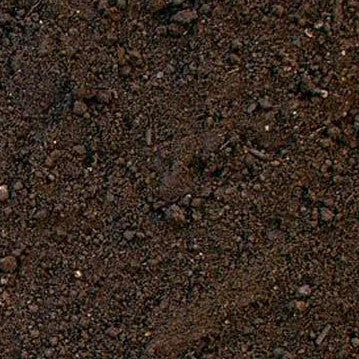
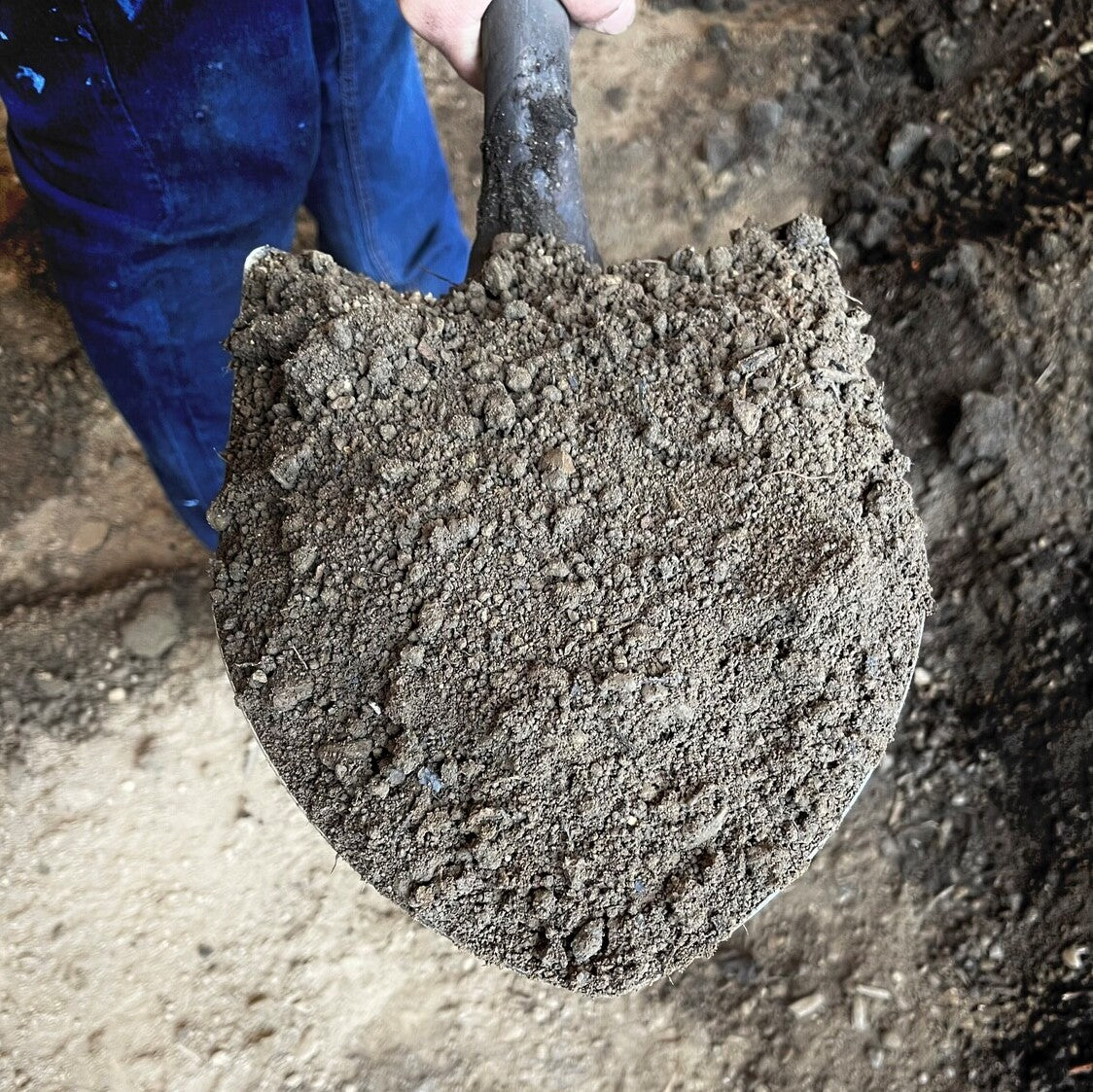
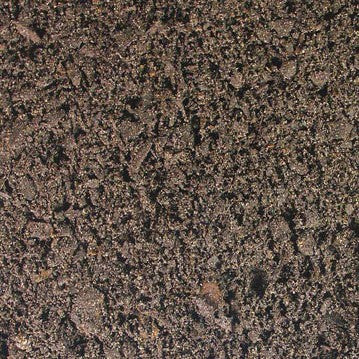
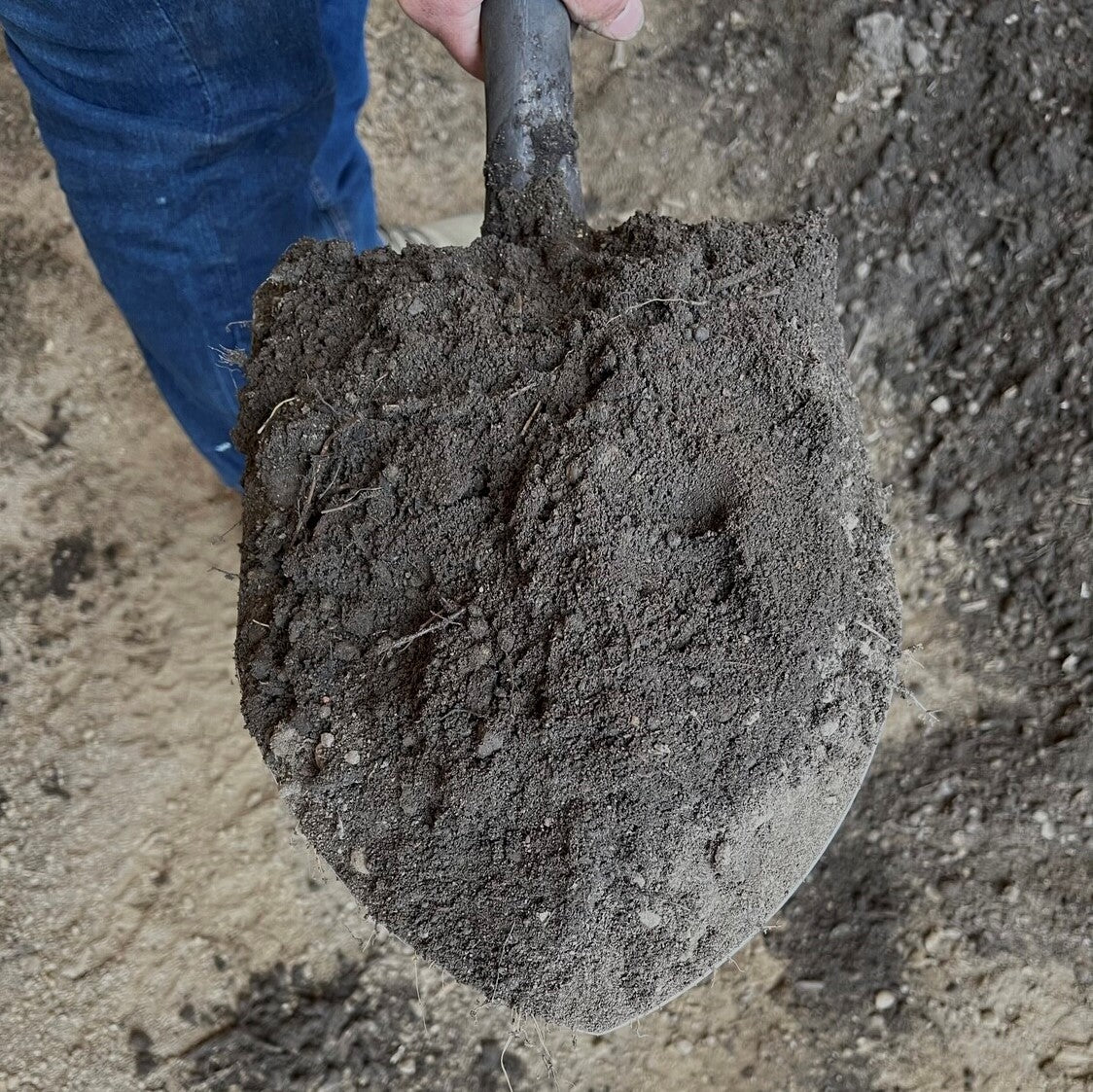
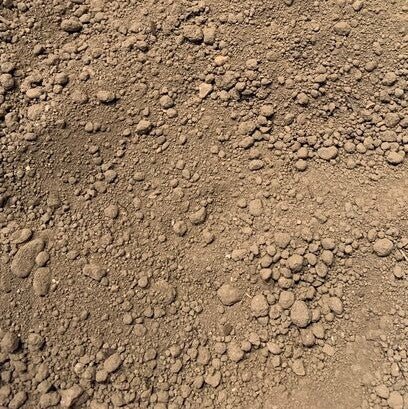
Screened topsoil with a fine, even texture. Ideal for new lawns, sod prep, and raised garden beds.
Ordered Dirt. Received Dirt. Would Buy Again.
Tell us what you're looking for
Thanks! We received your request.
Something went wrong. Please try again.
How Much Material Do I Need?
How Much Material Do I Need?
Plan on 4 to 6 inches of quality soil for new planting beds and 12 inches or more for raised vegetable boxes. Lawn topdressing should stay at a quarter to half an inch per application so you do not bury the crowns of existing grass.
Use our free soil calculator
What is a Yard?
What is a Yard?
FAQs
FAQs
Noblesville Soil Delivery
Noblesville Soil Delivery
Regular price
$55.00
per
Yard
Regular price
Sale price
$55.00
Unit price
per
Shipping calculated at checkout.
Minimum of 3 Yard
Couldn't load pickup availability
Not currently available
We can't take orders for this right now. Tell us what you need and we'll get back to you.
Hand-picked local yards
4,000+ regional deliveries
Dedicated support
Why order through Mulch Mound
The best local , without the guesswork.
We hand-pick and partner with the best yards in your region, keep only the ones our buyers rate well, and back each load with our guarantee.
Mulch Mound Guarantee
If your isn't the quantity or quality you ordered, we'll make it right.
About this soil
Screened topsoil with a fine, even texture. Ideal for new lawns, sod prep, and raised garden beds.
Ordered Dirt. Received Dirt. Would Buy Again.
How Much Material Do I Need?
How Much Material Do I Need?
Plan on 4 to 6 inches of quality soil for new planting beds and 12 inches or more for raised vegetable boxes. Lawn topdressing should stay at a quarter to half an inch per application so you do not bury the crowns of existing grass.
Use our free soil calculator
What is a Yard?
What is a Yard?
FAQs
FAQs
Tell us what you're looking for
Thanks! We received your request.
Something went wrong. Please try again.
How It Works
Getting started is easy — just follow these simple steps
1
Choose your soil
Make sure you adjust the quantity to your home's needs. You can use our calculator to estimate how much you'll need.
2
Select your delivery date
Select a delivery date you'd like for the product to be dropped off at your home
3
Sit back and wait
Sit back, wait, and let us work our magic to make sure the highest quality product is delivered to your driveway.


Placing an order online was so easy. Delivery was on time. When the driver realized we had a newly poured driveway they erred on the side of cautio...
Read full review
Placing an order online was so easy. Delivery was on time. When the driver realized we had a newly poured driveway they erred on the side of caution and opted not ti drive in it. The company even sent me a message explaining that call. Would recommend!
Need Help Calculating How Much Soil You Need?
Use our NEW Trace from Satellite tool to get an estimate for your project based on an aerial view of your property
Try Our CalculatorMeasure length times width in feet, multiply by the depth in inches, then divide by 324 to get cubic yards. Take a few depth readings across the area, since Noblesville lots rarely settle evenly and one corner often needs twice what another does. Order about ten percent extra because loose soil compacts substantially once it is raked out and rained on.
Complete Your Outdoor Soil Project
Add compost to boost organic matter in compacted silt loam, plus grass seed and straw if you are repairing turf, and a few yards of mulch to cap finished beds. Edging keeps your new soil in place through the first heavy Noblesville rain.
Mulch Mound Pro Tip
Never work Noblesville silt loam when it is wet. Squeeze a handful into a ball and drop it from waist height. If it holds together in a slick lump, wait a few more days. Tilling or raking saturated silt destroys the crumb structure and leaves rock hard clods that take a full season of freezing and thawing to break apart. Dry ground crumbles between your fingers and is ready to work.
Mulch Mound Pro Tip
Feather the edges when you fill a low area. A sharp lip between new soil and existing turf collects water and scalps under the mower. Instead, taper the fill out over several feet so the transition is invisible, then rake it smooth and roll it lightly. On flat Noblesville lots this feathering is what keeps water moving toward the swale instead of parking in the middle of your yard.
Mulch Mound Pro Tip
Get a soil test before you invest in amendments. Purdue Extension offers testing through the Hamilton County office, and results tell you whether your silt loam is short on phosphorus or sitting at a pH that locks up nutrients. Many Noblesville yards run slightly alkaline, which explains yellowing pin oaks and struggling blueberries. Knowing the numbers saves you from buying fertilizer your soil does not need.
The Unique Landscape of Noblesville
Most Noblesville yards sit on silt loam, a soil that is naturally fertile but often stripped, scraped, and compacted during construction in the fast growing neighborhoods east of the White River. What is left behind the builder grade sod is frequently dense subsoil that drains poorly, which is a real problem when 46 inches of rain a year lands on it. Adding quality screened topsoil or a compost blend rebuilds the organic layer that lets roots breathe and water move down instead of pooling. Elevation here runs around 791 feet with gentle grades, so low spots hold water for days after a spring storm unless they are filled and shaped properly. Good soil also gives zone 6a plantings the head start they need in a season bracketed by an April 25 last frost and an October 12 first frost.