




I needed 3 yards of top soil and that's what I got! Right on time and right where I asked it to be placed (Order# 2041).
About this soil
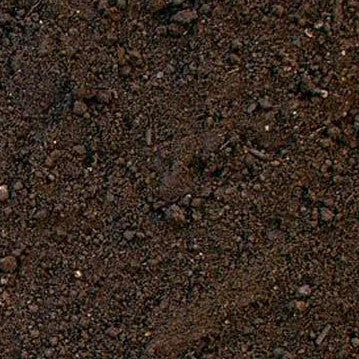
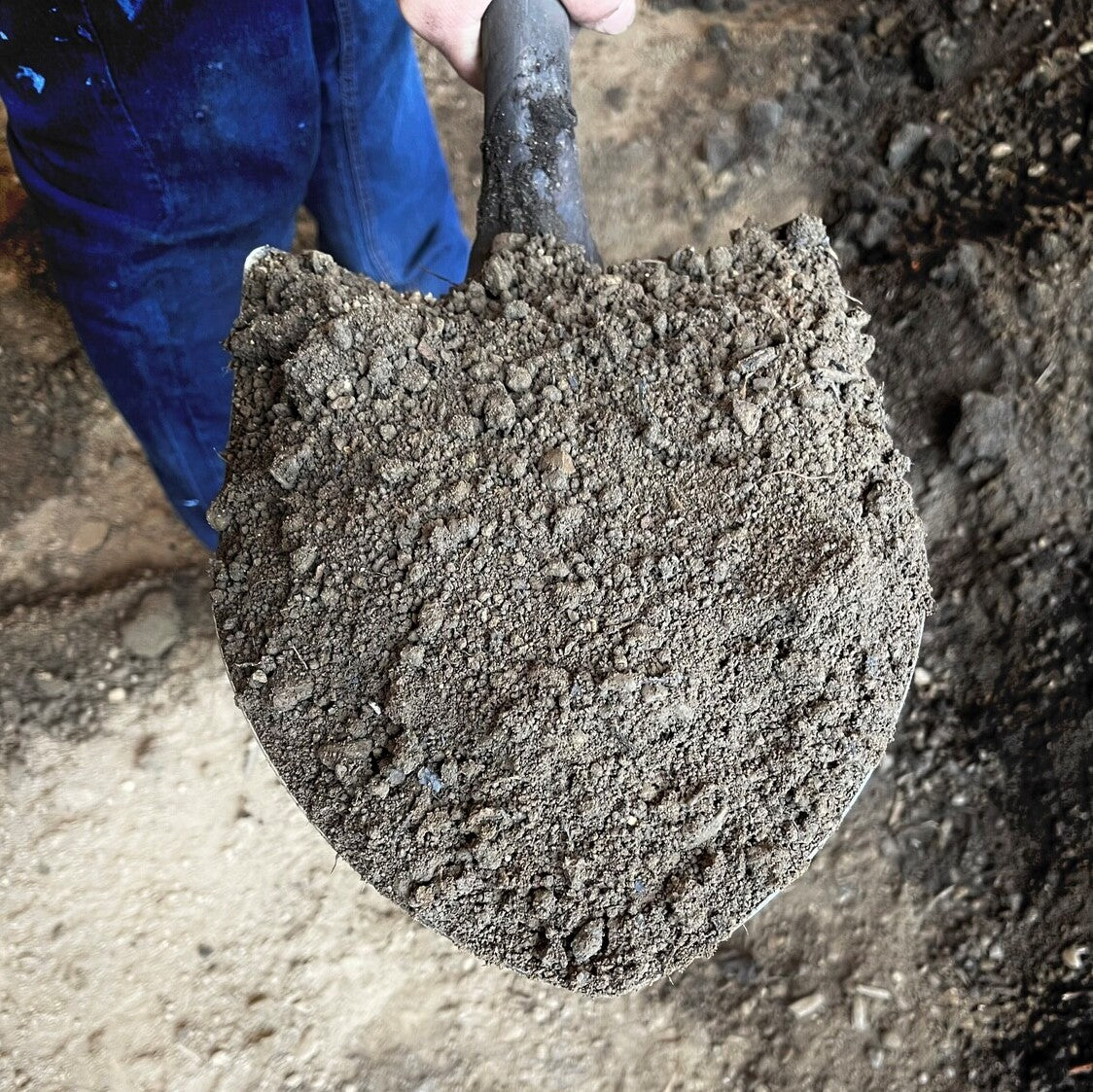
Quality topsoil for lawns, gardens, and landscape projects. Nutrient rich and ready to support strong root development and healthy plant establishment.
I needed 3 yards of top soil and that's what I got! Right on time and right where I asked it to be placed (Order# 2041).
Tell us what you're looking for
Thanks! We received your request.
Something went wrong. Please try again.
How Much Material Do I Need?
How Much Material Do I Need?
For topdressing North Port lawns, plan for about 1 to 1.5 inches of soil spread across the target area and worked gently into the turf. For new planting beds or raised beds built over sandy native soil, a depth of 8 to 12 inches of quality imported soil gives roots enough material to establish before they reach the lower-nutrient sandy layer beneath.
Use our free soil calculator
What is a yard?
What is a yard?
FAQs
FAQs
North Port Soil Delivery
North Port Soil Delivery
Regular price
$58.00
per
yard
Regular price
Sale price
$58.00
Unit price
per
Shipping calculated at checkout.
Couldn't load pickup availability
Not currently available
We can't take orders for this right now. Tell us what you need and we'll get back to you.
Hand-picked local yards
4,000+ regional deliveries
Dedicated support
Why order through Mulch Mound
The best local soil, without the guesswork.
We hand-pick and partner with the best yards in your region, keep only the ones our buyers rate well, and back each load with our guarantee.
Mulch Mound Guarantee
If your soil isn't the quantity or quality you ordered, we'll make it right.
About this soil
Quality topsoil for lawns, gardens, and landscape projects. Nutrient rich and ready to support strong root development and healthy plant establishment.
I needed 3 yards of top soil and that's what I got! Right on time and right where I asked it to be placed (Order# 2041).
How Much Material Do I Need?
How Much Material Do I Need?
For topdressing North Port lawns, plan for about 1 to 1.5 inches of soil spread across the target area and worked gently into the turf. For new planting beds or raised beds built over sandy native soil, a depth of 8 to 12 inches of quality imported soil gives roots enough material to establish before they reach the lower-nutrient sandy layer beneath.
Use our free soil calculator
What is a yard?
What is a yard?
FAQs
FAQs
Tell us what you're looking for
Thanks! We received your request.
Something went wrong. Please try again.
How It Works
Getting started is easy — just follow these simple steps
1
Choose your soil
Make sure you adjust the quantity to your home's needs. You can use our calculator to estimate how much you'll need.
2
Select your delivery date
Select a delivery date you'd like for the product to be dropped off at your home
3
Sit back and wait
Sit back, wait, and let us work our magic to make sure the highest quality product is delivered to your driveway.

Highest compliments. Great driver.
Website is easy to navigate. Just a seamless process. 5 stars!!

Need Help Calculating How Much Soil You Need?
Use our NEW Trace from Satellite tool to get an estimate for your project based on an aerial view of your property
Try Our CalculatorTo calculate how much soil you need, measure the length and width of the area in feet and multiply them together, then multiply by the desired depth in feet to get cubic feet, and divide by 27 to convert to cubic yards. In North Port, where soil settles into the sandy base below more than it would in a clay-heavy environment, ordering 10 to 15 percent more than your calculation shows is a wise buffer. That extra material covers the inevitable settling that happens after the first few summer rain events.
Soil Types We Deliver in North Port
North Port homeowners and landscapers rely on quality bulk soil delivery to build healthy yards in a region where the native sandy ground often needs a serious boost. Whether you are laying new sod, filling raised beds, or preparing a planting area, ordering bulk topsoil by the yard in North Port is the most cost-effective way to get the volume you need. We deliver straight to your driveway or job site, measured and priced by the cubic yard.
Screened Top Soil
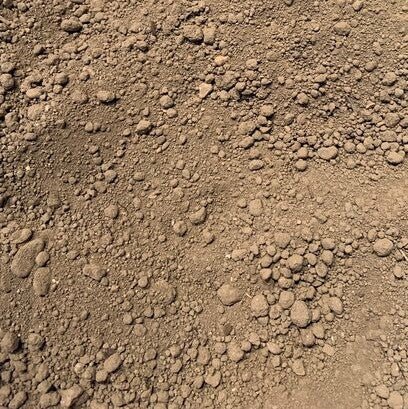
Our screened topsoil is processed to remove rocks, clumps, and debris, leaving a fine, consistent texture that spreads and grades easily. It is an excellent base layer for new lawns and sod installations, and it enriches the sandy Florida soil that is common throughout this part of Charlotte County. Works well for raised garden beds and general landscape grading.
Complete Your Outdoor Soil Project
After grading or filling with soil, finishing the surface with a layer of mulch helps lock in moisture and protect the new soil from North Port's intense summer downpours. If you are building out a pathway or border alongside your new planting area, our stone products pair well with fresh soil beds to create clean, defined edges that hold up through many wet seasons.


Service area
Areas we deliver soil in North Port, Florida
Mulch Mound Pro Tip
When adding new soil to a North Port lawn for leveling, time your project to coincide with active grass growth, which in this area means late spring through early fall when warm-season turf is putting on the most growth. Grass that is actively growing will push through a thin topdressing layer much faster, reducing the time your yard looks patchy or uneven. Avoid heavy topdressing between December and February when turf growth slows noticeably even without a significant hard frost.
Mulch Mound Pro Tip
North Port's elevation of approximately 20 feet above sea level means regional flooding is less of a concern than in lower-lying coastal areas, but localized drainage problems on individual lots are still common due to the flat terrain and sandy subsurface. When you bring in soil for grading, always establish a positive slope away from your home and toward the street or a defined drainage area. Even a 2 percent grade across a flat yard can make a significant difference in how quickly rainwater moves off your property during the peak of wet season.
Mulch Mound Pro Tip
Building raised garden beds is one of the most effective strategies for North Port gardeners who are tired of fighting the native sandy soil. A raised bed filled with a quality soil and compost blend gives you complete control over drainage, nutrient levels, and soil temperature, and allows you to start planting almost immediately after construction. With North Port's growing season extending nearly year-round in Zone 10a, a well-built raised bed filled with good imported soil can produce multiple crop cycles without the constant amendments that in-ground sandy soil demands.
The Unique Landscape of North Port
North Port was developed largely on top of sandy, nutrient-poor soil that drains rapidly and provides very little organic matter for plants to draw from. Whether you are building a vegetable garden, leveling a low spot in your lawn, or creating a new raised bed, bringing in quality soil is often the first and most important step in any successful planting project in this area. The native sandy base works against gardeners and landscapers by letting water and fertilizer pass through before roots can absorb them, which drives up both water bills and input costs over a growing season. Grading projects in North Port also benefit from a good fill soil because the existing sandy base offers little structural integrity and compacts unevenly when disturbed. Adding quality topsoil or garden mix creates the foundation that allows North Port's long growing season, which runs nearly year-round in Zone 10a, to actually produce consistent results.