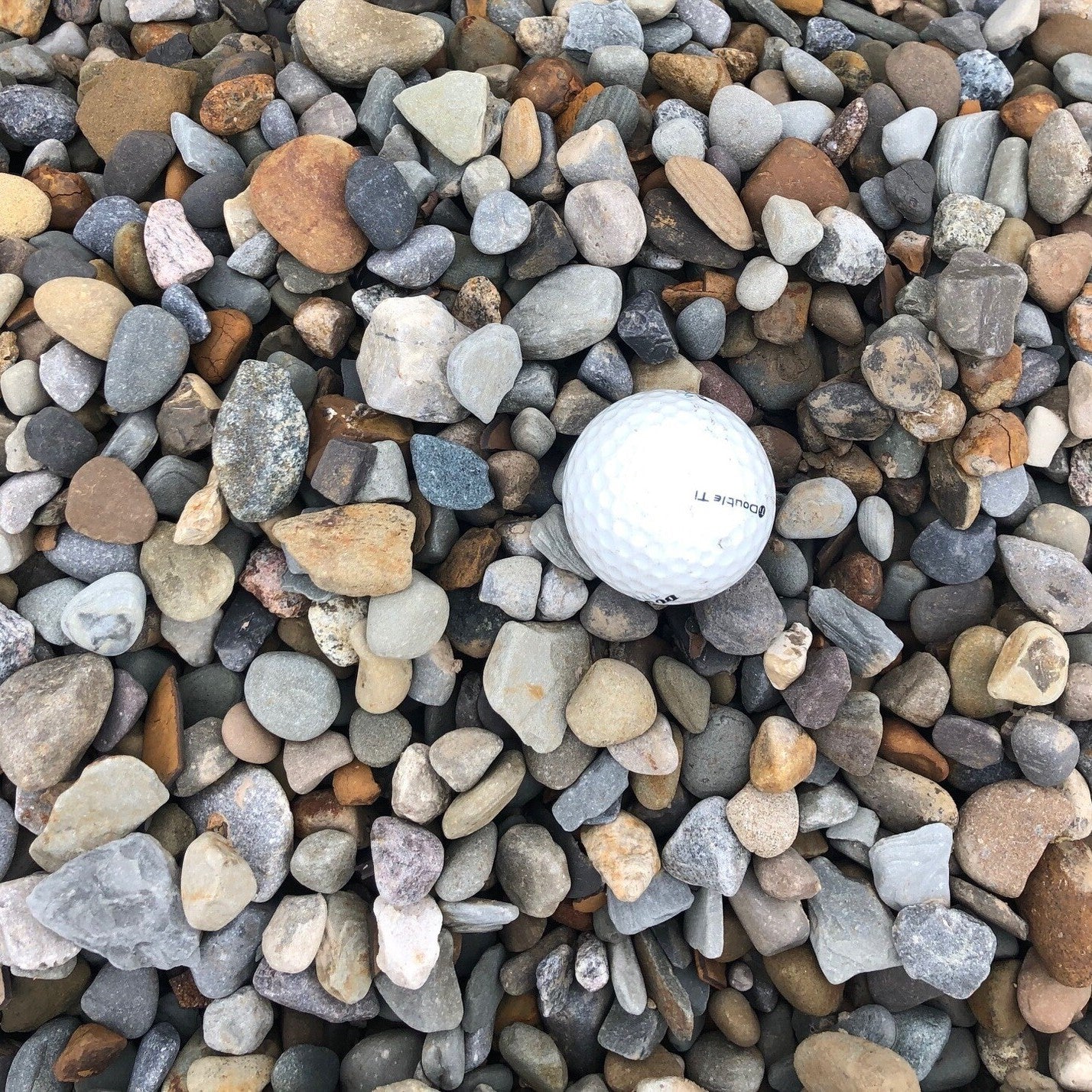
Number 57 crushed stone, angular limestone graded to about three quarters of an inch. The standard driveway, base and drainage gravel, it locks together under traffic and drains fast.
Mulch Mound delivered a yard of pea gravel to us. Delivery was on time, driver was friendly and hit a bullseye on the “tarp target”. We used the pea gravel (which was diameter as specified) to fill several muskrat holes around our pond. I would definitely recommend Mulch Mo...
Tell us what you're looking for
Thanks! We received your request.
Something went wrong. Please try again.
How Much Material Do I Need?
For decorative ground cover in North Port plant beds, 2 to 3 inches of stone provides the coverage needed for weed suppression and a polished finished appearance. For drainage swales and erosion control channels, plan for 4 to 6 inches of depth to handle the volume of surface water generated by North Port's intense summer thunderstorms.
Use our free gravel calculator
What is a yard?
A yard is approximately 27 cubic feet. As a general guideline, one yard of material can cover an area of about 100-160 square feet at a 2-3 inch depth.
We can't take orders for this right now. Tell us what you need and we'll get back to you.
What do you need?
Thanks! We received your request.
Something went wrong. Please try again.
Hand-picked local yards
4,000+ regional deliveries
Dedicated support
Why order through Mulch Mound
The best local stone, without the guesswork.
We hand-pick and partner with the best yards in your region, keep only the ones our buyers rate well, and back each load with our guarantee.
Mulch Mound Guarantee
If your stone isn't the quantity or quality you ordered, we'll make it right.
About this stone
Number 57 crushed stone, angular limestone graded to about three quarters of an inch. The standard driveway, base and drainage gravel, it locks together under traffic and drains fast.
Mulch Mound delivered a yard of pea gravel to us. Delivery was on time, driver was friendly and hit a bullseye on the “tarp target”. We used the pea gravel (which was diameter as specified) to fill several muskrat holes around our pond. I would definitely recommend Mulch Mo...
How Much Material Do I Need?
For decorative ground cover in North Port plant beds, 2 to 3 inches of stone provides the coverage needed for weed suppression and a polished finished appearance. For drainage swales and erosion control channels, plan for 4 to 6 inches of depth to handle the volume of surface water generated by North Port's intense summer thunderstorms.
Use our free gravel calculator
What is a yard?
A yard is approximately 27 cubic feet. As a general guideline, one yard of material can cover an area of about 100-160 square feet at a 2-3 inch depth.
Mulch Mound delivered a yard of pea gravel to us. Delivery was on time, driver was friendly and hit a bullseye on the “tarp target”. We used the ...
Read full review
Mulch Mound delivered a yard of pea gravel to us. Delivery was on time, driver was friendly and hit a bullseye on the “tarp target”. We used the pea gravel (which was diameter as specified) to fill several muskrat holes around our pond. I would definitely recommend Mulch Mound to a friend!
Placing an order online was so easy. Delivery was on time. When the driver realized we had a newly poured driveway they erred on the side of cautio...
Read full review
Placing an order online was so easy. Delivery was on time. When the driver realized we had a newly poured driveway they erred on the side of caution and opted not ti drive in it. The company even sent me a message explaining that call. Would recommend!
To estimate how much stone you need, measure the length and width of the area in feet and multiply to get square footage, then calculate volume based on your desired depth, dividing total cubic feet by 27 to get cubic yards. In North Port, where drainage applications benefit from a thicker layer, plan for at least 3 inches in decorative beds and 4 to 6 inches in drainage channels before placing your order. Stone is considerably denser than mulch or soil, so a cubic yard covers less surface area than you might expect, and adding 10 percent to your estimate ensures full, even coverage.
Stone Types We Deliver in North Port
When you need bulk gravel by the yard in North Port, Mulch Mound delivers straight to your driveway or job site with no trip to the store required. North Port's sandy, fast-draining soil pairs well with decorative and functional stone, making it a popular choice for homeowners who want low-maintenance landscaping. We sell by the cubic yard so you get exactly the volume your project calls for.
Pea Gravel
Smooth and rounded with warm earth tones, pea gravel is one of the most versatile stones for Florida yards. It works beautifully as a pathway surface, patio fill, or decorative ground cover, and its natural drainage qualities suit North Port's rainy season well. A clean, polished look with very little upkeep.
Complete Your Outdoor Stone Project
Stone borders and pathways pair beautifully with fresh mulch beds, and combining both materials lets you use each one where it performs best throughout your North Port property. If you are also adding or regrading soil in planting areas adjacent to your stone installation, completing the soil work first ensures a stable, well-drained base before the stone goes down.
In North Port's climate, stone beds near outdoor living spaces serve double duty as both a decorative element and a practical solution for the bare, weedy soil that develops around patios and pool decks. Sandy soil in high-traffic areas compacts and erodes quickly, leaving unsightly patches between pavers or along edges. Filling these zones with decorative gravel or crushed stone keeps the areas looking tidy year-round without the watering or maintenance demands of turf grass or seasonal flowers.
Mulch Mound Pro Tip
North Port's wet season brings concentrated rainfall from June through September, and poorly managed surface water can undermine plant beds, erode pathways, and create muddy patches that persist for days in low-lying areas of a yard. Installing a dry creek bed lined with river rock along natural drainage paths channels that water efficiently and prevents erosion during peak storm season. Once installed, a stone drainage feature requires almost no ongoing maintenance and actually gains stability as the surrounding sandy soil settles around the rock over time.
Mulch Mound Pro Tip
When using stone around trees and large shrubs in North Port, keep the stone pulled back from the base of the trunk just as you would with mulch. Stone that sits directly against tree bark can trap heat during North Port's long hot season and create a microclimate at the trunk that promotes fungal problems in the humid conditions. A 6 to 12 inch ring of open space between the trunk and the surrounding stone allows airflow and prevents moisture from concentrating where it can cause rot or disease at the base of the plant.
The Unique Landscape of North Port
Decorative and functional stone is one of the most practical landscape materials for North Port properties because it holds up to the intense weather cycles that wear down organic materials quickly. The combination of 54 inches of annual rainfall, intense UV exposure, and periodic drought conditions between winter and early summer makes durable stone an attractive alternative to materials that need frequent replacement or maintenance. North Port's sandy soil also creates drainage challenges in certain areas of a yard, and a properly installed stone layer can help manage surface water flow and prevent erosion in zones where runoff concentrates after summer storms. Stone pathways and borders eliminate the bare-soil problem that leads to mud, worn grass paths, and weed invasion in places where foot traffic is heaviest. Whether used for decorative beds near the foundation, dry creek channels that handle summer stormwater, or low-maintenance ground cover, stone suits North Port's year-round outdoor lifestyle extremely well.
Frequently Asked Questions
Click a question to see the answer
Answer
What type of stone works best for a backyard pathway in my North Port yard?
Pea gravel and crushed granite are both excellent choices for backyard pathways in North Port because they compact reasonably well underfoot while still allowing rainwater to drain through during the summer wet season. Larger river rock tends to shift with foot traffic and is better suited for decorative beds or drainage swales than for walking surfaces. Whatever you choose, installing a landscape fabric barrier beneath the stone is important here because the sandy soil and warm temperatures create ideal conditions for weeds to push up through any gaps.
Answer
Will adding stone to a low area of my yard actually help with the drainage problems I deal with after storms?
Stone is one of the best tools for managing localized drainage problems on North Port's flat, sandy lots. A dry creek bed or gravel-filled channel can redirect summer stormwater away from problem areas and toward the street or a retention zone. Because the sandy subsurface already drains relatively quickly on its own, a stone drainage feature primarily helps control surface water movement during the intense afternoon thunderstorms that characterize June through September.
Answer
Does stone get too hot to walk on barefoot during North Port summers?
Light-colored stones such as white marble chips or buff-colored pea gravel reflect more sunlight and stay noticeably cooler than dark stones like black lava rock, which can become very hot to the touch during North Port's peak summer temperatures. If you are placing stone in an area where people or pets walk barefoot, opt for lighter colors and consider a shaded location. Early morning and evening are far more comfortable times to use stone-covered areas when daytime temperatures are at their highest in July and August.
Answer
How do I keep weeds from growing up through my stone beds when they seem to come back constantly?
Because North Port's climate allows weed seeds to germinate nearly year-round with no meaningful frost until around December 19, weed control in stone areas requires a two-part approach. Start by installing a quality non-woven landscape fabric beneath the stone before spreading it, which blocks most weed growth at the source. The stone layer on top adds weight that keeps the fabric in place even during heavy rain, and periodic hand-pulling of any weeds that emerge through edges or seams keeps the beds looking clean throughout the year.
Answer
Is stone a better choice than mulch near my home's foundation here in Florida?
Stone is an excellent choice for the strip of landscape closest to your foundation in North Port. Unlike organic mulch, stone does not retain moisture against the structure, which reduces the risk of creating a consistently damp environment that attracts termites, a genuine concern in this part of Florida. River rock or decorative gravel paired with landscape fabric creates a clean, finished look that requires almost no maintenance and holds up through years of wet seasons without needing replacement.
Answer
How deep should I lay stone for decorative ground cover beds in my yard?
For decorative ground cover applications in North Port, a depth of 2 to 3 inches of stone provides good weed suppression and an attractive finished appearance. Thinner applications tend to shift and expose the landscape fabric or bare soil beneath, especially after the high-volume rain events common in summer. For drainage applications like dry creek beds, a deeper layer of 4 to 6 inches is more effective at channeling water and resisting displacement during heavy storms.
Answer
What stone size works best for a drainage swale in a North Port yard?
For a drainage swale designed to handle North Port's summer stormwater, a clean washed stone in the 1.5 to 3 inch diameter range works well because it is heavy enough to resist being carried by fast-moving water but still allows water to flow through the channel efficiently. Smaller pea gravel can migrate out of a swale during intense rain events, while very large rock can create gaps that allow erosion of the sandy soil underneath. A medium-sized river rock or crushed stone in that range strikes the right balance for most residential drainage applications in the area.
Answer
Is crush and run the same as crusher run?
Crush and run refers to crushed stone blended with stone dust that compacts tightly for driveways and bases. What we deliver in North Port is Crushed Stone #57, a clean, washed stone that drains freely through sandy soil instead of locking together, making it the better choice where standing water is a concern.
Answer
Is there a stone yard near North Port?
For a stone pathway or border in North Port, you can haul crushed stone home from a stone yard yourself, or have it delivered straight to your driveway. We are not a rock yard, so there is no trip to make. Order online by the cubic yard, and the stone arrives ready to spread where you want it.