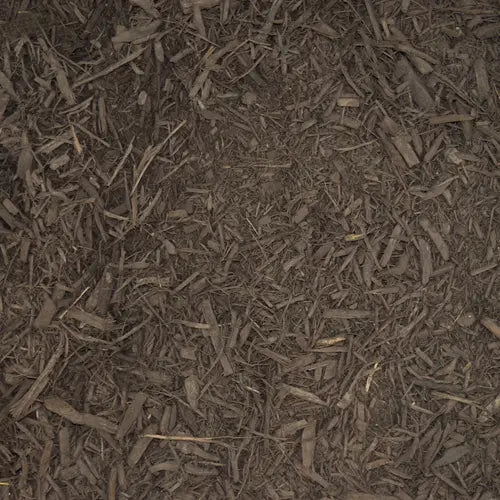
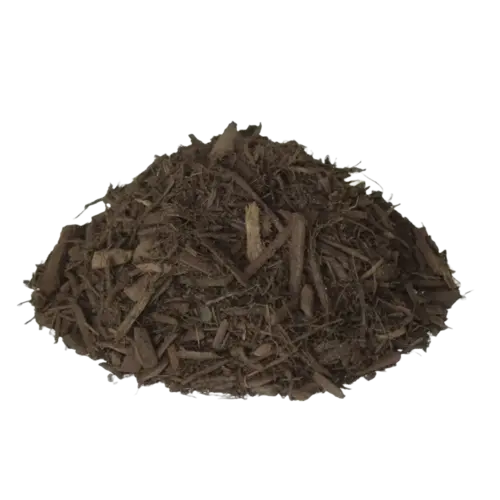
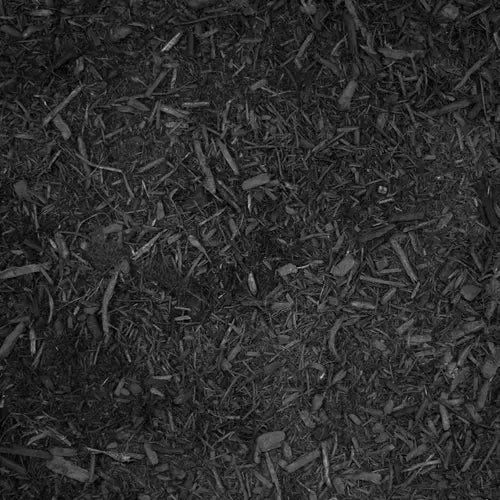
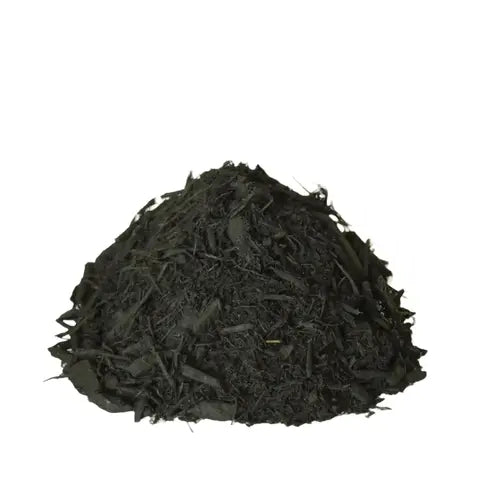
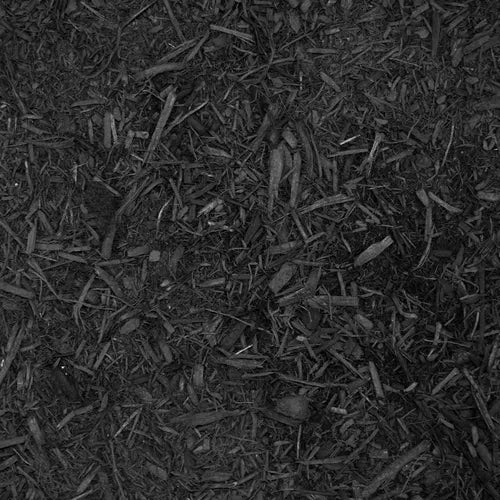
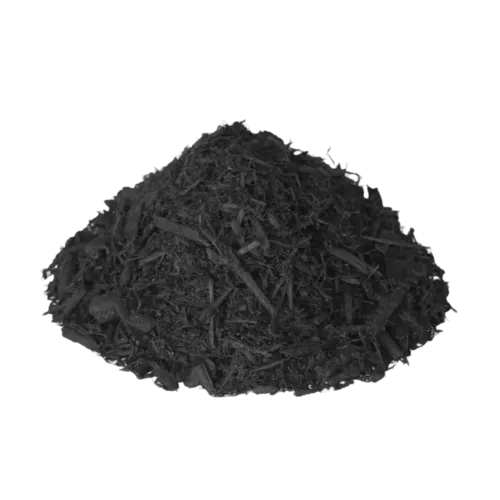
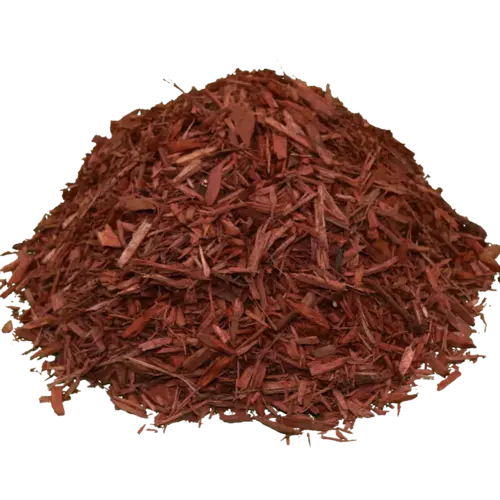
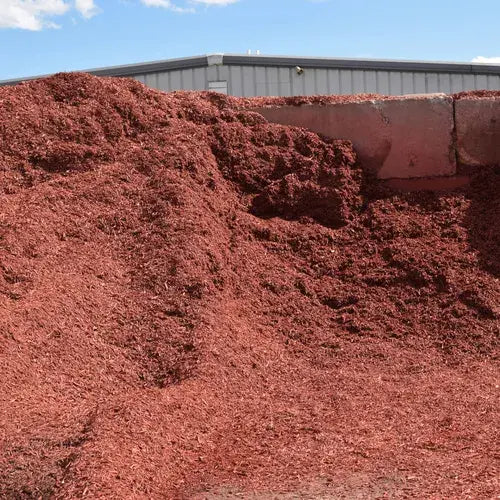
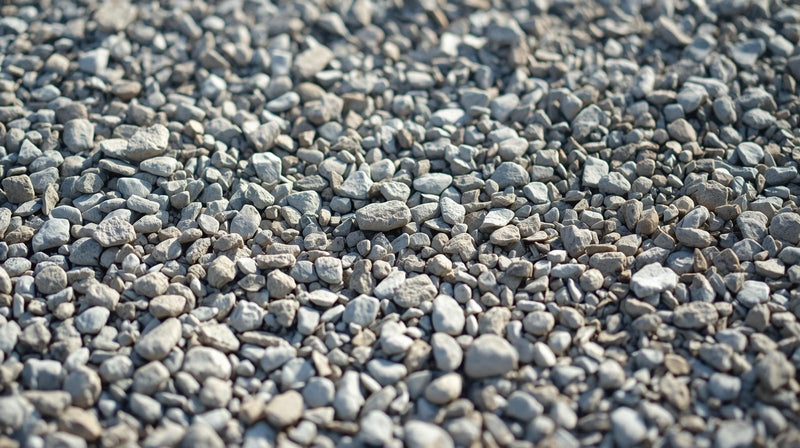
Warm brown double shredded mulch with lasting color that looks freshly applied for weeks. Spreads smooth, stays put, and gives beds a natural, polished appearance.
I can’t say enough good things about Mulch Mound! If you read my review below you will see I had a problem with my order. Mulch Mound was quick to respond and solved the issue with my delivery. Will definitely be a customer next year.
First time purchase...
Tell us what you're looking for
Thanks! We received your request.
Something went wrong. Please try again.
How Much Material Do I Need?
For North Port's sandy soil, plan for 3 to 4 inches of mulch in planting beds to provide meaningful moisture retention and weed suppression. Around trees, a 4 to 6 inch layer spread to the drip line is ideal, with the mulch pulled back a few inches from the trunk itself to allow airflow.
Use our free mulch calculator
What is a yard?
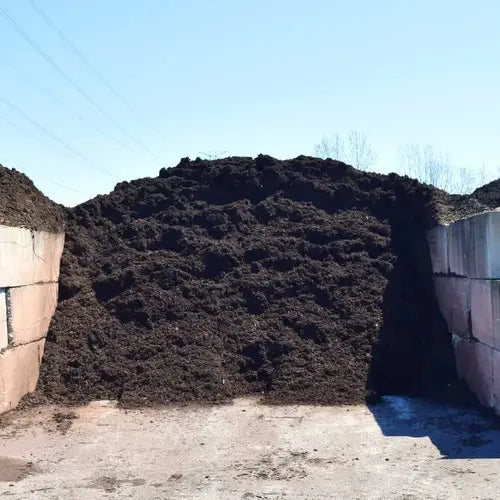
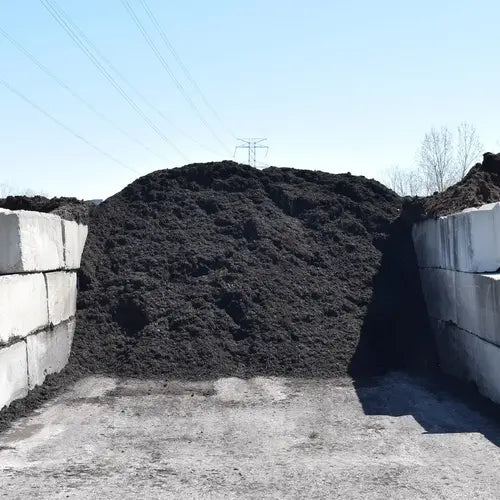
A yard is approximately 27 cubic feet. As a general guideline, one yard of material can cover an area of about 100-160 square feet at a 2-3 inch depth.
We can't take orders for this right now. Tell us what you need and we'll get back to you.
What do you need?
Thanks! We received your request.
Something went wrong. Please try again.
Hand-picked local yards
4,000+ regional deliveries
Dedicated support
Why order through Mulch Mound
The best local mulch, without the guesswork.
We hand-pick and partner with the best yards in your region, keep only the ones our buyers rate well, and back each load with our guarantee.
Mulch Mound Guarantee
If your mulch isn't the quantity or quality you ordered, we'll make it right.
About this mulch
Warm brown double shredded mulch with lasting color that looks freshly applied for weeks. Spreads smooth, stays put, and gives beds a natural, polished appearance.
I can’t say enough good things about Mulch Mound! If you read my review below you will see I had a problem with my order. Mulch Mound was quick to respond and solved the issue with my delivery. Will definitely be a customer next year.
First time purchase...
How Much Material Do I Need?
For North Port's sandy soil, plan for 3 to 4 inches of mulch in planting beds to provide meaningful moisture retention and weed suppression. Around trees, a 4 to 6 inch layer spread to the drip line is ideal, with the mulch pulled back a few inches from the trunk itself to allow airflow.
Use our free mulch calculator
What is a yard?
A yard is approximately 27 cubic feet. As a general guideline, one yard of material can cover an area of about 100-160 square feet at a 2-3 inch depth.
I can’t say enough good things about Mulch Mound! If you read my review below you will see I had a problem with my order. Mulch Mou...
Read full review
UPDATE!
I can’t say enough good things about Mulch Mound! If you read my review below you will see I had a problem with my order. Mulch Mound was quick to respond and solved the issue with my delivery. Will definitely be a customer next year.
First time purchase from Mulch Mound!! First what I liked! Easy to order online and straight forward pricing and delivery. The driver was on time and courteous and delivered my Mulch exactly where I requested! The product is of good quality and comparable to others I have purchased from before. Now what I DID’NT LIKE! I have been mulching the same house and yard for almost 20 years. I always order the same amount and don’t have any issues with covering the same area but this year I fell about a yard short. I was home when the mulch was delivered and when the driver dumped it I noticed that it seemed a bit less than I was used to. I didn’t apply it any thicker than usual and probably a bit thinner than usual because I was worried about running out.
Mulch Mound made it so easy! So happy with the pricing, turn around time, delivery and product. I submitted my online order on a Thursday. The mu...
Read full review
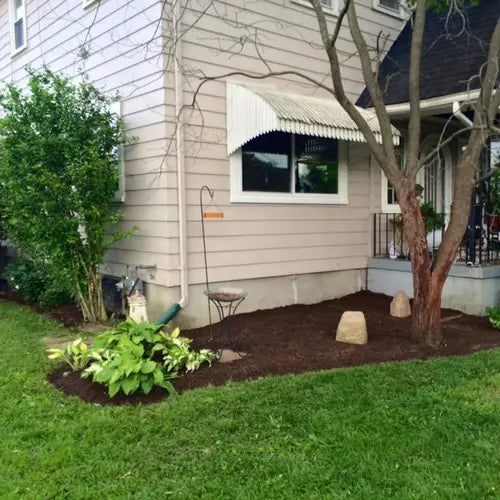
Mulch Mound made it so easy! So happy with the pricing, turn around time, delivery and product. I submitted my online order on a Thursday. The mulch was delivered to the designated location by a local landscape company at 8:30 a.m. the following Saturday morning. We had the job completed by that afternoon. We chose the natural brown mulch, and the plant beds are beautiful.
To estimate how much mulch you need, measure the length and width of each bed in feet and multiply to get square footage, then account for North Port's fast-draining sandy soil by planning for a 3 to 4 inch depth rather than the standard 2 inches. Add up the square footage of all your beds and use a cubic yard calculator to convert, dividing total cubic feet by 27. It is always wise to order a little extra since leftover mulch can be used to top off thin spots that develop after heavy summer thunderstorms.
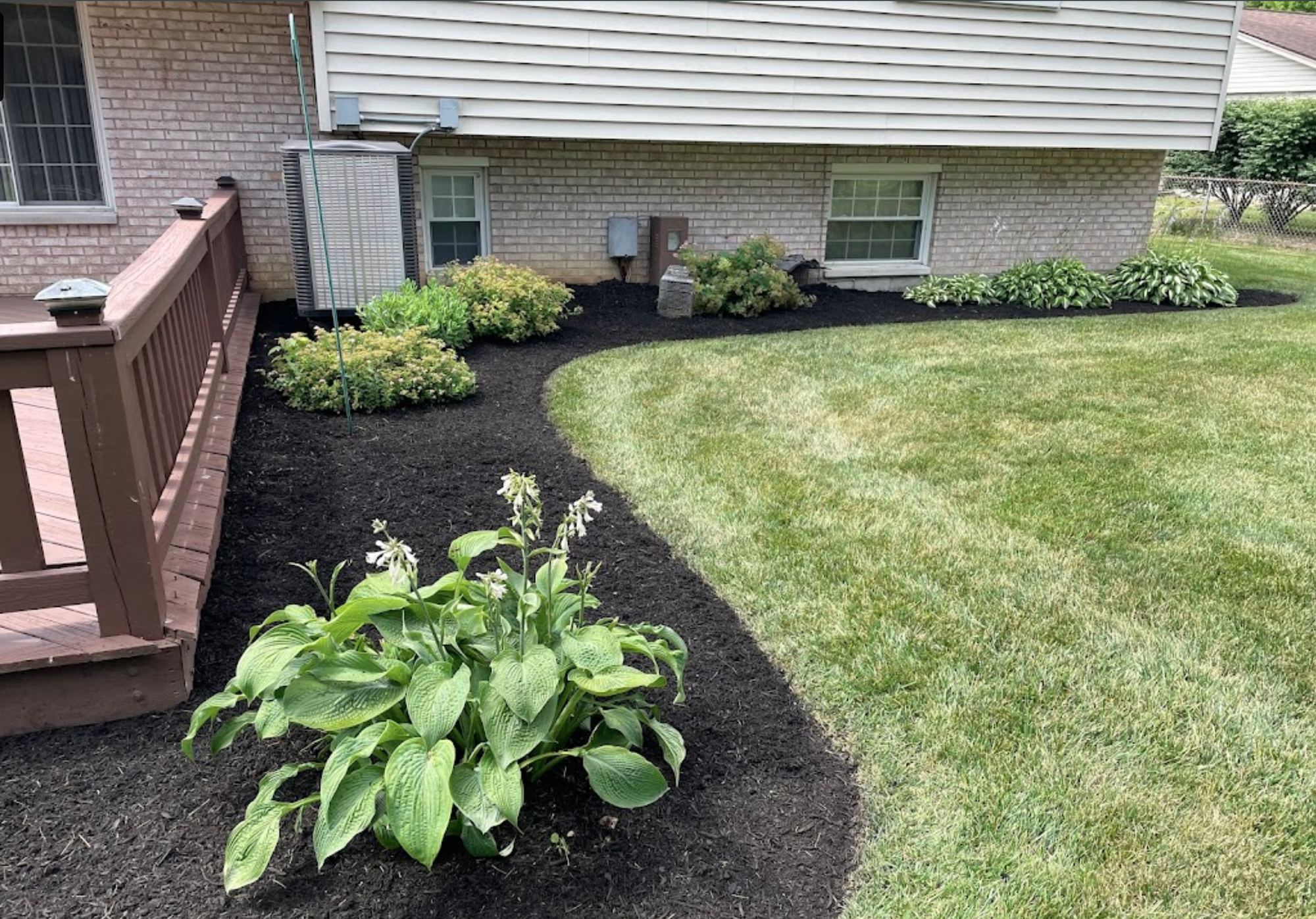
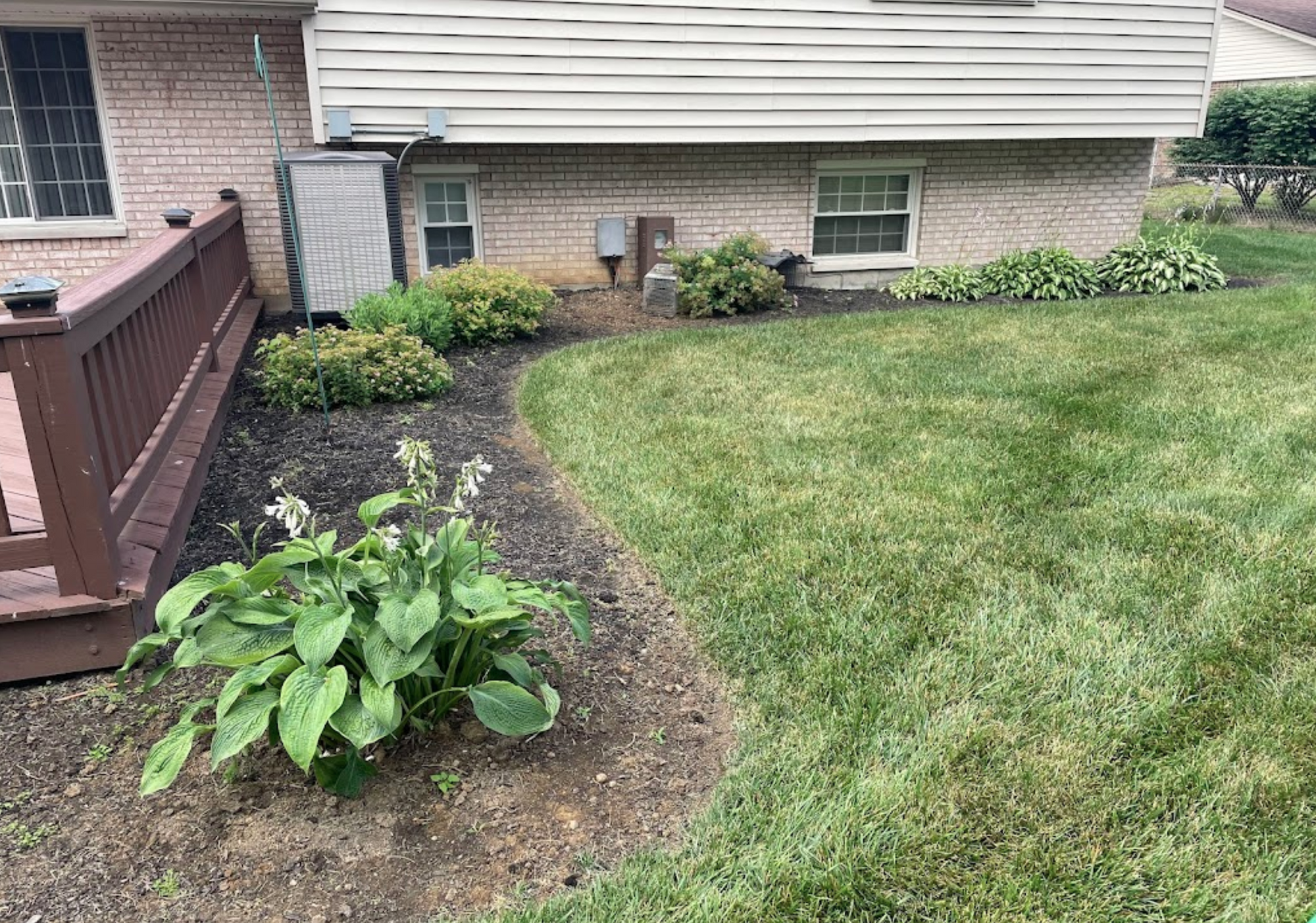
Mulch vs. No Mulch: The Difference
North Port's year-round warmth and high UV intensity in Southwest Florida accelerate the breakdown of all organic mulches, but natural and dyed options behave quite differently in these conditions. Natural wood mulches fade quickly in the sun but decompose into organic matter that genuinely improves the sandy soil below, which is a real benefit in an area where native soil organic content is very low. Dyed mulches offer more consistent color through North Port's intense sun and retain their appearance longer between applications, making them a popular choice for high-visibility beds near entryways and street-facing garden areas.
Before
After
Best Mulch Choice for North Port Lawns
Most yards in the North Port area sit on Sandy type of soil. North Port's sandy soil has almost no natural ability to retain moisture or nutrients, which means plants in unprotected beds are constantly fighting drought stress even when annual rainfall is plentiful. Choosing the right mulch creates the organic layer that the native soil simply cannot provide on its own.
Hardwood Mulch
Hardwood mulch is particularly well suited for North Port's sandy soil because as it decomposes, it releases humic compounds that bind to sand particles and slowly increase the soil's capacity to hold both water and nutrients. Over several seasons of consistent top-dressing with hardwood mulch, gardeners often notice that their plant beds retain moisture noticeably longer than they did before.
Mulch Types We Deliver in North Port
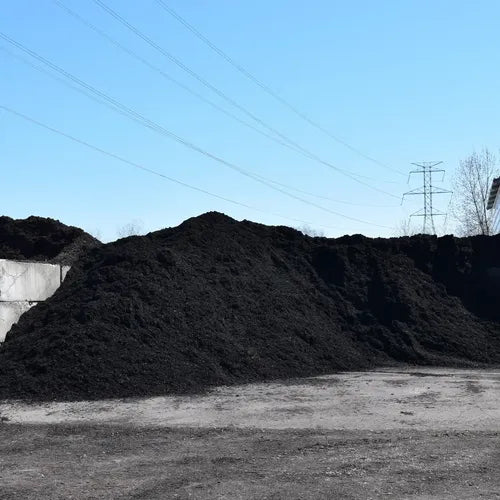
Mulch Mound delivers bulk mulch by the cubic yard to North Port, cutting out the bags and giving your landscape beds the volume they actually need. Florida's heat, sandy soil, and year-round sun make quality mulch especially valuable for moisture retention and weed control. Every variety below arrives fresh, priced clearly, and ready to spread.
Dyed Black Mulch
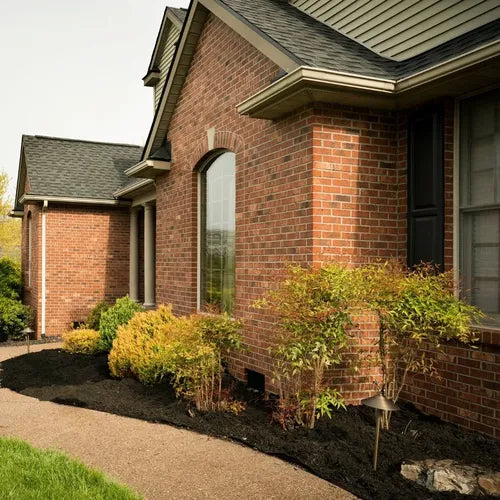
A bold choice for landscape beds throughout this part of southwest Florida, dyed black mulch arrives double shredded for a smooth and even spread. The rich color holds strong through intense summer heat and afternoon rain, giving planting beds a sharp, defined finish that suits both modern and traditional Florida home styles.
Dyed Brown Mulch
Warm and inviting, dyed brown double shredded mulch gives landscape beds a natural, polished look that holds its color far longer than undyed alternatives. Florida's high UV levels fade mulch quickly, and this variety stands up well through the season, making it a practical choice for homeowners who want low-maintenance curb appeal.
Natural Brown Mulch
For homeowners who prefer an undyed, chemical-free finish, natural brown double shredded mulch delivers a warm earthy tone straight from the wood. It spreads cleanly over sandy Florida soil, breaks down gradually to enrich the ground, and suits properties where an organic, understated aesthetic is the goal.
Dyed Red Mulch
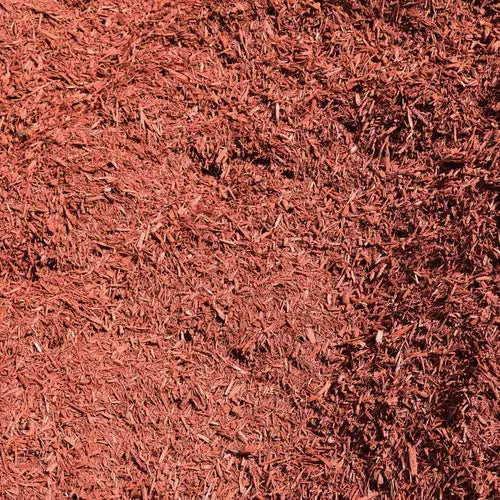
Double shredded dyed red mulch brings a vibrant, season-long color to accent beds and entry plantings. The bold tone holds well through Florida's rainy summer months, making it a popular pick for homeowners who want their landscaping to stand out against the region's lush green foliage.
Complete Your Outdoor Mulch Project
If your plant beds have shallow or depleted sandy soil, consider adding a layer of our garden soil beneath the mulch to give roots a more nutrient-rich foundation before the growing season accelerates. Our decorative stone options also pair well with mulch, especially along foundation borders where you want a dry, low-moisture zone closest to the structure.
North Port's sandy soil tends to become hydrophobic, meaning it actually repels water when it dries out completely between rain events. Keeping a consistent mulch layer prevents the soil surface from drying to that extreme in the first place. If you notice water beading on top of bare soil between your plants, refreshing your mulch immediately will help restore normal water absorption and protect your plants during the next rainfall.
Mulch Mound Pro Tip
Because North Port sits in Zone 10a with a last frost date around March 6, tropical and subtropical plants make up a large portion of local landscapes. These plants often have shallow, wide-spreading root systems that are particularly vulnerable to soil temperature swings during the brief cool season from December through February. Applying mulch generously around palms, bird of paradise, and similar specimens creates a buffer that keeps root zone temperatures more stable through those cooler months.
Mulch Mound Pro Tip
With 54 inches of rain falling on North Port each year, mostly concentrated between June and September, heavy downpours can physically displace thin mulch layers and wash fine particles into your lawn or street drain. Using a chunkier double-shredded or nugget-style mulch helps it stay in place during intense summer thunderstorms that drop an inch or more in a single afternoon. Edging your beds with a physical border also keeps mulch contained and reduces how much replenishment is needed after each wet season.
Frequently Asked Questions
Click a question to see the answer
Answer
How thick should I apply mulch given how fast North Port's sandy soil dries out?
Because North Port's sandy soil has very low water retention, we recommend applying mulch at a depth of 3 to 4 inches in plant beds. That extra depth creates a meaningful barrier against evaporation during the long dry stretches between rain events, even in a year that averages 54 inches of rainfall, since most of that moisture falls between June and September.
Answer
Will mulch break down faster here because of the heat and humidity in North Port?
Yes, organic mulches decompose more quickly in North Port's warm, humid Zone 10a climate than they would in cooler parts of the country. The consistently warm soil temperatures accelerate microbial activity almost year-round. Plan to top off your mulch beds at least once a year, and twice a year if you want consistent depth and appearance.
Answer
Is there a mulch type that holds its color longer in the intense Southwest Florida sun?
Dyed mulches generally hold their color better through North Port's intense UV exposure than natural undyed wood mulches, which tend to fade to gray within a few months. If color consistency matters for your curb appeal, a dyed brown or black mulch is a good choice. Natural mulches, while less colorful, contribute more organic matter to your sandy soil as they break down, which benefits the planting bed over time.
Answer
Does mulch actually help with the weeds that seem to grow in my yard almost every month of the year?
North Port's nearly frost-free winters, with a first frost not typically arriving until around December 19, mean that weed seeds can germinate almost any month of the year. A 3 to 4 inch layer of mulch blocks sunlight from reaching weed seeds at the soil surface, dramatically reducing germination rates. Keeping the mulch layer consistent and topped off is the most important factor in long-term weed suppression.
Answer
Should I pull my mulch away from my home's foundation before I spread it?
Yes, always leave a gap of at least 6 inches between mulch and your home's foundation or exterior walls. North Port's humidity and frequent summer rainfall create conditions where mulch pressed against a structure can stay consistently moist, which attracts termites and promotes mold or rot. A clean stone border is a great alternative for the strip closest to the foundation.
Answer
Can I mulch right after planting new plants or should I wait a few weeks first?
You can mulch immediately after planting in North Port, and it is actually a good idea to do so right away. The sandy soil loses moisture so rapidly that newly planted roots benefit from the protective layer from day one. Just keep the mulch a few inches away from the base of each plant stem to allow airflow and prevent crown rot in the humid conditions.
Answer
What is the best time of year to apply or refresh mulch in North Port?
The ideal time to refresh mulch in North Port is in late spring, around April or May, just before the rainy season begins in June. Mulching ahead of the wet season helps moderate soil temperature during the hottest months and traps the frequent summer rain in the root zone rather than letting it pass straight through the sand. A second light application in November can also help insulate roots ahead of the occasional frost events that occur near December 19.
The Unique Landscape of North Port
North Port's sandy soil drains so quickly that plant beds can dry out within a day or two after rain, even with the city's generous 54 inches of annual rainfall. A proper layer of mulch acts as a buffer between that intense Florida sun and the root zone, keeping moisture in the ground where plants actually need it. Without coverage, the bare sandy surface heats up rapidly during the long warm season, stressing root systems that are already working hard to find nutrients in low-organic soil. Mulch also suppresses the aggressive weeds that thrive in North Port's nearly year-round warm temperatures, reducing maintenance between the area's mild winters and hot summers. As organic mulch breaks down, it slowly adds organic matter that sandy soil desperately lacks, improving its ability to hold both water and nutrients over time.