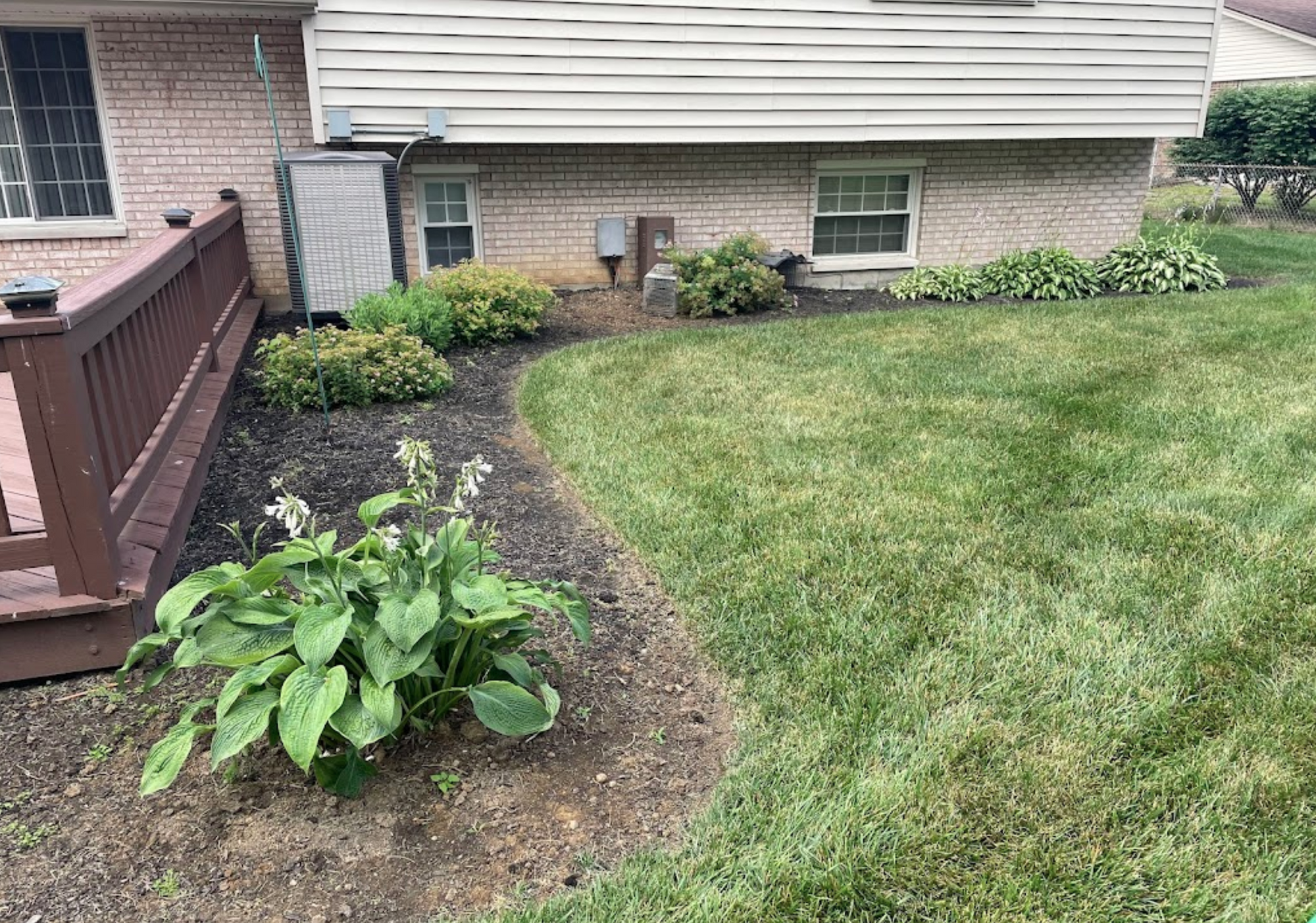
Mulch Mound made it so easy! So happy with the pricing, turn around time, delivery and product. I submitted my online order on a Thursday. The mulch was delivered to the designated location by a local landscape company at 8:30 a.m. the following Saturday morning. We had the...
Tell us what you're looking for
Thanks! We received your request.
Something went wrong. Please try again.
How Much Material Do I Need?
For most Oceanside planting beds, a 3 to 4 inch layer of mulch is the sweet spot that provides real moisture retention without suffocating plant roots. In high-sun exposed areas along south or west-facing slopes, leaning toward the 4 inch end helps compensate for faster evaporation.
Use our free mulch calculator
What is a yard?
A yard is approximately 27 cubic feet. As a general guideline, one yard of material can cover an area of about 100-160 square feet at a 2-3 inch depth.
Mulch Mound made it so easy! So happy with the pricing, turn around time, delivery and product. I submitted my online order on a Thursday. The mulch was delivered to the designated location by a local landscape company at 8:30 a.m. the following Saturday morning. We had the...
How Much Material Do I Need?
For most Oceanside planting beds, a 3 to 4 inch layer of mulch is the sweet spot that provides real moisture retention without suffocating plant roots. In high-sun exposed areas along south or west-facing slopes, leaning toward the 4 inch end helps compensate for faster evaporation.
Use our free mulch calculator
What is a yard?
A yard is approximately 27 cubic feet. As a general guideline, one yard of material can cover an area of about 100-160 square feet at a 2-3 inch depth.
Mulch Mound made it so easy! So happy with the pricing, turn around time, delivery and product. I submitted my online order on a Thursday. The mu...
Read full review
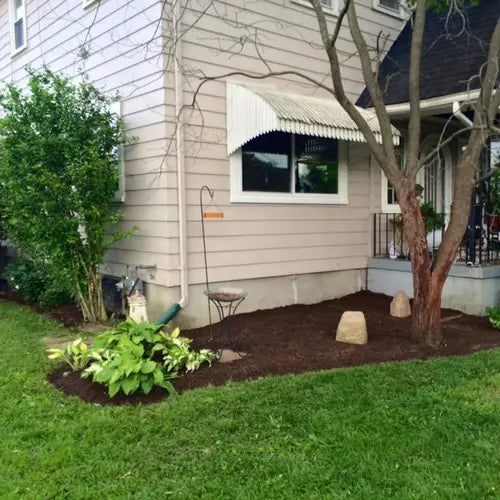
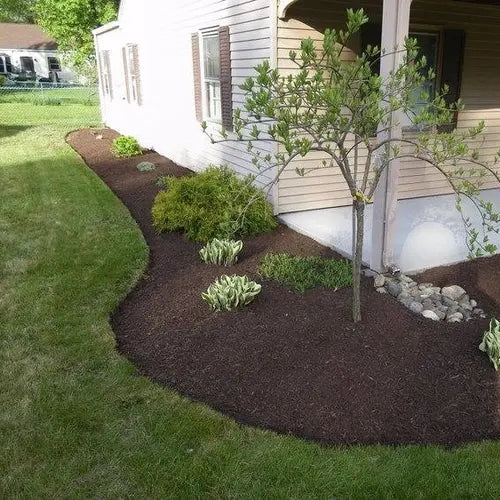
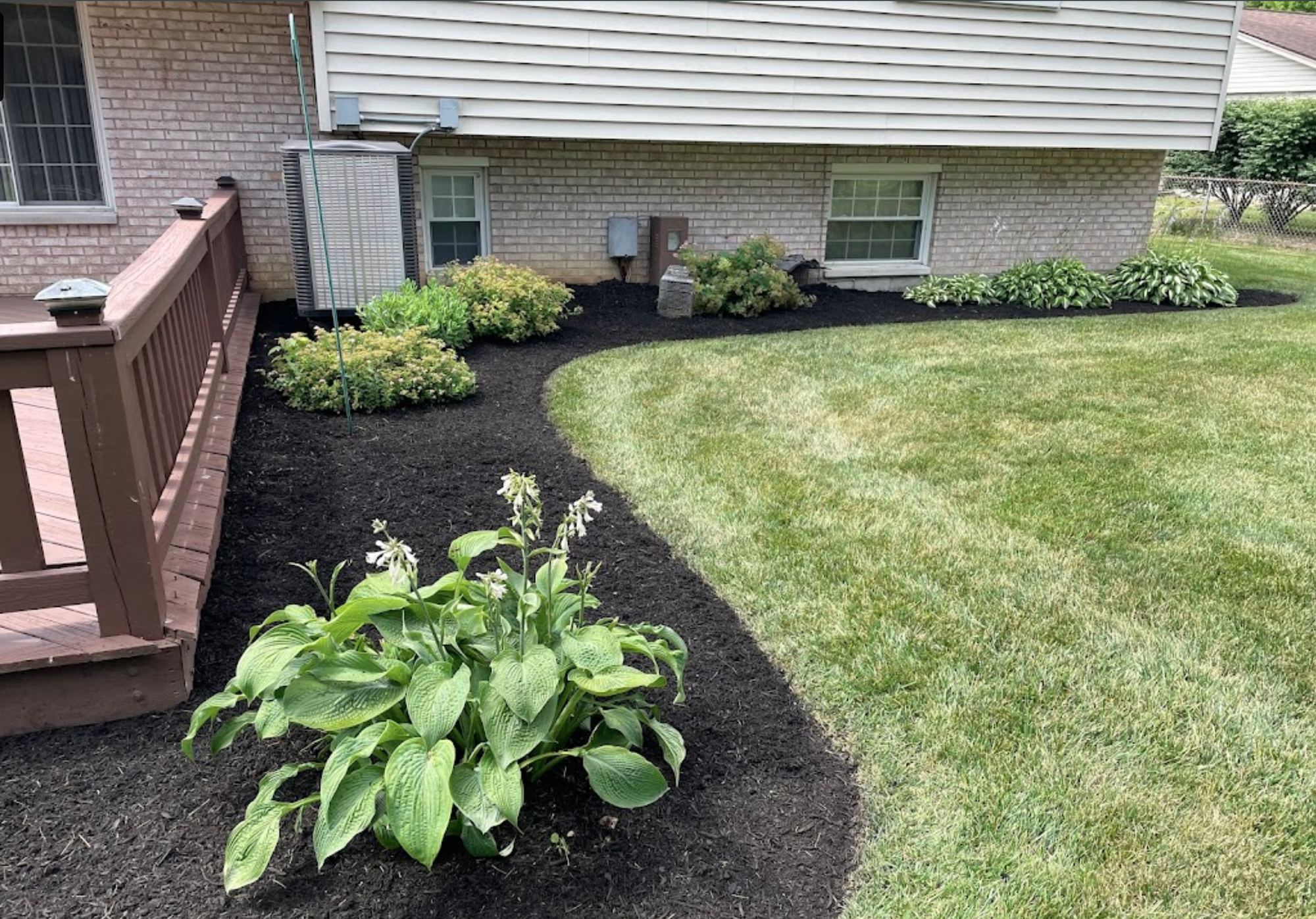
Mulch Mound made it so easy! So happy with the pricing, turn around time, delivery and product. I submitted my online order on a Thursday. The mulch was delivered to the designated location by a local landscape company at 8:30 a.m. the following Saturday morning. We had the job completed by that afternoon. We chose the natural brown mulch, and the plant beds are beautiful.
Good quality, great price, fast delivery. All online - no submitting forms and waiting for days for quotes. Getting mulch should be this easy fr...
Read full review
Good quality, great price, fast delivery. All online - no submitting forms and waiting for days for quotes. Getting mulch should be this easy from everyone. Only Mulch Mound is ACTUALLY this simple.
I highly recommend Mulch Mound. The quality of the mulch is very good. The ordering system on their website makes it very easy. The delivery driver...
Read full review
I highly recommend Mulch Mound. The quality of the mulch is very good. The ordering system on their website makes it very easy. The delivery driver did a great job placing the mulch on the driveway. To finish off, the pricing was very reasonable as well.
Start by measuring the length and width of each planting bed in feet and multiply those numbers together to get the total square footage of your area. For Oceanside's sandy loam soil, we recommend planning for a 3 to 4 inch depth to give you meaningful moisture retention through the dry months. Enter your square footage and target depth into the calculator and it will show you exactly how many cubic yards to order.
Mulch vs. No Mulch: The Difference
Oceanside's growing zone 10a means there is no dormant season to slow the biological activity in your soil, and organic mulch breaks down continuously across all 12 months of the year. That ongoing decomposition is beneficial for building up the organic matter content of the local sandy loam, but it also means organic mulch requires more frequent replenishment than homeowners in colder California climates would expect. Understanding this cycle helps you plan your mulch deliveries and keep your beds consistently protected.
Before
After
Best Mulch Choice for Oceanside Lawns
Most yards in the Oceanside area sit on type of soil. Oceanside's sandy loam soil drains quickly and has relatively low natural organic matter, which means planting beds can struggle to retain the nutrients and moisture that ornamental plants and edibles need between waterings. Adding a quality organic mulch on top of sandy loam creates a surface barrier that slows evaporation while also feeding the soil with organic material as it breaks down.
Hardwood Mulch
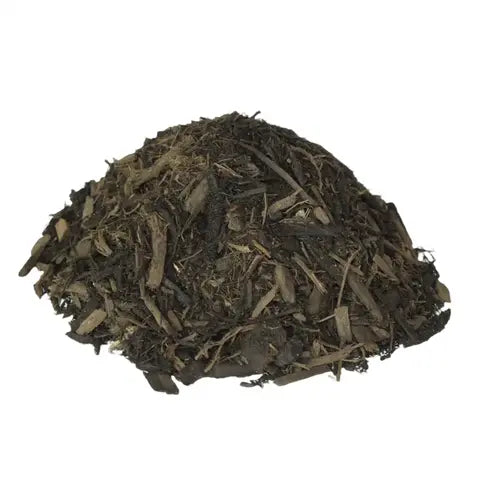
Hardwood mulch is a particularly good match for Oceanside's sandy loam because as it breaks down it releases humus-forming organic compounds that bind to sand particles and gradually improve the soil's ability to hold both water and nutrients. Over several seasons of regular mulch application, you will notice that the top few inches of your sandy loam develop a richer, darker texture that supports stronger plant root development.
Complete Your Outdoor Mulch Project
Pairing your mulch order with a quality soil amendment or compost-rich topsoil helps build up the organic content of Oceanside's sandy loam before you mulch over it, giving your plants a stronger foundation. Adding decomposed granite or a stone border product can also give your mulched beds a clean finished edge that holds the material in place.
In Oceanside's low-rainfall environment, timing your mulch application around the winter rainy season, which runs roughly December through March, gives you a real advantage. Applying a fresh layer just before or during the rainy period helps the soil absorb and hold that limited moisture instead of letting it run off or evaporate quickly. Sandy loam benefits enormously from this approach because the mulch slows the water down long enough for it to penetrate rather than sheet off the surface.
Mulch Mound Pro Tip
Because Oceanside sits at only 65 feet elevation with relatively mild temperature swings year-round, your mulch never gets a freeze-thaw cycle to help break it down and incorporate it into the soil. You can accelerate that process by lightly turning or raking the bottom layer of older mulch once a year before adding fresh material on top. This simple step blends partially decomposed organic matter into your sandy loam and builds soil structure over time rather than letting decomposed material sit in a separated layer.
Mulch Mound Pro Tip
Oceanside homeowners with drought-tolerant or native plant gardens should consider keeping mulch depth on the lighter side, around 2 to 3 inches, rather than piling it thick. Many California natives evolved in conditions with lean, fast-draining soils and open air around their crowns, and overly deep mulch can hold more moisture than they prefer right at the soil surface. Matching the mulch depth to your plant community is just as important as choosing the right mulch type.
Frequently Asked Questions
Click a question to see the answer
Answer
How often do I need to reapply mulch in Oceanside since we never really get a cold winter?
Because Oceanside is in growing zone 10a with no frost, organic mulch breaks down continuously throughout the year rather than slowing down in winter like it would in colder climates. That year-round decomposition is actually great for your sandy loam soil because it keeps adding organic matter, but it does mean you should plan to top off your mulch layer once a year, or twice a year if you have heavy planting beds with lots of sun exposure. Watching for a layer that has thinned below 2 inches is your best cue.
Answer
My yard is mostly sandy loam soil. Will mulch actually make a noticeable difference in how often I need to water?
Absolutely, and in Oceanside's sandy loam, the difference is very noticeable. Sandy loam drains quickly and holds relatively little water on its own, so without mulch the soil surface dries out fast, especially during dry stretches when Oceanside only gets about 10 inches of rain a year total. A 3 to 4 inch mulch layer can cut surface evaporation dramatically and give plant roots a much more consistent moisture environment between irrigation cycles.
Answer
Is wood chip mulch safe to use around the California native plants I have in my front yard?
Yes, wood chip and shredded hardwood mulch work very well around California natives, which are common in Oceanside landscapes because they are adapted to the local climate. The key is to keep mulch a few inches away from the crown and base of each plant to prevent moisture buildup right against the stem. Natives actually benefit from the slow organic matter release that wood-based mulch provides as it breaks down into the sandy loam soil over time.
Answer
What mulch color or type holds up best in Oceanside's sun without fading too fast?
Coastal sun in Oceanside is strong even though temperatures are moderated by the ocean breeze, and dyed mulches can fade noticeably within a season when exposed to consistent UV radiation. Natural hardwood or cedar mulch tends to weather to a consistent gray-brown tone rather than fading to a washed-out color, which many Oceanside homeowners find still looks clean and intentional. If color consistency matters to you, choosing a naturally dark wood variety over a dyed product will give you more lasting results.
Answer
Can I use mulch around my citrus trees and subtropical plants near the coast?
Citrus and subtropical plants thrive in Oceanside's zone 10a climate and they respond very well to mulching. Keep the mulch pulled back about 6 inches from the trunk to allow air circulation and prevent rot, but spreading a 3 inch layer out to the drip line of the tree helps retain the consistent soil moisture that citrus trees prefer. It also moderates the soil temperature, which is especially helpful when the coastal heat picks up in late summer.
Answer
How many cubic yards of mulch do I need to cover a typical Oceanside front yard bed?
A typical ornamental bed of around 200 square feet mulched to a 3 inch depth needs roughly 2 cubic yards of material. If your beds are spread across a larger area, measure the length and width of each bed in feet, multiply them together to get square footage, then divide by 100 to get a close estimate of cubic yards needed for a 3 inch application. Our calculator on this page can walk you through it quickly for your specific layout.
Answer
Will mulch attract pests or termites near my house foundation in Oceanside?
This is a common concern for homeowners throughout Southern California. The best practice is to keep mulch at least 6 to 12 inches away from your home's foundation and any wood framing. When mulch is kept away from the structure itself and applied at a reasonable depth of 3 to 4 inches, it does not typically create a termite pathway. Choosing inorganic or cedar-based mulch near the foundation zone is also a good option since cedar has natural properties that insects find unappealing.
The Unique Landscape of Oceanside
Oceanside sits in a coastal zone where the combination of intense sun, low annual rainfall of just 10 inches, and sandy loam soil creates a landscape environment that loses moisture faster than most California cities. Without a proper mulch layer, the sandy loam beneath your plants drains water so quickly that roots can dry out between irrigation cycles, stressing even drought-tolerant natives. The near-constant sun exposure along the coast accelerates soil surface evaporation, meaning bare soil can lose a significant portion of its moisture within hours on a warm afternoon. Mulch acts as a thermal blanket that keeps root zones cooler during Oceanside's warm summers while slowing the evaporation that sandy soils are notorious for. Because Oceanside has no frost season at all, organic mulch breaks down year-round rather than pausing in winter, which means you get continuous organic matter feeding into your soil. Staying ahead of that breakdown cycle with regular mulch replenishment is one of the most impactful things an Oceanside homeowner can do for long-term landscape health.