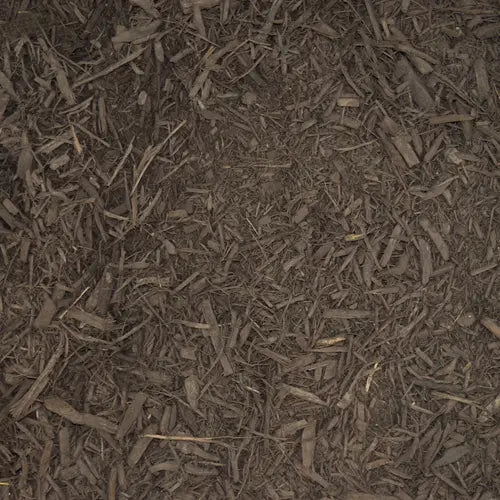
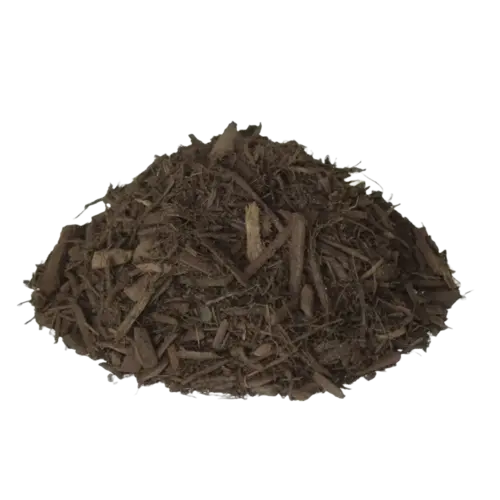
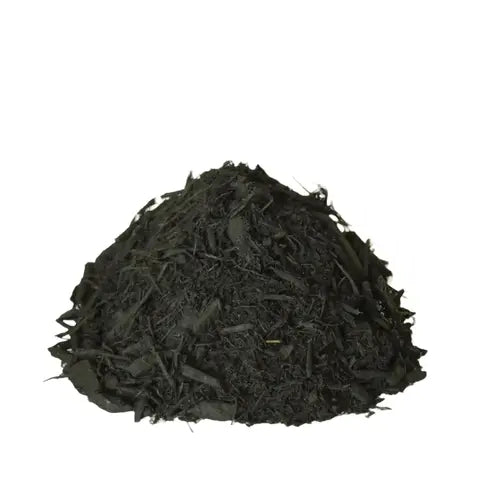
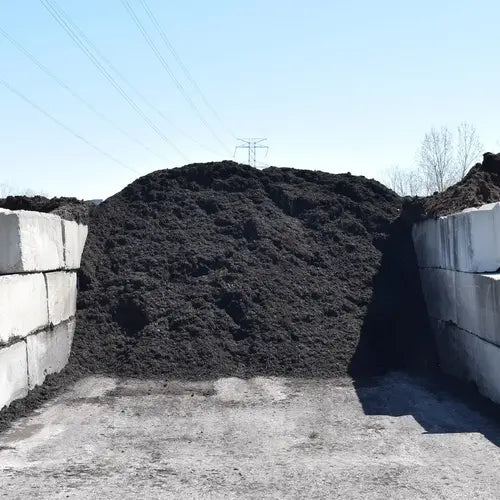
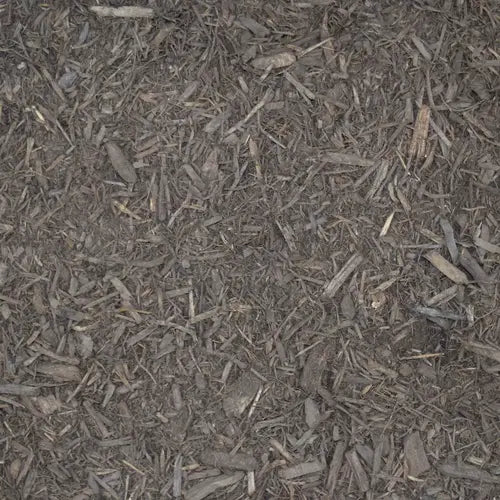
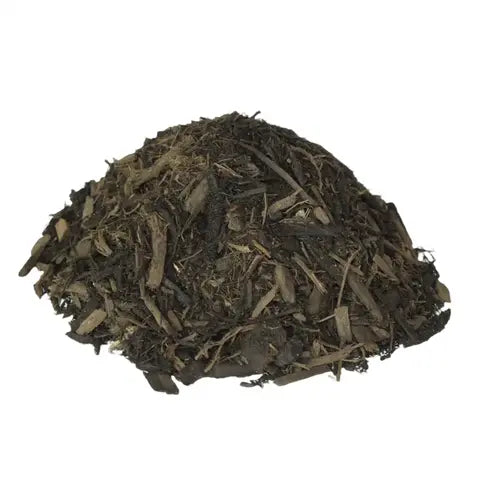
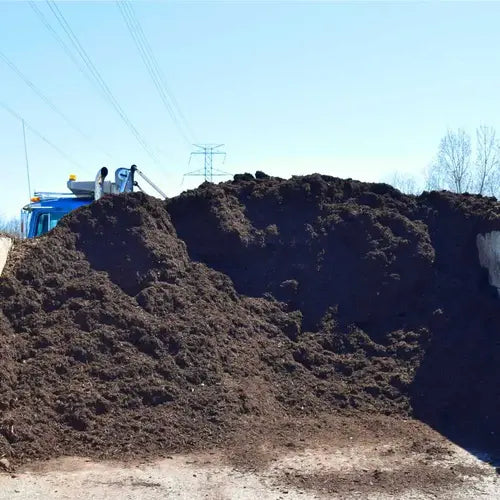
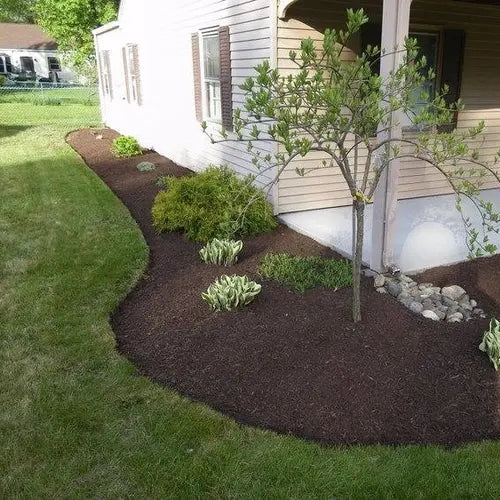
Warm brown double shredded mulch with lasting color that looks freshly applied for weeks. Spreads smooth, stays put, and gives beds a natural, polished appearance.
I recently ordered from mulch mound and was thoroughly impressed with every aspect of the experience. The entire process, from placing the order to delivery was seamless and efficient. The mulch arrived exactly on time, and the quality exceeded my expectations. The color was r...
Tell us what you're looking for
Thanks! We received your request.
Something went wrong. Please try again.
How Much Material Do I Need?
For Ogden's clay loam soil, a two to three inch depth is ideal because the denser soil underneath already retains some moisture on its own. Avoid exceeding four inches near plant crowns, as clay loam's slower drainage can create waterlogged conditions at the root zone if mulch piles too high.
Use our free mulch calculator
What is a yard?
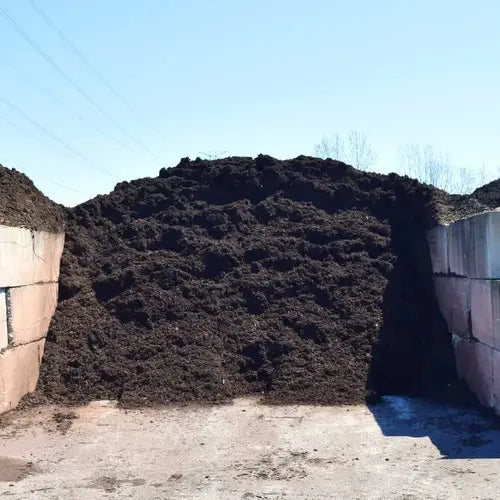
A yard is approximately 27 cubic feet. As a general guideline, one yard of material can cover an area of about 100-160 square feet at a 2-3 inch depth.
We can't take orders for this right now. Tell us what you need and we'll get back to you.
What do you need?
Thanks! We received your request.
Something went wrong. Please try again.
Hand-picked local yards
4,000+ regional deliveries
Dedicated support
Why order through Mulch Mound
The best local mulch, without the guesswork.
We hand-pick and partner with the best yards in your region, keep only the ones our buyers rate well, and back each load with our guarantee.
Mulch Mound Guarantee
If your mulch isn't the quantity or quality you ordered, we'll make it right.
About this mulch
Warm brown double shredded mulch with lasting color that looks freshly applied for weeks. Spreads smooth, stays put, and gives beds a natural, polished appearance.
I recently ordered from mulch mound and was thoroughly impressed with every aspect of the experience. The entire process, from placing the order to delivery was seamless and efficient. The mulch arrived exactly on time, and the quality exceeded my expectations. The color was r...
How Much Material Do I Need?
For Ogden's clay loam soil, a two to three inch depth is ideal because the denser soil underneath already retains some moisture on its own. Avoid exceeding four inches near plant crowns, as clay loam's slower drainage can create waterlogged conditions at the root zone if mulch piles too high.
Use our free mulch calculator
What is a yard?
A yard is approximately 27 cubic feet. As a general guideline, one yard of material can cover an area of about 100-160 square feet at a 2-3 inch depth.
I recently ordered from mulch mound and was thoroughly impressed with every aspect of the experience. The entire process, from placing the order to...
Read full review
I recently ordered from mulch mound and was thoroughly impressed with every aspect of the experience. The entire process, from placing the order to delivery was seamless and efficient. The mulch arrived exactly on time, and the quality exceeded my expectations. The color was rich and consistent, and I received more than enough to complete my project with proper coverage and packing.
Customer service was equally outstanding. Communication was clear, and the team was responsive and professional throughout. It’s rare to find a company that delivers both a high-quality product and excellent service, but mulch mound did just that.
Highly recommended, and I wouldn’t hesitate to order from them again.
I couldn't be happier with the speed and quality of the mulch delivery service of Mulch Mound. Every detail from ordering, to communication with on...
Read full review
I couldn't be happier with the speed and quality of the mulch delivery service of Mulch Mound. Every detail from ordering, to communication with on time delivery, to perfect product placement was amazing. I needed more and I got it within 2 hours! I'm never doing this with bags again.
We had a great experience today. This was our first time using Mulch Mound, and I found the price competitive and the online ordering very easy. ...
Read full review
We had a great experience today. This was our first time using Mulch Mound, and I found the price competitive and the online ordering very easy. We are impressed with the quality of the mulch, too! It is covering well - a great value!
To estimate how much mulch you need, measure the length and width of each bed in feet and multiply to get square footage, then use our calculator to find your cubic yard total at your target depth. Ogden beds with established perennials often have irregular shapes, so break them into rectangles and add the sections together. Clay loam soil compacts over winter, so your existing mulch layer may be thinner than you expect when you go out to measure in spring.
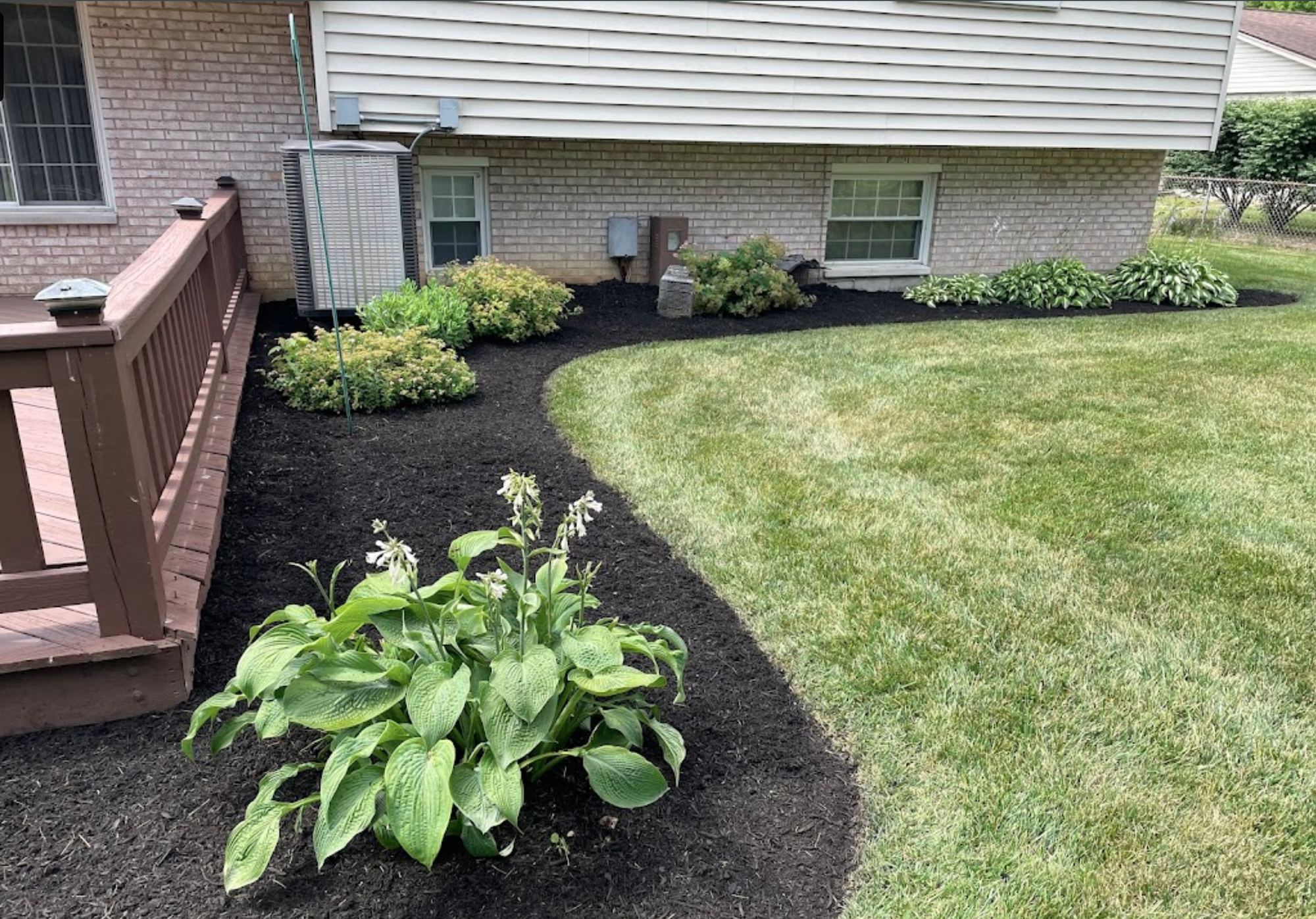
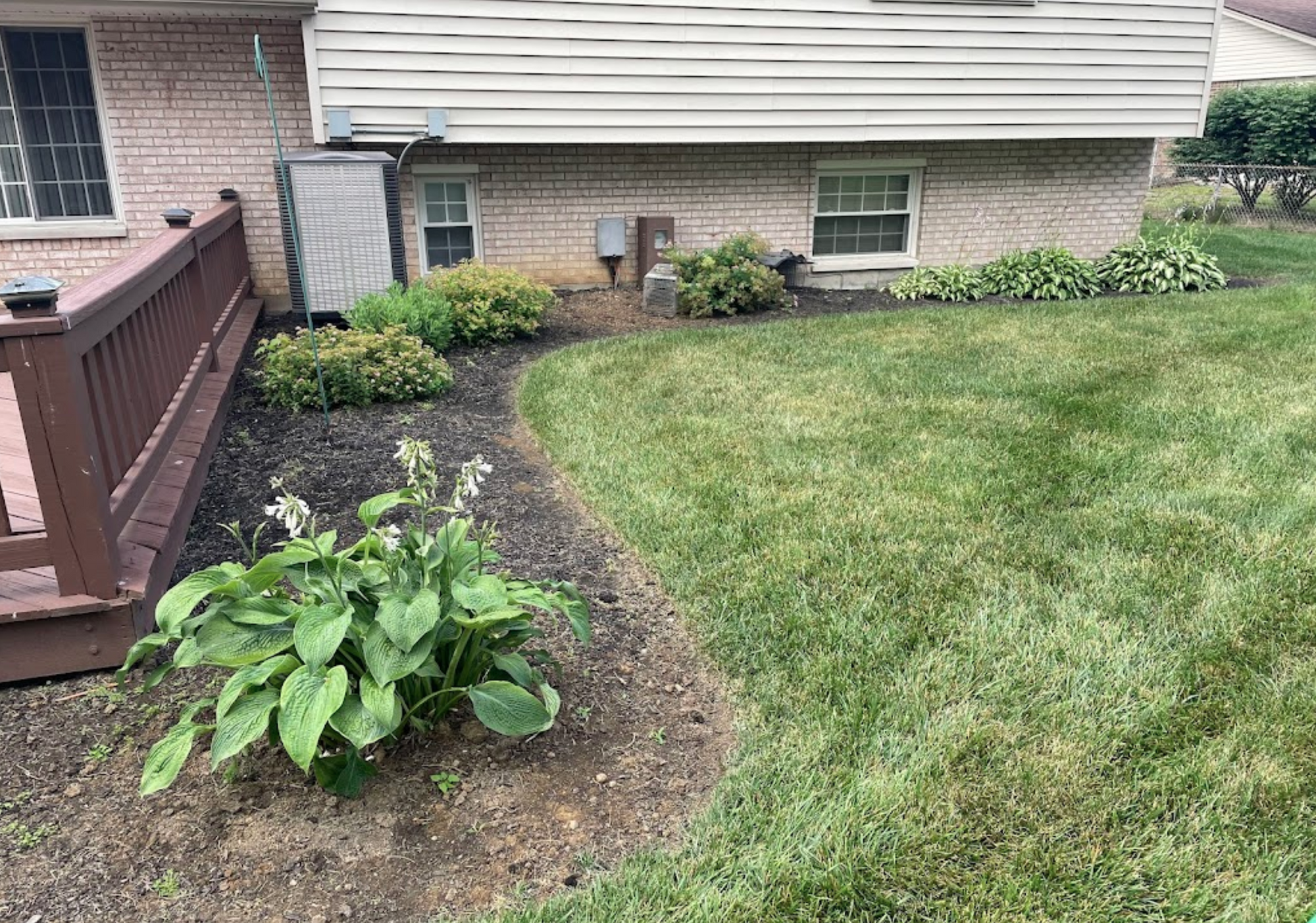
Mulch vs. No Mulch: The Difference
Ogden's 4,280-foot elevation and intense summer sun accelerate the breakdown of natural wood mulch more than many homeowners expect, but that decomposition feeds your clay loam soil with beneficial organic matter that loosens its dense structure over time. Dyed or color-enhanced mulch uses a denser wood base that resists breakdown longer, making it a better choice for decorative beds where aesthetics take priority over soil improvement. Understanding which type fits your specific goals helps you get the most value from your bulk delivery and keeps your beds looking intentional season after season.
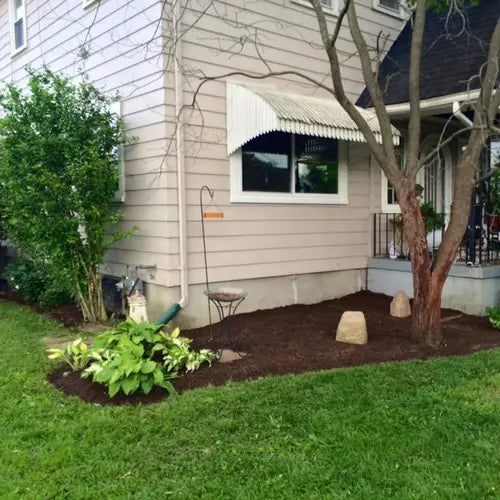
Before
After
Best Mulch Choice for Ogden Lawns
Most yards in the Ogden area sit on Clay Loam type of soil. Ogden's clay loam soil compacts easily and can become hydrophobic at the surface when it dries out completely in summer, making it hard for water and nutrients to reach plant roots even when you water regularly.
Hardwood Mulch
Hardwood mulch breaks down gradually into the clay loam, introducing organic matter that loosens the dense soil structure over time, improves drainage between watering cycles, and encourages the earthworm activity that naturally aerates Ogden garden beds season after season.
Mulch Types We Deliver in Ogden
Mulch Mound delivers bulk mulch by the cubic yard directly to homes and properties throughout Ogden, making it easy to cover large beds without multiple trips to the store. Our bulk mulch delivery service brings quality material right to your driveway, whether you are refreshing an established landscape or laying the groundwork for something new. The dry summers and alkaline soils common to this part of Utah make a thick layer of mulch one of the smartest investments you can make for moisture retention and weed control.
Dyed Black Mulch
Bold and high contrast, dyed black double shredded mulch is a top choice for homeowners who want their beds and borders to stand out against Utah's natural landscape tones. The rich color holds through intense summer sun and cold winters, and the smooth double shredded texture spreads cleanly and evenly.
Dyed Brown Mulch
Warm and inviting, dyed brown double shredded mulch suits the earthy tones found in many yards and landscapes throughout northern Utah. The color stays looking fresh for weeks even under strong UV exposure, and the fine double shredded texture lays down smoothly around plants, shrubs, and tree rings without shifting.
Natural Brown Mulch
Natural brown double shredded mulch is the undyed option for homeowners who prefer an organic look that blends with Utah's desert and mountain surroundings. It is a great fit for native plant beds and vegetable gardens, and it breaks down over time to help improve the alkaline soils common throughout this region.
Complete Your Outdoor Mulch Project
If your beds have compacted clay loam that needs loosening before you mulch, consider adding a layer of our amended garden soil to improve drainage and give roots a better growing environment from the start. Our decorative stone is also a great companion for pathway edges and low-maintenance zones in your Ogden yard where organic mulch would decompose too quickly.
Ogden's clay loam soil tends to form a hard crust at the surface after summer thunderstorms, and that crust significantly reduces water infiltration into your beds. Before spreading mulch in spring, loosen the top inch of soil with a cultivator or hand fork to break up any compaction that built up over winter. This gives your mulch a better base to settle into and helps irrigation water reach roots rather than running off the surface.
Mulch Mound Pro Tip
At 4,280 feet of elevation, Ogden experiences more intense UV radiation than lower-elevation Utah cities, which fades colored mulch faster than the product ratings suggest. If you choose a dyed mulch for your front-yard beds, select the darkest available shade and expect to do a color refresh every 12 to 18 months. Natural hardwood mulch weathers to a pleasant silver-gray in Ogden's sun and often looks intentional by midsummer.
Mulch Mound Pro Tip
Ogden's 21 inches of annual rainfall arrive mostly in spring and early summer, then taper off sharply from July onward, leaving beds to dry out through the hottest weeks of the year. Time your mulch application to catch that early moisture by spreading beds in late April so the mulch traps the last of the spring rains before the dry season hits. Beds mulched before the summer dry stretch consistently outperform unmulched beds in plant health and reduced irrigation demand all the way through August.
Frequently Asked Questions
Click a question to see the answer
Answer
How thick should I apply mulch over Ogden's clay loam soil?
Two to three inches is the sweet spot for Ogden clay loam beds. That depth suppresses weeds, retains moisture through our dry summers, and still allows rainwater to penetrate rather than sheet off the surface. Going deeper than four inches on clay loam can trap too much moisture against plant crowns and cause rot, especially during the wetter spring months of April and May.
Answer
When is the best time of year to mulch my garden beds in Ogden?
The ideal window is right after our last frost date of April 15, once the soil has had a chance to begin warming. Spreading mulch too early on frozen or near-frozen clay loam can actually slow the soil from warming and delay plant establishment. A second light refresh in early October, before the first frost around October 17, helps insulate roots through the winter.
Answer
Will mulch help with the weed pressure I get in my Ogden yard every summer?
Yes, significantly. Ogden summers are sunny and warm enough that weed seeds germinate quickly in bare soil, and a three-inch layer of mulch blocks the light those seeds need to sprout. It won't eliminate every weed, especially the aggressive ones that blow in from surrounding open spaces and foothills, but it dramatically reduces hand-pulling time from late April through September.
Answer
Does mulch actually help stretch out my watering schedule during Ogden's dry summers?
Absolutely. With only 21 inches of annual rainfall in Ogden, supplemental irrigation carries a lot of the load for landscape health from July onward. A proper mulch layer can reduce soil moisture evaporation by 25 to 50 percent, meaning your drip lines or sprinklers do not have to run as long or as frequently during the peak heat of July and August. That adds up to real water savings over a full season.
Answer
What happens to natural wood mulch sitting on my beds through an Ogden winter?
Ogden winters are cold enough to slow decomposition considerably, which is actually beneficial since your mulch layer stays intact through the season and continues protecting roots from freeze-thaw damage. Come spring, you will notice the bottom inch or so has broken down into the clay loam, adding organic matter and improving soil structure. That decomposed layer improves your soil over time and should be counted as a benefit rather than waste.
Answer
Is colored or dyed mulch safe to use around my vegetable garden in Ogden?
Most dyed mulches use iron oxide or carbon-based colorants that are considered safe at standard landscape depths, but many Ogden gardeners prefer to keep natural, undyed wood mulch around edible plants as a precaution. For vegetable beds, natural hardwood or cedar mulch is the common recommendation. Save the color-enhanced options for ornamental beds, pathways, and foundation plantings where aesthetics matter more than organic decomposition.
Answer
How often do I need to replenish mulch in my Ogden landscape beds?
Plan on refreshing your mulch layer once a year, typically in spring after the last frost. Ogden's clay loam soil actually accelerates the decomposition of organic mulch slightly compared to sandier soils because it retains more moisture, which feeds the microbial activity that breaks down wood fiber. A one to two inch top-up each April keeps your depth in the protective range without suffocating plant crowns.
The Unique Landscape of Ogden
Ogden's clay loam soil holds moisture longer than sandy soils, but it also compacts easily under foot traffic and the weight of heavy snowpack, making it difficult for plant roots to breathe and expand. A consistent layer of mulch over your beds acts as a buffer between that dense soil and the drying effects of Ogden's summer sun, which regularly pushes temperatures into the 90s during July and August. With only about 21 inches of rainfall per year, moisture retention is a real concern, and mulch can cut your supplemental watering needs significantly during the dry stretch from late June through September. Ogden's elevation of 4,280 feet also means temperature swings are more dramatic than lower-elevation Utah cities, and mulch insulates roots through the freeze-thaw cycles that occur between late September and the first hard frost around October 17. Applying mulch after your last frost around April 15 helps the soil warm evenly and gives perennials and transplants a steady environment to establish themselves. Without mulch, Ogden's clay loam tends to crack and crust at the surface, which reduces water infiltration and leaves beds looking worn by midsummer.