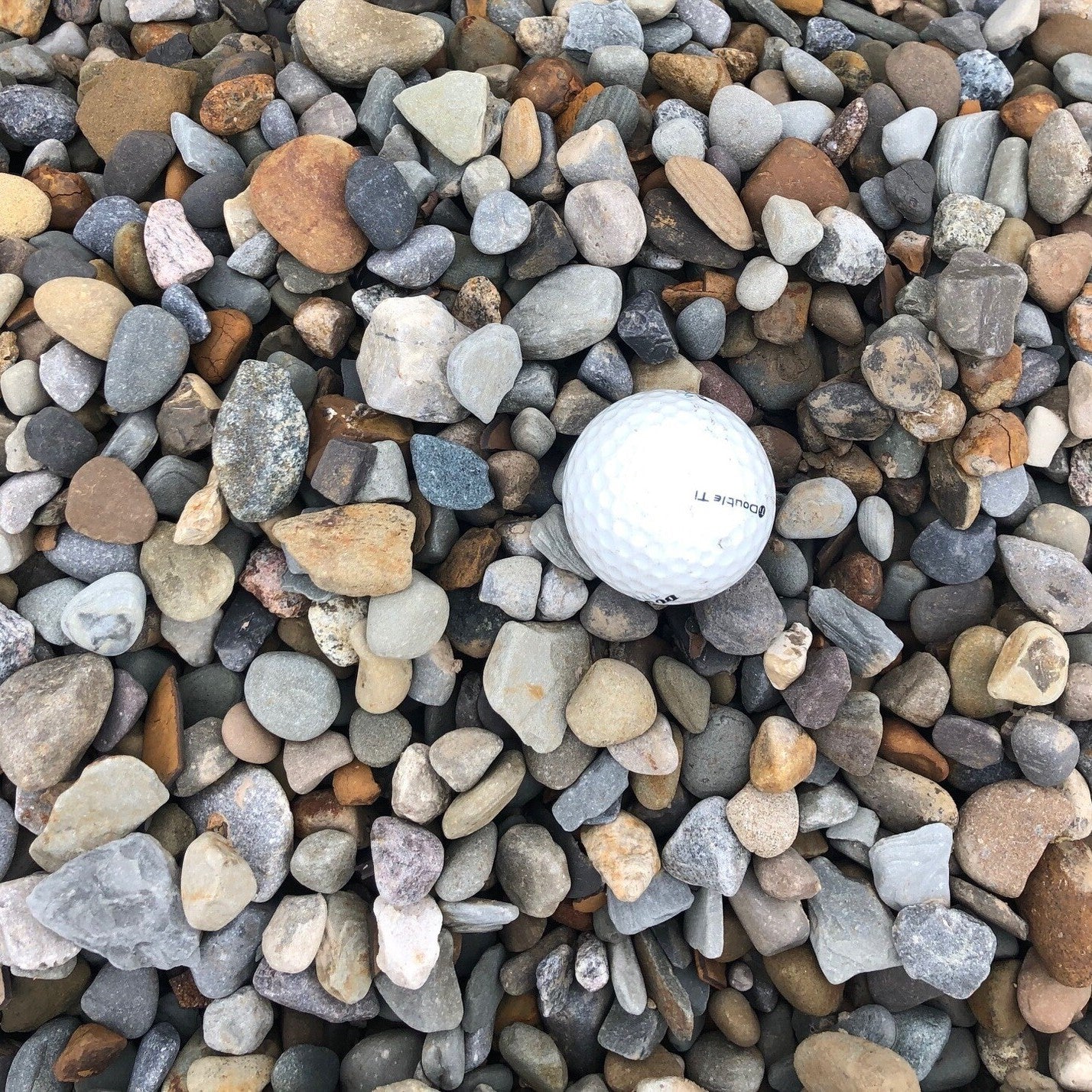
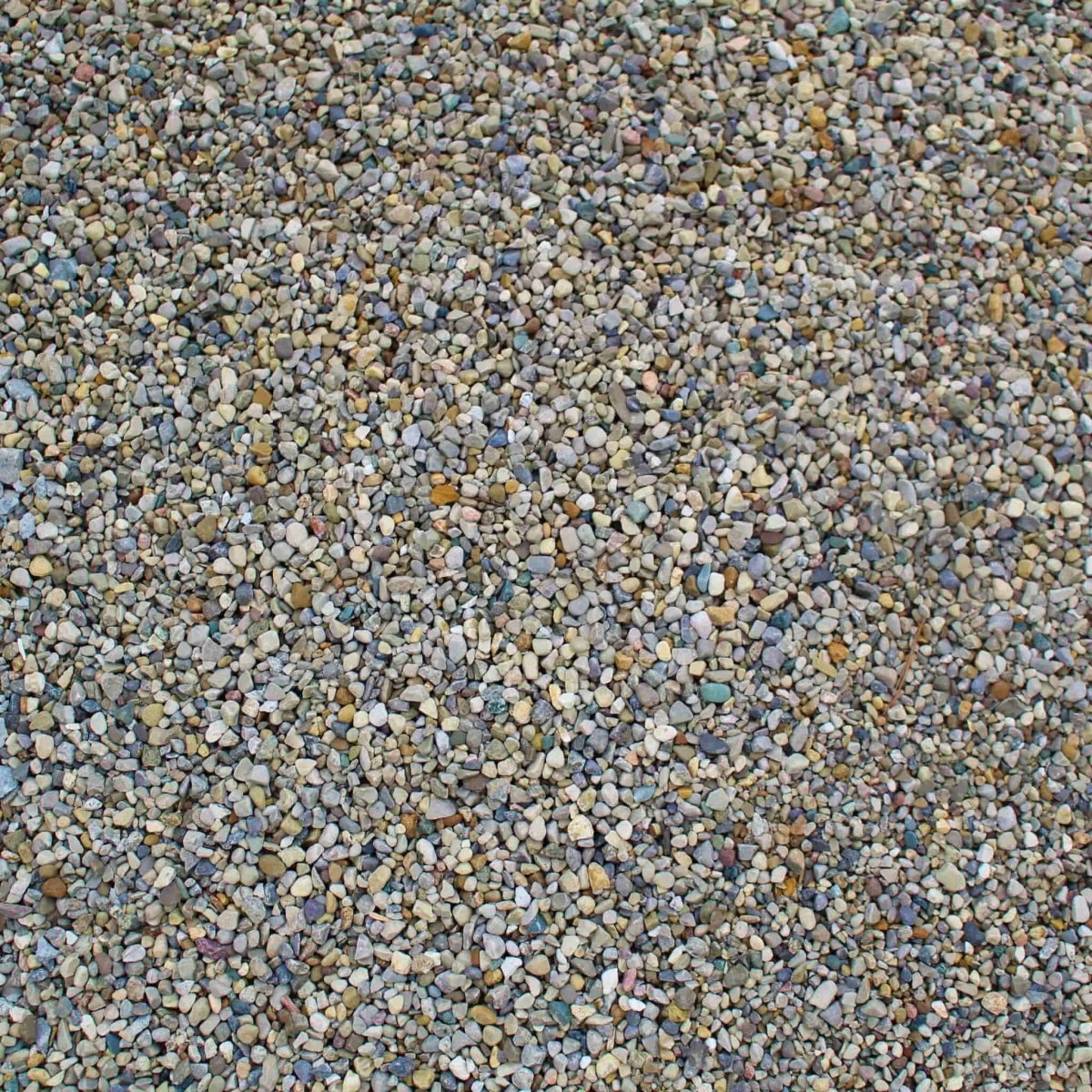
Number 57 crushed stone, angular limestone graded to about three quarters of an inch. The standard driveway, base and drainage gravel, it locks together under traffic and drains fast.
I used Mulch Mound to have 3 cubic yards of garden soil delivered. The process was easy and I love that I didn't have to call anyone. I placed my order online, picked my delivery date, laid out my tarp and the dirt was delivered. My delivery had to be pushed back, but I was ke...
Tell us what you're looking for
Thanks! We received your request.
Something went wrong. Please try again.
How Much Material Do I Need?
For decorative beds and pathways in Ogden, two to three inches of stone over landscape fabric provides solid coverage and reliable weed suppression through the full growing season. For drainage channels in clay loam areas, use a minimum of four to six inches of washed crushed stone to give water a clear, unobstructed path to flow away from structures and planting areas.
Use our free gravel calculator
What is a yard?
A yard is approximately 27 cubic feet. As a general guideline, one yard of material can cover an area of about 100-160 square feet at a 2-3 inch depth.
We can't take orders for this right now. Tell us what you need and we'll get back to you.
What do you need?
Thanks! We received your request.
Something went wrong. Please try again.
Hand-picked local yards
4,000+ regional deliveries
Dedicated support
Why order through Mulch Mound
The best local stone, without the guesswork.
We hand-pick and partner with the best yards in your region, keep only the ones our buyers rate well, and back each load with our guarantee.
Mulch Mound Guarantee
If your stone isn't the quantity or quality you ordered, we'll make it right.
About this stone
Number 57 crushed stone, angular limestone graded to about three quarters of an inch. The standard driveway, base and drainage gravel, it locks together under traffic and drains fast.
I used Mulch Mound to have 3 cubic yards of garden soil delivered. The process was easy and I love that I didn't have to call anyone. I placed my order online, picked my delivery date, laid out my tarp and the dirt was delivered. My delivery had to be pushed back, but I was ke...
How Much Material Do I Need?
For decorative beds and pathways in Ogden, two to three inches of stone over landscape fabric provides solid coverage and reliable weed suppression through the full growing season. For drainage channels in clay loam areas, use a minimum of four to six inches of washed crushed stone to give water a clear, unobstructed path to flow away from structures and planting areas.
Use our free gravel calculator
What is a yard?
A yard is approximately 27 cubic feet. As a general guideline, one yard of material can cover an area of about 100-160 square feet at a 2-3 inch depth.
I used Mulch Mound to have 3 cubic yards of garden soil delivered. The process was easy and I love that I didn't have to call anyone. I placed my o...
Read full review
I used Mulch Mound to have 3 cubic yards of garden soil delivered. The process was easy and I love that I didn't have to call anyone. I placed my order online, picked my delivery date, laid out my tarp and the dirt was delivered. My delivery had to be pushed back, but I was kept informed via text, which was great. So why not 5 stars? The description of garden soil on the website is "A balanced mix of topsoil and organic amendments ready for raised beds, flower gardens, and new planting areas. Good drainage, solid nutrients, easy to work with." What I got was more like fill dirt. It had a lot of gravel, a lot of clay, and random trash mixed in. I didn't test the soil to see if it actually had "amendments" because I already have compost and alpaca manure ready to add, but if I'd known the quality of the dirt was going to be the same as the bagged dirt I bought last year, I probably would have gotten 2 yards of top soil and a yard of leaf compost for better quality, especially since the leaf compost is cheaper. Photo of my mountain of dirt and just some of the trash I found in it.
To estimate stone for your Ogden project, measure the length and width of the coverage area in feet and note your target depth in inches, then let our calculator convert those numbers into cubic yards automatically. Because stone is considerably heavier than mulch or soil, a small number of cubic yards can cover more area than you might expect, so double-check your measurements before ordering. Stone is harder to repurpose than organic products if you over-order, so accurate measurements upfront save both money and effort.
Stone Types We Deliver in Ogden
Mulch Mound delivers bulk stone by the cubic yard straight to your door in Ogden, making it easy to complete any landscaping project without repeated store runs. Whether you are searching for bulk gravel by the yard or planning a new patio, our team brings the exact amount you need right to your property. The high-desert climate and clay-heavy soils common to this part of Utah make proper drainage and decorative ground cover especially important for long-lasting results.
Pea Gravel
Pea gravel is one of the most popular choices for homeowners in this part of Utah who want a clean, low-maintenance ground cover that holds up through harsh freeze-thaw cycles. Its smooth, rounded stones in warm earth tones suit the natural desert palette well, and the open texture drains quickly through clay-heavy soil.
Complete Your Outdoor Stone Project
Pairing stone borders with a fresh layer of wood mulch inside your planting beds creates a clean, defined look that works well with Ogden's natural high-desert landscape character. Our bulk soil options are a perfect complement when you are building raised beds surrounded by stone pathways, giving you improved growing conditions right alongside low-maintenance hardscape in your Ogden yard.
Ogden's clay loam soil expands and contracts seasonally, and this movement can cause stone borders to shift out of alignment over several freeze-thaw cycles if edging is not properly anchored. Use steel or aluminum landscape edging staked at least six inches deep to hold your stone beds in place, which is deeper than edging required in warmer, less frost-active climates. Check and re-stake any lifted sections each spring after snowmelt to keep your stone areas looking crisp and well-defined through the growing season.
Mulch Mound Pro Tip
When using crushed stone for drainage along Ogden foundations, slope the stone bed away from the structure at a grade of at least one inch per foot for the first four to six feet. Clay loam around foundations tends to settle unevenly over years of freeze-thaw cycles, and a properly graded stone channel ensures snowmelt from late February through April flows away from the home rather than pooling against the slab or footer and causing moisture issues.
Mulch Mound Pro Tip
Ogden gets most of its 21 annual inches of rainfall concentrated in spring, and bare clay loam around stone features can turn muddy and splash soil onto your clean gravel during heavy April showers. Installing stone slightly below the surrounding grade so water flows into it rather than over it, combined with a fabric barrier beneath, keeps your gravel clean through the wet season. This simple grading detail dramatically reduces the maintenance needed to keep stone looking fresh and defined from spring through fall.
The Unique Landscape of Ogden
Ogden's clay loam soil and relatively modest 21 inches of annual rainfall create conditions where decorative stone outperforms organic ground covers in many landscape applications across the city. Unlike mulch, stone does not decompose into clay loam, which means it stays in place through Ogden's intense freeze-thaw cycles from November through March without needing annual replenishment or color refresh. In areas with heavy foot traffic, around driveways, along pathways, or bordering foundation plantings, stone provides a stable surface that clay loam alone cannot sustain without rutting or muddying. Ogden's elevation also means more intense UV radiation than lower-elevation Utah communities, which fades organic mulch quickly but has no effect on stone's color or texture year after year. For drainage problem areas that are common wherever clay loam dominates, a properly installed crushed stone layer under pathways or along fence lines can redirect water away from planting areas and foundations. Stone also extends the visual season of your landscape, looking intentional and clean from the first spring thaw all the way through the last snowfall of the year.
Frequently Asked Questions
Click a question to see the answer
Answer
What type of stone works best for pathways through an Ogden yard?
Crushed gravel in the three-eighths to three-quarter inch range is the most practical choice for Ogden pathways because it compacts firmly over clay loam and does not shift as dramatically as round river rock under foot traffic. The angular edges of crushed gravel interlock when walked on, creating a stable surface that holds up well through Ogden's winter freeze-thaw cycles. A compacted gravel base of three to four inches over landscape fabric gives you a pathway that stays clean and defined season after season with minimal maintenance.
Answer
Will decorative stone actually help with the drainage problems I have in my Ogden yard?
Stone is one of the most effective tools for managing drainage in Ogden's clay loam landscape. Clay loam sheds water rather than absorbing it quickly during heavy spring rains, so French drain channels filled with washed drainage stone can carry runoff from low spots to safer discharge areas. Along fence lines and house foundations where water tends to pond after spring snowmelt, a six to eight inch wide channel of crushed stone grades water away without the need for additional infrastructure or ongoing maintenance.
Answer
How deep should I install decorative stone in my Ogden landscape beds?
Two to three inches of stone over landscape fabric is the standard depth for decorative beds in Ogden. That depth is heavy enough to stay put through the wind events that are common at our elevation and suppresses weeds effectively all season. For areas where you want stone as a permanent groundcover replacement, three inches over a quality fabric barrier will give you a clean, low-maintenance surface that holds up through multiple Ogden winters without needing to be replenished.
Answer
Does light-colored stone get too hot for plants during Ogden's summer afternoons?
Light-colored stone like tan gravel or buff river rock reflects heat rather than absorbing it, making it a better choice near foundation plantings and around heat-sensitive perennials in Ogden. Dark stones like black Mexican beach pebble can radiate significant heat during July and August afternoons, which can stress plant roots in beds that are already dealing with Ogden's summer heat and limited rainfall. If you use darker stone near plants, give them adequate irrigation and keep the stone a few inches away from plant stems.
Answer
What is the best way to keep gravel and stone areas looking clean in an Ogden yard?
The biggest maintenance challenge with stone in Ogden is the clay loam soil that gets tracked into gravel areas or washed in during heavy spring rains. A firm border of metal or plastic lawn edging keeps stone from migrating into turf and keeps soil from migrating into stone. Raking stone areas once or twice a year and occasionally blowing out debris with a leaf blower keeps them looking sharp with minimal effort compared to organic ground covers that need seasonal replacement.
Answer
Can I use stone around the pathways in my Ogden vegetable garden?
Stone pathways between raised vegetable beds are a smart choice in Ogden because they stay clean, dry quickly after irrigation, and do not harbor the slug or pill bug populations that wood mulch can attract in moist conditions. Keep stone at least an inch below the top of your raised bed frames to prevent gravel from mixing into your garden soil over time. Tan or buff crushed stone is the most popular option for Ogden vegetable garden pathways because it reflects light upward toward plant foliage and drains immediately after watering.
Answer
How does stone hold up through a full Ogden winter compared to other ground covers?
Stone is essentially maintenance-free through Ogden winters, unlike organic mulch which can mat, blow, or decompose under snowpack from November through March. After snowmelt in late winter and early spring, your stone areas will look the same as they did the previous fall with no replenishment needed. The only post-winter task is raking any gravel that shifted during heavy snow removal and checking that edging borders held their position through the freeze-thaw movement that Ogden clay loam experiences regularly from late fall through early spring.
Answer
What is road base used for?
Road base is a compacted layer of crushed rock and fines used under driveways, parking pads, and paver projects to create a hard, stable surface that sheds water. We deliver Crushed Stone #57 to Ogden properties instead, a clean, free draining stone that holds up well against the freeze-thaw cycles common here from November through March.