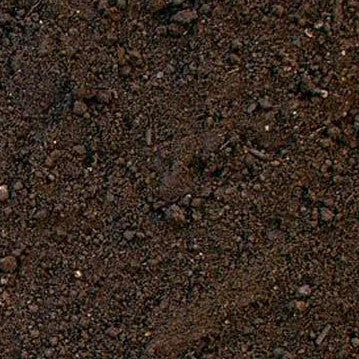
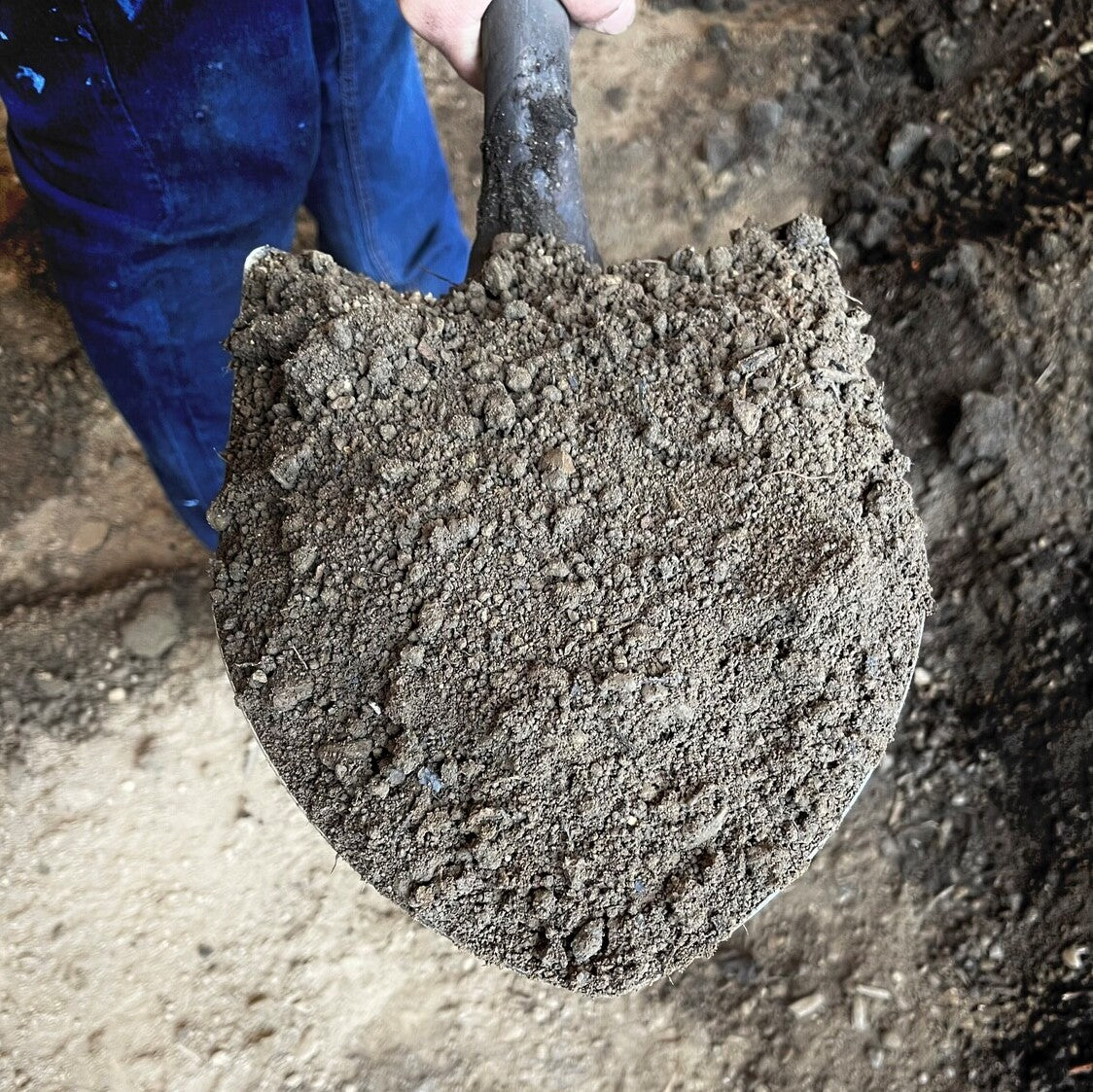
Quality topsoil for lawns, gardens, and landscape projects. Nutrient rich and ready to support strong root development and healthy plant establishment.
I got 3 yards of dirt to create a garden bed on the side of my house and to help fill my new raised garden beds. We had enough dirt to do all of this and fill some holes in the yard! Thanks 😃
Tell us what you're looking for
Thanks! We received your request.
Something went wrong. Please try again.
How Much Material Do I Need?
For raised beds in Ogden, fill to at least ten to twelve inches of amended soil to give roots room to develop well above the clay loam layer below. For lawn leveling, plan on half an inch to one inch of screened topsoil per pass, applied no more than once per growing season to avoid smothering existing turf.
Use our free soil calculator
What is a yard?
A yard is approximately 27 cubic feet. As a general guideline, one yard of material can cover an area of about 100-160 square feet at a 2-3 inch depth.
We can't take orders for this right now. Tell us what you need and we'll get back to you.
What do you need?
Thanks! We received your request.
Something went wrong. Please try again.
Hand-picked local yards
4,000+ regional deliveries
Dedicated support
Why order through Mulch Mound
The best local soil, without the guesswork.
We hand-pick and partner with the best yards in your region, keep only the ones our buyers rate well, and back each load with our guarantee.
Mulch Mound Guarantee
If your soil isn't the quantity or quality you ordered, we'll make it right.
About this soil
Quality topsoil for lawns, gardens, and landscape projects. Nutrient rich and ready to support strong root development and healthy plant establishment.
I got 3 yards of dirt to create a garden bed on the side of my house and to help fill my new raised garden beds. We had enough dirt to do all of this and fill some holes in the yard! Thanks 😃
How Much Material Do I Need?
For raised beds in Ogden, fill to at least ten to twelve inches of amended soil to give roots room to develop well above the clay loam layer below. For lawn leveling, plan on half an inch to one inch of screened topsoil per pass, applied no more than once per growing season to avoid smothering existing turf.
Use our free soil calculator
What is a yard?
A yard is approximately 27 cubic feet. As a general guideline, one yard of material can cover an area of about 100-160 square feet at a 2-3 inch depth.
I got 3 yards of dirt to create a garden bed on the side of my house and to help fill my new raised garden beds. We had enough dirt to do all of th...
Read full review
I got 3 yards of dirt to create a garden bed on the side of my house and to help fill my new raised garden beds. We had enough dirt to do all of this and fill some holes in the yard! Thanks 😃
Measure your project area in feet and use our online calculator to convert square footage and target depth into cubic yards. For lawn leveling projects in Ogden, it helps to walk the area and mark low spots so you can estimate an average fill depth across the space rather than guessing at a single number. Clay loam soil in Ogden does not compress as much as sandy fill, so your calculation should be fairly accurate without needing a large buffer quantity.
Soil Types We Deliver in Ogden
Ogden's native soil tends to be heavy clay, which can make it tough to establish healthy lawns, gardens, and landscape beds without amending or replacing what's already there. We deliver bulk topsoil by the yard in Ogden so you can build a better growing foundation without hauling bags from the store. Orders arrive loose by the cubic yard, making it easy to cover large areas efficiently.
Screened Top Soil
A nutrient-rich, finely screened topsoil that works well for filling raised beds, grading yards, and starting new lawn areas across Ogden properties. The screening process removes rocks, clumps, and debris, leaving a loose, workable texture that supports strong root development and healthy plant establishment in Utah's variable growing climate.
Complete Your Outdoor Soil Project
After your soil is in place, a layer of mulch over garden beds will protect the new soil from Ogden's intense summer sun and slow moisture evaporation through the dry months of July and August. Our decorative stone options are ideal for bordering raised beds or lining pathways between garden sections in your Ogden yard.
How do I actually improve my Ogden clay loam before planting a vegetable garden?
The most effective approach for Ogden clay loam is to bring in amended topsoil and work it into the existing soil to a depth of eight to ten inches. Clay loam in Ogden improves significantly when organic matter is blended in, so a good garden mix with compost already incorporated saves several preparation steps. Raised beds are also popular here because they sidestep the native clay entirely and give you complete control over drainage and fertility from the start of your first growing season.
Answer
Can I use bulk topsoil to level out the uneven spots in my Ogden lawn?
Yes, screened topsoil is the standard material for lawn leveling in Ogden. Apply no more than half an inch at a time over existing grass so you do not smother it, working the soil into low spots with the back of a rake. For deeper depressions of an inch or more, it is better to cut the sod, fill with topsoil, and re-lay or re-seed. The window from late April through June is ideal for lawn leveling in Ogden because grass is actively growing and will knit into the new material quickly.
Answer
What kind of soil should I use to fill raised garden beds in Ogden?
A blended raised bed mix that combines topsoil, compost, and a drainage amendment like perlite or coarse sand works best at Ogden's elevation. Pure topsoil without amendments can compact in the confined space of a raised bed and start to mimic the clay loam drainage problems you were trying to avoid in the first place. Aim for a mix that is loose and crumbles easily in your hand, which will give Ogden's shorter growing season the best possible chance to produce.
Answer
How much topsoil do I need to grade the low spot in my Ogden backyard?
The amount depends on how significant the grading work is, but a good rule of thumb is to calculate your square footage, multiply by the average depth of fill needed in feet to get cubic feet, then divide by 27 for cubic yards. Ogden yards often need grading along foundation walls and fence lines where clay loam settles unevenly over years of freeze-thaw cycles. Our calculator on the product page makes it straightforward once you have your measurements in hand.
Answer
Does Ogden's native clay loam need soil improvements even in non-garden lawn areas?
For lawn areas, clay loam is workable with the right care, though it compacts noticeably under foot traffic and heavy snowpack over time. Adding a thin layer of screened topsoil in fall combined with core aeration significantly improves turf health in Ogden's high-elevation environment. For shrub borders and ornamental beds, a two to three inch layer of topsoil tilled into the clay loam at planting time can mean the difference between struggling plants and thriving ones through the growing season.
Answer
Will the bulk topsoil I order settle a lot after I spread it in Ogden?
Some settling is normal with any bulk soil, typically around 10 to 15 percent over the first year as moisture and freeze-thaw cycles compact the material. Ogden's winter frost cycles, with temperatures regularly dropping into the teens from November through February, will pack loose soil more firmly than climates with milder winters. For raised beds, overfill slightly above your frame height at installation and plan on topping off the following spring after the first full freeze-thaw cycle.
Answer
When is the right time to bring in topsoil to establish a brand-new lawn in Ogden?
Late summer, specifically late July through August, is a preferred window for establishing new lawns in Ogden because the soil is workable, temperatures begin cooling in September, and fall rains help new seed establish before the first frost on October 17. Spring installation from late April through May also works well but competes with the busy planting season for both labor and water availability. Avoid seeding after mid-September, as new grass needs at least six weeks to establish before hard frost arrives.
Mulch Mound Pro Tip
Ogden's clay loam holds fertility well but can develop pH issues over time, particularly in areas with heavy irrigation from the region's alkaline municipal water supply. Before bringing in new topsoil, run a quick soil pH test available at local garden centers. If your existing soil reads above 7.5, blend in sulfur or an acidic compost with your new topsoil to buffer the pH toward the 6.0 to 7.0 range that most vegetables and ornamentals prefer for strong root development.
Mulch Mound Pro Tip
When grading with bulk topsoil near your home's foundation, Ogden's freeze-thaw cycles are your biggest long-term concern. Grade soil away from the foundation at a slope of at least one inch per foot for the first six feet to direct snowmelt and spring rain away from the structure. Clay loam that pools against a foundation will expand during freeze cycles and can cause gradual movement or moisture intrusion over several winters if the grade is not maintained.
Mulch Mound Pro Tip
Ogden receives most of its 21 inches of annual rainfall between March and June, which is actually the best time to let new topsoil settle and establish before summer planting begins. If you are filling raised beds or grading in early spring, the natural precipitation will help consolidate the soil and reveal any low spots that need topping off before you plant. This approach saves you from heavy hand-watering during settlement, which can create uneven compaction that shows up as dips later in the season.
The Unique Landscape of Ogden
Ogden sits at 4,280 feet with naturally occurring clay loam that drains more slowly than ideal for most garden plants and lawn grasses, creating a frustrating cycle of wet springs and cracked, dry summers. When clay loam gets saturated from snowmelt and April rains, it stays wet for extended periods that can drown shallow root systems or encourage fungal disease at the crown. By late summer, that same clay loam shrinks and cracks as it dries, which can shear fine feeder roots and leave beds looking stressed even when you are watering on schedule. Bringing in quality bulk topsoil or amended garden soil allows Ogden homeowners to build raised beds, level lawns, and improve drainage without fighting the native clay on its own terms. Zone 6b also means a shorter effective growing season, roughly from mid-April to mid-October, so having nutrient-rich soil in place at planting time gives crops and ornamentals the best possible start in a compressed window. Whether you are prepping a new vegetable garden, grading a low spot in your lawn, or backfilling a retaining wall, the right soil product makes a measurable difference in how your Ogden landscape performs.