





Delivery was smooth and on time!
The triple shredded mulch was great quality and just what we were looking for.
About this mulch
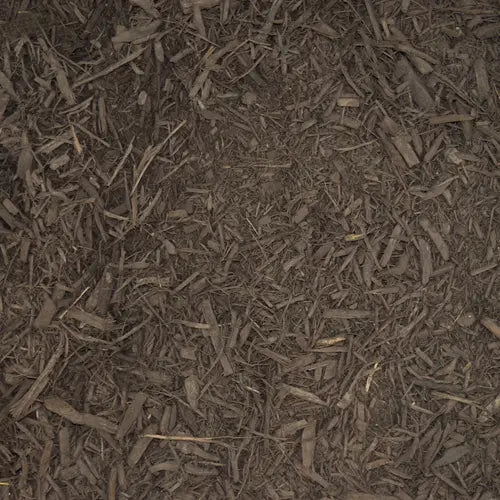
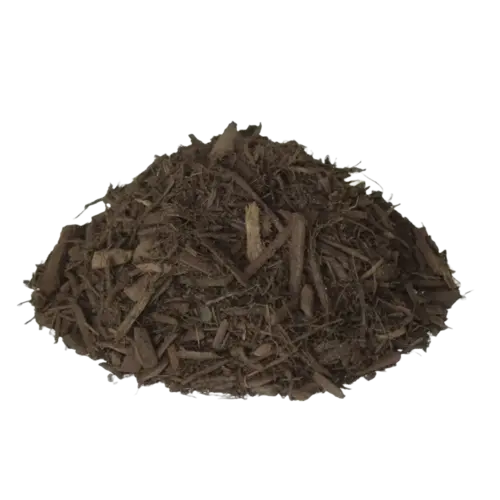
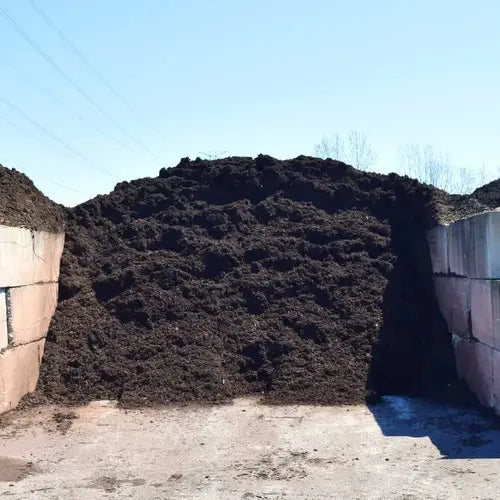
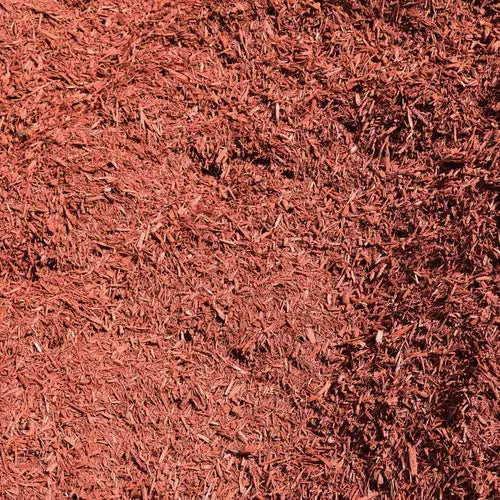
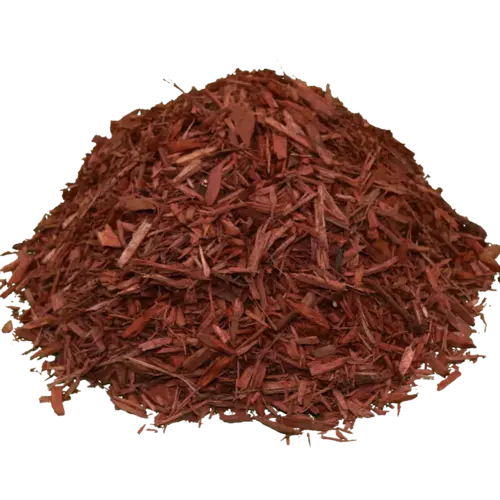
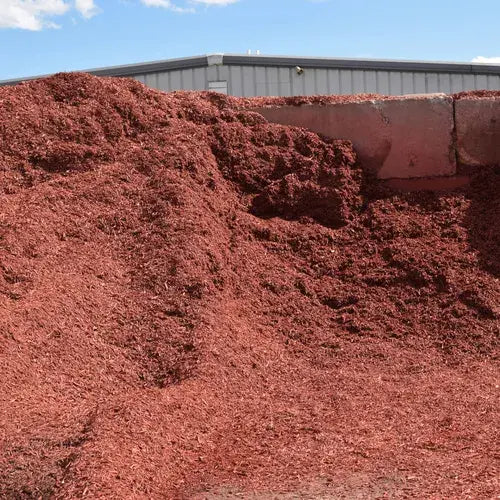
Warm brown double shredded mulch with lasting color that looks freshly applied for weeks. Spreads smooth, stays put, and gives beds a natural, polished appearance.
Delivery was smooth and on time!
The triple shredded mulch was great quality and just what we were looking for.
Tell us what you're looking for
Thanks! We received your request.
Something went wrong. Please try again.
How Much Material Do I Need?
How Much Material Do I Need?
Three inches of mulch is the standard recommendation for Olathe beds over clay soil, providing enough depth to suppress weeds and buffer soil temperature without creating the waterlogged conditions that dense clay already tends toward.
Use our free mulch calculator
What is a yard?
What is a yard?
FAQs
FAQs
Olathe Mulch Delivery
Olathe Mulch Delivery
Regular price
$87.00
per
yard
Regular price
Sale price
$87.00
Unit price
per
Shipping calculated at checkout.
Minimum of 3 yard
Couldn't load pickup availability
Not currently available
We can't take orders for this right now. Tell us what you need and we'll get back to you.
Hand-picked local yards
4,000+ regional deliveries
Dedicated support
Why order through Mulch Mound
The best local mulch, without the guesswork.
We hand-pick and partner with the best yards in your region, keep only the ones our buyers rate well, and back each load with our guarantee.
Mulch Mound Guarantee
If your mulch isn't the quantity or quality you ordered, we'll make it right.
About this mulch
Warm brown double shredded mulch with lasting color that looks freshly applied for weeks. Spreads smooth, stays put, and gives beds a natural, polished appearance.
Delivery was smooth and on time!
The triple shredded mulch was great quality and just what we were looking for.
How Much Material Do I Need?
How Much Material Do I Need?
Three inches of mulch is the standard recommendation for Olathe beds over clay soil, providing enough depth to suppress weeds and buffer soil temperature without creating the waterlogged conditions that dense clay already tends toward.
Use our free mulch calculator
What is a yard?
What is a yard?
FAQs
FAQs
Tell us what you're looking for
Thanks! We received your request.
Something went wrong. Please try again.

How It Works
Getting started is easy — just follow these simple steps
1
Choose your Mulch
Make sure you adjust the quantity to your home's needs. You can use our calculator to estimate how much you'll need.
2
Select your delivery date
Select a delivery date you'd like for the product to be dropped off at your home
3
Sit back and wait
Sit back, wait, and let us work our magic to make sure the highest quality product is delivered to your driveway.

Great experience with mulch mound. Their online calculator made it easy to estimate how many yards of mulch I needed and delivery was quick. I woul...
Read full review
Great experience with mulch mound. Their online calculator made it easy to estimate how many yards of mulch I needed and delivery was quick. I would definitely recommend them for your future projects.

We needed mulch for our HOA common areas. Local providers were all holding high prices even for 40 yards of mulch. Mulch mound was easy to wowith...
Read full review
We needed mulch for our HOA common areas. Local providers were all holding high prices even for 40 yards of mulch. Mulch mound was easy to wowith & has great price for natural mulch + delivery schedule options. They called before delivery to ensure Delivery was exactly where we wanted it.
Calculate mulch for your Olathe project
For Olathe's Heavy Clay type of soil, we recommend 2-3 inches for best weed suppression and moisture retention
Try Our CalculatorMeasure the length and width of each bed in feet and multiply to get square footage, then account for the fact that Olathe's clay soil means your beds may have irregular raised edges from previous amendments that add a bit of volume. Most calculators assume a flat, even surface, so add roughly ten percent to your estimate to cover edges, slopes, and the natural settling that happens after Olathe's first heavy spring rain compacts fresh mulch into place.
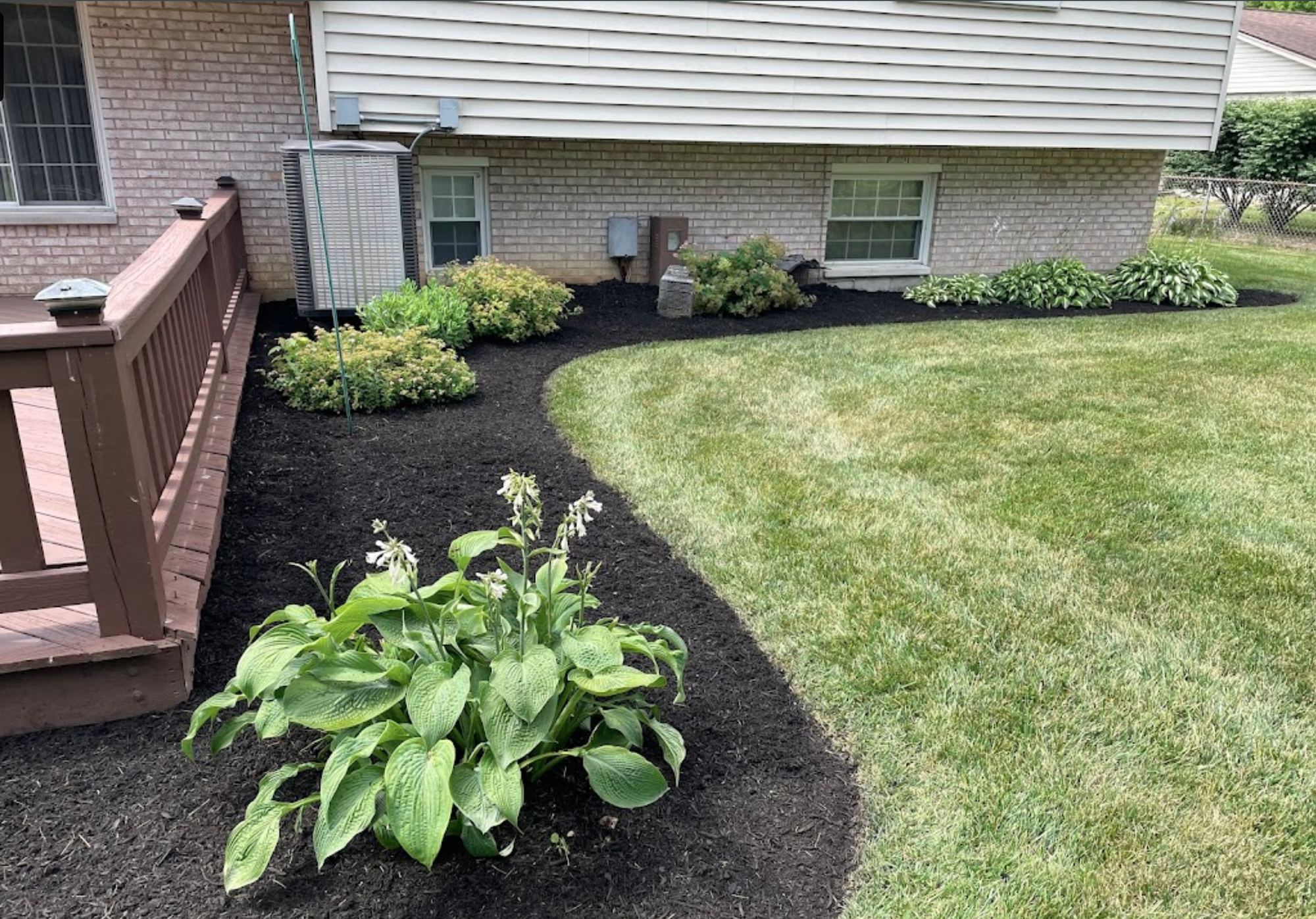

Best Mulch Choice for Olathe Lawns
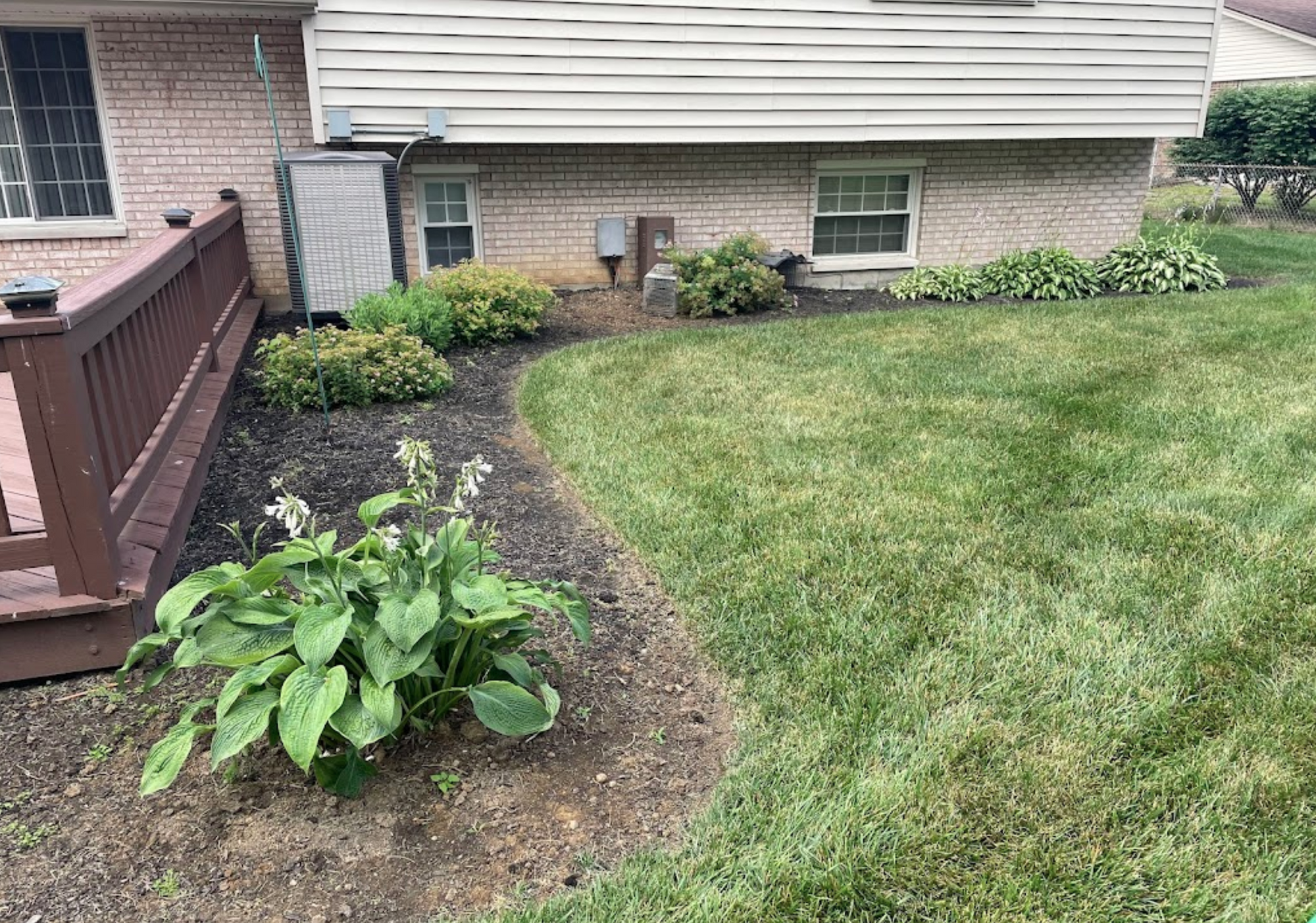
Most yards in the Olathe area sit on Heavy Clay type of soil. Olathe's heavy clay soil becomes compacted and poorly aerated over time, making it hard for plant roots to penetrate and for water to drain between storms. Planting beds built over clay need all the help they can get to create a workable root environment, and the surface mulch layer you choose plays a direct role in that outcome.
Hardwood Mulch
Hardwood mulch is particularly well-suited to Olathe's clay soil beds because as it breaks down, it contributes lignin-rich organic material that physically separates clay particles and improves aggregate structure over time. After multiple seasons of consistent mulching, beds develop a progressively looser, more biologically active layer just below the mulch surface, making it easier to plant, water, and maintain those beds year after year.
Mulch Types We Deliver in Olathe
Mulch Mound offers bulk mulch delivery in Olathe by the cubic yard, making it easy to refresh garden beds, tree rings, and landscape borders without the hassle of bagged material. Whether you are updating a single flower bed or covering a large yard, we deliver exactly what you need right to your door. Choose from our most popular varieties below and we will handle the rest.
Dyed Brown Mulch
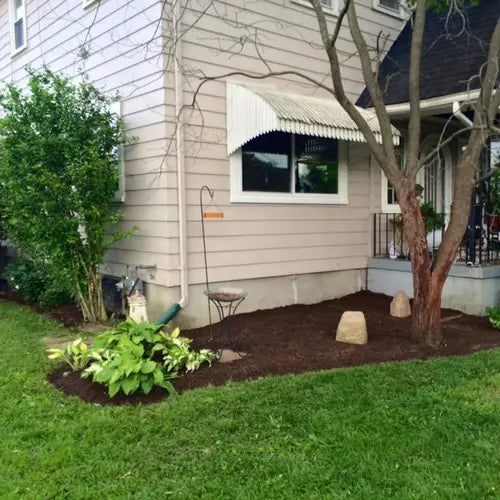
Dyed Brown Mulch is a top choice for Olathe homeowners who want a clean, natural look in their landscape beds. Available in double shredded style, it spreads smoothly and holds its warm brown color for weeks, giving yards a consistently polished, freshly tended appearance through the long Kansas growing season.
Dyed Red Mulch
Dyed Red Mulch brings bold contrast to Olathe yards where green shrubs and ornamental grasses are common. The vibrant color holds its intensity through the heat and humidity of a Kansas summer. Double shredded for easy spreading, it suits homeowners who want curb appeal that stands out season after season.
Cedar Mulch
Cedar Mulch is a practical choice for Olathe gardens where insect pressure during warm months is a concern. The rich cedar aroma naturally deters pests, and the double shredded texture holds up through wind and summer rain. It stays looking great season after season with very little maintenance required.
Complete Your Outdoor Mulch Project
If your beds are compacted or poorly draining, consider pairing your mulch order with a bulk garden soil delivery to build up the bed before mulching. Adding a border of landscape stone around the perimeter keeps mulch from migrating onto turf during Olathe's heavy spring storms.


Service area
Areas we deliver mulch in Olathe, Kansas
Mulch Mound Pro Tip
Pull all existing weeds before spreading mulch, especially in spring when Olathe's warming clay soil is loaded with dormant weed seeds ready to germinate. Mulch locks in whatever is underneath, so laying it over established weeds gives them a moist, protected environment to root deeper. A quick hand-weed or light hoeing followed immediately by your mulch application gives you the cleanest, longest-lasting results without resorting to herbicides.
Mulch Mound Pro Tip
Time your mulch application around Olathe's last frost date of April 11. Laying mulch too early in March can insulate cold soil and delay the warming that perennials and bulbs need to break dormancy. Wait until nighttime temperatures are consistently above freezing and new growth is pushing up, then apply your mulch layer to hold that warmth in rather than trapping the cold.
Mulch Mound Pro Tip
Olathe receives about 39 inches of rain annually, with a large portion falling in intense spring thunderstorm events that move through quickly. Slope your mulch beds slightly toward the yard rather than toward structures, and avoid piling mulch in low spots where it will float and redistribute during a downpour. A clean application at three inches with gentle outward slopes holds its shape through heavy rain far better than a loosely dumped mound.
The Unique Landscape of Olathe
Olathe's heavy clay soil creates a unique challenge for plant beds because water pools on the surface rather than draining through, which suffocates roots and encourages fungal problems during wet stretches. A consistent layer of mulch acts as a buffer between that dense clay and the open air, moderating soil temperature swings that can be dramatic between Olathe's late spring heat and the cold snaps that sometimes arrive near the last frost date of April 11. With 39 inches of annual rainfall spread unevenly across the seasons, mulch holds moisture during dry spells in July and August while slowing runoff during heavy spring storms that would otherwise carry bare clay off your beds. Olathe's elevation of around 1,100 feet also means winter winds can desiccate exposed soil quickly, making mulch a critical insulating layer as temperatures drop toward the first frost in late October. Keeping beds mulched year-round reduces the cycle of clay soil cracking in summer heat and heaving through winter freeze-thaw cycles. Proper mulching translates directly into healthier plants and less water spent on beds that would otherwise lose surface moisture within days.