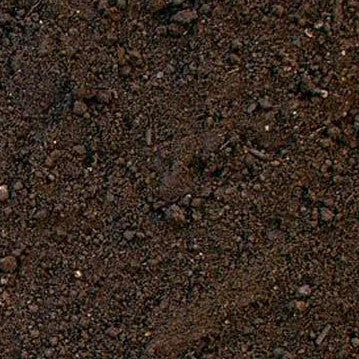
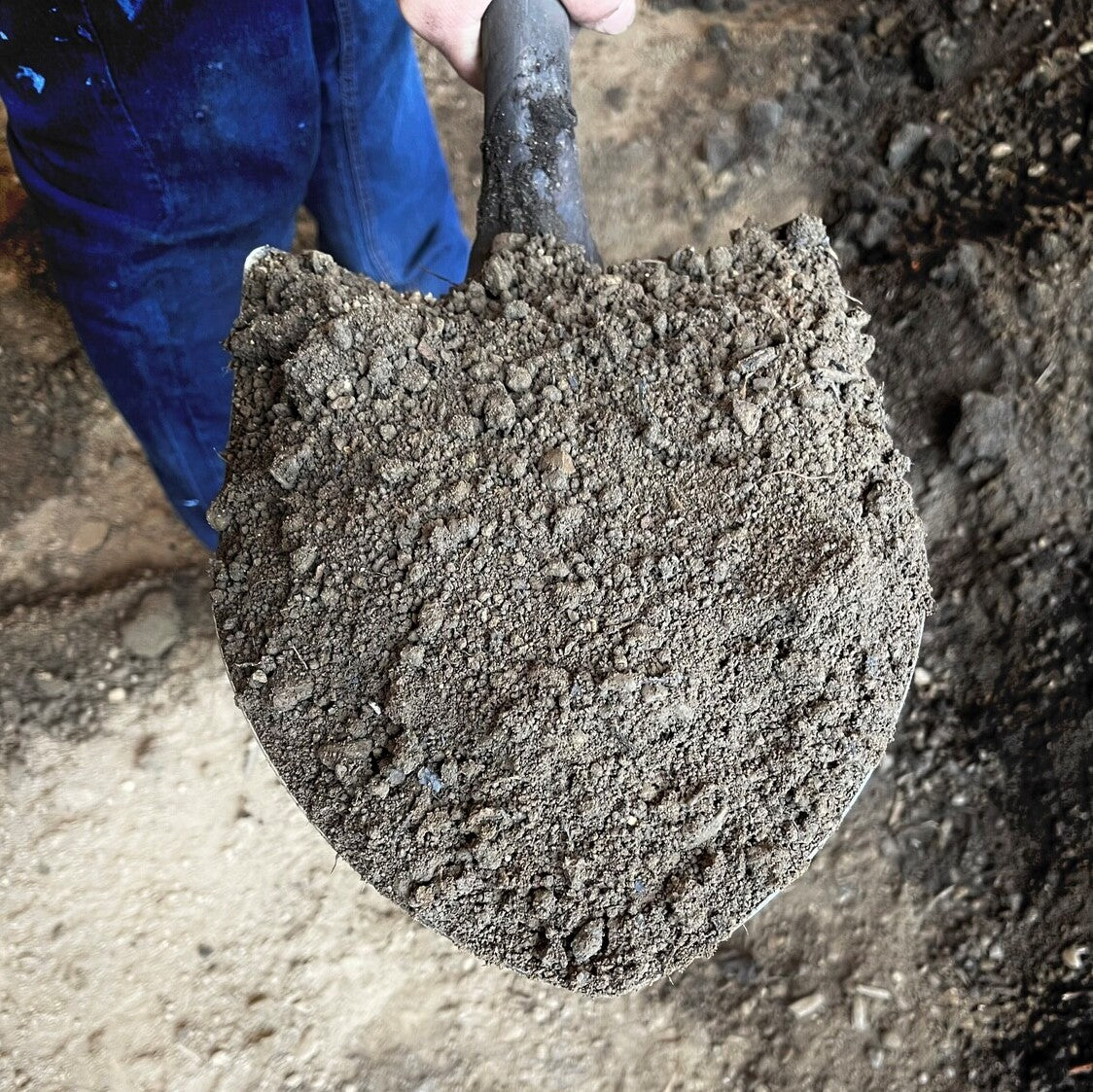
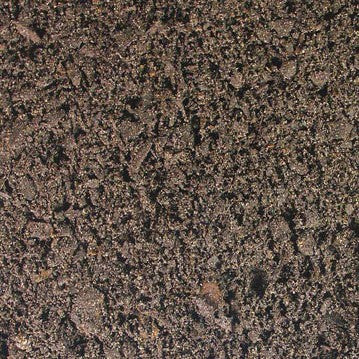
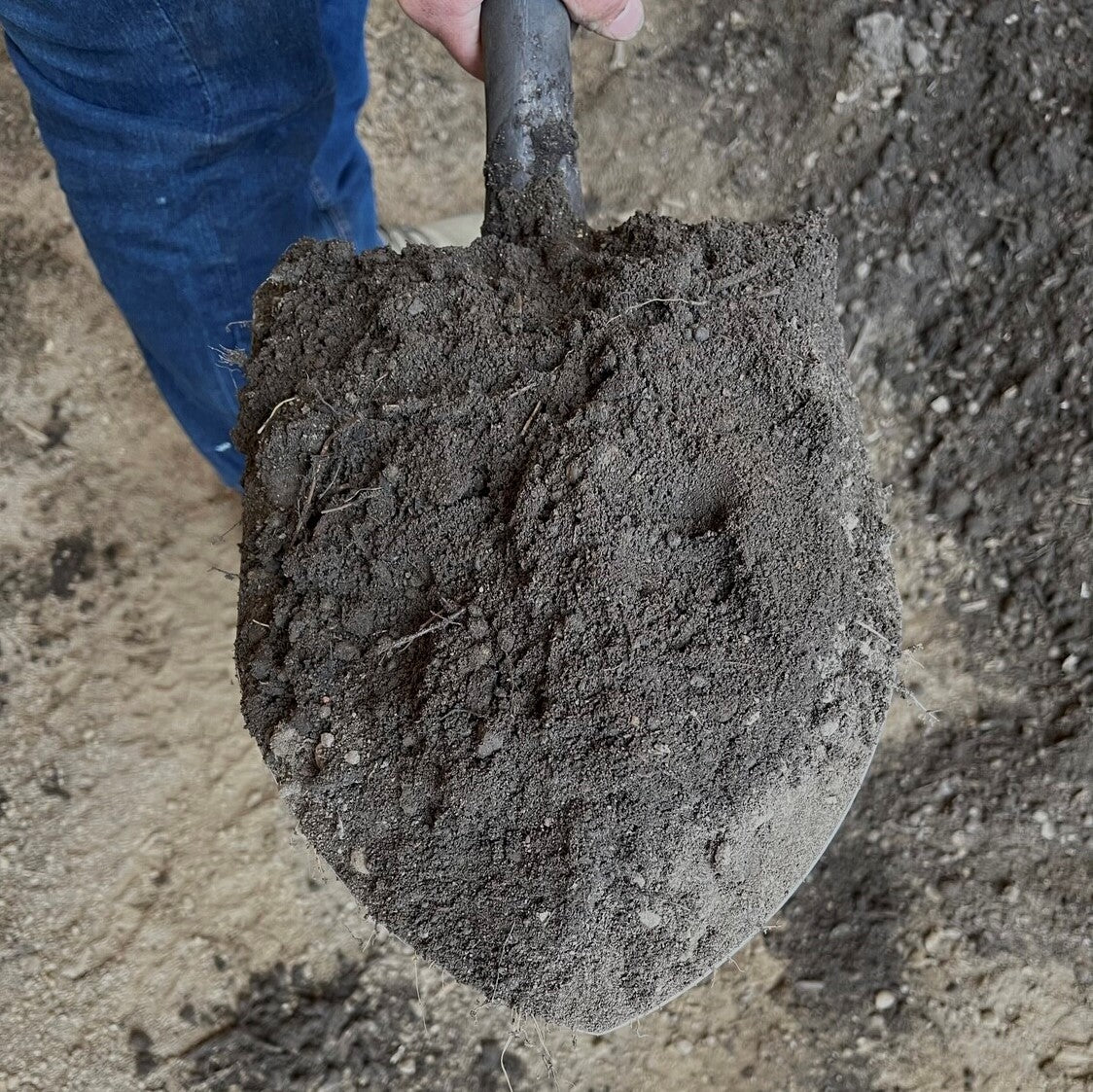
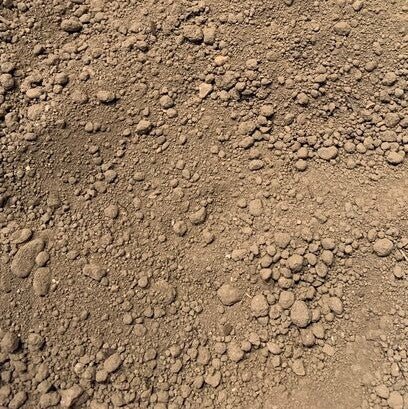
Quality topsoil for lawns, gardens, and landscape projects. Nutrient rich and ready to support strong root development and healthy plant establishment.
Great experience - not only was this the most affordable option for dirt delivery in Cleveland heights, but the delivery was fast and friendly. Got exactly what I needed and the truck got as close as possible to where I needed the dirt - even in my cramped driveway. Will be us...
Tell us what you're looking for
Thanks! We received your request.
Something went wrong. Please try again.
How Much Material Do I Need?
For lawn leveling over Olathe's clay base, a half-inch to one-inch depth of screened topsoil is enough for most topdressing applications, while raised garden beds and planting areas need a minimum of eight to twelve inches of quality garden soil to provide adequate root space above the dense native clay layer.
Use our free soil calculator
What is a yard?
A yard is approximately 27 cubic feet. As a general guideline, one yard of material can cover an area of about 100-160 square feet at a 2-3 inch depth.
We can't take orders for this right now. Tell us what you need and we'll get back to you.
What do you need?
Thanks! We received your request.
Something went wrong. Please try again.
Hand-picked local yards
4,000+ regional deliveries
Dedicated support
Why order through Mulch Mound
The best local soil, without the guesswork.
We hand-pick and partner with the best yards in your region, keep only the ones our buyers rate well, and back each load with our guarantee.
Mulch Mound Guarantee
If your soil isn't the quantity or quality you ordered, we'll make it right.
About this soil
Quality topsoil for lawns, gardens, and landscape projects. Nutrient rich and ready to support strong root development and healthy plant establishment.
Great experience - not only was this the most affordable option for dirt delivery in Cleveland heights, but the delivery was fast and friendly. Got exactly what I needed and the truck got as close as possible to where I needed the dirt - even in my cramped driveway. Will be us...
How Much Material Do I Need?
For lawn leveling over Olathe's clay base, a half-inch to one-inch depth of screened topsoil is enough for most topdressing applications, while raised garden beds and planting areas need a minimum of eight to twelve inches of quality garden soil to provide adequate root space above the dense native clay layer.
Use our free soil calculator
What is a yard?
A yard is approximately 27 cubic feet. As a general guideline, one yard of material can cover an area of about 100-160 square feet at a 2-3 inch depth.
Great experience - not only was this the most affordable option for dirt delivery in Cleveland heights, but the delivery was fast and friendly. Got...
Read full review
Great experience - not only was this the most affordable option for dirt delivery in Cleveland heights, but the delivery was fast and friendly. Got exactly what I needed and the truck got as close as possible to where I needed the dirt - even in my cramped driveway. Will be using again and recommending to my neighbors.
Calculate your project area in square feet and decide on the depth of soil you need, remembering that soil compacts after settling, especially after Olathe's heavy spring rains work through a fresh fill. For raised beds, add 15 percent to your volume estimate to account for that compaction and ensure your beds stay at full working depth through the growing season.
Soil Types We Deliver in Olathe
Mulch Mound offers bulk soil delivery by the cubic yard to homes and landscapes throughout Olathe. The dense clay found across much of this part of Kansas makes quality imported soil a smart choice for lawns, gardens, and new planting areas. If you have been searching for soil delivery near me, we bring the right material straight to your driveway.
Screened Top Soil
Our screened top soil arrives finely processed, free of rocks and debris, and ready to spread across lawns, beds, or grading projects. It delivers the nutrients and loose texture that Olathe yards need, especially where dense native clay makes it hard for roots to establish and water to drain properly.
Garden Compost
This finished compost is loaded with organic matter that improves soil structure, feeds beneficial microbes, and helps beds hold moisture through hot Kansas summers. Mix it into garden beds or new planting areas to build the kind of rich, active soil that supports healthy growth from the first season.
Gardening Blend
Our gardening blend combines topsoil with organic amendments to create a balanced mix that drains well and feeds plants from the start. It is ready to use for raised beds, flower gardens, and new planting areas, making it a popular choice for Olathe homeowners who want results without extra soil prep.
Complete Your Outdoor Soil Project
Finish your soil project by topping new beds with a layer of hardwood mulch to protect your investment from Olathe's intense summer sun and to slow the breakdown of organic matter in your fresh soil. Consider adding a border of landscape stone to define bed edges and keep soil from washing into turf areas during heavy spring storms.
Can I just add bulk soil on top of my Olathe clay without tilling first?
For raised beds and garden areas, you can build directly on top of clay as long as you add enough depth, typically at least eight to ten inches of quality soil, to give plant roots room to grow before hitting the dense clay layer beneath. For lawn leveling or topdressing, a thin layer of screened topsoil spread and raked over existing clay works fine for grass establishment. However, if you are trying to improve drainage in a problem area, some surface tilling or aeration of the clay before adding soil helps the layers integrate rather than sitting as a hard boundary that water struggles to cross.
Answer
How much soil do I need to build a raised vegetable garden in Olathe?
A standard 4x8 raised bed filled to 12 inches deep requires about 32 cubic feet of soil, which is just over one cubic yard. Most Olathe gardeners building their first raised bed underestimate volume because soil settles noticeably after the first heavy watering or spring rain. Order slightly more than your calculated need, and plan to top off beds in the second season as organic matter decomposes and the overall volume drops a few inches.
Answer
Will bulk topsoil help me fix the low spots in my Olathe lawn that fill with water after rain?
Yes, lawn leveling with screened topsoil is one of the most effective fixes for the ponding that plagues many Olathe yards built on clay. The key is to fill low spots gradually rather than dumping several inches at once, which can smother existing grass. Spread no more than half an inch to one inch of topsoil over the low area, work it into the grass with a rake, and let the grass grow through before adding more. Repeat over a season or two to bring the grade up without killing your turf.
Answer
What is the best soil to use for new grass seeding in Olathe?
A screened topsoil with some organic matter mixed in gives grass seed the best start over Olathe's clay base. Pure clay has low nutrient availability and poor seedbed texture, so even a half-inch layer of quality topsoil raked over a prepared clay surface improves germination rates significantly. For fall seeding, which is the best time for cool-season grasses in our zone 6b climate, aim to get seed in the ground by mid-September so roots establish well before the first frost around October 28.
Answer
How do I know whether I need topsoil or garden soil for my project?
Topsoil is the right choice for lawn grading, filling low areas, and building up base layers where structural volume is the primary need. Garden soil, which is typically blended with compost and other organic amendments, is better suited for planting beds, vegetable gardens, and raised bed fills where nutrient content and drainage quality directly affect what you grow. In Olathe, almost any in-ground planting project benefits from garden soil because the native clay is so nutrient-poor and compacted compared to a quality blended mix.
Answer
Can bulk soil delivery help me regrade my yard to protect my foundation from Olathe's spring rain?
Absolutely. Proper grading is one of the most important things you can do for an Olathe home because our spring storm season regularly brings several inches of rain in short periods, and a flat or inward-sloping yard sends all of that water toward your foundation. Bringing in bulk topsoil to build a positive slope away from the house, ideally six inches of drop over ten feet, gives runoff a path that keeps it away from your basement or crawl space. This project is best done in late summer or early fall before the ground freezes in late October.
Answer
Will the soil I order look different from what is already in my yard once it is placed?
For surface projects like lawn topdressing, a good screened topsoil blends in visually within a season as grass grows through and rain works it into the existing grade. For raised beds or garden areas, any color or texture difference between the imported soil and Olathe's native clay is generally not a concern since those areas are planted and mulched over anyway. If you are doing a large grading project and visual uniformity matters, let us know and we can help match a product to the reddish-brown tones common in Johnson County clay soils.
Mulch Mound Pro Tip
Time your major soil work for late summer or early fall in Olathe, when the ground is firm and dry enough to work without compacting your newly placed material. Spring projects are tempting because of gardening enthusiasm, but Olathe's wet April and May conditions can turn a fresh soil delivery into a muddy mess before you have a chance to plant. Waiting until August or September gives you stable working conditions and soil that has time to settle before the first frost arrives.
Mulch Mound Pro Tip
When filling raised beds in Olathe, layer your materials rather than using straight garden soil from top to bottom. Start with a few inches of coarser compost or aged wood chips at the base to create a drainage buffer above the clay, then fill the upper portion with your blended garden soil. This layering approach prevents the bottom of the bed from becoming waterlogged after heavy rain, which is a real risk when building directly over non-draining clay.
Mulch Mound Pro Tip
After a heavy Olathe rainstorm, check your new soil areas for erosion channels and low spots before they become established patterns. Clay-heavy subsoil underneath fresh topsoil creates a slick layer that new soil can slide along during a hard rain, especially on any slope. Catching and filling small erosion channels early with a bit of extra soil and some hand tamping saves you from a much larger repair job later in the season.
The Unique Landscape of Olathe
Olathe sits on some of the most dense, compacted clay soil in the Kansas City metro, and importing quality bulk soil is often the only practical way to create productive garden beds and level lawns without years of slow amendment work. The native clay drains poorly after Olathe's frequent spring storms, leaving low spots standing in water for days and creating conditions ideal for root rot in established plants. Grade work around foundations and along fence lines is especially important given the freeze-thaw cycles Olathe experiences between its first frost in late October and full spring warmth returning after April 11. Quality bulk topsoil and garden soil blends give homeowners a way to build raised beds, fill erosion channels, and establish new lawn areas with material that actually drains and holds nutrients in a way native clay alone cannot. Whether you are starting a new vegetable garden, resodding a worn section of lawn, or grading low areas before the rainy season, bulk soil delivery makes the project manageable at a realistic scale. Getting the soil layer right is the foundation for everything else you plant or seed in Olathe's challenging growing conditions.