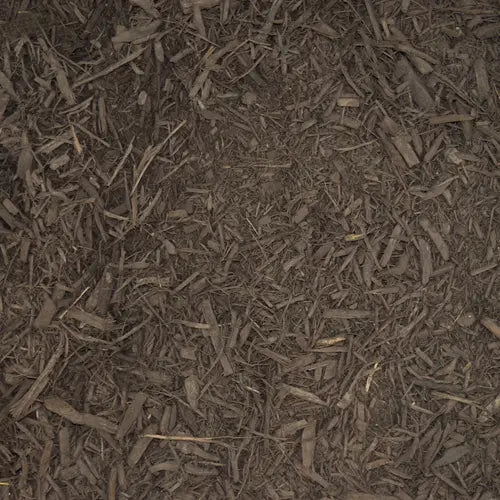
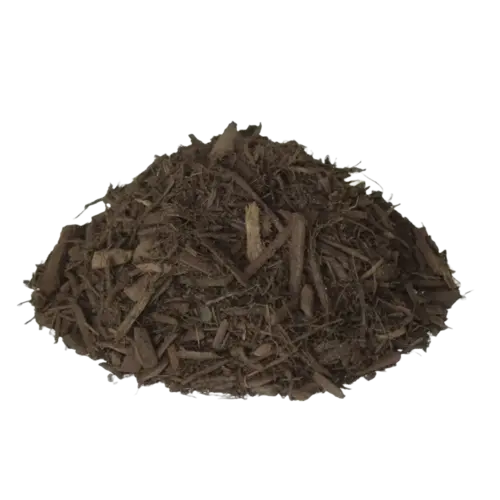
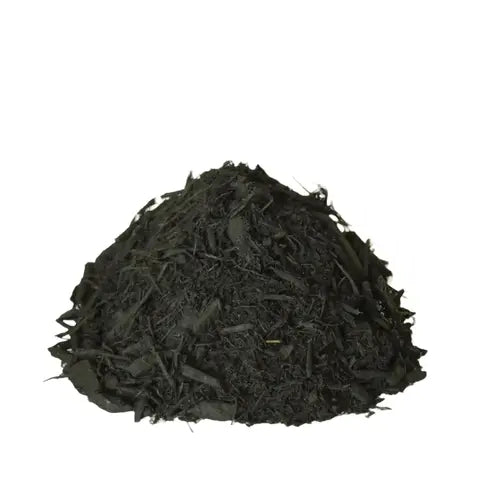
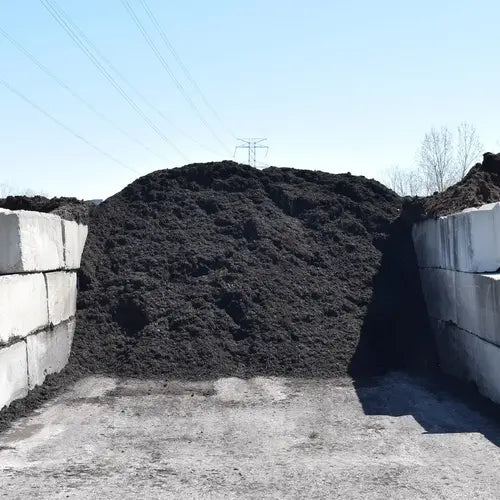
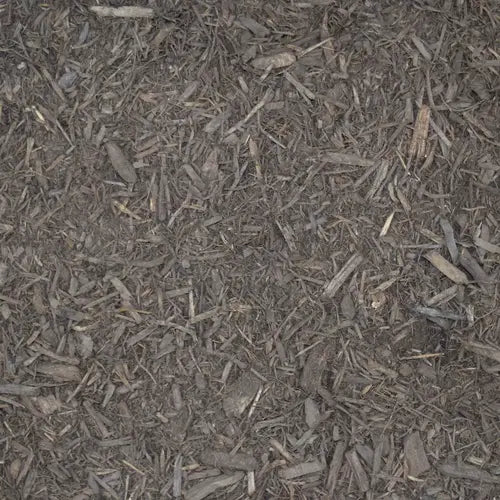
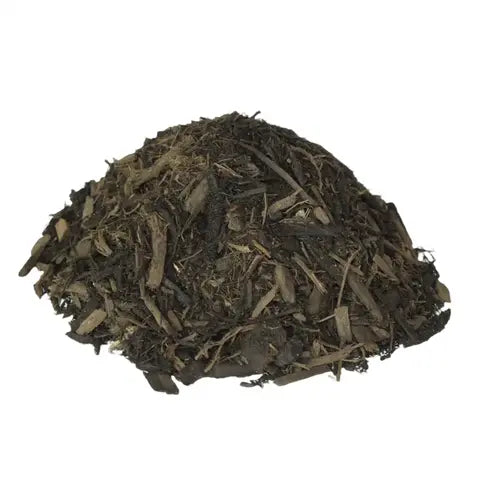
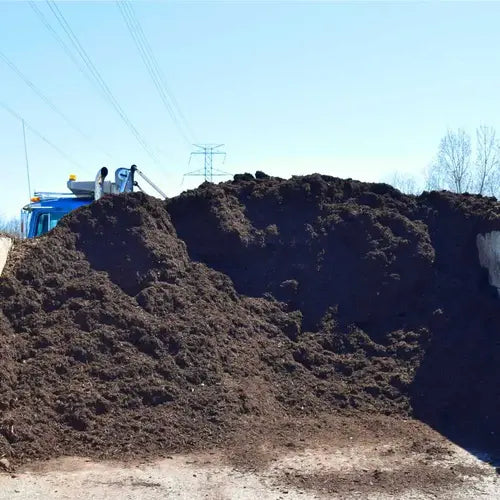
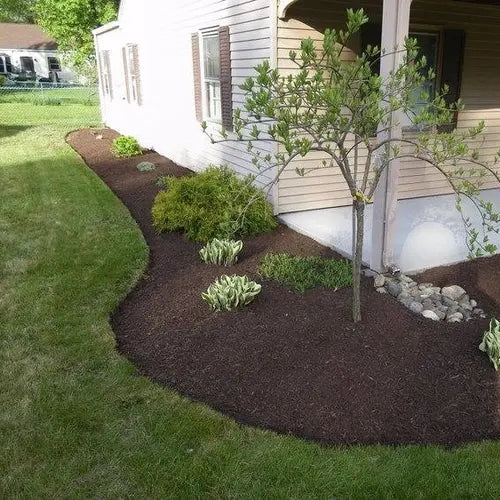
Warm brown double shredded mulch with lasting color that looks freshly applied for weeks. Spreads smooth, stays put, and gives beds a natural, polished appearance.
I can’t say enough good things about Mulch Mound! If you read my review below you will see I had a problem with my order. Mulch Mound was quick to respond and solved the issue with my delivery. Will definitely be a customer next year.
First time purchase...
Tell us what you're looking for
Thanks! We received your request.
Something went wrong. Please try again.
How Much Material Do I Need?
A three-inch layer is the recommended depth for planting beds in Onalaska, providing enough coverage to suppress weeds, buffer the silt loam soil from rain impact, and insulate roots through Zone 5a winters. Avoid exceeding four inches in beds that already stay moist after rain, as excess depth can slow drainage and cause crown rot in wet spring conditions.
Use our free mulch calculator
What is a yard?
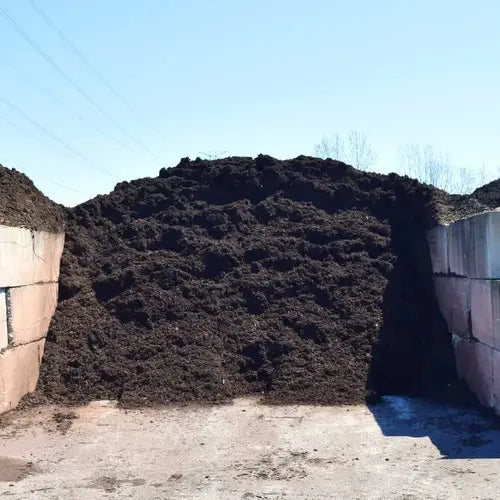
A yard is approximately 27 cubic feet. As a general guideline, one yard of material can cover an area of about 100-160 square feet at a 2-3 inch depth.
We can't take orders for this right now. Tell us what you need and we'll get back to you.
What do you need?
Thanks! We received your request.
Something went wrong. Please try again.
Hand-picked local yards
4,000+ regional deliveries
Dedicated support
Why order through Mulch Mound
The best local mulch, without the guesswork.
We hand-pick and partner with the best yards in your region, keep only the ones our buyers rate well, and back each load with our guarantee.
Mulch Mound Guarantee
If your mulch isn't the quantity or quality you ordered, we'll make it right.
About this mulch
Warm brown double shredded mulch with lasting color that looks freshly applied for weeks. Spreads smooth, stays put, and gives beds a natural, polished appearance.
I can’t say enough good things about Mulch Mound! If you read my review below you will see I had a problem with my order. Mulch Mound was quick to respond and solved the issue with my delivery. Will definitely be a customer next year.
First time purchase...
How Much Material Do I Need?
A three-inch layer is the recommended depth for planting beds in Onalaska, providing enough coverage to suppress weeds, buffer the silt loam soil from rain impact, and insulate roots through Zone 5a winters. Avoid exceeding four inches in beds that already stay moist after rain, as excess depth can slow drainage and cause crown rot in wet spring conditions.
Use our free mulch calculator
What is a yard?
A yard is approximately 27 cubic feet. As a general guideline, one yard of material can cover an area of about 100-160 square feet at a 2-3 inch depth.
I can’t say enough good things about Mulch Mound! If you read my review below you will see I had a problem with my order. Mulch Mou...
Read full review
UPDATE!
I can’t say enough good things about Mulch Mound! If you read my review below you will see I had a problem with my order. Mulch Mound was quick to respond and solved the issue with my delivery. Will definitely be a customer next year.
First time purchase from Mulch Mound!! First what I liked! Easy to order online and straight forward pricing and delivery. The driver was on time and courteous and delivered my Mulch exactly where I requested! The product is of good quality and comparable to others I have purchased from before. Now what I DID’NT LIKE! I have been mulching the same house and yard for almost 20 years. I always order the same amount and don’t have any issues with covering the same area but this year I fell about a yard short. I was home when the mulch was delivered and when the driver dumped it I noticed that it seemed a bit less than I was used to. I didn’t apply it any thicker than usual and probably a bit thinner than usual because I was worried about running out.
Mulch Mound made it so easy! So happy with the pricing, turn around time, delivery and product. I submitted my online order on a Thursday. The mu...
Read full review
Mulch Mound made it so easy! So happy with the pricing, turn around time, delivery and product. I submitted my online order on a Thursday. The mulch was delivered to the designated location by a local landscape company at 8:30 a.m. the following Saturday morning. We had the job completed by that afternoon. We chose the natural brown mulch, and the plant beds are beautiful.
Measure the length and width of each bed in feet and multiply together to get the square footage of the area. For Onalaska's silt loam soil, plan for a three-inch application depth, which means dividing your total square footage by 108 to get the cubic yards you need to order. Measuring each bed individually and adding the totals together gives you the most accurate number, especially in yards with multiple irregularly shaped planting areas.
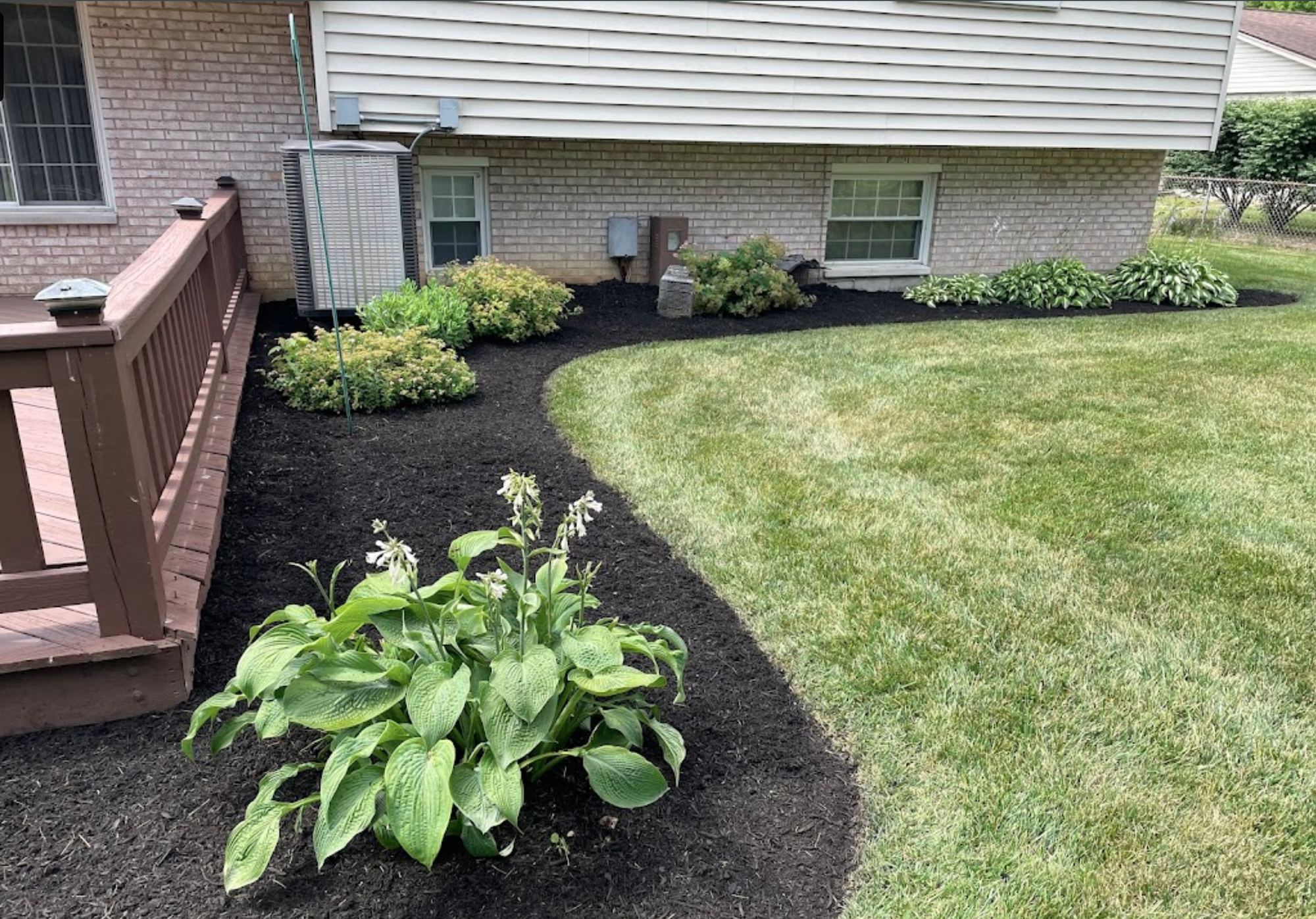
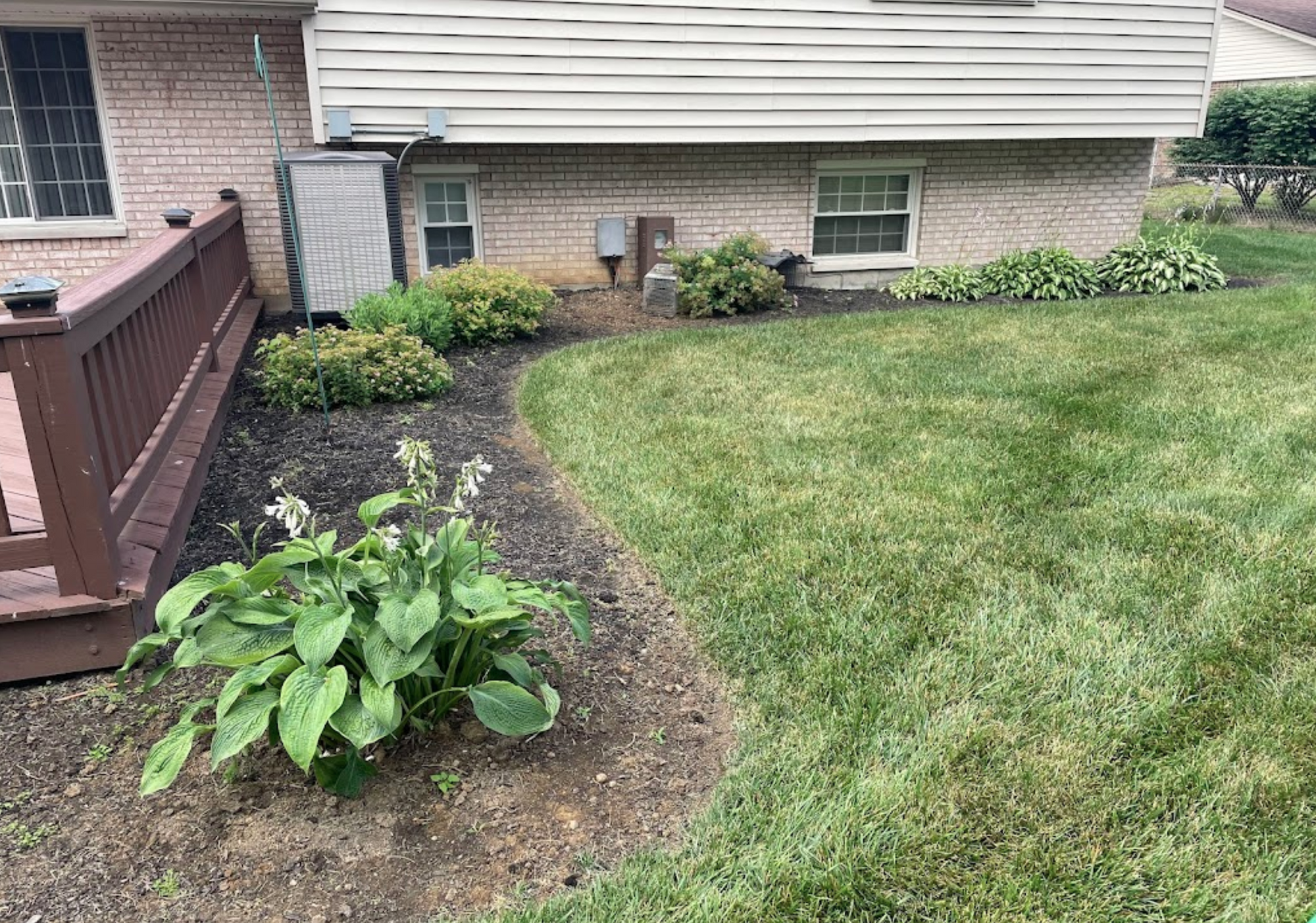
Mulch vs. No Mulch: The Difference
Onalaska's combination of 34 inches of annual rainfall and Zone 5a freeze-thaw cycles means organic mulch breaks down faster here than in warmer or drier parts of the country, which enriches the silt loam soil below as it decomposes over time. Natural hardwood mulch fades to a weathered gray within one growing season, while dyed mulches hold their color through more rain events and maintain a sharper appearance along curb-facing beds longer into the year. The right choice depends on whether you prioritize the long-term soil building benefit of a natural option or the consistent visual appeal of a color-enhanced product for high-visibility areas of your property.
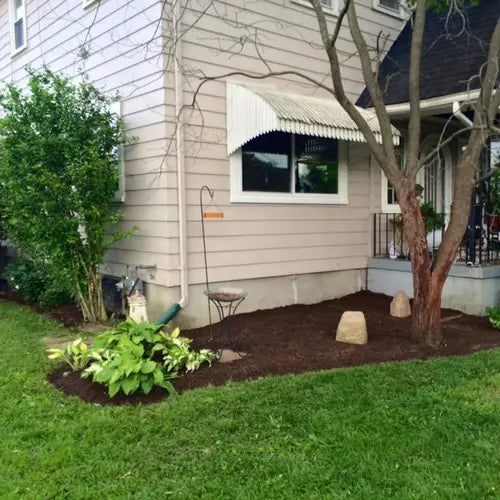
Before
After
Best Mulch Choice for Onalaska Lawns
Most yards in the Onalaska area sit on Silt Loam type of soil. Silt loam soil in Onalaska has a fine texture that tends to crust and seal at the surface after repeated rain events, limiting how well water penetrates down to plant roots. Mulching over silt loam beds creates a buffer that absorbs rainfall impact, keeps the soil surface loose, and allows moisture to move into the root zone rather than sheeting off across compacted ground.
Hardwood Mulch
Hardwood mulch breaks down gradually and works its organic material directly into the silt loam soil in Onalaska, improving both drainage capacity and the soil's ability to hold nutrients near the root zone. As hardwood fibers decompose over one to two seasons, they help create a more aggregated soil structure that resists the compaction and surface crusting that silt loam is most prone to during Onalaska's heavier rainfall periods.
Mulch Types We Deliver in Onalaska
Mulch Mound delivers bulk mulch by the cubic yard to homes and properties across the La Crosse area. Whether you are refreshing garden beds or tackling a larger landscape project, searching for bulk mulch delivery in Onalaska brings you right to us. Our mulch arrives fresh and is dropped at your driveway or job site, ready to spread.
Dyed Black Mulch
Dyed black double shredded mulch makes flower beds and landscape borders stand out against Wisconsin's green lawns and leafy yards. The bold color holds up through wet springs and humid summers, and the finely shredded texture spreads smoothly with minimal effort. A top pick for homeowners wanting sharp, striking curb appeal.
Dyed Brown Mulch
Warm brown double shredded mulch blends naturally with the wooded, mixed landscape style common across this part of Wisconsin. The lasting color stays looking fresh through rain and sun, and the smooth texture layers evenly over garden soil. A reliable choice for homeowners who want tidy beds with a warm, natural finish.
Natural Brown Mulch
Natural brown double shredded mulch is made from wood with no added dyes, giving beds an honest earthy tone that fits naturally with the wooded, rural character of this part of Wisconsin. The smooth texture spreads cleanly and is a great fit for gardeners who want an organic, understated look.
Complete Your Outdoor Mulch Project
If your beds need a fresh grade or improved drainage before mulching, our bulk topsoil is ideal for building up low spots and improving the soil foundation common in Onalaska's river valley landscapes. Adding decorative stone along bed borders or pathways creates sharp visual definition and reduces edge maintenance throughout the growing season.
Pull or treat existing weeds thoroughly before spreading mulch in your Onalaska beds. Silt loam soil holds moisture exceptionally well, which creates ideal germination conditions for weed seeds right through summer. A clean three-inch layer of mulch applied over a weed-free surface smothers most annual weeds before they can establish, but starting with a cleared bed makes the suppression far more effective and long-lasting than mulching over active weeds.
Mulch Mound Pro Tip
Zone 5a growing conditions in Onalaska mean soil temperatures can fluctuate significantly between the late March thaw and the May 15 last frost date. Keeping mulch on beds through that window moderates the temperature swings and protects shallow-rooted perennials from late cold snaps. Once new growth emerges in spring, pull the mulch back slightly from plant crowns to allow good air circulation and prevent rot during the cool, wet conditions typical of April and early May in the La Crosse area.
Mulch Mound Pro Tip
Onalaska receives about 34 inches of rain annually, which accelerates the natural breakdown of organic mulch faster than homeowners in drier climates might expect. Hardwood mulch typically decomposes noticeably within 18 to 24 months under those conditions, but that breakdown is a benefit because the decomposing fibers add organic matter directly to your silt loam soil. Plan to top-dress beds each spring or every other spring to maintain protective depth and keep your landscape looking fresh through the full growing season.
Frequently Asked Questions
Click a question to see the answer
Answer
How deep should I apply mulch in my Onalaska garden beds?
Three inches is the standard depth for Onalaska planting beds. That layer is thick enough to suppress most annual weeds and protect roots from Zone 5a temperature swings, but shallow enough to avoid trapping excess moisture against plant crowns during Onalaska's wetter spring months. Avoid piling mulch deeper than four inches in areas where the silt loam soil below already stays moist for extended periods after rain.
Answer
Will mulch actually help my plants survive the winters here in Onalaska?
Yes, mulch makes a meaningful difference for root survival in Zone 5a. Onalaska can see hard freezes well before a protective snow cover establishes, and the freeze-thaw cycles from late October through March are the primary cause of frost heave and root damage in perennial beds. Applying mulch before the October 15 first frost date acts as insulation that slows how fast the ground freezes and reduces the dramatic temperature swings that damage shallow roots.
Answer
Does Onalaska's silt loam soil affect how quickly mulch breaks down?
Silt loam holds moisture well, and combined with Onalaska's 34 inches of annual rainfall, that consistent moisture accelerates the decomposition of organic mulch compared to drier or sandier regions. You can expect natural hardwood mulch to break down noticeably within 18 to 24 months in Onalaska beds. This is actually beneficial because the decomposing material adds organic matter that helps improve silt loam's tendency to compact, but it does mean you will need to top-dress beds more regularly than homeowners in drier climates.
Answer
Should I put mulch down before or after the last frost on May 15?
For most perennials and shrubs, applying mulch before May 15 is fine and actually helps moderate soil temperature swings during that unpredictable late-spring period in Onalaska. However, for warm-season annuals and vegetables that you are transplanting into beds, wait until after May 15 so the soil can warm up fully. Keep mulch pulled two to three inches away from any plant stems or crowns to prevent rot during the cool, damp conditions that are common in April and early May.
Answer
How much mulch do I need to actually keep the weeds down in my flower beds?
Three inches of mulch applied over a weed-free bed suppresses the majority of annual weeds throughout the Onalaska growing season. Because silt loam holds moisture well, weed seeds that land on top of mulch will still germinate if the layer gets too thin or patchy, so maintaining an even three-inch depth is important. Start by removing or treating all existing weeds before spreading mulch, since the moist conditions in Onalaska beds give established weeds a real advantage if they are not cleared first.
Answer
Is dyed mulch safe to use around my vegetable garden?
Most dyed mulches sold today use iron oxide or carbon-based colorants that are considered safe for use around edible gardens, but it is worth confirming with the supplier before using them directly in vegetable beds. For a safer option, natural hardwood mulch with no colorants is the most straightforward choice for Onalaska vegetable gardens. Natural mulch also breaks down faster given Onalaska's rainfall and soil conditions, adding organic matter back into the bed soil over the course of the growing season.
Answer
How often do I need to refresh the mulch in my Onalaska yard?
In Onalaska, plan to top-dress your beds every one to two years depending on the mulch type and how much sun and rain the area receives. South-facing beds and open areas exposed to full sun and heavy rain break down faster than shaded or sheltered spots. A quick check each spring after the last frost is a good habit. If the mulch layer has compressed below two inches or has turned dark and crumbly throughout, it is time for a fresh application before the growing season gets fully underway.
The Unique Landscape of Onalaska
Onalaska's silt loam soil has a fine texture that crusts and seals at the surface after repeated rain events, limiting how well moisture penetrates to plant roots during the growing season. With 34 inches of annual rainfall, bare planting beds are constantly exposed to splash erosion and surface compaction between storms, which stresses established perennials and shrubs. A consistent layer of mulch buffers that fine soil from direct rainfall impact, keeps the surface loose, and moderates the dramatic soil moisture swings that occur between Onalaska's wet springs and drier midsummer stretches. Zone 5a winters in Onalaska can bring subzero temperatures before reliable snow cover arrives, and mulch applied before the October 15 first frost date gives shallow root systems critical insulation through the freeze-thaw cycles of November and March. Waiting until after the May 15 last frost to pull mulch back from plant crowns in spring protects new growth from late cold snaps that are common in the La Crosse County area. The result is a healthier, more stable planting bed that requires less supplemental watering and recovers faster from weather extremes each season.