




I needed 3 yards of top soil and that's what I got! Right on time and right where I asked it to be placed (Order# 2041).
About this soil
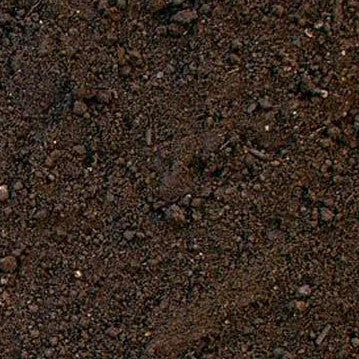
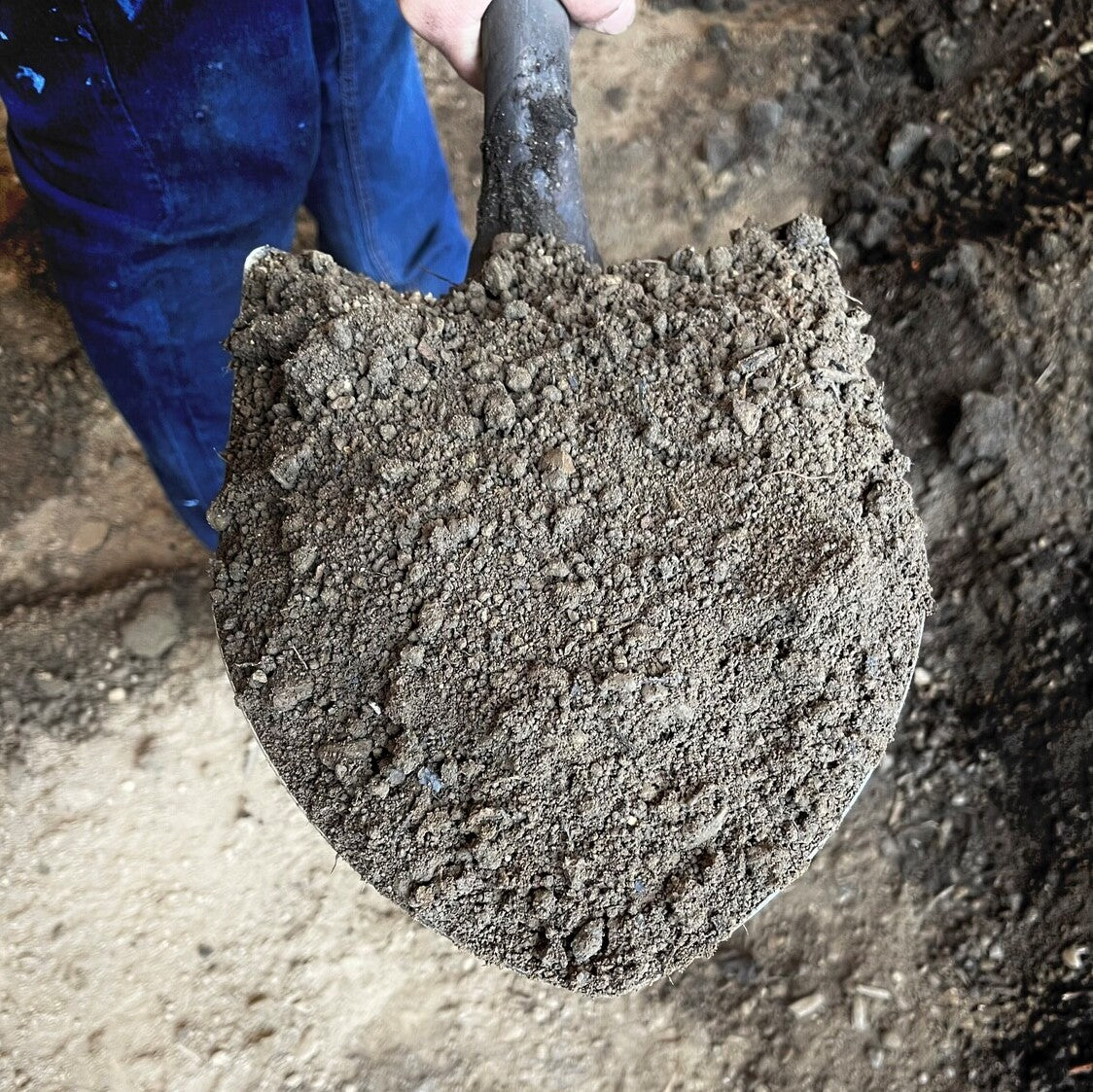
Quality topsoil for lawns, gardens, and landscape projects. Nutrient rich and ready to support strong root development and healthy plant establishment.
I needed 3 yards of top soil and that's what I got! Right on time and right where I asked it to be placed (Order# 2041).
Tell us what you're looking for
Thanks! We received your request.
Something went wrong. Please try again.
How Much Material Do I Need?
How Much Material Do I Need?
Lawn topdressing and grading projects in Onalaska typically require two to four inches of topsoil spread across the area being corrected, depending on how severe the low spots are. Raised vegetable or flower beds should be filled to a minimum of ten inches to allow adequate root development beyond the native silt loam below.
Use our free soil calculator
What is a yard?
What is a yard?
FAQs
FAQs
Onalaska Soil Delivery
Onalaska Soil Delivery
Regular price
$64.00
per
yard
Regular price
Sale price
$64.00
Unit price
per
Shipping calculated at checkout.
Minimum of 3 yard
Couldn't load pickup availability
Not currently available
We can't take orders for this right now. Tell us what you need and we'll get back to you.
Hand-picked local yards
4,000+ regional deliveries
Dedicated support
Why order through Mulch Mound
The best local soil, without the guesswork.
We hand-pick and partner with the best yards in your region, keep only the ones our buyers rate well, and back each load with our guarantee.
Mulch Mound Guarantee
If your soil isn't the quantity or quality you ordered, we'll make it right.
About this soil
Quality topsoil for lawns, gardens, and landscape projects. Nutrient rich and ready to support strong root development and healthy plant establishment.
I needed 3 yards of top soil and that's what I got! Right on time and right where I asked it to be placed (Order# 2041).
How Much Material Do I Need?
How Much Material Do I Need?
Lawn topdressing and grading projects in Onalaska typically require two to four inches of topsoil spread across the area being corrected, depending on how severe the low spots are. Raised vegetable or flower beds should be filled to a minimum of ten inches to allow adequate root development beyond the native silt loam below.
Use our free soil calculator
What is a yard?
What is a yard?
FAQs
FAQs
Tell us what you're looking for
Thanks! We received your request.
Something went wrong. Please try again.
How It Works
Getting started is easy — just follow these simple steps
1
Choose your soil
Make sure you adjust the quantity to your home's needs. You can use our calculator to estimate how much you'll need.
2
Select your delivery date
Select a delivery date you'd like for the product to be dropped off at your home
3
Sit back and wait
Sit back, wait, and let us work our magic to make sure the highest quality product is delivered to your driveway.

Highest compliments. Great driver.
Website is easy to navigate. Just a seamless process. 5 stars!!

Need Help Calculating How Much Soil You Need?
Use our NEW Trace from Satellite tool to get an estimate for your project based on an aerial view of your property
Try Our CalculatorMeasure the length and width of the area in feet, then determine your target depth in inches and convert to feet by dividing by 12. Multiply those three numbers together to get cubic feet, then divide by 27 to get cubic yards. For Onalaska lawn leveling projects, add ten percent to your estimate to account for the natural settling that occurs after the first several rain events soak the fresh soil.
Soil Types We Deliver in Onalaska
Onalaska yards and gardens often sit on compacted or clay-heavy ground that benefits from a quality soil amendment delivered straight to your door. We offer bulk topsoil by the yard in Onalaska, making it easy to fill raised beds, regrade lawns, or prep new planting areas without hauling bags from a store. Every order is measured and priced by the cubic yard so you get exactly what your project needs.
Screened Top Soil
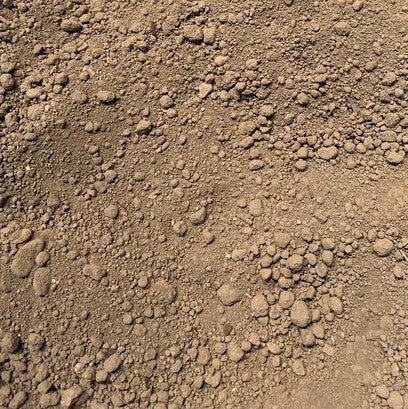
Our screened top soil is run through a fine mesh to remove rocks, roots, and clumps, leaving a smooth, workable material that blends easily into existing ground. It is nutrient rich and supports strong root development, making it a reliable choice for new lawns, vegetable gardens, and landscape beds across the La Crosse area.
Complete Your Outdoor Soil Project
Finish new planting beds and lawn repairs with a layer of bulk mulch to protect the fresh topsoil surface from Onalaska's spring rains and reduce moisture loss during summer dry spells. Adding decorative stone borders around raised beds or along garden edges keeps the soil contained, gives the space a clean finished look, and reduces edge maintenance throughout the season.

Service area
Areas we deliver soil in Onalaska, Wisconsin
Mulch Mound Pro Tip
When using bulk topsoil to regrade your Onalaska yard, make sure the finished surface slopes away from your home's foundation by at least one inch per foot for the first six feet outward. Onalaska receives 34 inches of rain annually, and even a slight negative grade toward the foundation sends significant water volume toward the structure over the course of a wet spring. Combining proper slope with quality topsoil makes drainage corrections durable and effective through many seasons of use.
Mulch Mound Pro Tip
Raised garden beds filled with bulk topsoil warm up two to three weeks faster than native ground in Onalaska, which is a significant advantage in Zone 5a where the growing season does not fully open until after the May 15 last frost. That extra warmth in April and early May lets you transplant warm-season crops like tomatoes and peppers a bit earlier and gives cool-season crops planted in March a much better start. A twelve-inch bed depth maximizes the warming effect and gives roots room to stay above the colder silt loam below.
Mulch Mound Pro Tip
Onalaska's silt loam soil settles unevenly over time, especially in areas where tree roots have created surface undulations or where drainage patterns have shifted. Topdressing those low spots with bulk topsoil in early fall gives the material time to settle and firm before the ground freezes around mid-November, making spring lawn renovation much simpler. Lightly overseeding the leveled areas immediately after spreading the soil takes advantage of the warm ground temperatures that persist through September in Zone 5a and results in a thicker, more even stand of grass by the following summer.
The Unique Landscape of Onalaska
Onalaska's native silt loam soil performs reasonably well in established turf but becomes compacted and poorly draining in areas with heavy foot traffic, construction disturbance, or repeated saturation from the area's 34 inches of annual rain. When homeowners excavate for landscaping projects or new construction, the subsoil left at the surface is often dense and low in organic matter, making it very difficult to establish new grass or garden plantings without bringing in fresh material. Bulk topsoil gives you the ability to build up low spots, create raised garden beds, and give new plantings the nutrient-rich foundation they need to thrive through a Zone 5a growing season. With the last frost falling around May 15 in Onalaska, the spring planting window is short and competitive, and having fresh topsoil delivered and in place before that date makes a measurable difference in how quickly new beds and lawn repairs establish. Raised garden beds filled with quality topsoil also drain more reliably than native ground during Onalaska's wetter periods, reducing the risk of root rot that can develop when silt loam becomes compacted and saturated. Proper grading with fresh soil also redirects surface runoff away from foundations, which is an important consideration given how much precipitation the Onalaska area receives across a typical year.