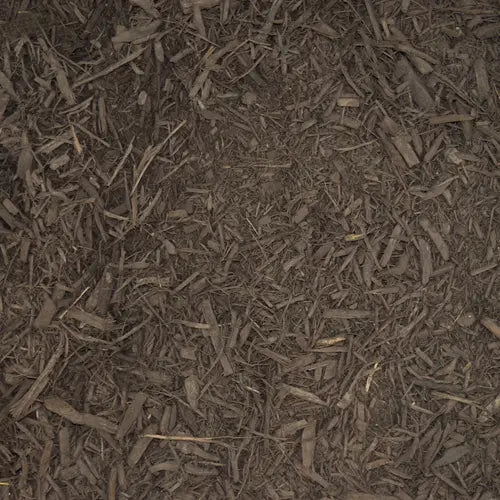
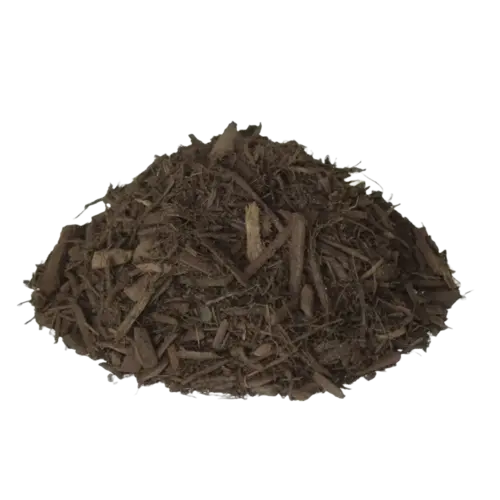
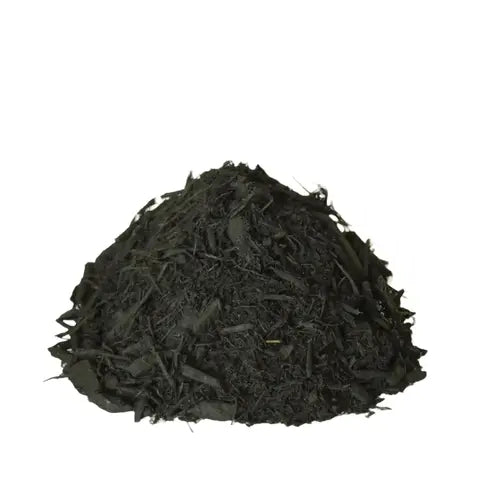
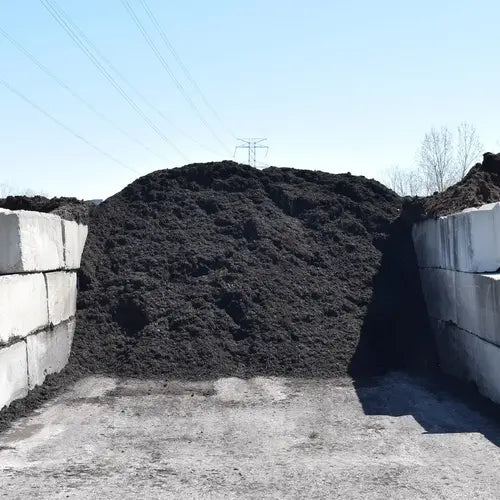
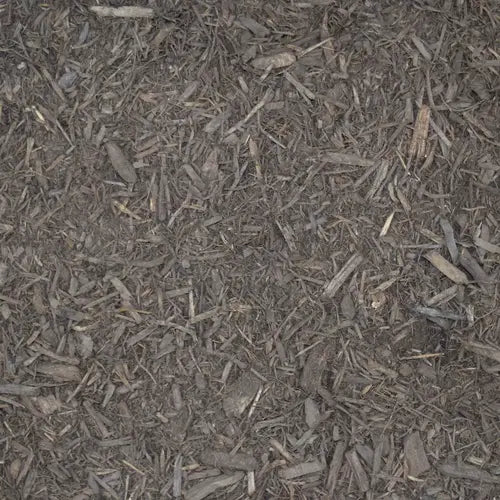
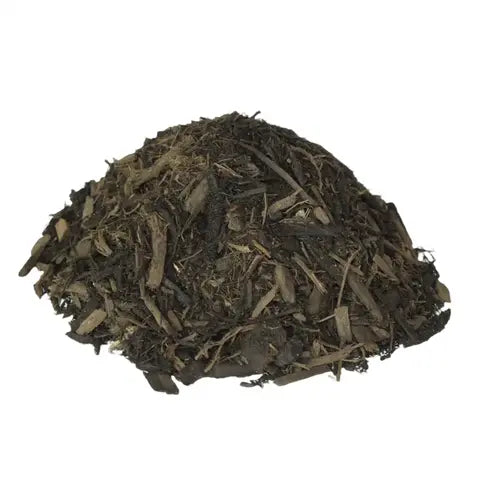
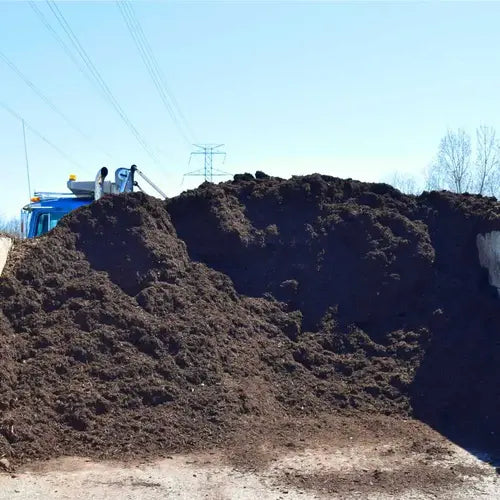
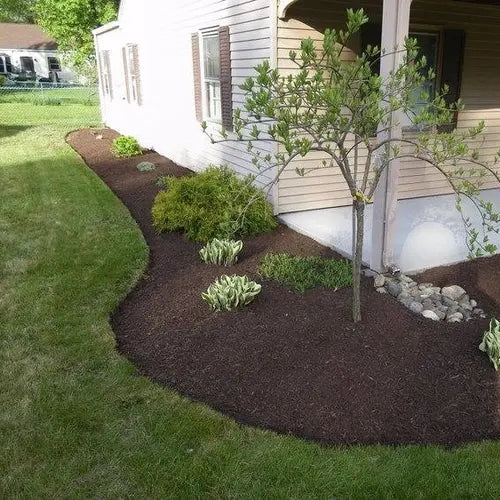
Warm brown double shredded mulch with lasting color that looks freshly applied for weeks. Spreads smooth, stays put, and gives beds a natural, polished appearance.
We had a great experience today. This was our first time using Mulch Mound, and I found the price competitive and the online ordering very easy. We are impressed with the quality of the mulch, too! It is covering well - a great value!
Tell us what you're looking for
Thanks! We received your request.
Something went wrong. Please try again.
How Much Material Do I Need?
For most planted beds in Pace, two to three inches of mulch provides effective moisture retention and weed suppression given the sandy loam soil underneath. Tree rings and larger landscape features benefit from three to four inches, especially in areas exposed to direct afternoon sun throughout the long zone 9a growing season.
Use our free mulch calculator
What is a yard?
A yard is approximately 27 cubic feet. As a general guideline, one yard of material can cover an area of about 100-160 square feet at a 2-3 inch depth.
We can't take orders for this right now. Tell us what you need and we'll get back to you.
What do you need?
Thanks! We received your request.
Something went wrong. Please try again.
Hand-picked local yards
4,000+ regional deliveries
Dedicated support
Why order through Mulch Mound
The best local mulch, without the guesswork.
We hand-pick and partner with the best yards in your region, keep only the ones our buyers rate well, and back each load with our guarantee.
Mulch Mound Guarantee
If your mulch isn't the quantity or quality you ordered, we'll make it right.
About this mulch
Warm brown double shredded mulch with lasting color that looks freshly applied for weeks. Spreads smooth, stays put, and gives beds a natural, polished appearance.
We had a great experience today. This was our first time using Mulch Mound, and I found the price competitive and the online ordering very easy. We are impressed with the quality of the mulch, too! It is covering well - a great value!
How Much Material Do I Need?
For most planted beds in Pace, two to three inches of mulch provides effective moisture retention and weed suppression given the sandy loam soil underneath. Tree rings and larger landscape features benefit from three to four inches, especially in areas exposed to direct afternoon sun throughout the long zone 9a growing season.
Use our free mulch calculator
What is a yard?
A yard is approximately 27 cubic feet. As a general guideline, one yard of material can cover an area of about 100-160 square feet at a 2-3 inch depth.
We had a great experience today. This was our first time using Mulch Mound, and I found the price competitive and the online ordering very easy. ...
Read full review
We had a great experience today. This was our first time using Mulch Mound, and I found the price competitive and the online ordering very easy. We are impressed with the quality of the mulch, too! It is covering well - a great value!
Great experience with mulch mound. Their online calculator made it easy to estimate how many yards of mulch I needed and delivery was quick. I woul...
Read full review
Great experience with mulch mound. Their online calculator made it easy to estimate how many yards of mulch I needed and delivery was quick. I would definitely recommend them for your future projects.
Measure each bed area in feet by multiplying length times width, then add all areas together for a total square footage. For Pace's sandy loam soil, a three inch depth gives you enough coverage to slow evaporation through the summer heat without creating waterlogging issues. One cubic yard covers roughly 100 square feet at three inches deep, so divide your total square footage by 100 to estimate your order quantity.
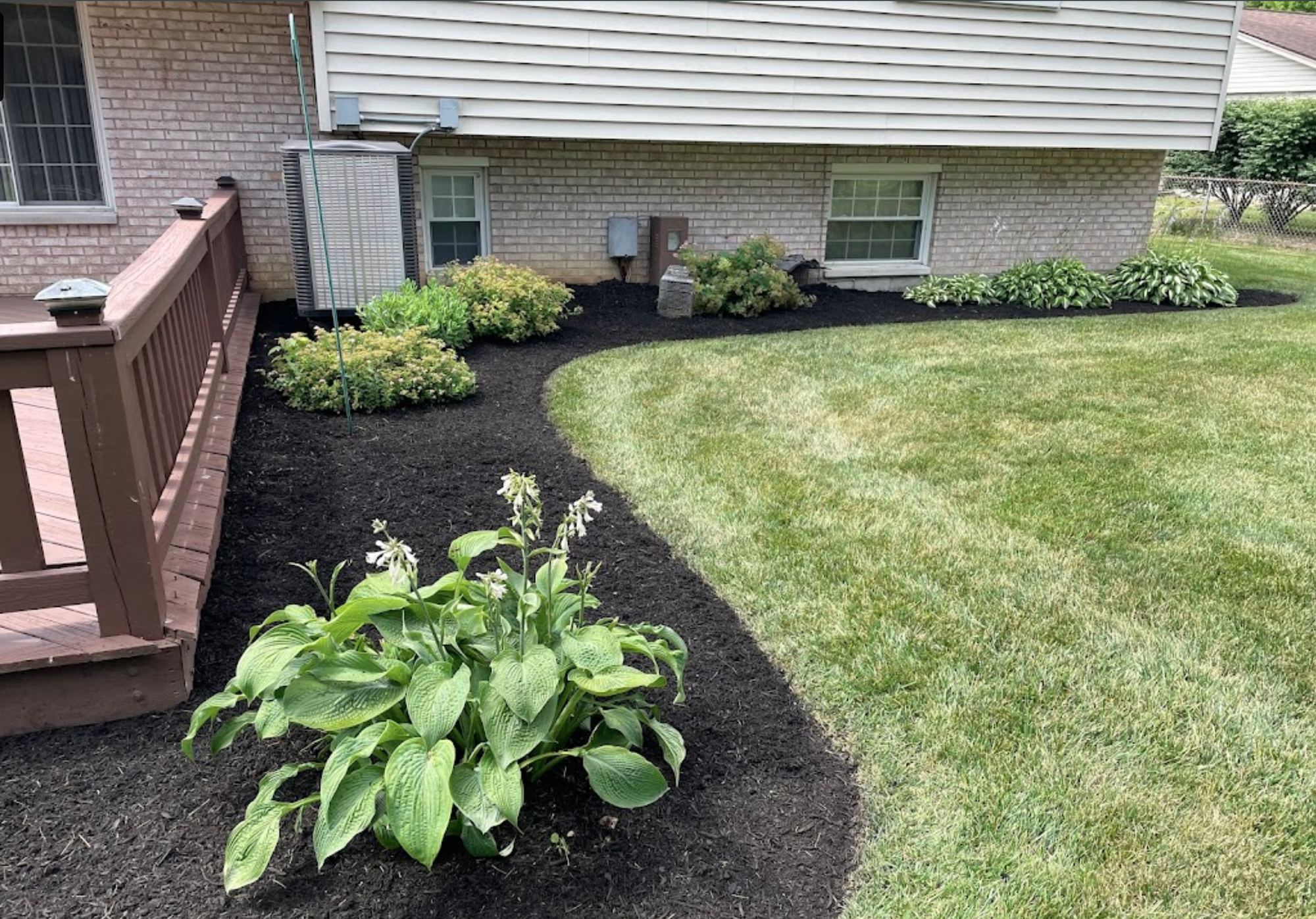
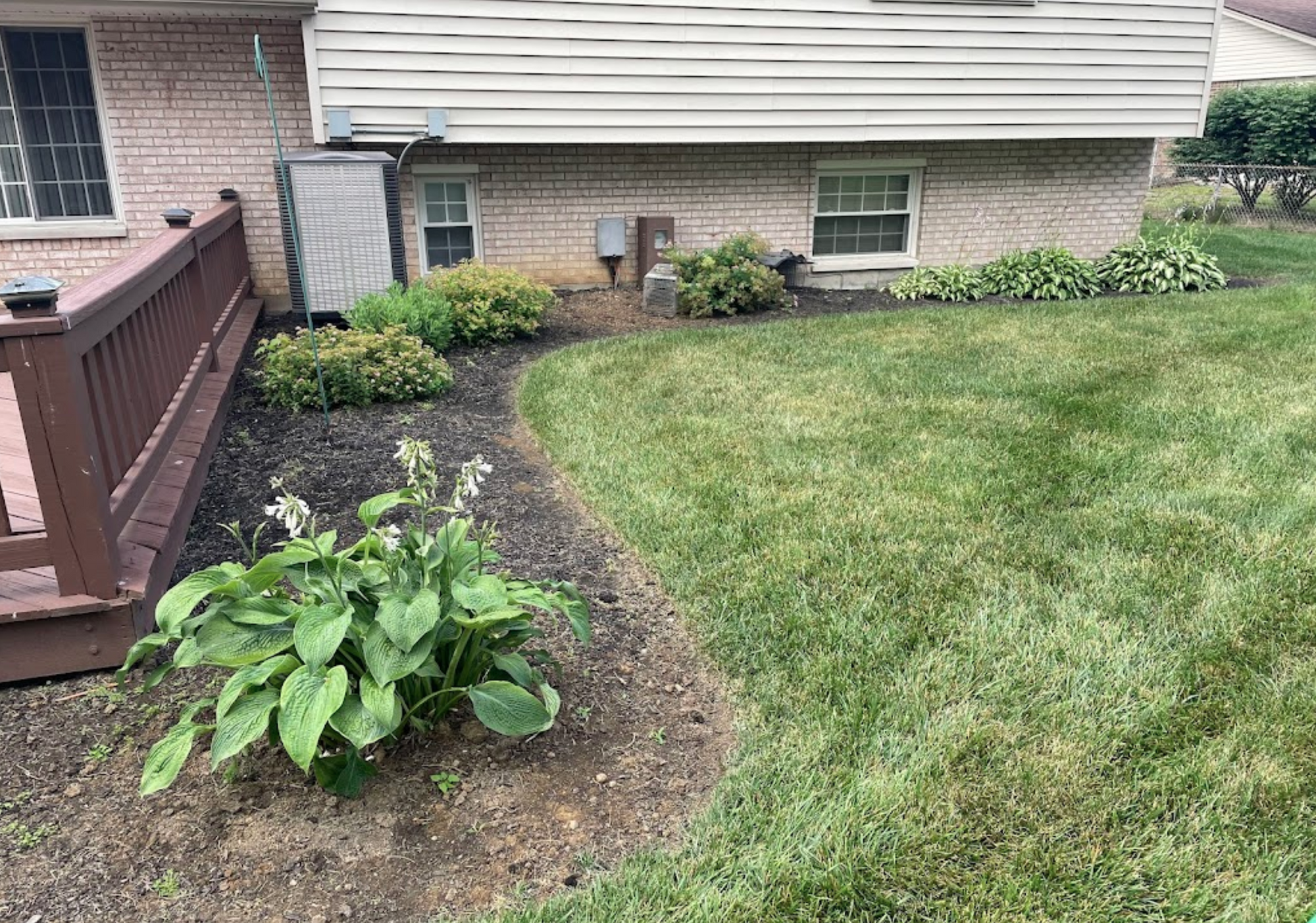
Mulch vs. No Mulch: The Difference
Pace's zone 9a heat and high annual rainfall create conditions where organic mulches break down noticeably faster than they do in cooler regions, which directly affects how often you need to replenish natural versus dyed options. Natural hardwood and pine bark mulches decompose into the sandy loam over time, gradually improving the soil's ability to hold nutrients and moisture. Dyed mulches tend to retain their color longer under Pace's intense sun but break down at a similar rate, so color retention alone does not mean the mulch is still providing full moisture and coverage benefits.
Before
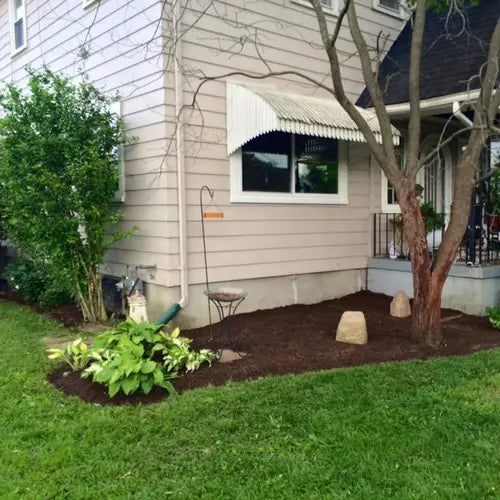
After
Best Mulch Choice for Pace Lawns
Most yards in the Pace area sit on Sandy Loam type of soil. Pace's sandy loam soil drains well but struggles to hold nutrients and moisture in planted beds, especially during the hot dry spells that can occur even in a high-rainfall year. Without a protective mulch layer, the sandy surface dries out quickly between rain events, stressing plant roots and encouraging weeds to germinate in the open, warm soil.
Hardwood Mulch
Hardwood mulch is particularly well suited for Pace's sandy loam beds because as it decomposes it adds organic matter directly to the soil, slowly improving its structure and nutrient-holding capacity over multiple seasons. This gradual amendment effect is something synthetic ground covers cannot provide, and in the sandy soils common to Pace it makes a meaningful long-term difference in how well plants thrive between rainfall events.
Mulch Types We Deliver in Pace
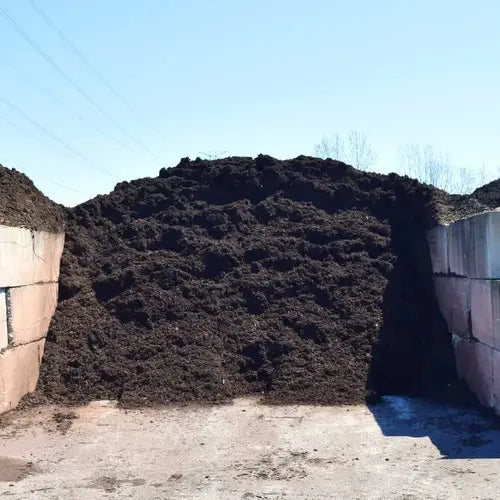
Mulch Mound delivers fresh bulk mulch by the cubic yard straight to homes and properties across the area. Whether you are refreshing garden beds or tackling a full landscaping project, bulk mulch delivery in Pace means you get the quantity you need without extra trips or bag waste. Our mulch is loaded and delivered the same week so your beds stay looking their best through Florida's long growing season.
Dyed Black Mulch
Bold double shredded black mulch that makes flower beds and tree rings pop against Florida's bright sun and green foliage. The deep color holds through heavy summer rain and the smooth texture spreads easily over sandy soil. A favorite for homeowners who want sharp, clean curb appeal.
Dyed Brown Mulch
Warm double shredded brown mulch that blends naturally with the sandy, neutral tones common in Panhandle yards and garden spaces. The lasting color stays looking freshly applied even through weeks of Florida heat and afternoon showers. A smooth, tidy finish suits traditional and newer suburban home styles alike.
Natural Brown Mulch
Undyed double shredded mulch with a warm, earthy brown tone that comes straight from the wood. No added color means no fading surprises, just a consistent natural look that holds up well in Florida's humid Panhandle climate. A great fit for organic gardens, native plant beds, and low maintenance landscapes.
Complete Your Outdoor Mulch Project
If you are refreshing beds in Pace, consider pairing your mulch order with a quality topsoil or garden soil blend to rebuild organic content in your sandy loam before mulching. Adding stone edging or river rock borders is also a popular choice in Pace landscapes to define beds and keep mulch from washing onto driveways and sidewalks during heavy summer rains.
Before spreading fresh mulch in Pace, pull any existing weeds and rake the old mulch layer to break up any compacted spots that have formed from repeated rain impact. Sandy loam compacts less than clay but still benefits from being loosened before you add a new layer. This also lets you assess whether the old material has broken down enough to mix lightly into the soil surface or whether it needs to be pulled back and removed before fresh mulch goes down.
Mulch Mound Pro Tip
In Pace's long growing season, which runs from late February through mid-November, mulch color and freshness make a big visual difference to curb appeal throughout the neighborhood. If you are using dyed mulch, plan to refresh at least once a year because the intense Florida sun fades color faster here than in cooler northern climates. A light raking of the surface layer before adding fresh material helps restore depth without the full cost of a complete replacement every time.
Mulch Mound Pro Tip
With 67 inches of rain falling on Pace each year, mostly concentrated in the summer months, mulch placement around downspouts and low spots in your yard requires extra attention. Avoid piling mulch against your home's foundation in areas where water pools after a storm, since saturated mulch holds moisture against wood and concrete for extended periods. Instead, slope your mulch layer away from structures and consider a border of stone or gravel near downspout outlets to manage heavy flow during peak storm season.
Frequently Asked Questions
Click a question to see the answer
Answer
How often should I replace mulch in Pace given the heat and humidity?
In Pace's zone 9a climate, organic mulches like hardwood and pine bark break down faster than they would in cooler climates because the heat and moisture accelerate decomposition. Plan to top off your beds at least once a year, with many homeowners refreshing in early spring after the last frost around February 28 and again in late summer. A mid-season check in July will tell you if the layer has thinned below two inches, which is the point where weed pressure and moisture loss start to increase noticeably.
Answer
Will mulch help with my sandy Pace soil washing away during heavy rainstorms?
Yes, mulch acts as a buffer between heavy rainfall and the bare sandy loam surface that is common throughout Pace. With 67 inches of rain per year, including intense summer thunderstorms, unprotected sandy soil erodes easily along bed edges and slopes. A three to four inch layer of mulch absorbs the impact of raindrops and slows surface runoff, keeping your soil in place and reducing the muddy mess that often follows a hard afternoon storm.
Answer
What is the difference between colored mulch and natural hardwood mulch for my Pace flower beds?
Natural hardwood mulch breaks down into the soil over time, adding organic matter that helps your sandy loam hold nutrients and moisture a little better with each passing season. Colored or dyed mulch is typically made from processed wood that holds its appearance longer but contributes less organic value to the soil as it decomposes. For Pace homeowners focused on improving soil quality over time, natural mulch is the better long-term investment, while colored mulch is a great choice when curb appeal and a consistent look throughout the season are the priority.
Answer
How deep should I lay mulch around my trees and shrubs in Pace?
For trees and shrubs in Pace, aim for a two to four inch depth across the root zone, keeping the mulch pulled back a few inches from the trunk or main stem. Going deeper than four inches in Pace's humid climate can trap excess moisture against bark, which creates conditions for fungal issues. Sandy loam does not hold water long, so staying in that two to four inch range gives you solid moisture retention without creating a soggy environment around the base of the plant.
Answer
Is there a best time of year to mulch in Pace, Florida?
The two most strategic times to mulch in Pace are late February or early March just after the last frost around February 28, and again in October before temperatures start to drop toward the first frost in late November. The spring application locks in soil moisture before the intense summer heat arrives and suppresses the flush of spring weeds that germinate quickly in warm sandy soil. The fall application helps moderate soil temperature through Pace's mild but real winter and gives plants a comfortable buffer heading into the cooler months.
Answer
Can I use mulch in my vegetable garden or is it only for ornamental beds?
Mulch works very well in Pace vegetable gardens, especially given the sandy loam soil that dries out quickly between waterings. A two inch layer of natural hardwood or straw mulch between rows keeps soil moisture more consistent, which is important for vegetables like tomatoes and peppers that are sensitive to uneven watering during Pace's long growing season. Just be sure to use an organic mulch that will break down naturally and does not introduce any chemical treatments into your edible garden area.
Answer
How much mulch do I need for a typical front yard bed in Pace?
For a standard front yard bed in Pace, measure the length and width of each bed in feet and multiply to get square footage, then plan for about one cubic yard of mulch for every 100 square feet at a three inch depth. Pace beds tend to have irregular shapes around palms, ornamental grasses, and shrubs, so sketch out the areas and add them together before ordering. It is generally better to order a little extra since having a small amount left over is much easier to manage than running short mid-project.
The Unique Landscape of Pace
Pace sits in growing zone 9a where the combination of long, hot summers and sandy loam soil creates unique challenges for any planted bed. Sandy loam drains quickly, which means plant roots can dry out fast between rain events even with the area's generous 67 inches of annual rainfall. A thick layer of mulch slows that evaporation dramatically, keeping soil moisture more consistent through the stretches of July and August heat. Mulch also moderates soil temperature swings, which matter here because Pace's frost window runs from November 20 through February 28, and roots benefit from insulation during those cooler months. Without mulch, the sandy loam surface can crust and compact over time, making it harder for water to penetrate when afternoon thunderstorms arrive. Keeping fresh mulch on your beds is one of the most effective ways to maintain healthy, productive landscapes in this part of Santa Rosa County.