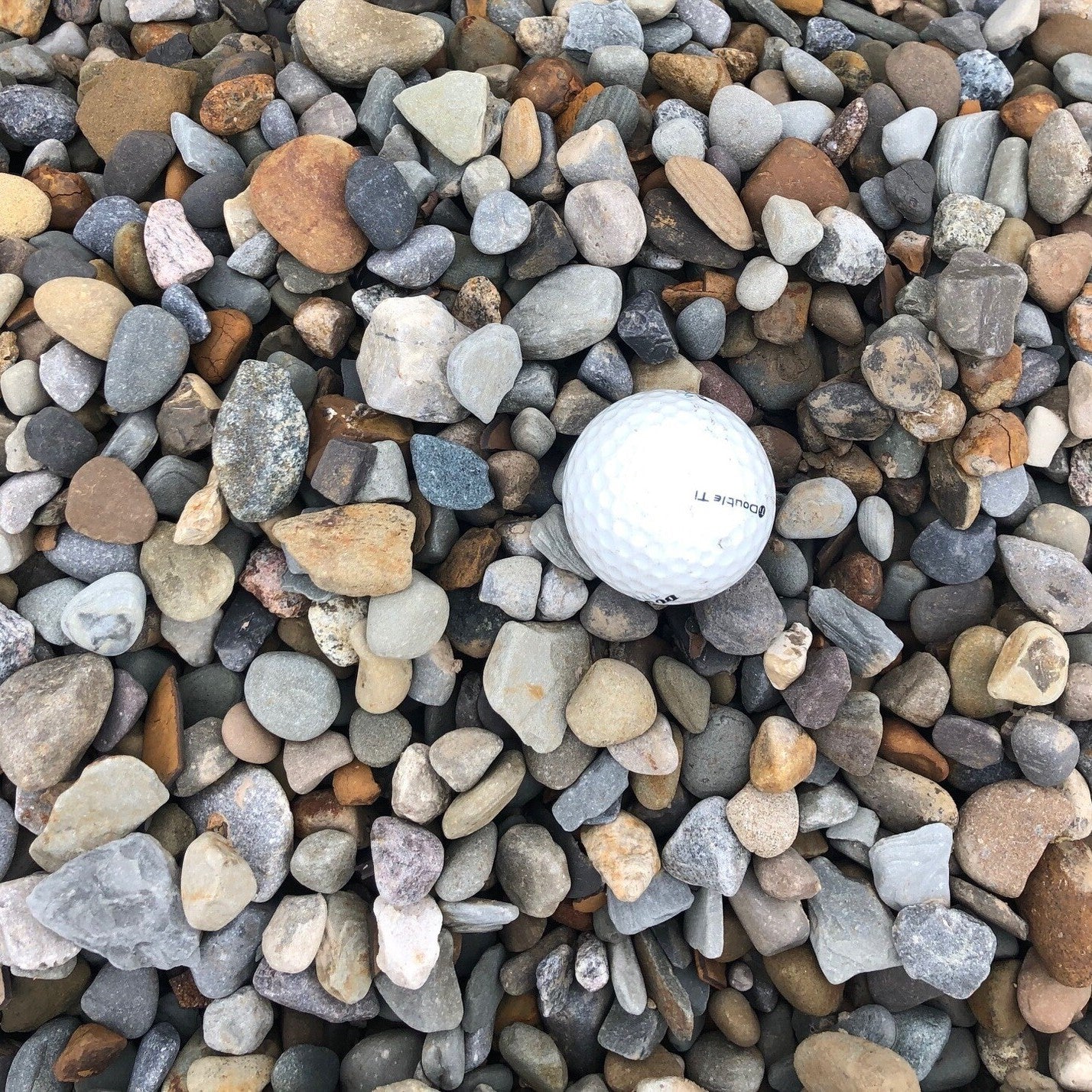
Number 57 crushed stone, angular limestone graded to about three quarters of an inch. The standard driveway, base and drainage gravel, it locks together under traffic and drains fast.
I contacted Mulch Mound for #57 river rocks and it was easy and fast to get a delivery right before the holiday weekend. Stone was delivered as promised and place exactly where I asked. Excellent service! I will be ordering mulch next!
Tell us what you're looking for
Thanks! We received your request.
Something went wrong. Please try again.
How Much Material Do I Need?
For decorative ground cover and foundation borders in Pace, two to three inches of stone provides good coverage and drainage performance over the sandy loam base. Drainage trenches and dry creek beds typically need four to six inches of depth to move water effectively during Pace's heavy summer rain events.
Use our free gravel calculator
What is a yard?
A yard is approximately 27 cubic feet. As a general guideline, one yard of material can cover an area of about 100-160 square feet at a 2-3 inch depth.
We can't take orders for this right now. Tell us what you need and we'll get back to you.
What do you need?
Thanks! We received your request.
Something went wrong. Please try again.
Hand-picked local yards
4,000+ regional deliveries
Dedicated support
Why order through Mulch Mound
The best local stone, without the guesswork.
We hand-pick and partner with the best yards in your region, keep only the ones our buyers rate well, and back each load with our guarantee.
Mulch Mound Guarantee
If your stone isn't the quantity or quality you ordered, we'll make it right.
About this stone
Number 57 crushed stone, angular limestone graded to about three quarters of an inch. The standard driveway, base and drainage gravel, it locks together under traffic and drains fast.
I contacted Mulch Mound for #57 river rocks and it was easy and fast to get a delivery right before the holiday weekend. Stone was delivered as promised and place exactly where I asked. Excellent service! I will be ordering mulch next!
How Much Material Do I Need?
For decorative ground cover and foundation borders in Pace, two to three inches of stone provides good coverage and drainage performance over the sandy loam base. Drainage trenches and dry creek beds typically need four to six inches of depth to move water effectively during Pace's heavy summer rain events.
Use our free gravel calculator
What is a yard?
A yard is approximately 27 cubic feet. As a general guideline, one yard of material can cover an area of about 100-160 square feet at a 2-3 inch depth.
I contacted Mulch Mound for #57 river rocks and it was easy and fast to get a delivery right before the holiday weekend. Stone was delivered as pro...
Read full review
I contacted Mulch Mound for #57 river rocks and it was easy and fast to get a delivery right before the holiday weekend. Stone was delivered as promised and place exactly where I asked. Excellent service! I will be ordering mulch next!
To estimate stone for a pathway or border in Pace, measure the length and width of the area in feet, multiply to get square footage, and plan for one cubic yard per 100 square feet at a three inch depth. Drainage applications like dry creek beds require a deeper fill of four to six inches, so calculate those areas separately and increase your order accordingly. Adding ten percent to your total is a good buffer for irregular shapes and variations in depth that are common in Pace's sloped or uneven yard areas.
Stone Types We Deliver in Pace
Homeowners and contractors across Pace rely on bulk stone delivered by the cubic yard to finish driveways, drainage swales, and backyard living spaces. Whether you searched for bulk gravel by the yard in Pace or are just getting started planning your project, we make it easy to order the right material in the right quantity. Our trucks deliver directly to your property so you can get to work without hauling a thing.
Pea Gravel
Smooth and rounded with warm earth tones, pea gravel is a popular choice in Pace where sandy soil and frequent summer rains make drainage a real concern. It works beautifully along pathways, around patios, and as decorative ground cover, offering a clean, natural look that suits the relaxed outdoor style common to this part of northwest Florida.
Complete Your Outdoor Stone Project
Stone pairs well with a bulk mulch order when you are designing a Pace landscape that uses stone for borders and pathways while keeping organic mulch inside the planting beds. For drainage projects, consider ordering topsoil alongside your stone to regrade surrounding areas and make sure water flows toward your stone channels rather than pooling in adjacent lawn or bed areas.
Before placing stone in any Pace landscape area, lay a quality woven landscape fabric underneath to prevent sandy loam soil from migrating up into the stone layer over time. Pace's frequent rain events work sandy soil particles up through gravel layers surprisingly quickly without a barrier in place, causing the stone to gradually sink and become embedded in the ground. Landscape fabric adds a small upfront cost but extends the clean appearance and functional performance of your stone installation by many years.
Mulch Mound Pro Tip
For Pace homeowners using stone in high-visibility areas like front entry pathways or courtyard borders, river rock in earth tones of tan, brown, and gray tends to complement the brick, stucco, and hardy board exteriors common to northwest Florida homes. Coordinate your stone color with your home's exterior and existing landscape materials before ordering, since very light stones like white marble chips can create a stark contrast that makes every fallen leaf and piece of debris highly visible in Pace's tree-heavy yards.
Mulch Mound Pro Tip
When using stone to address drainage in Pace, trace the full water flow path from where rain falls to where it needs to exit your property before designing your stone channel. Pace's sandy loam base allows decent infiltration during light rain, but during a two or three inch storm event the soil saturates quickly and surface flow dominates the movement of water across your yard. Make sure your stone drainage features have a clear outlet to the street, a swale, or a low point at the edge of your property so water does not back up at the end of your gravel trench during peak storm events.
The Unique Landscape of Pace
Stone is one of the most practical and long-lasting landscape materials available to Pace homeowners, and it addresses several of the specific challenges that come with zone 9a growing conditions. Unlike organic mulch, stone does not break down in Pace's heat and humidity, meaning areas covered in gravel or river rock stay covered without annual replenishment. Stone is especially useful in Pace for managing the drainage challenges created by the 67 inches of annual rainfall, directing water through dry creek beds, gravel-filled trenches, and foundation borders instead of letting it pool on the sandy loam surface. Pathways and high-traffic areas benefit from stone because it stays stable even when Pace's summer rains soften surrounding soil. Decorative stone around foundation borders also keeps splash-back off siding and reduces the mud transfer that is common after heavy storms hit sandy soil landscapes. For low-maintenance areas where mowing and edging are inconvenient, stone provides a clean, permanent solution that handles Pace's long growing season without requiring ongoing attention.
Frequently Asked Questions
Click a question to see the answer
Answer
What type of stone works best for a backyard pathway in Pace?
For a backyard pathway in Pace, pea gravel and crushed limestone are both popular choices because they drain quickly after rain and hold up well through the summer storm season. Pea gravel is comfortable underfoot and stays in place well when bordered with edging, while crushed stone packs down more firmly and is easier to walk on with wheeled equipment like wheelbarrows or garden carts. Given Pace's frequent summer downpours, a drainage-friendly stone surface on pathways keeps the ground from becoming muddy and slippery the way soil or mulch pathways often do after a hard rain.
Answer
Can stone help with the drainage problems I have along my fence line in Pace?
Stone is one of the most effective tools for managing drainage along fence lines and low areas in Pace yards. A gravel-filled trench or dry creek bed running parallel to a fence line gives storm water a fast exit path instead of letting it sit on the sandy loam surface and create recurring wet spots. Pace's summer storm season regularly brings intense short-duration rains, and having a stone drainage channel already in place means water moves through without eroding soil or damaging fence posts and surrounding turf.
Answer
Will river rock hold up to Pace's heat and intense sun without fading or breaking down?
River rock is one of the most durable landscape materials available and handles Pace's intense UV exposure and summer heat without any degradation. Unlike mulch or dyed wood products, river rock does not fade, decompose, or require replenishment because of the climate. It may collect some surface dust or organic debris over time, but a quick rinse with a garden hose restores its appearance and it will outlast any organic ground cover by many years.
Answer
How much stone do I need to cover the area around my Pace home's foundation?
For a foundation border in Pace, a two to three inch depth of stone across a two to three foot wide strip around the perimeter is standard for most homes. Measure the total linear footage around your home and multiply by the width of your planned border to get square footage, then plan for one cubic yard of stone for every 100 to 150 square feet at a two inch depth. A stone border around the foundation in Pace also helps manage splash-back from heavy summer rains, protecting siding and reducing moisture contact at the base of the structure.
Answer
Is gravel a good alternative to grass in the shady spots under my trees in Pace?
Gravel is an excellent alternative to struggling turfgrass under tree canopies in Pace, where dense shade and competing root systems make it nearly impossible to maintain healthy grass through the growing season. Sandy loam soil under trees tends to dry out even faster than open areas because tree roots aggressively pull moisture from the surrounding ground. A three inch layer of pea gravel or river rock under trees eliminates the need to mow, water, or re-seed those frustrating shady patches and gives the area a clean, intentional appearance year-round.
Answer
Can I use crushed stone for a driveway extension or parking pad at my Pace home?
Crushed stone is a practical and cost-effective option for driveway extensions in Pace, especially for side entry areas, parking pads near workshops, or RV and boat storage spots. Crushed limestone or crush-and-run compacts well over Pace's sandy loam base and handles the weight of vehicles without rutting the way softer materials do after a heavy rain. A four to six inch depth of compacted crushed stone provides a firm, well-draining surface that holds up reliably through Pace's wet summer season.
Answer
Will stone around my flower beds in Pace attract too much heat and hurt my plants?
Stone does absorb and radiate more heat than organic mulch, which is worth considering in Pace's zone 9a climate where summer soil temperatures are already high. The practical solution is to keep stone at least six to eight inches away from the base of heat-sensitive plants and use it primarily as a decorative border rather than a direct bed covering. For plants that thrive in warm conditions, like ornamental grasses and native perennials common to northwest Florida, stone borders do not create a meaningful problem and can actually help extend warmth into the soil around Pace's first frost date in late November.
Answer
Is crush and run the same as crusher run?
Crush and run refers to crushed stone blended with stone dust that packs tight for driveways and paver bases. With Pace's 67 inches of annual rainfall, that same dust can trap water instead of moving it along. Our Crushed Stone #57 leaves the fines out, so it drains freely and holds up better in wet, low lying areas.