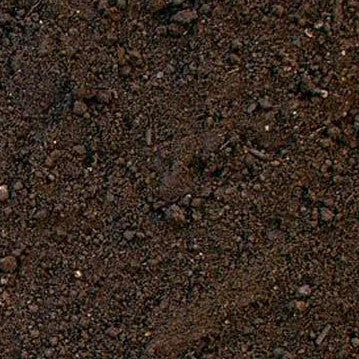
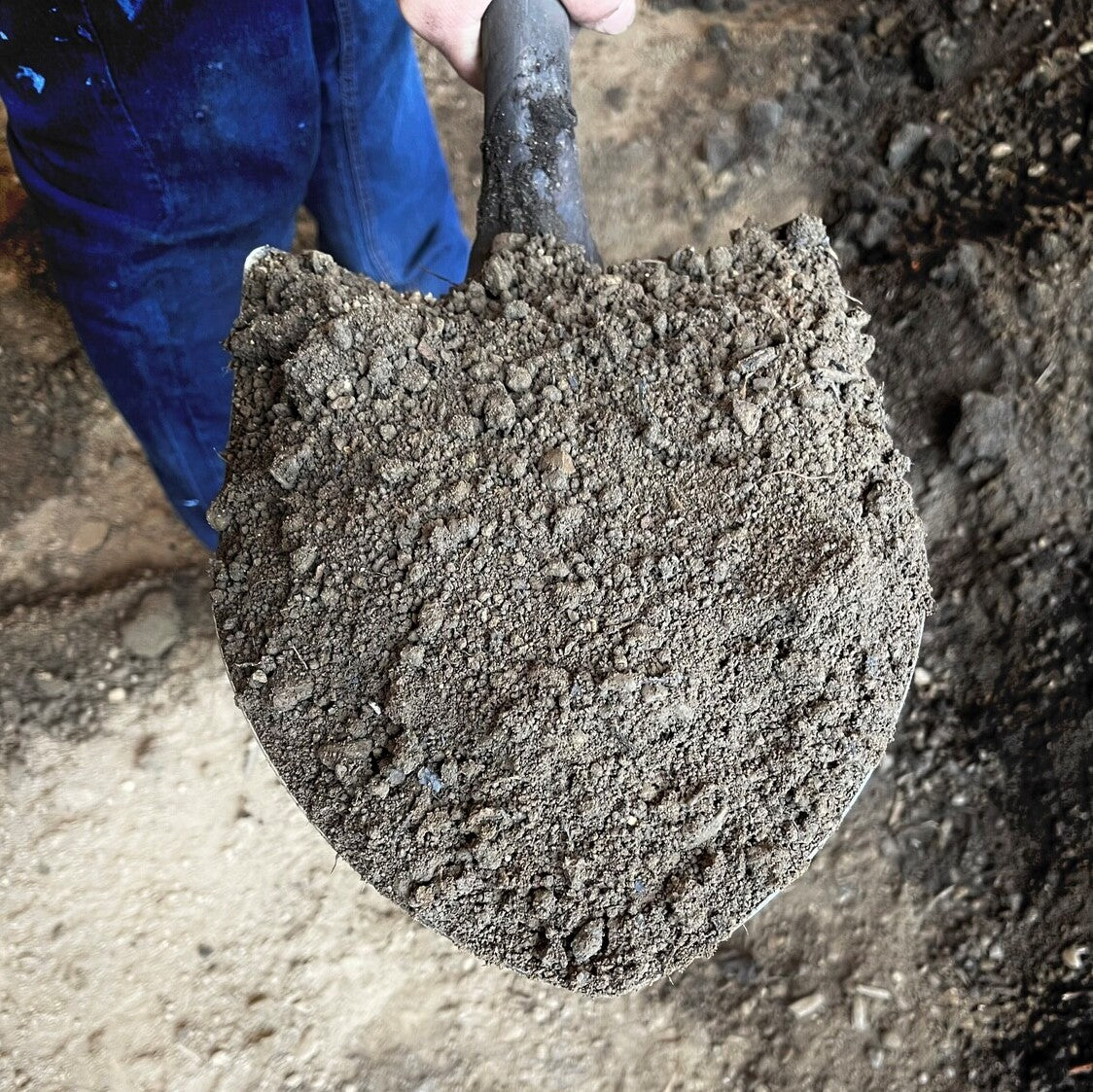
Quality topsoil for lawns, gardens, and landscape projects. Nutrient rich and ready to support strong root development and healthy plant establishment.
Ordered the planting mix with an early Saturday delivery. Super easy ordering experience. Dirt was delivered on time and delivery driver was kind enough to let us know I would take up more room than we though so we could pull cars out of the garage. Will be ordering again
Tell us what you're looking for
Thanks! We received your request.
Something went wrong. Please try again.
How Much Material Do I Need?
For garden bed prep and raised planting areas in Pace, plan for a minimum of six inches of quality soil over the native sandy loam to create a truly productive growing environment. Lawn leveling projects typically need only a quarter to half inch of topdress material spread carefully across affected areas.
Use our free soil calculator
What is a yard?
A yard is approximately 27 cubic feet. As a general guideline, one yard of material can cover an area of about 100-160 square feet at a 2-3 inch depth.
We can't take orders for this right now. Tell us what you need and we'll get back to you.
What do you need?
Thanks! We received your request.
Something went wrong. Please try again.
Hand-picked local yards
4,000+ regional deliveries
Dedicated support
Why order through Mulch Mound
The best local soil, without the guesswork.
We hand-pick and partner with the best yards in your region, keep only the ones our buyers rate well, and back each load with our guarantee.
Mulch Mound Guarantee
If your soil isn't the quantity or quality you ordered, we'll make it right.
About this soil
Quality topsoil for lawns, gardens, and landscape projects. Nutrient rich and ready to support strong root development and healthy plant establishment.
Ordered the planting mix with an early Saturday delivery. Super easy ordering experience. Dirt was delivered on time and delivery driver was kind enough to let us know I would take up more room than we though so we could pull cars out of the garage. Will be ordering again
How Much Material Do I Need?
For garden bed prep and raised planting areas in Pace, plan for a minimum of six inches of quality soil over the native sandy loam to create a truly productive growing environment. Lawn leveling projects typically need only a quarter to half inch of topdress material spread carefully across affected areas.
Use our free soil calculator
What is a yard?
A yard is approximately 27 cubic feet. As a general guideline, one yard of material can cover an area of about 100-160 square feet at a 2-3 inch depth.
Ordered the planting mix with an early Saturday delivery. Super easy ordering experience. Dirt was delivered on time and delivery driver was kind e...
Read full review
Ordered the planting mix with an early Saturday delivery. Super easy ordering experience. Dirt was delivered on time and delivery driver was kind enough to let us know I would take up more room than we though so we could pull cars out of the garage. Will be ordering again
For raised beds and garden prep in Pace, measure the length, width, and desired depth of your project area and multiply all three together to get cubic feet, then divide by 27 to convert to cubic yards. Pace's sandy loam base means most garden beds benefit from at least six inches of imported soil to meaningfully change the growing environment. Lawn leveling requires much shallower amounts, so calculate those areas separately from any deep-fill or raised bed projects to avoid over-ordering.
Soil Types We Deliver in Pace
Pace homeowners and landscapers count on us for bulk topsoil by the yard in Pace, delivered straight to the job site in quantities that make sense for any size project. Whether you are filling raised garden beds, grading a new lawn, or refreshing tired planting areas, having the right soil foundation makes all the difference in this part of Northwest Florida. We deliver by the cubic yard so you get exactly what you need without waste.
Screened Top Soil
Our screened topsoil is run through a fine mesh to remove debris, clumps, and rocks, leaving a clean and workable material that blends easily into existing ground. It is nutrient rich and well suited to the sandy native soils common across this region, helping lawns, gardens, and new landscape beds establish strong, healthy roots in our warm Florida climate.
Complete Your Outdoor Soil Project
Pair your soil order with a bulk mulch delivery to protect the surface of new beds immediately after planting, which is especially important in Pace where sandy loam loses moisture quickly in the summer heat. Stone edging is also a practical complement to soil work in Pace, helping hold bed soil in place during the summer storm season when heavy rain can push loose material into surrounding turf areas.
My yard in Pace has several low spots that flood after a hard rain. Will fill soil fix the problem?
Fill soil can absolutely help address low spots that collect water in Pace yards after heavy storms. The key is to grade the added soil so water flows away from your home and toward a drainage outlet rather than just filling the depression. Pace's 67 inches of annual rainfall mean that low spots get tested frequently, so proper grading with compactable fill makes a lasting difference in how your yard handles the summer storm season from June through September.
Answer
What kind of soil should I use for raised vegetable beds in Pace?
For raised vegetable beds in Pace, a blended garden soil with a good mix of compost, topsoil, and organic material works far better than native sandy loam alone. The native soil drains too quickly to keep vegetables consistently moist, and it lacks the nutrient density that productive crops need through Pace's long growing season. A quality raised bed blend retains moisture, feeds plants more steadily, and gives you much better control over the growing environment than trying to heavily amend the native ground.
Answer
How much topsoil do I need to level my Pace lawn before overseeding in the fall?
For lawn leveling in Pace, most applications call for a quarter to half inch of topsoil spread across low areas and worked into the existing grass with a rake. Pace's sandy loam base means that shallow low spots develop naturally as soil settles and shifts over time, especially after a summer of heavy storm events. Measure your low areas and plan for roughly one cubic yard of topsoil per 300 to 400 square feet when doing a light leveling application before you seed or lay sod.
Answer
Can I use fill dirt to build up a garden bed area near my Pace home's foundation?
Fill dirt is a good choice for building up the base of a raised area or establishing grade, but it typically lacks the organic matter needed to support plants on its own. In Pace, a common approach is to bring in fill dirt for the lower layers of a build-up and then top it with four to six inches of quality topsoil or garden blend. This gives you the elevation and drainage direction you want while still providing a nutrient-rich surface layer where roots will actually grow.
Answer
Will adding topsoil help my sandy Pace lawn hold water better between dry spells?
Yes, incorporating organic-rich topsoil into your Pace lawn's sandy surface layer improves moisture retention noticeably over time. Sandy loam in Pace allows water to pass through quickly, which means grass can stress between rain events even in a high-rainfall year. Topdressing with a fine-textured topsoil annually adds organic matter that slowly changes the soil's water-holding behavior, making your turf more resilient during the drier stretches in April and May before the summer rains pick up.
Answer
When is the best time to bring in soil and do garden bed prep in Pace?
The ideal time to bring in soil and prep new beds in Pace is late February through March, right after the last frost around February 28 and before the intense summer heat arrives. This gives you comfortable working conditions and allows any soil amendments to begin settling and integrating before your spring planting begins. Fall is the second best window, with September and October giving you time to prep beds for cool-season crops and winter annuals that perform well in Pace's mild winters.
Answer
How do I keep topsoil from washing away during heavy Pace summer storms?
Newly placed topsoil in Pace is vulnerable to erosion from the heavy downpours that are common between June and September. The best approach is to seed or plant into new soil as quickly as possible after placement, since root systems are the most effective long-term anchor against surface wash. In the short term, covering freshly spread soil with a thin layer of mulch or straw slows the impact of raindrops and gives seeds time to germinate before the next storm event rolls through the area.
Mulch Mound Pro Tip
When placing new topsoil over Pace's native sandy loam, rough up the existing surface with a tiller or garden fork before spreading the new material. This breaks the boundary between old and new soil layers, helping roots transition smoothly from the imported blend down into the native ground below. Without this step, roots can stall at the interface between the two soil types, limiting the depth they reach and making plants more vulnerable during dry stretches in late spring.
Mulch Mound Pro Tip
Pace's growing season begins in earnest around late February, so plan your soil delivery and bed prep for early to mid February if possible. This gives you a week or two to spread, settle, and lightly amend the new soil before planting time arrives. Soil that has had time to settle and receive one or two rain events before planting tends to produce better early growth than freshly turned, loose soil that roots have not yet had a chance to anchor into.
Mulch Mound Pro Tip
For homeowners in Pace doing grade work near their foundation, make sure the finished slope moves the ground surface at least six inches lower over the first ten feet away from the house. Sandy loam soil drains well but still needs a clear downhill path to move water away efficiently, especially during the concentrated summer storms that can drop two to three inches of rain in a single afternoon. Getting the grade right before laying sod or mulch saves you from having to redo the work after the first serious storm event of the season.
The Unique Landscape of Pace
Pace's native sandy loam soil is workable and well-draining, but it presents real challenges for homeowners trying to establish lush lawns, productive gardens, or healthy landscape beds. The sandy fraction of this soil means nutrients and organic matter leach out quickly, especially under the 67 inches of rain the area receives each year. Brought-in topsoil or garden blend can raise the organic content, improve moisture retention, and give new plantings a far better start than the native ground alone. Grade work around foundations and low spots in the yard also benefits from quality fill soil that compacts appropriately and channels water in the right direction. With Pace's long growing season running from late February through mid-November, establishing a good soil base early in the spring pays dividends all the way through fall. Whether you are building raised beds, leveling a lawn, or prepping a new landscape area, the right soil makes every step that follows more effective.