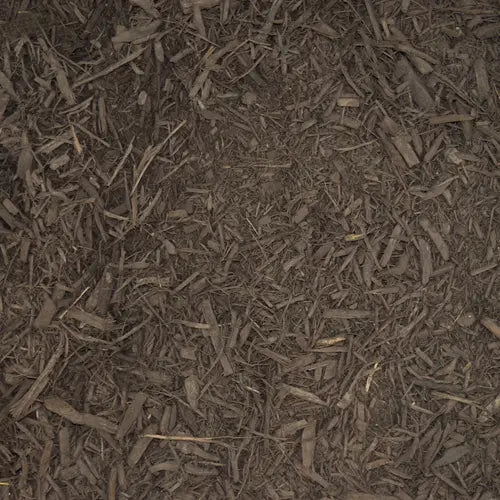
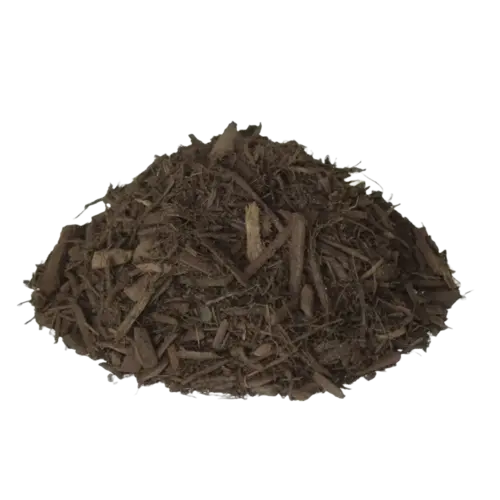
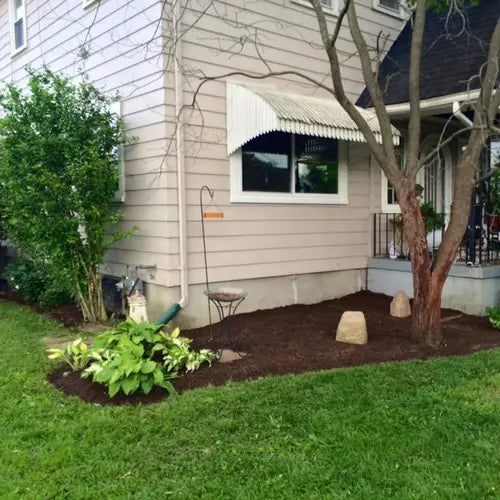
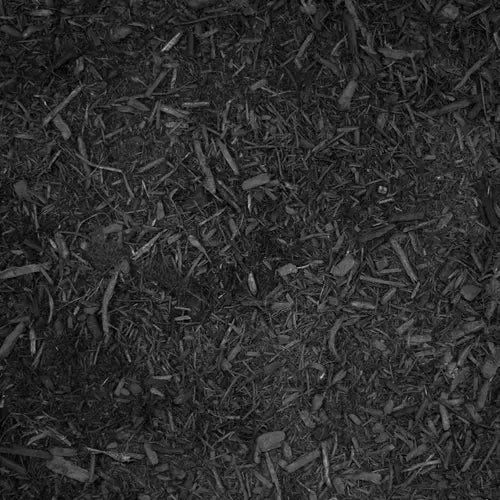
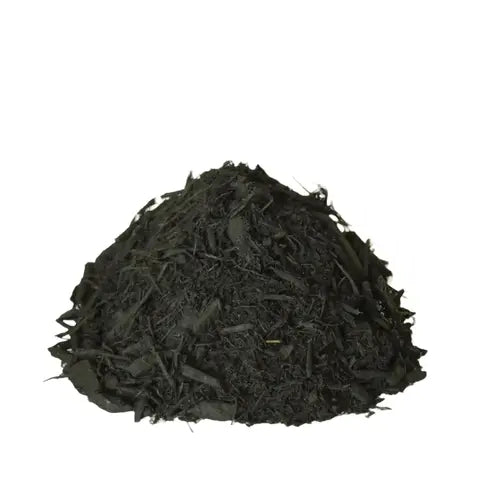
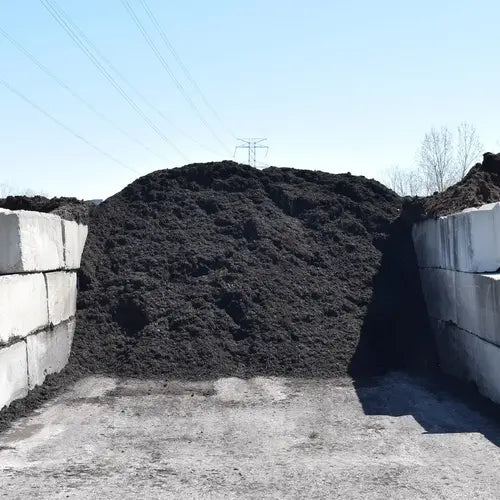
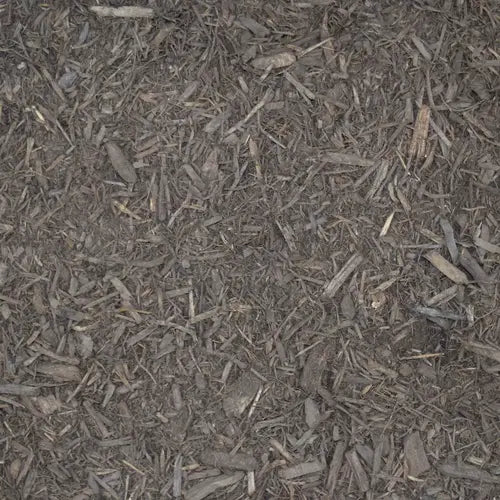
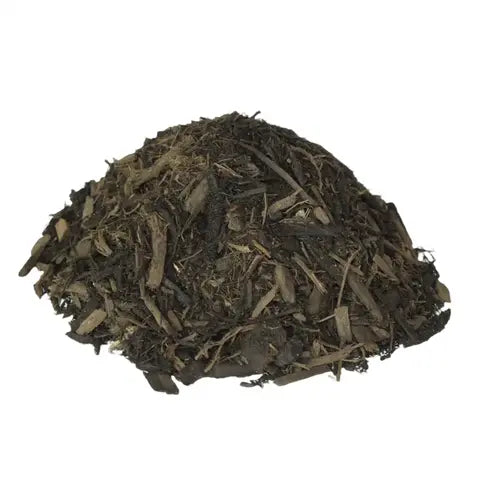
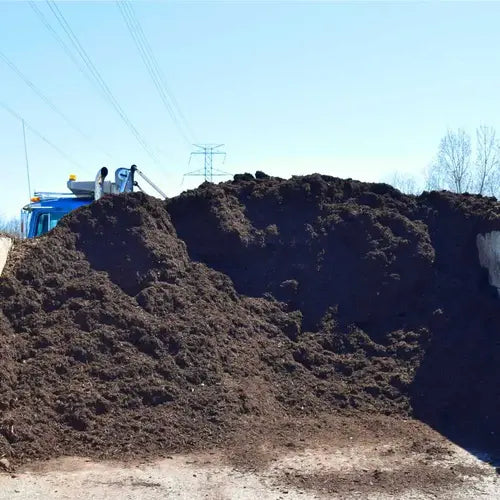
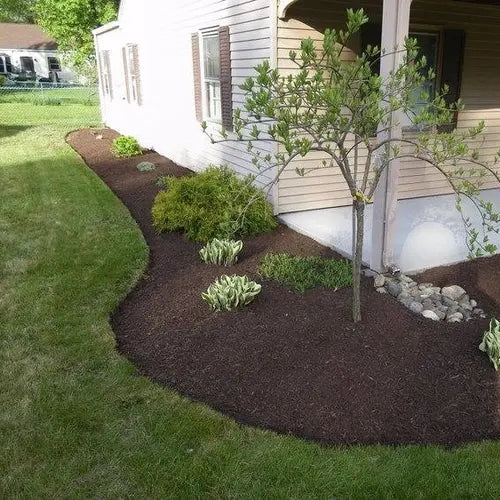
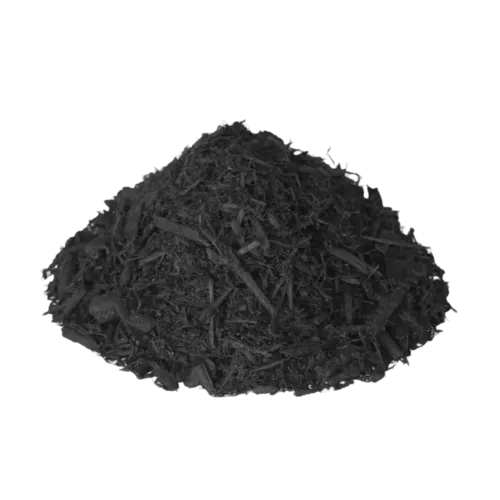
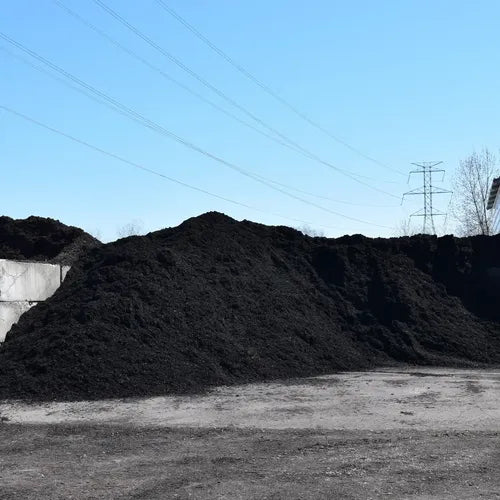
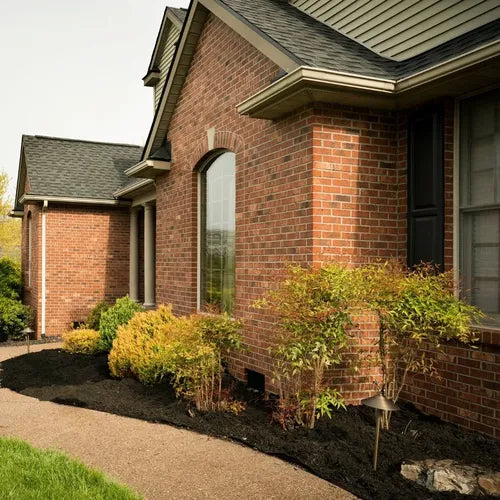
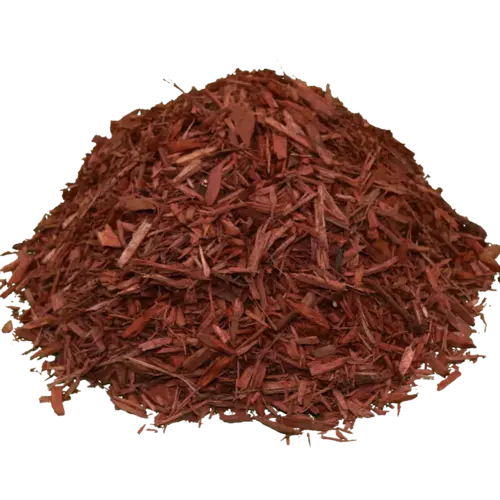
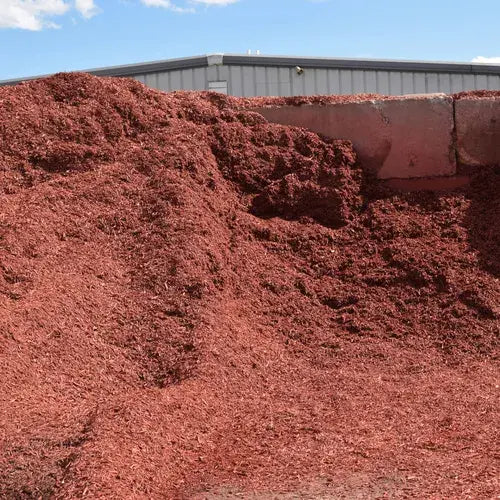
Warm brown double shredded mulch with lasting color that looks freshly applied for weeks. Spreads smooth, stays put, and gives beds a natural, polished appearance.
I can’t say enough good things about Mulch Mound! If you read my review below you will see I had a problem with my order. Mulch Mound was quick to respond and solved the issue with my delivery. Will definitely be a customer next year.
First time purchase...
Tell us what you're looking for
Thanks! We received your request.
Something went wrong. Please try again.
How Much Material Do I Need?
A 3-inch layer is the practical minimum for most Palm Coast beds because the underlying sandy soil offers almost no natural moisture-holding capacity on its own. Sloped areas and beds in full afternoon sun may benefit from a 4-inch application to account for material that compresses and shifts during the heavy summer downpours common across the area.
Use our free mulch calculator
What is a yard?
A yard is approximately 27 cubic feet. As a general guideline, one yard of material can cover an area of about 100-160 square feet at a 2-3 inch depth.
We can't take orders for this right now. Tell us what you need and we'll get back to you.
What do you need?
Thanks! We received your request.
Something went wrong. Please try again.
Hand-picked local yards
4,000+ regional deliveries
Dedicated support
Why order through Mulch Mound
The best local mulch, without the guesswork.
We hand-pick and partner with the best yards in your region, keep only the ones our buyers rate well, and back each load with our guarantee.
Mulch Mound Guarantee
If your mulch isn't the quantity or quality you ordered, we'll make it right.
About this mulch
Warm brown double shredded mulch with lasting color that looks freshly applied for weeks. Spreads smooth, stays put, and gives beds a natural, polished appearance.
I can’t say enough good things about Mulch Mound! If you read my review below you will see I had a problem with my order. Mulch Mound was quick to respond and solved the issue with my delivery. Will definitely be a customer next year.
First time purchase...
How Much Material Do I Need?
A 3-inch layer is the practical minimum for most Palm Coast beds because the underlying sandy soil offers almost no natural moisture-holding capacity on its own. Sloped areas and beds in full afternoon sun may benefit from a 4-inch application to account for material that compresses and shifts during the heavy summer downpours common across the area.
Use our free mulch calculator
What is a yard?
A yard is approximately 27 cubic feet. As a general guideline, one yard of material can cover an area of about 100-160 square feet at a 2-3 inch depth.
I can’t say enough good things about Mulch Mound! If you read my review below you will see I had a problem with my order. Mulch Mou...
Read full review
UPDATE!
I can’t say enough good things about Mulch Mound! If you read my review below you will see I had a problem with my order. Mulch Mound was quick to respond and solved the issue with my delivery. Will definitely be a customer next year.
First time purchase from Mulch Mound!! First what I liked! Easy to order online and straight forward pricing and delivery. The driver was on time and courteous and delivered my Mulch exactly where I requested! The product is of good quality and comparable to others I have purchased from before. Now what I DID’NT LIKE! I have been mulching the same house and yard for almost 20 years. I always order the same amount and don’t have any issues with covering the same area but this year I fell about a yard short. I was home when the mulch was delivered and when the driver dumped it I noticed that it seemed a bit less than I was used to. I didn’t apply it any thicker than usual and probably a bit thinner than usual because I was worried about running out.
Mulch Mound made it so easy! So happy with the pricing, turn around time, delivery and product. I submitted my online order on a Thursday. The mu...
Read full review
Mulch Mound made it so easy! So happy with the pricing, turn around time, delivery and product. I submitted my online order on a Thursday. The mulch was delivered to the designated location by a local landscape company at 8:30 a.m. the following Saturday morning. We had the job completed by that afternoon. We chose the natural brown mulch, and the plant beds are beautiful.
Measure the length and width of each bed in feet, multiply them together to get square footage, and then divide by the coverage rate listed for your chosen depth to find your cubic yard total. Palm Coast's sandy soil means water moves through quickly, so ordering a full 3-inch layer rather than cutting it short will give you meaningful moisture retention during the dry stretches that appear even in a rainy year. It is always wise to add a small buffer to your order so you have material on hand to top off thin spots after the first heavy summer storms.
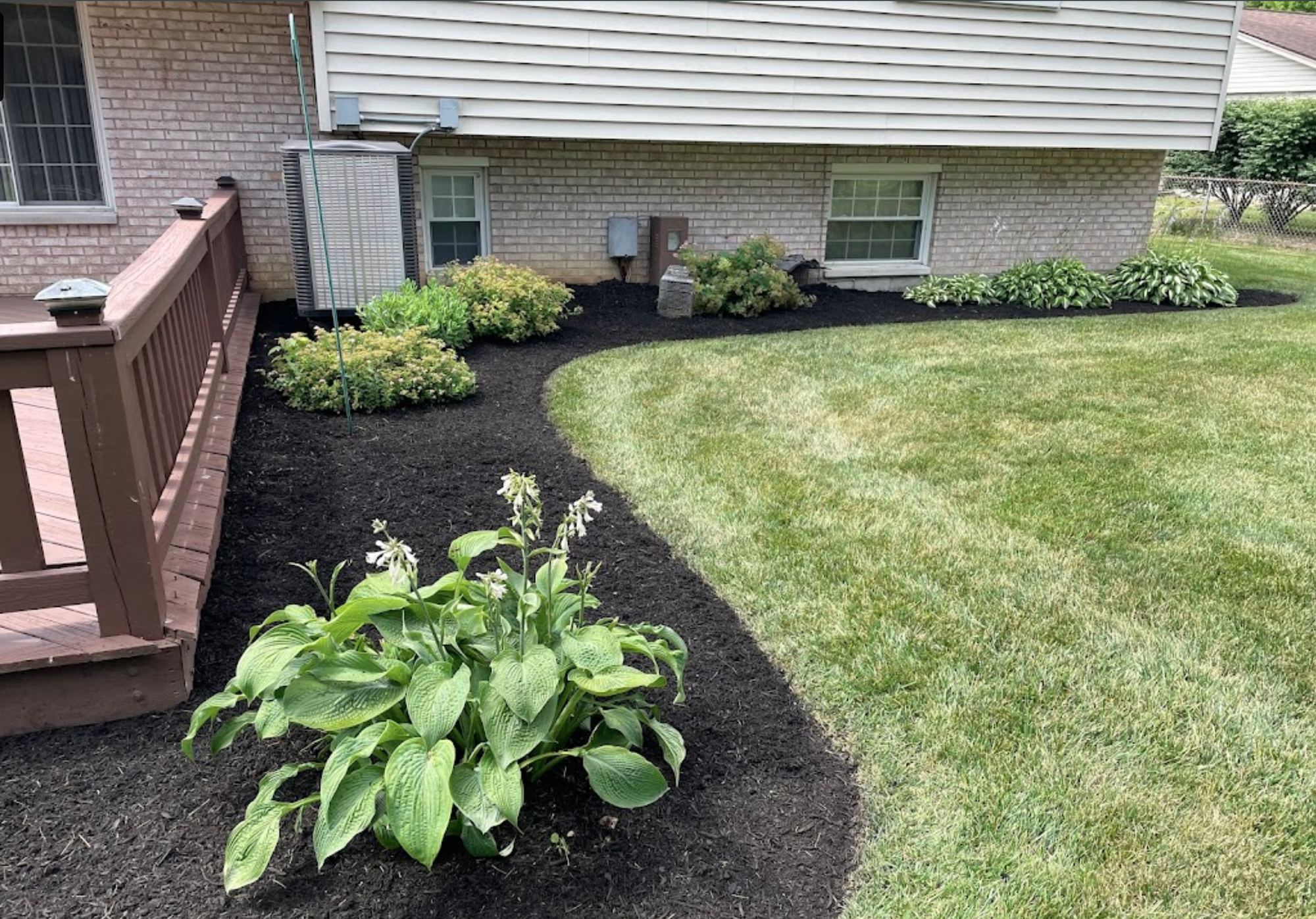
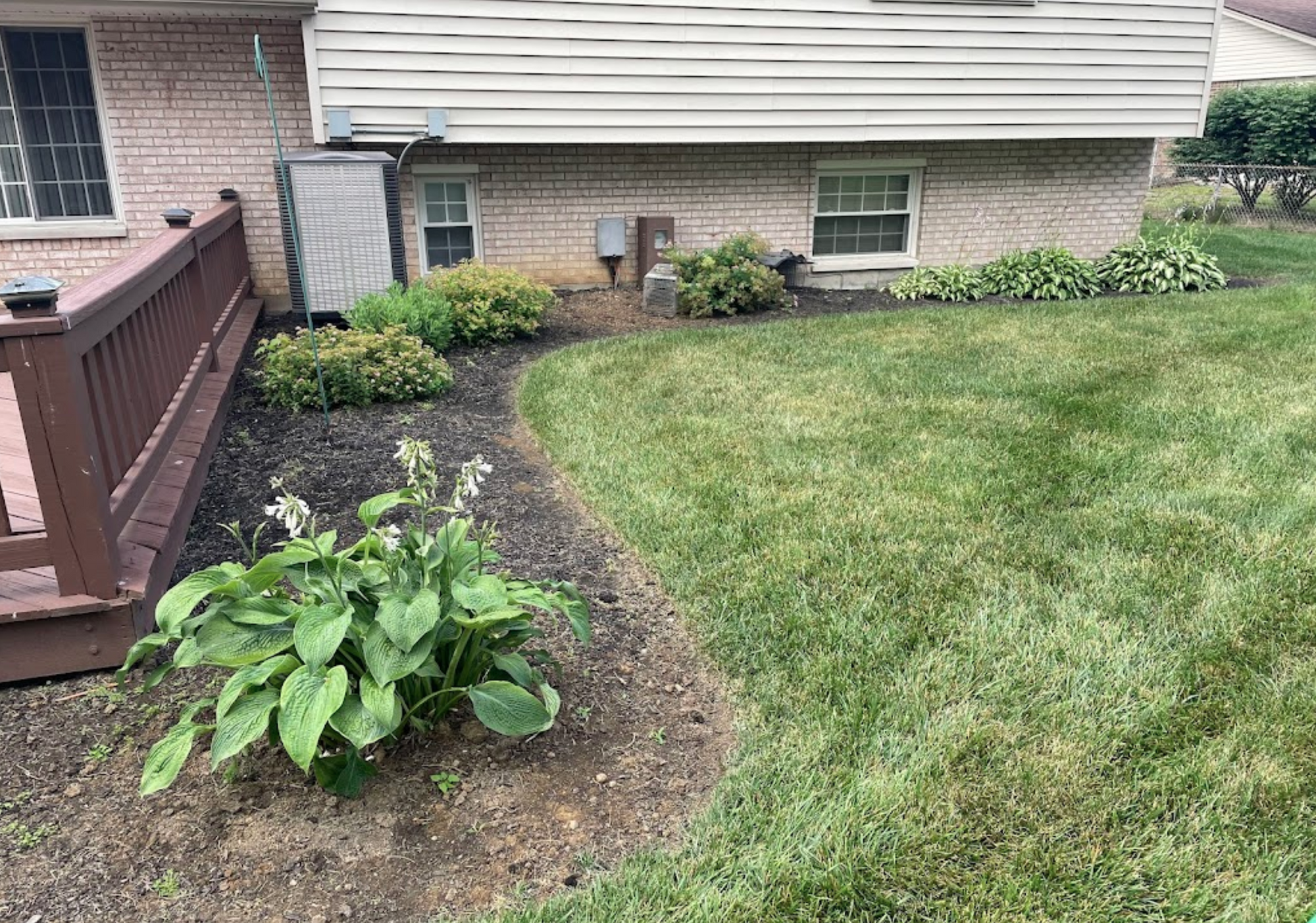
Mulch vs. No Mulch: The Difference
Palm Coast's intense sun and year-round humidity affect natural and dyed mulch in meaningfully different ways. Natural hardwood mulch breaks down faster in Zone 9b heat, which is actually useful because the decomposing fibers gradually add organic matter back into the sandy soil and improve its ability to hold moisture over time. Dyed mulch holds its color much longer through the season because the pigment resists UV fading better than uncolored wood fiber, making it the better choice when consistent visual appeal matters more than soil amendment.
Before
After
Best Mulch Choice for Palm Coast Lawns
Most yards in the Palm Coast area sit on Sandy type of soil. Sandy soil in Palm Coast contains very little organic matter, which means it retains almost no moisture or nutrients between rain events, leaving plant roots in unprotected beds constantly competing with rapid drainage.
Hardwood Mulch
Hardwood mulch decomposes over time and gradually contributes organic material to Palm Coast's sandy soil, slowly improving its capacity to retain moisture and nutrients between the heavy rain events that arrive through the long wet season.
Mulch Types We Deliver in Palm Coast
Whether you are refreshing landscape beds or laying fresh cover across sandy Florida soil, Mulch Mound delivers bulk mulch by the cubic yard straight to your door. Our bulk mulch delivery in Palm Coast makes it easy to order exactly what you need without hauling bags from a store. We schedule delivery at your convenience so you can spread it the same day.
Dyed Black Mulch
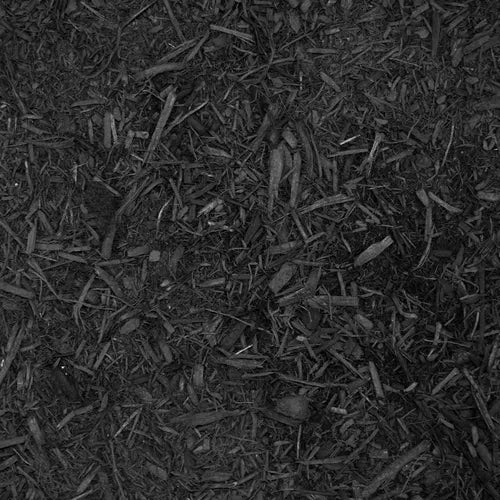
Bold black double shredded mulch that makes landscape beds stand out against the light sandy soil common throughout this part of Florida. The rich color holds through intense summer sun and heavy rain, and the smooth texture spreads quickly and evenly around palms, shrubs, and ornamental plantings.
Dyed Brown Mulch
Warm brown double shredded mulch with lasting color that looks freshly applied for weeks even through Florida's wet summers. It spreads smooth, stays in place during heavy rains, and gives beds the kind of clean, polished appearance that suits the well-kept yards common to this coastal region.
Natural Brown Mulch
Undyed double shredded mulch with a warm, earthy tone that comes straight from the wood itself. A good choice for homeowners who prefer a more organic look, it pairs naturally with native Florida plantings and helps sandy soil retain moisture through the warm growing season.
Dyed Red Mulch
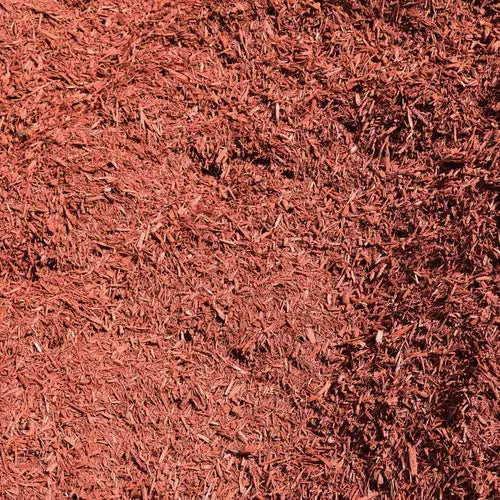
Double shredded mulch in a vibrant red that holds its color throughout the Florida growing season. A strong accent for landscape beds around light-colored homes, it draws the eye and creates contrast against green foliage and the white or tan exterior tones common in this region.
Complete Your Outdoor Mulch Project
If your beds need better structure before mulching, a layer of our bulk garden soil can improve the sandy base and give roots a nutrient-rich environment to establish in. Decorative stone from our inventory pairs well along bed edges and high-traffic pathways where mulch tends to scatter during Palm Coast's frequent summer storms.
Keep mulch pulled back two to three inches from the base of tree trunks and shrub stems in your Palm Coast yard. The combination of Zone 9b heat and persistent humidity creates ideal conditions for fungal rot at the soil line, and mulch piled against bark traps that moisture directly against the wood. A small clear ring around each plant costs nothing extra and protects your landscape investment from a problem that is very common in coastal Florida.
Mulch Mound Pro Tip
Time your mulch applications around Palm Coast's frost calendar for maximum benefit. Laying a fresh layer in mid to late November, just before the average first frost date of December 3, insulates root zones against the brief cold snaps that arrive in winter. That same layer carries you through the cool months, and a light top-off after the last average frost on February 18 keeps beds tidy heading into the active growing season.
Mulch Mound Pro Tip
Palm Coast receives roughly 52 inches of rain per year, with the bulk arriving in intense summer afternoon storms that can compact a thin mulch layer and push it to the edges of your beds. Those downpours leave bare sandy soil exposed in the center of the bed, where the next wave of rain hits it directly and accelerates erosion. Ordering enough material to maintain a consistent 3-inch depth throughout the wet season prevents that cycle and keeps opportunistic weeds from colonizing the bare patches that appear when coverage gets thin.
Frequently Asked Questions
Click a question to see the answer
Answer
How often do I need to reapply mulch in Palm Coast?
In Palm Coast's Zone 9b climate, organic mulch breaks down faster than it would in cooler parts of the country because the heat and humidity accelerate decomposition nearly year-round. Most homeowners find they need to replenish their beds once a year, and twice a year for areas that see intense direct sun or heavy foot traffic. A good schedule is a full application in early spring after the average last frost on February 18, followed by a light top-off in fall before the first frost arrives around December 3.
Answer
Will mulch attract termites near my home's foundation?
Organic mulch can provide shelter for termites if it is piled directly against your home's exterior walls, which is a real concern in Palm Coast given the region's active subterranean termite pressure. The fix is to keep a clear gap of at least 6 inches between the mulch layer and your foundation, and to avoid building up excessively thick piles along the perimeter of your house. A stone or gravel border along the foundation line offers a low-maintenance alternative that eliminates the termite bridge entirely in those critical areas.
Answer
What depth of mulch works best for Palm Coast's sandy soil?
A 3-inch layer is the standard recommendation for Palm Coast beds because the native sandy soil has almost no natural ability to hold moisture on its own. Going below 2 inches leaves too little insulation between the soil surface and the Florida sun, and beds will dry out rapidly between rain events. If you have slopes or areas exposed to the prevailing coastal wind, a 4-inch depth helps compensate for material that shifts or compresses over the wet season.
Answer
Does the heavy summer rain wash my mulch out of the beds?
Palm Coast's summer storm pattern, with intense downpours arriving most afternoons from June through September, can push lightweight mulch off-grade in poorly edged beds. Installing a solid bed edge made of steel, aluminum, or concrete curbing gives the mulch something to hold against and dramatically reduces washout over the wet season. Heavier hardwood chip products also resist displacement better than finely shredded material during high-volume rain events.
Answer
Should I remove old mulch before adding a fresh layer to my Palm Coast beds?
In most cases you do not need to remove old mulch in Palm Coast as long as the existing layer has not compacted into a thick mat that blocks water from reaching the soil below. A compacted mat can actually repel water and make your moisture problem worse on top of the already fast-draining sandy base. Loosen the old layer with a rake before adding fresh material and you get the benefit of both the decomposing organic matter underneath and the fresh insulating layer on top.
Answer
What is the difference between natural hardwood mulch and dyed mulch for a Palm Coast yard?
Natural hardwood mulch breaks down relatively quickly in Palm Coast's heat and humidity, which is actually a benefit because it slowly adds organic matter to the sandy soil and improves its texture over multiple seasons. Dyed mulch uses colorants that resist fading under the intense Florida sun, so it maintains its appearance longer through the year with less replenishment needed purely for cosmetic reasons. If your priority is building soil quality in beds where you are fighting the native sandy substrate, natural hardwood does more work for your garden over the long term.
Answer
Does mulch help protect plants from the occasional winter frost in Palm Coast?
Yes, and it is one of the most cost-effective frost protection strategies available to a Palm Coast homeowner. The ground in Zone 9b rarely gets deeply cold, but a fresh layer of mulch applied before the average first frost date of December 3 insulates root zones from the brief temperature drops that arrive in winter. Tropical perennials and sensitive ornamentals that would otherwise be damaged by a light freeze often come through unscathed when their root zone is protected by a generous 3 to 4-inch mulch layer.
The Unique Landscape of Palm Coast
Palm Coast's native sandy soil drains so quickly that plant beds can dry out within hours of a rain event, even with the area's generous 52 inches of annual rainfall. A thick layer of mulch acts as a buffer between that fast-draining substrate and the Florida sun, slowing evaporation and giving roots time to absorb moisture before it disappears. Because Zone 9b rarely sees a hard freeze before early December, warm-season plants stay active late into the year, making consistent moisture retention critical through fall. The high heat and humidity of a Palm Coast summer also accelerate organic mulch breakdown, which means beds need replenishment more often than in cooler inland climates. Properly mulched beds also resist the aggressive weed pressure that comes with a long, nearly frost-free growing season stretching from late February all the way through early winter.