


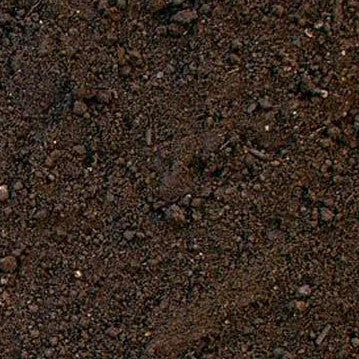
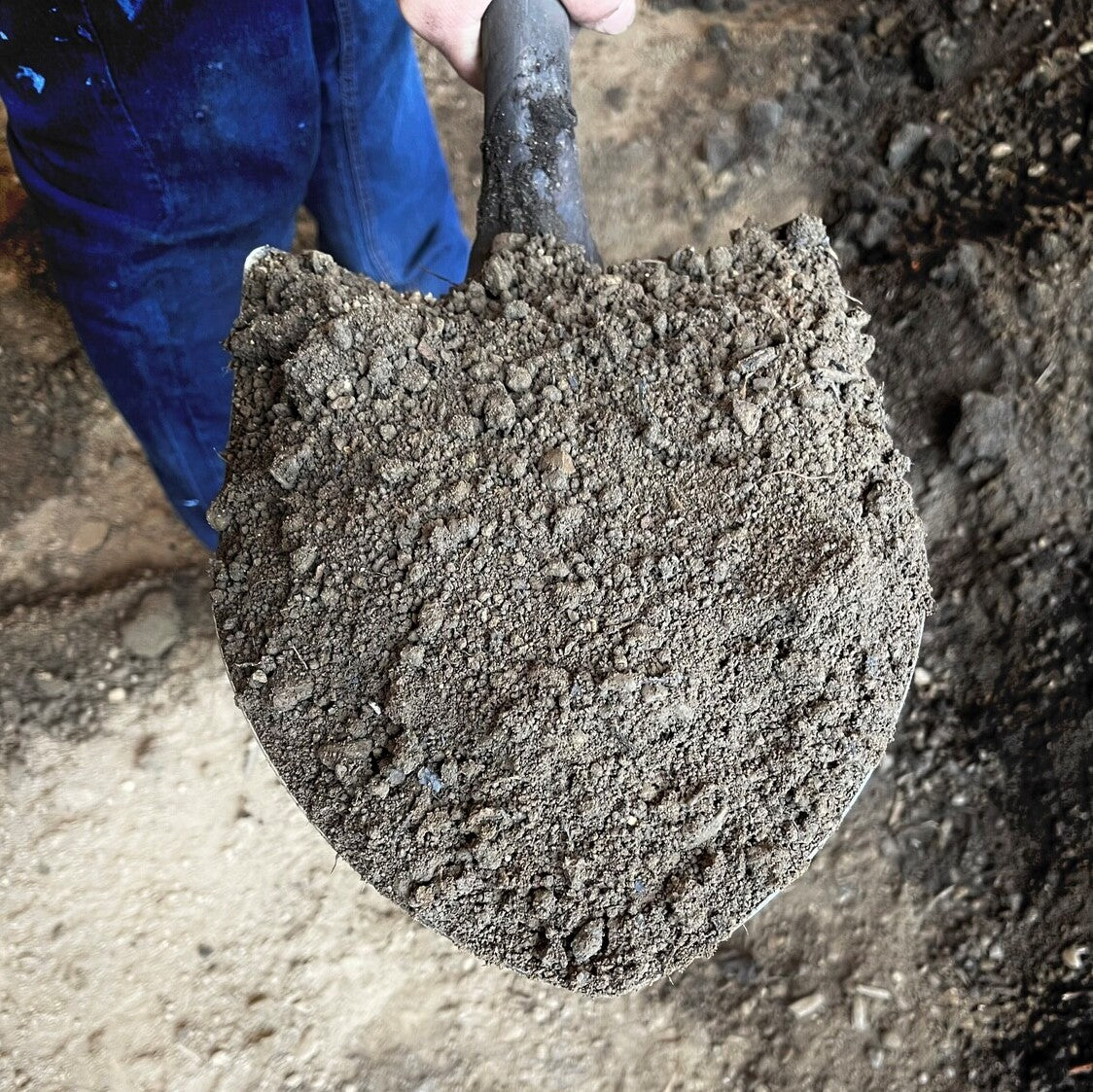


I needed 3 yards of top soil and that's what I got! Right on time and right where I asked it to be placed (Order# 2041).
About this soil
Quality topsoil for lawns, gardens, and landscape projects. Nutrient rich and ready to support strong root development and healthy plant establishment.
I needed 3 yards of top soil and that's what I got! Right on time and right where I asked it to be placed (Order# 2041).
Tell us what you're looking for
Thanks! We received your request.
Something went wrong. Please try again.
How Much Material Do I Need?
How Much Material Do I Need?
For new garden beds placed over Palm Coast's native sandy ground, a minimum of 6 to 8 inches of quality soil gives roots enough depth to stay above the fast-draining base layer and access consistent moisture. Lawn leveling projects typically need just 1 to 2 inches spread across low spots and feathered carefully at the edges to blend with the existing grade without smothering the turf.
Use our free soil calculator
What is a yard?
What is a yard?
FAQs
FAQs
Palm Coast Soil Delivery
Palm Coast Soil Delivery
Regular price
$45.00
per
yard
Regular price
Sale price
$45.00
Unit price
per
Shipping calculated at checkout.
Couldn't load pickup availability
Not currently available
We can't take orders for this right now. Tell us what you need and we'll get back to you.
Hand-picked local yards
4,000+ regional deliveries
Dedicated support
Why order through Mulch Mound
The best local soil, without the guesswork.
We hand-pick and partner with the best yards in your region, keep only the ones our buyers rate well, and back each load with our guarantee.
Mulch Mound Guarantee
If your soil isn't the quantity or quality you ordered, we'll make it right.
About this soil
Quality topsoil for lawns, gardens, and landscape projects. Nutrient rich and ready to support strong root development and healthy plant establishment.
I needed 3 yards of top soil and that's what I got! Right on time and right where I asked it to be placed (Order# 2041).
How Much Material Do I Need?
How Much Material Do I Need?
For new garden beds placed over Palm Coast's native sandy ground, a minimum of 6 to 8 inches of quality soil gives roots enough depth to stay above the fast-draining base layer and access consistent moisture. Lawn leveling projects typically need just 1 to 2 inches spread across low spots and feathered carefully at the edges to blend with the existing grade without smothering the turf.
Use our free soil calculator
What is a yard?
What is a yard?
FAQs
FAQs
Tell us what you're looking for
Thanks! We received your request.
Something went wrong. Please try again.
How It Works
Getting started is easy — just follow these simple steps
1
Choose your soil
Make sure you adjust the quantity to your home's needs. You can use our calculator to estimate how much you'll need.
2
Select your delivery date
Select a delivery date you'd like for the product to be dropped off at your home
3
Sit back and wait
Sit back, wait, and let us work our magic to make sure the highest quality product is delivered to your driveway.

Highest compliments. Great driver.
Website is easy to navigate. Just a seamless process. 5 stars!!

Need Help Calculating How Much Soil You Need?
Use our NEW Trace from Satellite tool to get an estimate for your project based on an aerial view of your property
Try Our CalculatorMeasure the square footage of your project area and decide on your target fill depth, then use a cubic yard calculator to determine the right quantity to order. Palm Coast's native sandy soil compresses and shifts easily, so adding 10 to 15 percent to your calculated need gives you material to adjust grade after the first heavy summer rain moves things around. For raised beds, account for settling by planning for the final depth to be an inch or two above your frame edge at installation.
Soil Types We Deliver in Palm Coast
Mulch Mound delivers bulk soil by the cubic yard straight to your Palm Coast property, saving you the hassle of hauling bags from the store. Whether you are prepping a new lawn, building raised beds, or correcting the sandy native soil that is common throughout this part of Florida, we have the right mix delivered loose and ready to spread. Search for bulk topsoil by the yard in Palm Coast and you will find us ready to help.
Screened Top Soil
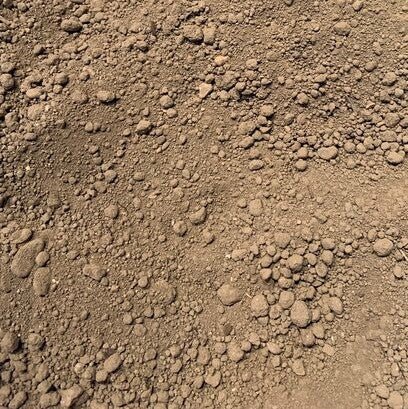
Our screened topsoil is processed to a fine, even texture that is easy to rake and grade across any surface. It is a great fit for sod prep, new lawn installs, and raised garden beds where the thin, sandy soils typical of coastal Florida need a richer, more workable foundation. Delivered loose by the cubic yard.
Complete Your Outdoor Soil Project
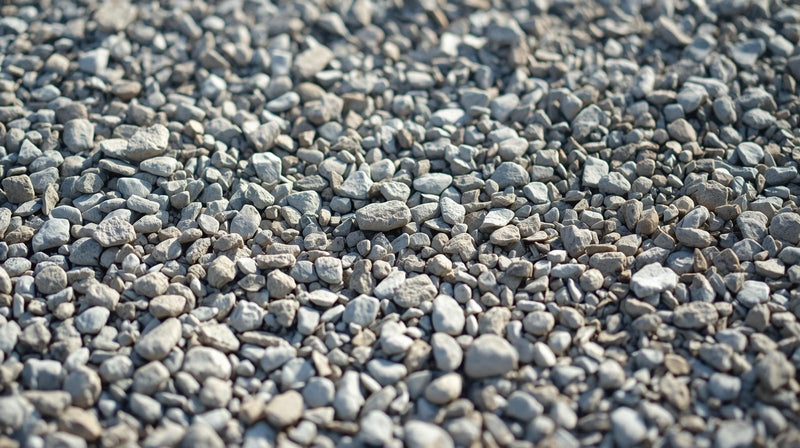
After filling and grading with bulk soil, a layer of mulch over garden beds locks in the moisture that Palm Coast's sandy ground would otherwise release within hours of a rain event. Stone edging or decorative gravel borders around new bed areas help contain your fresh soil during the heavy summer downpours that arrive regularly across Palm Coast from June through September.

Service area
Areas we deliver soil in Palm Coast, Florida
Mulch Mound Pro Tip
Pay close attention to crown height when topdressing an existing St. Augustine lawn in Palm Coast. Adding more than a half inch of soil at once can smother the grass crowns, especially in the heat of summer when the turf is aggressively growing. For significant low spots, build up the level in multiple light passes spread over several weeks rather than filling the depression in one heavy application, and let rain water each layer in naturally between passes.
Mulch Mound Pro Tip
Raised beds are one of the smartest investments a Palm Coast gardener can make given the local soil conditions. Elevating your growing area just 8 to 12 inches above the native sandy ground gives roots access to a consistent moisture and nutrient environment that the surrounding substrate simply cannot provide. The raised profile also improves drainage during the intense afternoon storms common from June through September, preventing the waterlogging that can damage root systems even in a well-draining sandy landscape.
Mulch Mound Pro Tip
Timing soil projects around Palm Coast's rainy season dramatically reduces how much supplemental irrigation your new plantings need to get established. Completing bed filling and grade work before the wet season begins in late May lets the soil settle and establish with natural rainfall doing the watering work for you through the summer. Projects finished in October after the rainy season winds down also benefit from cooler temperatures, which reduce transplant stress and give new plants time to root in before the brief winter cool-down arrives around December.
The Unique Landscape of Palm Coast
Palm Coast sits on a base of fine silica-rich sand that drains water rapidly and holds almost no nutrients on its own, making imported quality soil essential for any serious gardening or lawn improvement project. Whether you are building a raised vegetable bed, filling low spots in a turf area, or preparing ground for new sod, the native sandy substrate needs to be supplemented or replaced to support healthy plant growth. The city's location at just 10 feet above sea level also means that grade work matters, because improper sloping sends water pooling against foundations or eroding across yards during the heavy summer rain events that deliver much of the area's 52 annual inches. In Zone 9b, warm-season lawns like St. Augustine and Zoysia thrive when they have a root zone with improved water retention, something the native soil rarely provides without amendment. A quality bulk soil gives you the foundation to grow with confidence in Palm Coast's challenging but productive coastal climate.