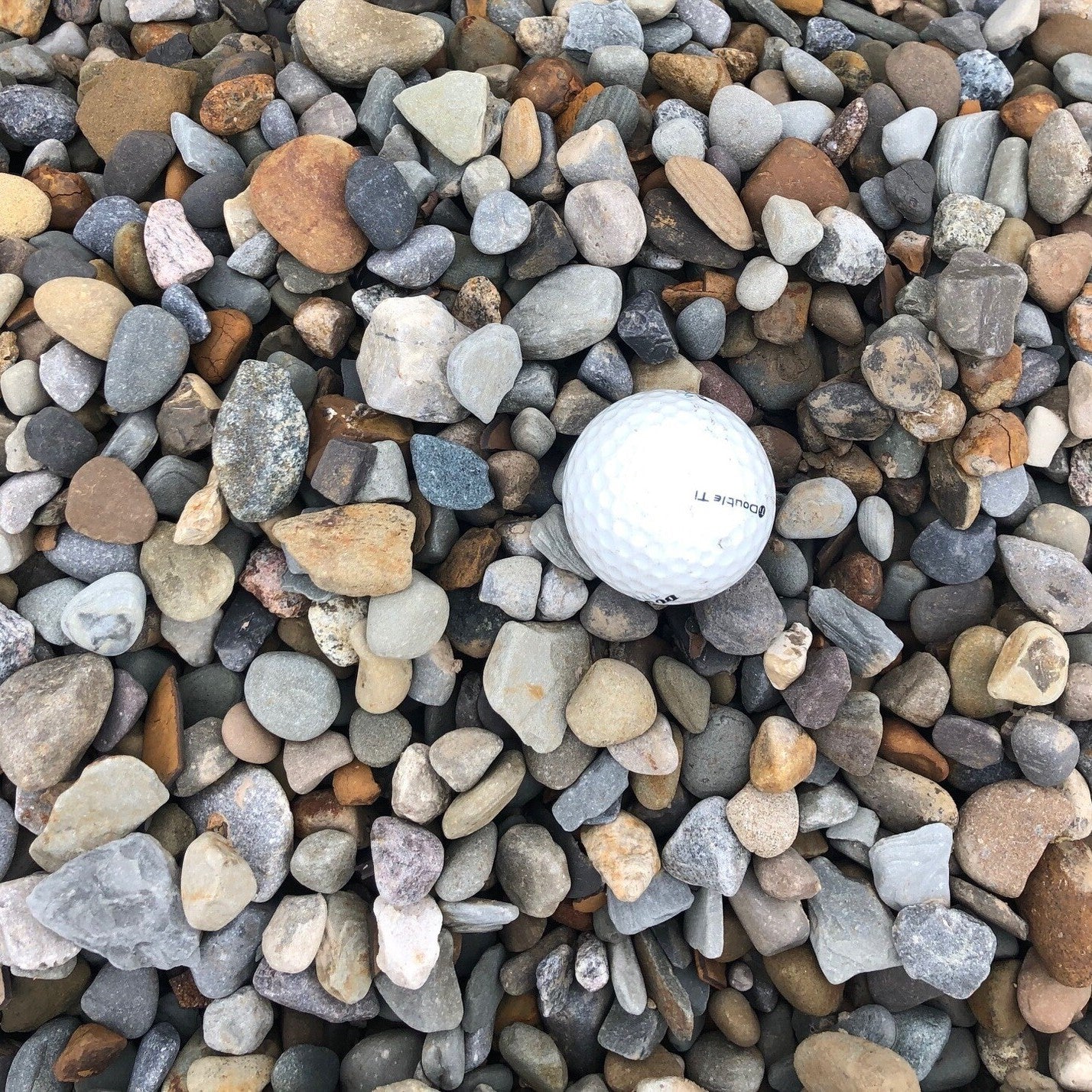
Number 57 crushed stone, angular limestone graded to about three quarters of an inch. The standard driveway, base and drainage gravel, it locks together under traffic and drains fast.
Mulch Mound delivered a yard of pea gravel to us. Delivery was on time, driver was friendly and hit a bullseye on the “tarp target”. We used the pea gravel (which was diameter as specified) to fill several muskrat holes around our pond. I would definitely recommend Mulch Mo...
Tell us what you're looking for
Thanks! We received your request.
Something went wrong. Please try again.
How Much Material Do I Need?
Decorative stone beds and low-maintenance ground cover areas in Palm Coast typically need 2 to 3 inches of depth to cover the landscape fabric fully and present a clean finished appearance. Drainage channels and French drain applications call for 4 to 6 inches or more of clean washed stone to function properly through the heavy rainfall events that Palm Coast receives through the summer wet season.
Use our free gravel calculator
What is a yard?
A yard is approximately 27 cubic feet. As a general guideline, one yard of material can cover an area of about 100-160 square feet at a 2-3 inch depth.
We can't take orders for this right now. Tell us what you need and we'll get back to you.
What do you need?
Thanks! We received your request.
Something went wrong. Please try again.
Hand-picked local yards
4,000+ regional deliveries
Dedicated support
Why order through Mulch Mound
The best local stone, without the guesswork.
We hand-pick and partner with the best yards in your region, keep only the ones our buyers rate well, and back each load with our guarantee.
Mulch Mound Guarantee
If your stone isn't the quantity or quality you ordered, we'll make it right.
About this stone
Number 57 crushed stone, angular limestone graded to about three quarters of an inch. The standard driveway, base and drainage gravel, it locks together under traffic and drains fast.
Mulch Mound delivered a yard of pea gravel to us. Delivery was on time, driver was friendly and hit a bullseye on the “tarp target”. We used the pea gravel (which was diameter as specified) to fill several muskrat holes around our pond. I would definitely recommend Mulch Mo...
How Much Material Do I Need?
Decorative stone beds and low-maintenance ground cover areas in Palm Coast typically need 2 to 3 inches of depth to cover the landscape fabric fully and present a clean finished appearance. Drainage channels and French drain applications call for 4 to 6 inches or more of clean washed stone to function properly through the heavy rainfall events that Palm Coast receives through the summer wet season.
Use our free gravel calculator
What is a yard?
A yard is approximately 27 cubic feet. As a general guideline, one yard of material can cover an area of about 100-160 square feet at a 2-3 inch depth.
Mulch Mound delivered a yard of pea gravel to us. Delivery was on time, driver was friendly and hit a bullseye on the “tarp target”. We used the ...
Read full review
Mulch Mound delivered a yard of pea gravel to us. Delivery was on time, driver was friendly and hit a bullseye on the “tarp target”. We used the pea gravel (which was diameter as specified) to fill several muskrat holes around our pond. I would definitely recommend Mulch Mound to a friend!
Placing an order online was so easy. Delivery was on time. When the driver realized we had a newly poured driveway they erred on the side of cautio...
Read full review
Placing an order online was so easy. Delivery was on time. When the driver realized we had a newly poured driveway they erred on the side of caution and opted not ti drive in it. The company even sent me a message explaining that call. Would recommend!
Measure the length and width of your project area in feet and multiply to get square footage, then use the depth you plan to install to calculate cubic yards needed. Palm Coast's sandy soil shifts and settles under stone over the first wet season, so ordering 10 percent more than your calculated minimum gives you top-off material without a second delivery. For drainage applications like dry creek beds, sizing the width and depth of the channel generously upfront handles the storm volumes that arrive during intense summer rain events.
Stone Types We Deliver in Palm Coast
Palm Coast homeowners and landscapers count on us for bulk gravel by the yard in Palm Coast, delivered straight to the job site with no trip to a supply yard required. Whether you are refreshing a driveway, improving drainage in sandy coastal soil, or adding a polished finishing touch to an outdoor living space, we make ordering simple. We sell by the cubic yard so you get exactly what your project needs.
Pea Gravel
Smooth, rounded, and available in warm earth tones, pea gravel is a natural fit for Palm Coast yards where sandy soil benefits from a stable, permeable surface layer. It works beautifully along walkways, around palms and ornamental beds, and beneath patio furniture, offering a clean look that complements the casual Florida coastal aesthetic.
Complete Your Outdoor Stone Project
Pairing stone borders or pathways with bulk mulch in the surrounding planting beds creates a clean, low-maintenance landscape that holds up well through Palm Coast's wet season without constant upkeep. If your project involves grading or raised planting areas adjacent to your stone installation, our bulk soil can improve the sandy native base before you lay the stone and plant borders around it.
Before installing stone in any low-lying part of your Palm Coast yard, observe carefully where water travels during an actual summer storm. Palm Coast's near-sea-level elevation means standing water problems are common, and placing stone incorrectly can inadvertently block a natural drainage path and worsen pooling rather than resolving it. Use stone intentionally to guide water toward a swale or permeable area and your installation will serve as both a landscape feature and a functioning drainage solution throughout the heavy wet season.
Mulch Mound Pro Tip
Choose your stone color with the intense Palm Coast sun in mind. Dark stones absorb a tremendous amount of solar energy through the long Zone 9b summer and radiate that heat back well into the evening, which can stress nearby plant roots and make ground-level areas uncomfortable. Lighter grays, tans, and buff-colored stones reflect more light and stay noticeably cooler in full sun, making them a far better choice for planting beds and outdoor living areas where summer heat is already a challenge.
Mulch Mound Pro Tip
Consider using stone to create a permanent transition edge between your lawn and garden beds in Palm Coast. The combination of sandy soil and heavy summer rainfall means bed edges erode and blur over a single wet season, causing mulch to migrate into the turf and grass to creep into the beds. A border of small cobblestone or flat stepping stone edging holds that line cleanly through the rain season and eliminates much of the hand-edging labor that Palm Coast's vigorous warm-season turf would otherwise demand month after month.
The Unique Landscape of Palm Coast
Stone is one of the most practical landscape materials available to Palm Coast homeowners because it requires almost no maintenance and holds up perfectly against the area's intense UV exposure, high humidity, and frequent heavy rains. At only 10 feet above sea level, many Palm Coast properties deal with drainage challenges, and a properly installed stone pathway or dry creek bed can redirect water away from foundations and low-lying turf areas that collect after summer storms. Unlike organic mulch, stone does not decompose or require seasonal replenishment, making it a cost-effective long-term choice for high-traffic zones and areas where plants are difficult to maintain under the relentless Florida sun. Palm Coast's long, nearly frost-free season means lawns and beds stay under pressure from foot traffic and stormwater almost year-round, so durable hardscaping materials earn their place quickly. Whether used decoratively around palms and ornamental plantings or functionally along drainage swales, bulk stone is a versatile material built for the demands of the Florida coastal landscape.
Frequently Asked Questions
Click a question to see the answer
Answer
What size stone works best for a walkway in my Palm Coast yard?
A 3/8-inch to 3/4-inch crushed stone or pea gravel is comfortable underfoot and compacts well enough to create a stable walking surface for Palm Coast pathways. Very fine stone can stick to shoes and track into the house more easily, while oversized decorative rock creates an uneven walking surface that becomes fatiguing over distance. A mid-size angular crushed product locks together better than round smooth pea gravel and resists displacement more effectively during the heavy summer downpours common in Palm Coast.
Answer
Can stone help fix the drainage problems on my Palm Coast property?
Stone is one of the most effective drainage tools available to Palm Coast homeowners dealing with low-lying areas or water that pools during summer storms. A French drain trench filled with clean washed stone redirects water efficiently through the sandy subsoil, and a decorative dry creek bed filled with river rock can carry storm runoff away from foundations and turf areas with essentially no ongoing maintenance. At only 10 feet above sea level, thoughtful drainage design is critical in Palm Coast, and stone is a reliable and attractive part of that solution.
Answer
Do I need landscape fabric under my stone to keep weeds out?
Landscape fabric under stone is strongly recommended in Palm Coast, where the warm Zone 9b climate and ample rainfall create near-ideal weed germination conditions throughout most of the year. Without a barrier, weed seeds that blow into the stone layer find the moist sandy soil below very hospitable, and roots push up through thin coverage surprisingly quickly in the Florida heat. A quality woven geotextile fabric installed under at least 2 to 3 inches of stone provides reliable long-term weed suppression with minimal maintenance required season to season.
Answer
How much stone do I need to cover a pathway in my Palm Coast yard?
For a standard 3-foot-wide pathway, plan on at least 2 inches of stone depth for a decorative application or 3 to 4 inches for a heavily trafficked surface that needs to stay firm through the wet season. Multiply the length of your path by the width in feet to get square footage, then use the cubic yard coverage for your target depth to calculate your order quantity. Palm Coast's sandy base shifts under foot traffic over time, so a slightly deeper initial installation reduces how soon the pathway develops thin or bare spots.
Answer
Is it a good idea to use stone around my home's foundation in Palm Coast?
A stone border around your foundation is an excellent practice in Palm Coast for both functional and aesthetic reasons. Stone keeps organic mulch and debris away from your exterior walls, which reduces termite-friendly conditions in a region with year-round active termite pressure. It also manages water during heavy summer downpours by creating a permeable surface that allows rain to percolate through the sandy soil rather than running across impermeable ground toward your foundation slab.
Answer
Does stone get too hot to walk on barefoot during a Palm Coast summer?
Light-colored stones like buff limestone, tan pea gravel, or white marble chips stay significantly cooler than dark stones under the direct Florida sun because they reflect rather than absorb solar radiation. In a Palm Coast summer, dark decomposed granite or charcoal-colored lava rock in full afternoon sun can reach temperatures uncomfortable for bare feet. If your pathway or patio area receives direct sun from midday through the afternoon, choosing a lighter-colored stone product or positioning the installation in a partially shaded location makes a meaningful practical difference.
Answer
Will stone sink or shift in Palm Coast's sandy soil over time?
All stone installations over sandy soil will settle to some degree over time, especially after the first wet season as water movement works through the substrate below. Compacting the sandy base layer before installing stone, and using landscape fabric to physically separate the stone from the soil, dramatically reduces settling and lateral migration. Areas subject to heavy foot traffic or vehicle loads benefit from a compacted road base sub-layer beneath the decorative stone to provide long-term structural stability in Palm Coast's naturally loose sandy ground.
Answer
Is crush and run the same as crusher run?
Crush and run refers to crushed stone blended with stone dust that compacts tightly, making it a popular base layer under driveways and pavers. For Palm Coast properties dealing with heavy summer rains and low elevation, our Crushed Stone #57 is often the better choice since it drains freely instead of holding water against foundations.