



The driver nailed it on putting the gravel I ordered in front of my trailer and between the sidewalk. Very satisfied with how my flowerbeds look now.
About this stone
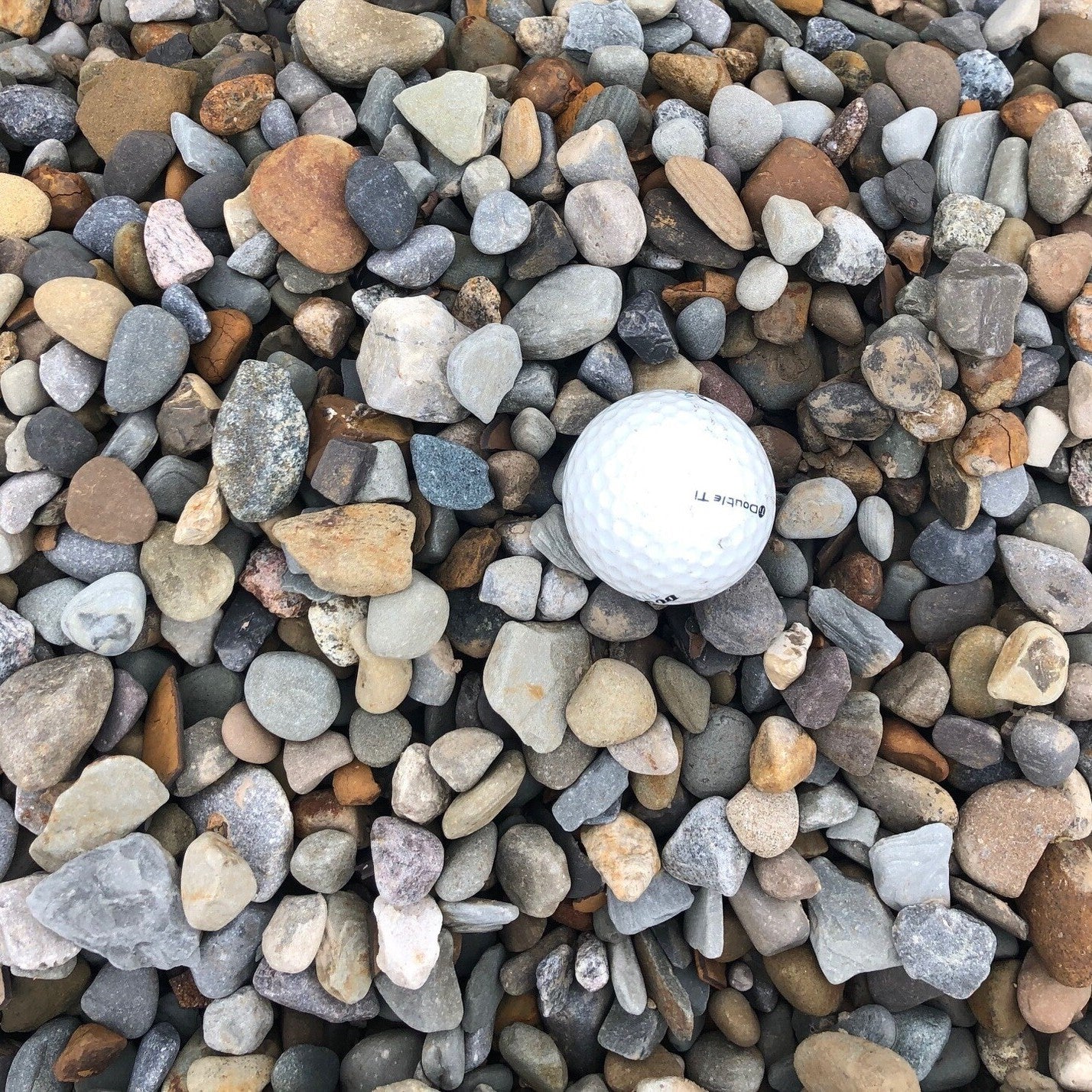
Number 57 crushed stone, angular limestone graded to about three quarters of an inch. The standard driveway, base and drainage gravel, it locks together under traffic and drains fast.
The driver nailed it on putting the gravel I ordered in front of my trailer and between the sidewalk. Very satisfied with how my flowerbeds look now.
Tell us what you're looking for
Thanks! We received your request.
Something went wrong. Please try again.
How Much Material Do I Need?
How Much Material Do I Need?
A 2 to 3 inch depth of decorative stone is the standard recommendation for Palmdale ground coverage, providing enough material to suppress weeds and create a finished look without the stone layer shifting underfoot. For drainage channels and erosion-prone areas in the Antelope Valley, increasing to 4 to 6 inches of larger rock ensures the material stays in place during the brief but intense summer thunderstorms.
Use our free gravel calculator
What is a Yard?
What is a Yard?
FAQs
FAQs
Palmdale Gravel Delivery
Palmdale Gravel Delivery
Regular price
$133.00
per
Yard
Regular price
Sale price
$133.00
Unit price
per
Shipping calculated at checkout.
Minimum of 3 Yard
Couldn't load pickup availability
Not currently available
We can't take orders for this right now. Tell us what you need and we'll get back to you.
Hand-picked local yards
4,000+ regional deliveries
Dedicated support
Why order through Mulch Mound
The best local , without the guesswork.
We hand-pick and partner with the best yards in your region, keep only the ones our buyers rate well, and back each load with our guarantee.
Mulch Mound Guarantee
If your isn't the quantity or quality you ordered, we'll make it right.
About this stone
Number 57 crushed stone, angular limestone graded to about three quarters of an inch. The standard driveway, base and drainage gravel, it locks together under traffic and drains fast.
The driver nailed it on putting the gravel I ordered in front of my trailer and between the sidewalk. Very satisfied with how my flowerbeds look now.
How Much Material Do I Need?
How Much Material Do I Need?
A 2 to 3 inch depth of decorative stone is the standard recommendation for Palmdale ground coverage, providing enough material to suppress weeds and create a finished look without the stone layer shifting underfoot. For drainage channels and erosion-prone areas in the Antelope Valley, increasing to 4 to 6 inches of larger rock ensures the material stays in place during the brief but intense summer thunderstorms.
Use our free gravel calculator
What is a Yard?
What is a Yard?
FAQs
FAQs
Tell us what you're looking for
Thanks! We received your request.
Something went wrong. Please try again.

How It Works
Getting started is easy — just follow these simple steps
1
Choose your stone
Make sure you adjust the quantity to your home's needs. You can use our calculator to estimate how much you'll need.
2
Select your delivery date
Select a delivery date you'd like for the product to be dropped off at your home
3
Sit back and wait
Sit back, wait, and let us work our magic to make sure the highest quality product is delivered to your driveway.

Placing an order online was so easy. Delivery was on time. When the driver realized we had a newly poured driveway they erred on the side of cautio...
Read full review
Placing an order online was so easy. Delivery was on time. When the driver realized we had a newly poured driveway they erred on the side of caution and opted not ti drive in it. The company even sent me a message explaining that call. Would recommend!

Online ordering was really simple and I liked the transparent pricing.
Need Help Calculating How Much Gravel You Need?
Use our NEW Trace from Satellite tool to get an estimate for your project based on an aerial view of your property
Try Our CalculatorTo estimate your stone needs, measure the length and width of your coverage area in feet and multiply them together for total square footage. Then decide on your depth, typically 2 to 3 inches for decorative coverage, and use our calculator to convert that into cubic yards. For irregularly shaped Palmdale yards with curved beds and pathways, sketching a rough map and breaking the space into simple rectangles makes the math much more manageable.
Complete Your Outdoor Stone Project
Combine your stone delivery with a bulk soil order if you are building up planting beds within your rock landscape design. Adding a border of landscape edging between your stone areas and any grass or mulched zones keeps the materials separated and gives your Palmdale yard a sharp, clean finished appearance.

Service area
Areas we deliver stone and gravel in Palmdale, California
Mulch Mound Pro Tip
Palmdale sits in the Antelope Valley where wind is a constant factor, and lighter gravel like pea gravel under about half an inch in size can actually be displaced by strong Santa Ana wind events. When selecting a stone size for open areas of your yard, choosing material that is at least three-quarters of an inch in diameter gives you much better wind resistance. Decomposed granite that is compacted rather than loose also holds its position far better than round loose stones during high-wind periods.
Mulch Mound Pro Tip
One often-overlooked benefit of stone landscaping in Palmdale is its performance during the rare but meaningful winter rain events the Antelope Valley receives. When winter storms drop a significant portion of Palmdale's 9 annual inches in a short period, properly installed stone with good drainage prevents the surface erosion and pooling that bare soil experiences. Grading your stone installation with a slight slope away from structures before the material goes down ensures that even heavy rainfall events move water away from your foundation efficiently.
Mulch Mound Pro Tip
If you are transitioning a traditional grass lawn in Palmdale to a stone and xeriscape design, do not skip the soil preparation step before the stone goes down. Removing the grass, tilling the top few inches of sandy loam, and laying a quality weed barrier before your stone delivery gives you a foundation that will look clean for years. Rushing past this step and laying stone over an unprepared surface leads to uneven settling and aggressive weed pressure coming up through the material within just one growing season.
The Unique Landscape of Palmdale
In Palmdale's high desert environment, decorative stone and gravel are not just aesthetic choices but genuinely practical landscaping solutions. With only 9 inches of rainfall annually, stone groundcover eliminates the need for irrigated turf in areas where grass struggles to survive without heavy water use. Palmdale's sandy loam base allows excellent drainage beneath stone installations, preventing the pooling and shifting that can undermine gravel in clay-heavy soils. Decorative rock also holds heat absorbed during the day and releases it at night, which can help frost-tender plants survive Palmdale's November frost events when temperatures dip unexpectedly. Stone requires virtually no maintenance compared to organic materials, making it ideal for Antelope Valley homeowners dealing with both water restrictions and limited gardening time. A well-designed stone landscape can significantly reduce a Palmdale yard's overall water consumption while still looking polished and intentional throughout the year.