


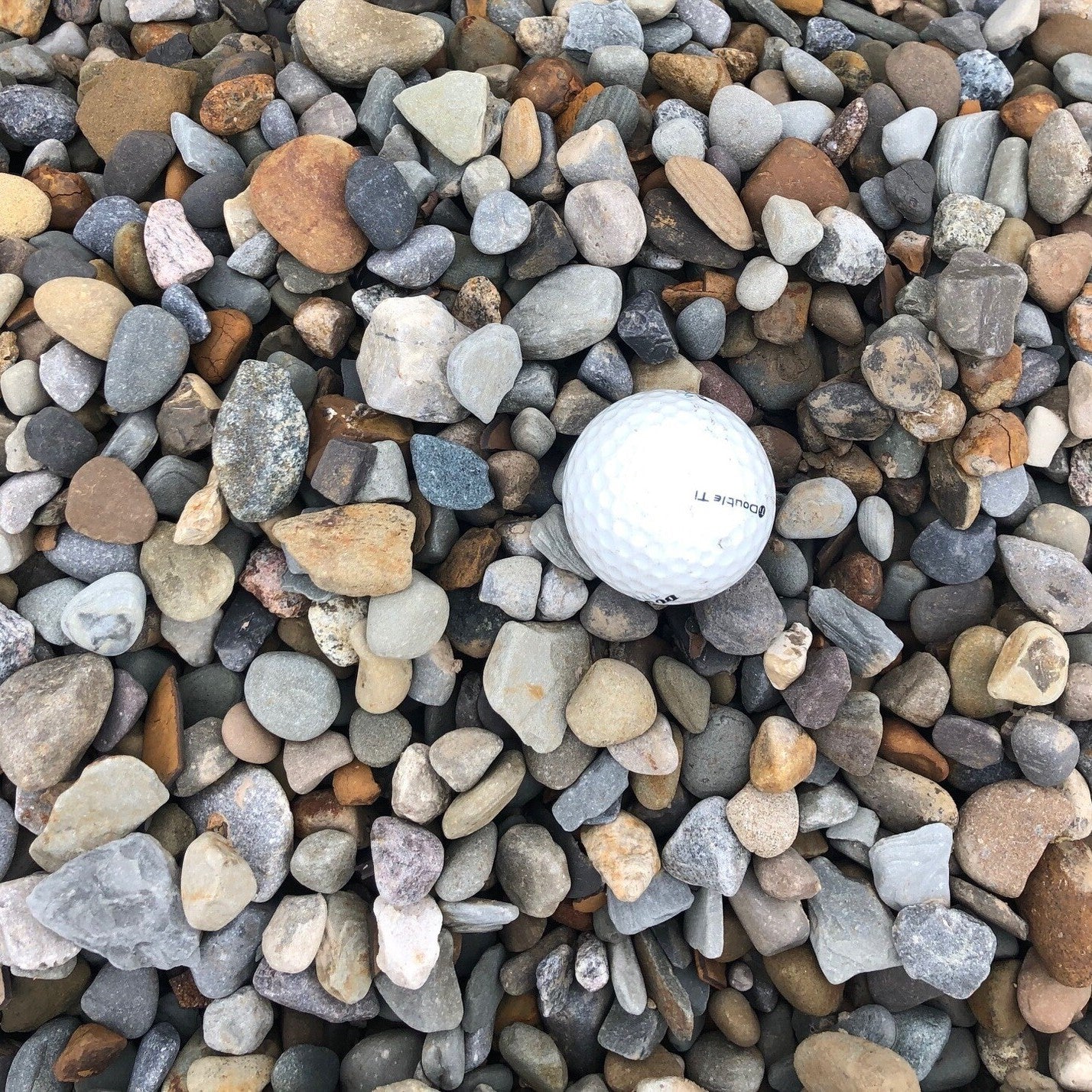

The driver nailed it on putting the gravel I ordered in front of my trailer and between the sidewalk. Very satisfied with how my flowerbeds look now.
About this stone
Number 57 crushed stone, angular limestone graded to about three quarters of an inch. The standard driveway, base and drainage gravel, it locks together under traffic and drains fast.
The driver nailed it on putting the gravel I ordered in front of my trailer and between the sidewalk. Very satisfied with how my flowerbeds look now.
Tell us what you're looking for
Thanks! We received your request.
Something went wrong. Please try again.
How Much Material Do I Need?
How Much Material Do I Need?
For decorative stone beds and pathways in Panama City, a 2 to 3 inch depth provides solid coverage that holds up through heavy rains and stays visually full between maintenance visits. Drainage trenches and base layers typically require 4 to 6 inches of material for effective performance, so make sure to factor in your specific application when calculating your order.
Use our free gravel calculator
What is a Yard?
What is a Yard?
FAQs
FAQs
Panama City Gravel Delivery
Panama City Gravel Delivery
Regular price
$133.00
per
Yard
Regular price
Sale price
$133.00
Unit price
per
Shipping calculated at checkout.
Minimum of 3 Yard
Couldn't load pickup availability
Not currently available
We can't take orders for this right now. Tell us what you need and we'll get back to you.
Hand-picked local yards
4,000+ regional deliveries
Dedicated support
Why order through Mulch Mound
The best local , without the guesswork.
We hand-pick and partner with the best yards in your region, keep only the ones our buyers rate well, and back each load with our guarantee.
Mulch Mound Guarantee
If your isn't the quantity or quality you ordered, we'll make it right.
About this stone
Number 57 crushed stone, angular limestone graded to about three quarters of an inch. The standard driveway, base and drainage gravel, it locks together under traffic and drains fast.
The driver nailed it on putting the gravel I ordered in front of my trailer and between the sidewalk. Very satisfied with how my flowerbeds look now.
How Much Material Do I Need?
How Much Material Do I Need?
For decorative stone beds and pathways in Panama City, a 2 to 3 inch depth provides solid coverage that holds up through heavy rains and stays visually full between maintenance visits. Drainage trenches and base layers typically require 4 to 6 inches of material for effective performance, so make sure to factor in your specific application when calculating your order.
Use our free gravel calculator
What is a Yard?
What is a Yard?
FAQs
FAQs
Tell us what you're looking for
Thanks! We received your request.
Something went wrong. Please try again.
How It Works
Getting started is easy — just follow these simple steps
1
Choose your stone
Make sure you adjust the quantity to your home's needs. You can use our calculator to estimate how much you'll need.
2
Select your delivery date
Select a delivery date you'd like for the product to be dropped off at your home
3
Sit back and wait
Sit back, wait, and let us work our magic to make sure the highest quality product is delivered to your driveway.

Placing an order online was so easy. Delivery was on time. When the driver realized we had a newly poured driveway they erred on the side of cautio...
Read full review
Placing an order online was so easy. Delivery was on time. When the driver realized we had a newly poured driveway they erred on the side of caution and opted not ti drive in it. The company even sent me a message explaining that call. Would recommend!

Online ordering was really simple and I liked the transparent pricing.
Need Help Calculating How Much Gravel You Need?
Use our NEW Trace from Satellite tool to get an estimate for your project based on an aerial view of your property
Try Our CalculatorFor stone projects, measure your area length and width in feet and decide on your target depth before using the calculator, since depth dramatically affects how many cubic yards you need. Decorative beds typically need 2 to 3 inches of stone to look full and cover the surface completely. Drainage applications and driveway bases often require more depth, so note your project type when estimating to make sure you order enough material to finish the job.
Complete Your Outdoor Stone Project
Pair your stone delivery with landscape fabric to keep weeds from pushing through gravel beds and to separate stone from the sandy native soil below, which reduces mixing over time. Adding soil to adjacent planting areas or mulch to nearby organic beds at the same time lets you complete your full landscape upgrade in a single project push.

Service area
Areas we deliver stone and gravel in Panama City, Florida
Mulch Mound Pro Tip
Panama City homeowners using gravel in landscape beds near mature trees should choose a stone size large enough that it does not compact into the soil surface over time. Heavy rainfall can work very fine gravels down into the sandy soil over a few seasons, causing the bed to look thin and uneven. A half-inch or larger washed stone stays more stable on the surface and is easier to top-dress occasionally to keep the bed looking fresh without a full replacement.
Mulch Mound Pro Tip
If you are installing a stone drainage feature like a dry creek bed to manage water flow from your yard toward the street or a retention area, line the channel with landscape fabric before laying stone to prevent the sandy soil from migrating up through the rock layer during heavy storm events. Panama City's fast-draining sandy base sounds like it would help drainage, but fine sand particles can actually work upward through gravel over time and gradually clog the void spaces that make the drainage channel effective.
Mulch Mound Pro Tip
For stone beds in full sun along the south or west sides of your Panama City home, consider using a light-toned material like natural buff pea gravel or white marble chips rather than dark stone. In Zone 9a's intense summer sun, dark stone surfaces can reach temperatures that are genuinely damaging to shallow plant roots and can make those areas uncomfortable to work in or walk past on bare feet. Light stone reflects more heat, keeps the bed surface cooler, and still delivers the clean, permanent look that makes stone worth choosing over organic mulch.
The Unique Landscape of Panama City
Stone and gravel bring a durability and low-maintenance character to Panama City landscapes that organic materials simply cannot match, especially in a climate where heat and humidity accelerate the breakdown of wood-based products. In a coastal city where salt air, heavy summer rains, and warm year-round temperatures create demanding conditions, stone holds its color and structure without decomposing or washing away. Gravel and crushed stone are also excellent choices for managing the drainage challenges that come with Panama City's sandy, low-lying terrain, helping water move efficiently away from foundations and landscape beds. Stone mulch in ornamental beds eliminates the twice-yearly replenishment that organic mulch requires, making it a genuinely time-saving choice for high-visibility areas around your property. Local homeowners near the bay and inlet areas especially benefit from stone solutions that can handle occasional flooding and saltwater exposure without suffering damage. Whether you are building a clean driveway apron, a dry creek drainage feature, or a polished decorative bed, bulk stone gives you a permanent and practical solution tailored to Panama City's coastal environment.