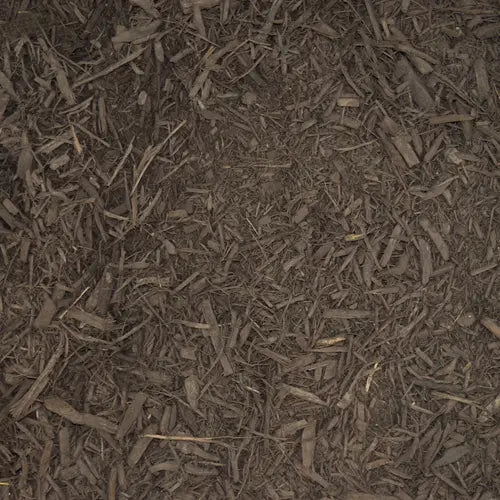
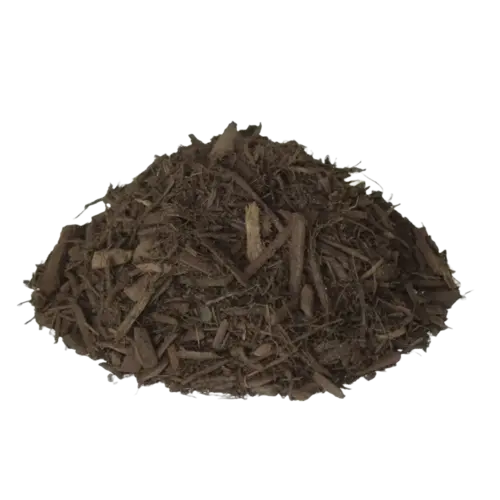
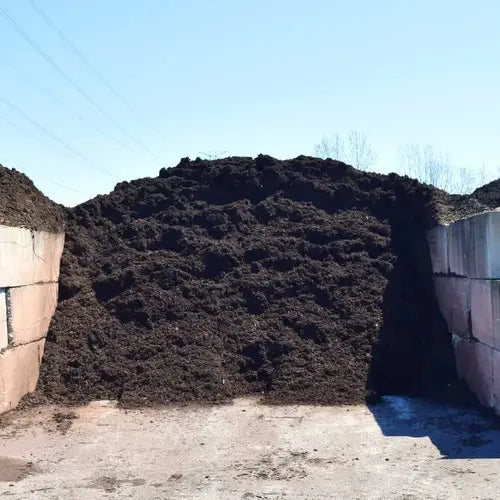
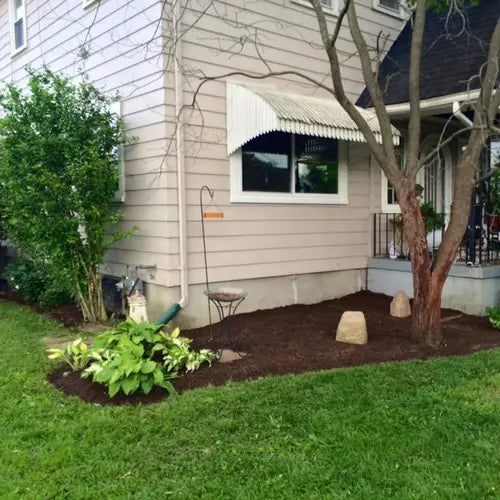
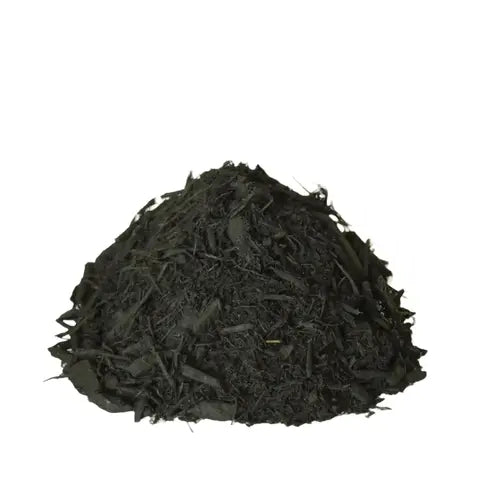
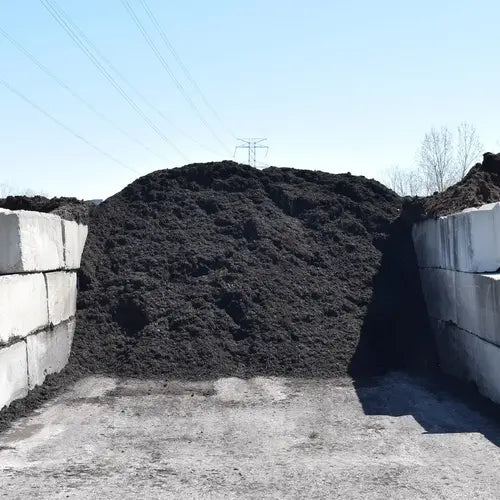
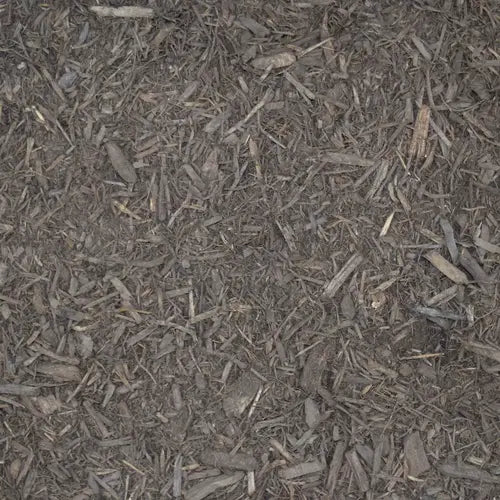
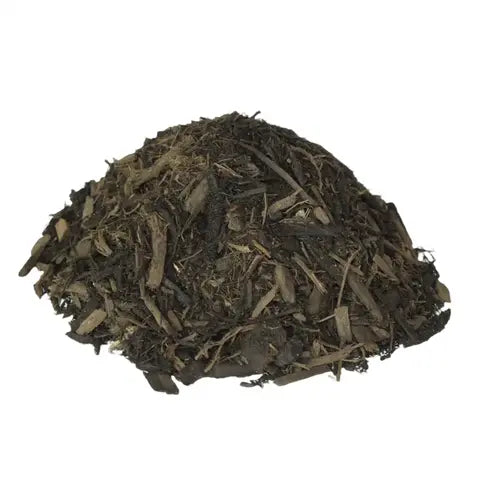
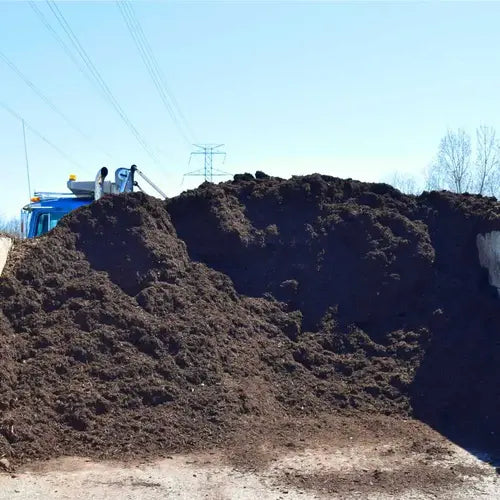
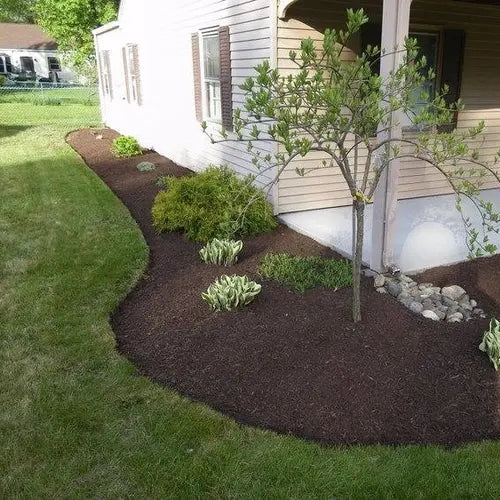
Warm brown double shredded mulch with lasting color that looks freshly applied for weeks. Spreads smooth, stays put, and gives beds a natural, polished appearance.
Great experience! Easy to order, they delivered promptly and were very respectful of the property! Ordered the triple shredded brown mulch and it was EXACTLY what I wanted. Very clean product too, no garbage or filler. Already put these guys in my calendar to order from next y...
Tell us what you're looking for
Thanks! We received your request.
Something went wrong. Please try again.
How Much Material Do I Need?
Plan for 3 inches of mulch over Parkersburg's silt clay beds to suppress weeds effectively and prevent the surface crusting that exposed clay develops during summer heat. Existing beds being topped off may only need 1 to 2 additional inches if the base layer is still reasonably intact from last season.
Use our free mulch calculator
What is a yard?
A yard is approximately 27 cubic feet. As a general guideline, one yard of material can cover an area of about 100-160 square feet at a 2-3 inch depth.
We can't take orders for this right now. Tell us what you need and we'll get back to you.
What do you need?
Thanks! We received your request.
Something went wrong. Please try again.
Hand-picked local yards
4,000+ regional deliveries
Dedicated support
Why order through Mulch Mound
The best local mulch, without the guesswork.
We hand-pick and partner with the best yards in your region, keep only the ones our buyers rate well, and back each load with our guarantee.
Mulch Mound Guarantee
If your mulch isn't the quantity or quality you ordered, we'll make it right.
About this mulch
Warm brown double shredded mulch with lasting color that looks freshly applied for weeks. Spreads smooth, stays put, and gives beds a natural, polished appearance.
Great experience! Easy to order, they delivered promptly and were very respectful of the property! Ordered the triple shredded brown mulch and it was EXACTLY what I wanted. Very clean product too, no garbage or filler. Already put these guys in my calendar to order from next y...
How Much Material Do I Need?
Plan for 3 inches of mulch over Parkersburg's silt clay beds to suppress weeds effectively and prevent the surface crusting that exposed clay develops during summer heat. Existing beds being topped off may only need 1 to 2 additional inches if the base layer is still reasonably intact from last season.
Use our free mulch calculator
What is a yard?
A yard is approximately 27 cubic feet. As a general guideline, one yard of material can cover an area of about 100-160 square feet at a 2-3 inch depth.
Great experience! Easy to order, they delivered promptly and were very respectful of the property! Ordered the triple shredded brown mulch and it w...
Read full review
Great experience! Easy to order, they delivered promptly and were very respectful of the property! Ordered the triple shredded brown mulch and it was EXACTLY what I wanted. Very clean product too, no garbage or filler. Already put these guys in my calendar to order from next year! Keep up the good work.
To estimate mulch for your Parkersburg beds, measure each bed's length and width in feet and multiply to get square footage. Divide that number by 100 to get the cubic yards needed for a 3-inch layer, which is the recommended depth for protecting silt clay soils in this area. Ordering a small buffer is wise since Parkersburg's frequent rainfall tends to shift and thin mulch toward bed edges over the course of the season.
Mulch vs. No Mulch: The Difference
Parkersburg's combination of warm humid summers and 42 inches of annual rainfall means natural hardwood mulch breaks down faster here than in drier inland climates, often needing a top-off within a single growing season. Dyed or processed mulches resist breakdown longer and hold visual color through the season, making them appealing for high-visibility front foundation beds where curb appeal matters. The trade-off is that natural mulch adds back organic matter as it decomposes, which is genuinely valuable for improving the structure of Parkersburg's silt clay over multiple seasons of consistent application.
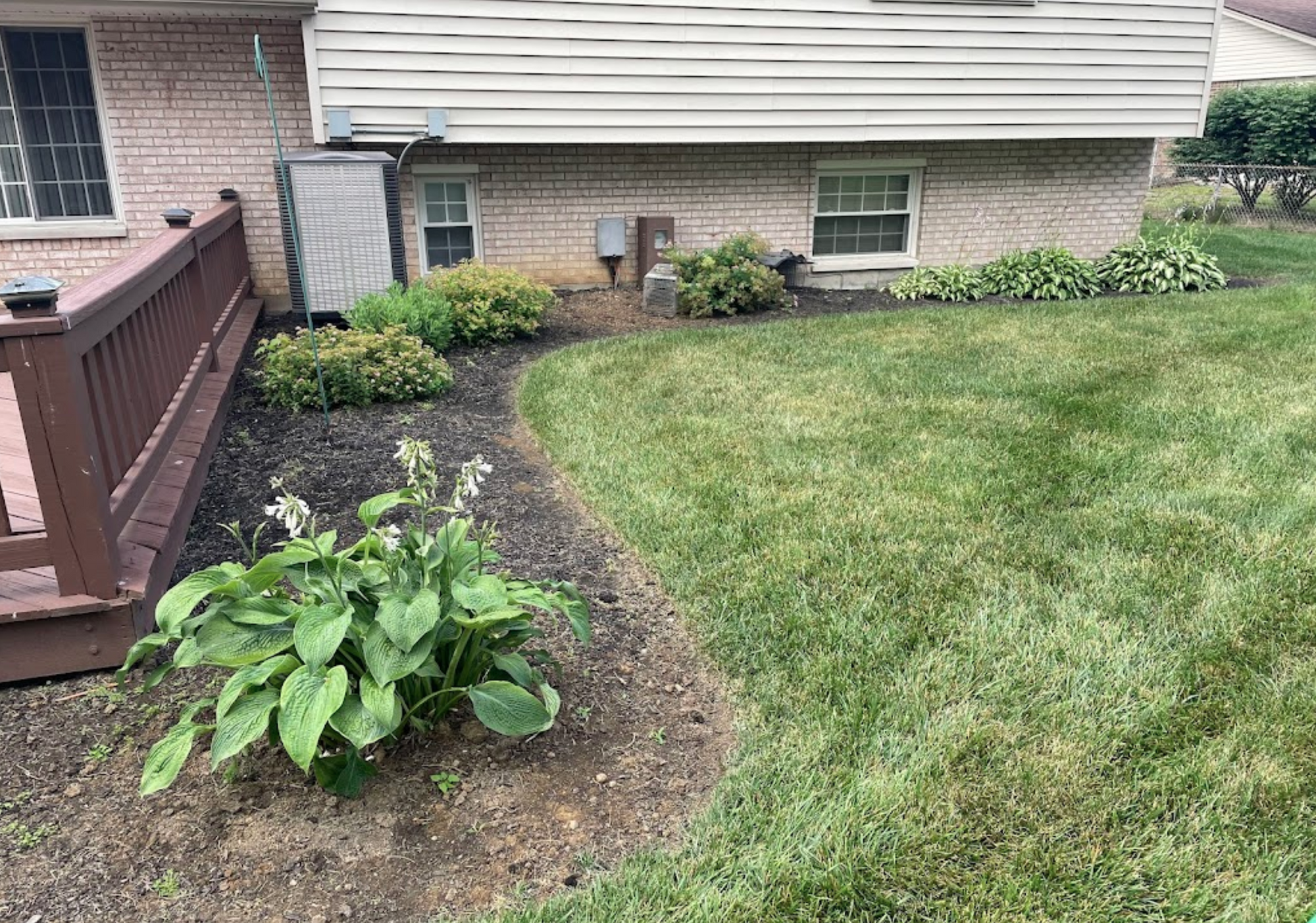
Before
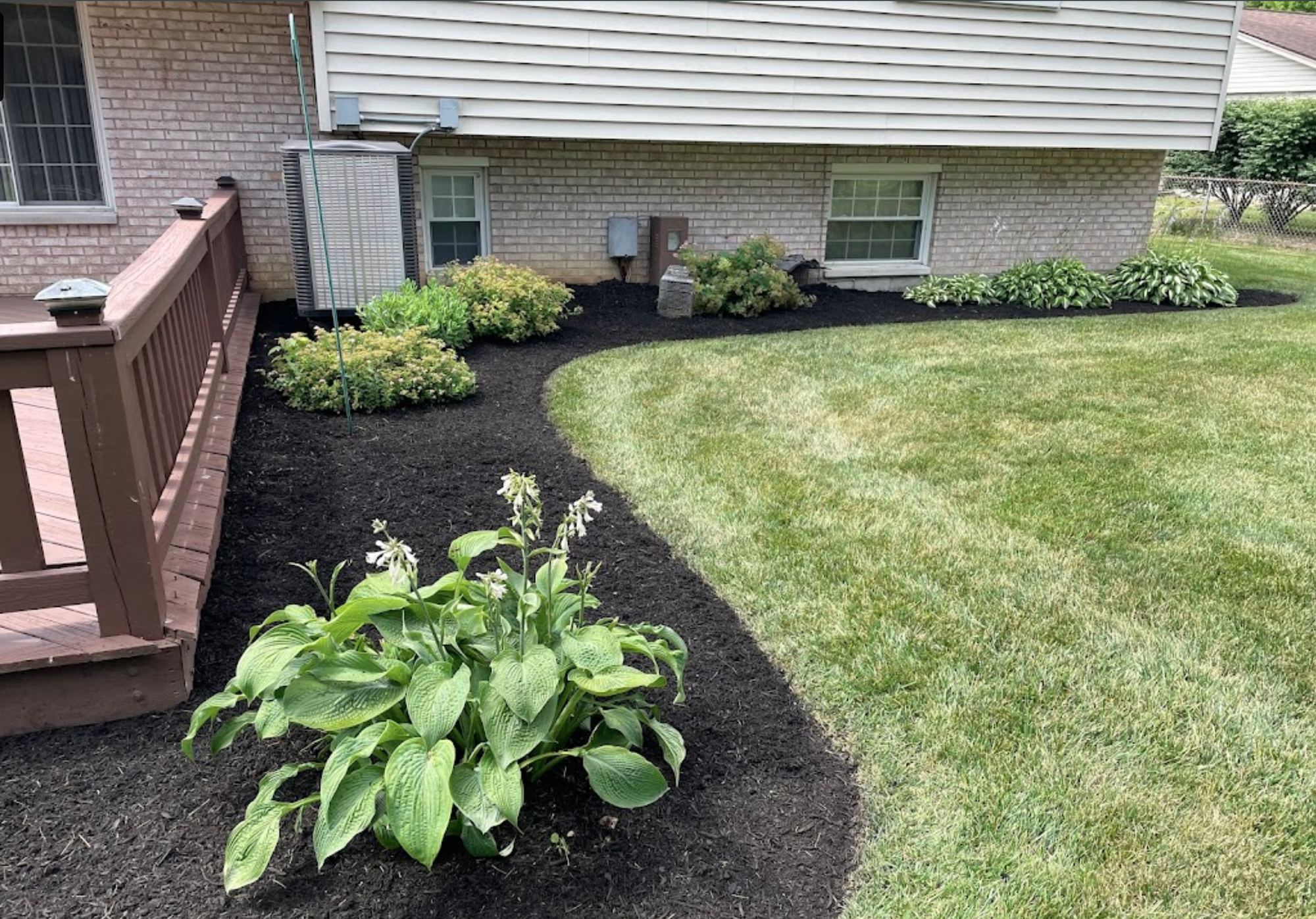
After
Best Mulch Choice for Parkersburg Lawns
Most yards in the Parkersburg area sit on Silt Clay type of soil. Parkersburg's silt clay soil drains slowly and compacts under the weight of foot traffic and repeated rain events, making it difficult for plant roots to spread and for water to move freely through the bed profile. Adding mulch on top creates a protective buffer that reduces surface compaction, moderates moisture levels, and keeps the soil from sealing over between rain events.
Hardwood Mulch
Hardwood mulch is particularly beneficial over Parkersburg's silt clay because as it decomposes it releases humic acids and organic matter that gradually loosen the clay's tight particle structure. Over two to three seasons of consistent mulch application and decomposition, homeowners regularly notice improved drainage and notably softer soil in their mulched beds compared to unmulched areas of the same yard.
Mulch Types We Deliver in Parkersburg
Getting the right mulch delivered by the cubic yard makes all the difference for West Virginia yards with humid summers and clay soils. We offer bulk mulch delivery in Parkersburg so homeowners and landscapers can cover large areas without hauling bags from a store. Whether you are refreshing beds around a classic brick home or mulching a hillside garden, we drop your order exactly where you need it.
Dyed Black Mulch
A bold choice that makes flower beds and foundation plantings stand out against the lush green backdrop of a West Virginia summer. Available in double shredded style, it holds its rich black color well through humid Ohio Valley weather. A great fit for homeowners who want striking contrast around brick or traditionally styled homes.
Dyed Brown Mulch
Warm brown double shredded mulch with lasting color that stays fresh through weeks of summer heat and humidity. It blends naturally with the earthy tones of mature hardwood trees and traditional home styles common in this part of the Ohio Valley. A popular choice for mixed beds and foundation plantings throughout the region.
Natural Brown Mulch
Undyed double shredded mulch with a warm, earthy tone that comes straight from the wood itself. A good fit for gardeners who want a natural look around native plantings, vegetable beds, or tree rings, with no added colorants. The smooth texture spreads well in the clay soils common throughout this part of West Virginia.
Complete Your Outdoor Mulch Project
Pair mulch with a quality topsoil or garden blend to amend Parkersburg's dense silt clay before planting new beds, and consider decorative stone for pathways or bed borders that hold up to the region's frequent rainfall without washing or shifting.
Before spreading mulch in spring, rake back any remaining material from last season and check your silt clay soil surface for compaction. Parkersburg's wet winters can pack the top inch of clay tight enough to restrict root growth and water infiltration. A light pass with a garden fork or broadfork before laying fresh mulch improves both water absorption and root penetration, giving your plants a noticeably better start through the zone 6b growing season.
Mulch Mound Pro Tip
Keep mulch pulled back 2 to 3 inches from the base of shrubs and tree trunks in your Parkersburg yard. The region's humid climate creates conditions where mulch piled against woody stems stays consistently moist, inviting fungal problems and insect pressure that can weaken plants over time. A volcano-style mulch pile against a young dogwood or arborvitae is one of the most common avoidable mistakes in local landscape maintenance.
Mulch Mound Pro Tip
Parkersburg receives roughly 42 inches of rain per year and much of it arrives in high-volume spring and summer storms that can move material quickly. Spread mulch so it forms a slightly concave surface in your beds rather than mounding toward the center. This subtle shaping directs rainfall inward toward plant roots rather than allowing it to sheet off the mulch surface and carry fine silt particles out of your beds and onto surrounding walkways.
Frequently Asked Questions
Click a question to see the answer
Answer
How deep should I apply mulch over Parkersburg's silt clay soil?
A 3-inch layer is the target depth for most Parkersburg beds. Silt clay holds moisture on its own but it also compacts and crusts when left bare, so 3 inches of mulch keeps the surface open, reduces evaporation during summer dry spells, and gives earthworms a stable environment to work through that dense topsoil. Going much deeper than 4 inches can hold too much moisture against crowns and roots in clay-heavy ground, so staying in that 3 to 4-inch range is the right balance here.
Answer
Will mulch help with the standing water I get in my yard after heavy spring rains?
Mulch will not fix a drainage problem on its own, but it does help within the beds themselves. Parkersburg averages 42 inches of rain per year and the silt clay underneath does not absorb water quickly, so mulch in your planting beds slows surface flow and gives the soil slightly more time to take in moisture before it runs off. For areas with true standing water you would want to pair mulch with a soil amendment or a gravel drainage layer beneath the bed to address the root cause.
Answer
When is the best time to mulch my beds here in Parkersburg?
The two most productive windows are early May after the average last frost on April 20 and again in late October just before or right after the first frost arrives around October 24. Mulching in early May locks in soil warmth that has been building since spring and suppresses the first heavy flush of weed seeds. Mulching in fall protects perennial roots and bulbs through the freeze and thaw cycles that Parkersburg typically sees from November through February.
Answer
Does natural hardwood mulch break down faster here than in other parts of the country?
Yes, it tends to decompose more quickly in Parkersburg. The combination of humid summers and consistent rainfall creates ideal conditions for microbial activity, and hardwood mulch in this climate can break down noticeably within a single growing season. That means you may need to top off beds each spring, but the upside is that decomposed hardwood mulch adds organic matter to Parkersburg's silt clay and gradually improves its structure over multiple seasons of consistent application.
Answer
I have young maple and oak trees in my yard planted in heavy clay. Does mulch actually help them?
It helps significantly. Young hardwoods in Parkersburg struggle with silt clay because it compacts around roots during wet winters and then bakes hard in summer. A mulch ring extended out to the drip line of each tree, kept about 2 to 3 inches deep and pulled a few inches back from the trunk itself, dramatically improves aeration around the root zone, moderates soil temperature swings, and reduces grass competition that silt clay tends to favor over tree roots.
Answer
Will dyed or colored mulch fade quickly given how much rain Parkersburg gets?
Dyed mulches do fade faster here than in drier climates because 42 inches of annual rainfall combined with regular summer sun bleach the colorant through the season. Most Parkersburg homeowners find that dyed mulch holds its color reasonably well for one full season before a refresh is needed. Natural hardwood mulch fades to a silvery gray over the same period, but if color retention is a priority, a premium double or triple-processed dyed mulch holds up noticeably longer than standard options.
Answer
How much mulch should I order for a typical Parkersburg front yard foundation bed?
Measure the length and width of your bed in feet and multiply to get square footage, then divide by 100 to estimate cubic yards needed for a 3-inch layer. A front foundation bed that is 4 feet deep and 30 feet long would need roughly 1.2 cubic yards for a proper 3-inch layer. Most Parkersburg homeowners find that ordering a full yard gives them a little extra to touch up high-traffic areas or spots where mulch migrates toward bed edges during heavy rain events.
The Unique Landscape of Parkersburg
Parkersburg's silt clay soil compacts easily under the region's 42 inches of annual rainfall, creating surface runoff that washes nutrients away from plant roots before they can absorb them. A proper layer of mulch slows that water down and gives it time to infiltrate rather than sheet off the dense clay surface. Zone 6b growing conditions mean Parkersburg gardens face a last frost around April 20 and a first frost around October 24, so mulch also acts as a critical insulating buffer for perennial roots during those shoulder season temperature swings. Summer heat baking down on bare silt clay can form a hard surface crust that blocks air exchange entirely, and mulch prevents that crusting while keeping soil temperatures more stable throughout the growing season. Maintaining healthy beds in Parkersburg is a season-long effort, and the right mulch depth makes the difference between weekly weeding and occasional spot maintenance.