About this stone

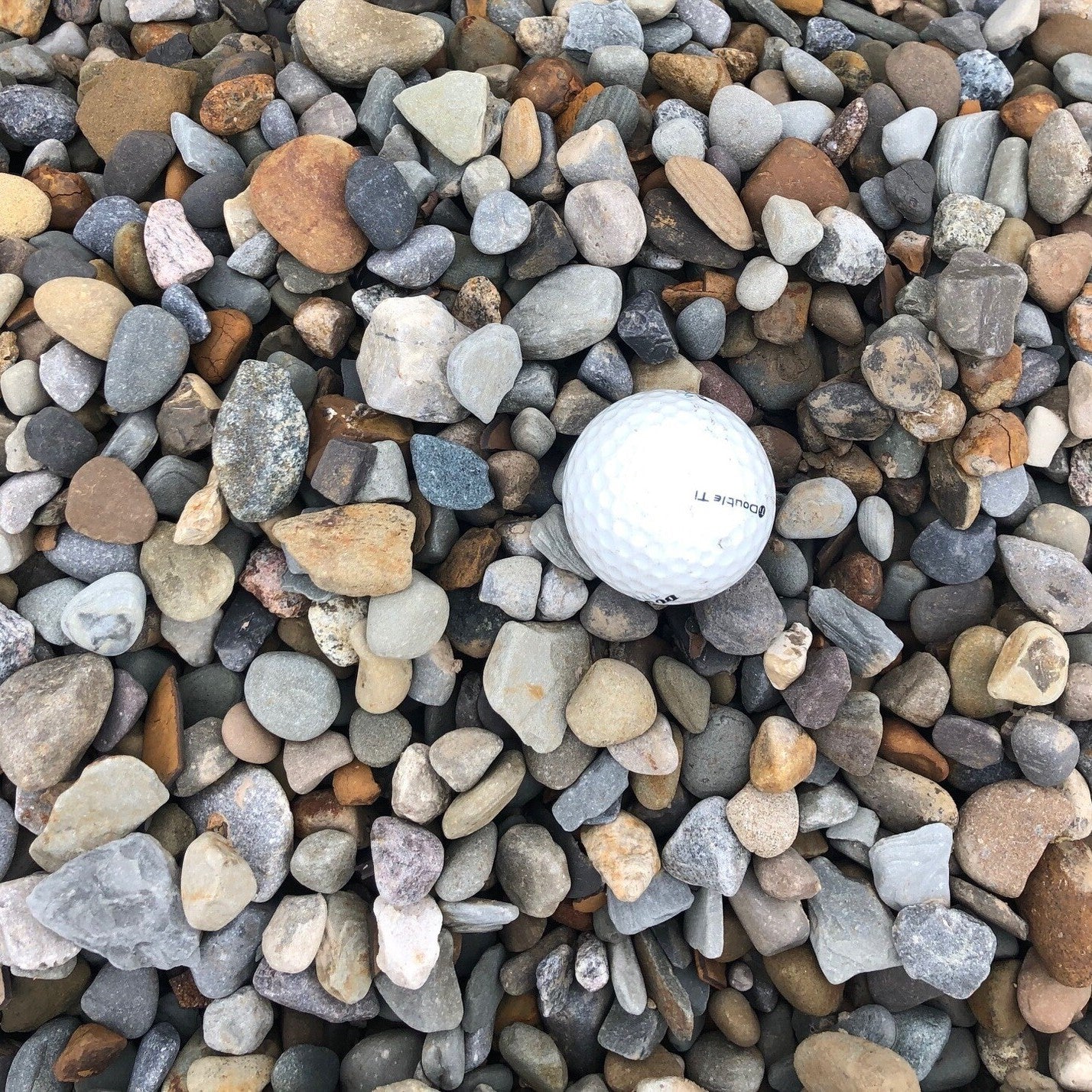
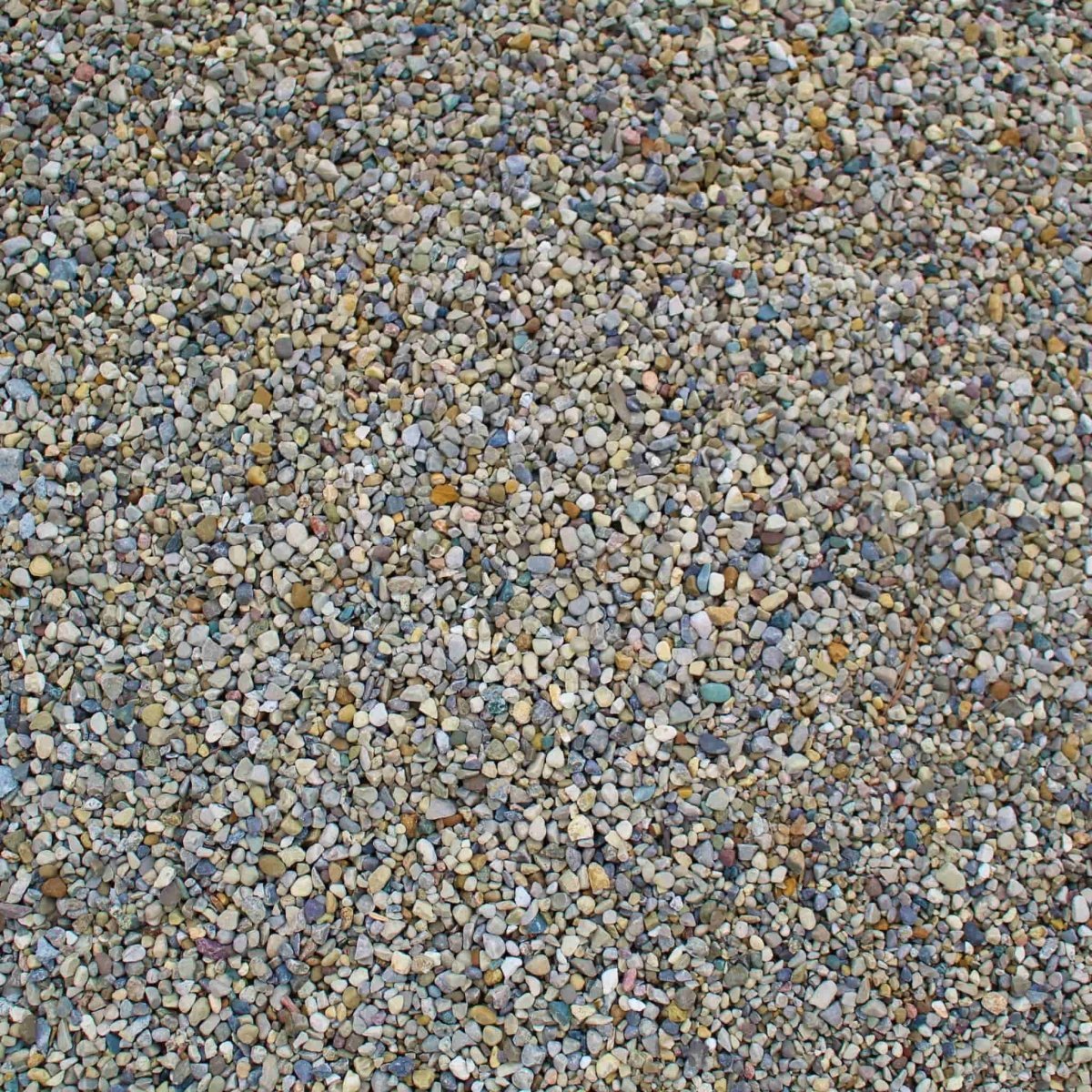
Classic pea gravel with smooth, rounded edges and natural earth tones. A versatile favorite for pathways, patios, drainage, and decorative ground cover.

Mulch Mound delivered a yard of pea gravel to us. Delivery was on time, driver was friendly and hit a bullseye on the “tarp target”. We used the pea gravel (which was diameter as specified) to fill several muskrat holes around our pond. I would definitely recommend Mulch Mo...

Parkersburg Stone Delivery

Parkersburg Stone Delivery

4.7
137 reviews
Regular price $87.00 per yard
Regular price Sale price $87.00
Sale Sold out
Type
Size
Minimum of 3
1 tree planted for every order

About this stone

Classic pea gravel with smooth, rounded edges and natural earth tones. A versatile favorite for pathways, patios, drainage, and decorative ground cover.

Mulch Mound delivered a yard of pea gravel to us. Delivery was on time, driver was friendly and hit a bullseye on the “tarp target”. We used the pea gravel (which was diameter as specified) to fill several muskrat holes around our pond. I would definitely recommend Mulch Mo...

For decorative stone beds and pathways in Parkersburg, a 3 to 4-inch layer is the practical minimum over silt clay to prevent stone from sinking into the soft surface over time. Drainage applications and slope erosion control typically call for deeper coverage, ranging from 4 to 6 inches depending on the slope grade and the volume of water that flows through the area.
Use our free stone calculator

A yard is approximately 27 cubic feet. As a general guideline, one yard of material can cover an area of about 100-160 square feet at a 2-3 inch depth.

View full details

How It Works

Getting started is easy — just follow these simple steps

1

Choose your stone

Make sure you adjust the quantity to your home's needs. You can use our calculator to estimate how much you'll need.

2

Select your delivery date

Select a delivery date you'd like for the product to be dropped off at your home

3

Sit back and wait

Sit back, wait, and let us work our magic to make sure the highest quality product is delivered to your driveway.

From The Mouths of Parkersburg Folks

4.7
out of 5 based on 137 reviews
Google Reviews

Need Help Calculating How Much Stone & Gravel You Need?

Use our NEW Trace from Satellite tool to get an estimate for your project based on an aerial view of your property

Try Our Calculator
📍

For stone coverage, multiply the length and width of your area in feet to get square footage, then divide by 100 for cubic yards at a 3-inch depth or by 65 for a generous 4 to 5-inch depth. Parkersburg's clay base does not compact stone downward as quickly as sandy soils do, so estimating on the generous side ensures your path or bed coverage stays consistent and visible after winter settling and spring thaw.

Complete Your Outdoor Stone Project

Pair stone drainage features with quality topsoil or fill to correct the surrounding grade and direct water toward your gravel areas rather than around them. Mulch in adjoining planting beds complements stone borders and keeps Parkersburg's fine silt clay particles from washing into your decorative stone over the course of the season.

Map of Parkersburg, West Virginia

Areas We Deliver Stone & Gravel in Parkersburg, West Virginia

No cities found for this region.

See All Locations
Mulch Mound Pro Tip

When installing stone pathways or patios over Parkersburg's silt clay, always lay a quality woven geotextile fabric between the native soil and your stone base layer. Silt clay particles migrate upward into gravel over time, especially during the wet winters when Parkersburg soil stays saturated for weeks at a stretch. The fabric separates the clay from the stone, keeps your gravel clean and free-draining, and significantly extends the useful life of the entire installation without adding much cost or labor.

Mulch Mound Pro Tip

For foundation stone borders around your Parkersburg home, use angular crushed stone rather than smooth round river rock. Angular material like crushed limestone or granite chips locks together and stays in place better during the heavy downpours that move across the Mid-Ohio Valley from spring through fall. Smooth river rock tends to scatter under high-velocity water impact, which can leave gaps in your foundation border and allow water to concentrate directly against the home's base where it causes the most damage.

Mulch Mound Pro Tip

If you are installing a gravel path or dry creek bed in Parkersburg, plan for the first full year of freeze and thaw cycles to shift and settle your surface material more than you might expect. Check your paths in late March or early April after the ground fully thaws and use a rake to redistribute any stone that has migrated toward edges or low spots. Keeping a small reserve of matching stone from your original order on hand makes spring touch-ups easy and keeps the installation looking consistent through multiple Parkersburg winters.

The Unique Landscape of Parkersburg

Parkersburg's silt clay soil and 42 inches of annual rainfall create a landscape environment where gravel and decorative stone serve functional purposes well beyond visual appeal. Stone pathways and drainage beds give water a structured place to move rather than sheeting across compacted clay surfaces or pooling in low areas near foundations. Zone 6b winters bring repeated freeze and thaw cycles from late October through March that heave and crack concrete and mortared pavers, making crushed stone and loose gravel a more durable and lower-maintenance hard surface option for Parkersburg homeowners. Decorative stone around foundation borders also keeps mulch and soil from washing against a home's structure during the heavy rainstorms that are common across the Mid-Ohio Valley from spring through early fall. Whether used for drainage, pathways, decorative beds, or erosion control on slopes, stone materials hold up to Parkersburg's climate with minimal upkeep compared to organic landscape materials that break down season after season.

Frequently Asked Questions

Click a question to see the answer

Answer

What kind of stone works best for drainage in a Parkersburg yard with clay soil?

Clean crushed stone in a 3/4-inch or number 57 size is the standard choice for drainage applications over silt clay in Parkersburg. The angular edges lock together while allowing water to move freely through the void spaces, which is critical because the dense clay beneath does not absorb water quickly on its own. For a French drain or drainage trench, this size stone placed around a perforated pipe gives you the best flow rate during the intense spring rainstorms that move regularly across the Parkersburg area.

Answer

Will decorative stone wash away from my beds during the heavy rains we get here?

Larger stone sizes such as river jack or 1.5 to 2-inch decorative gravel resist washing on level or gently sloped beds quite well. Smaller pea gravel can migrate during intense rainfall events that are common in Parkersburg from April through August, particularly in beds without firm edging. Installing a clean border around stone beds helps keep material in place, and on any slope steeper than about 5 degrees, stepping up to a larger stone size is the practical and lasting solution.

Answer

How deep should I lay gravel for a walking path in my Parkersburg yard?

A 3 to 4-inch layer of compacted gravel over a properly prepared base is the recommended depth for residential pathways in Parkersburg. Because the native silt clay shifts during freeze and thaw cycles between late October and March, it is worth installing a 2 to 3-inch base of compacted crusher run or dense-grade aggregate first and then topping with your decorative gravel. That base layer keeps the path surface stable through winter and prevents the sinking and rutting that occurs when gravel is laid directly over soft clay.

Answer

Can I use stone instead of wood mulch around my trees and shrubs in Parkersburg?

Stone can work around established trees and large shrubs but it has meaningful trade-offs in Parkersburg's climate. Rock holds heat in summer and can raise soil temperatures around shallow-rooted plants during July and August in a zone 6b environment. Stone also adds no organic matter to Parkersburg's silt clay the way decomposing hardwood mulch does, so beds maintained exclusively with stone will remain structurally poor over many years. For most homeowners, stone works best as a border accent or in no-plant areas rather than as a full replacement for organic mulch under trees and shrubs.

Answer

I have a slope in my backyard that erodes and washes out every spring. What stone should I use?

Rip rap, which is large angular stone ranging from 4 to 12 inches in size, is the most effective choice for controlling erosion on steep slopes in Parkersburg. The weight and angular shape resist displacement during high-volume runoff that occurs after heavy spring rains on clay-heavy ground. For gentler slopes, a 2 to 3-inch layer of 1.5 to 2-inch decorative stone over landscape fabric provides both erosion control and a clean finished appearance that holds up season after season.

Answer

How much stone do I need for a gravel driveway apron or parking pad near my home?

For a typical driveway apron or parking pad in Parkersburg, plan on 4 to 6 inches of compacted crusher run as the base topped with 2 to 3 inches of surface stone. Measure the length and width of the area in feet, multiply together, and divide by 100 to estimate cubic yards at a 3-inch depth. Because Parkersburg's silt clay shifts with winter frost pressure, a thicker base layer reduces long-term surface migration and keeps the apron level through multiple freeze and thaw seasons.

Answer

Will stone help with the mud problem I have near my downspouts in wet weather?

Stone is one of the most effective solutions for muddy discharge areas around downspouts in Parkersburg. A splash pad or dry creek bed made from river rock or 1.5-inch decorative stone placed where downspout water exits absorbs the impact, slows the flow, and eliminates the muddy scour that bare silt clay develops almost immediately. Extending the stone-covered area 4 to 6 feet in the direction water flows handles the discharge from even the heavy rainstorms that are common in Parkersburg from spring through early fall.
