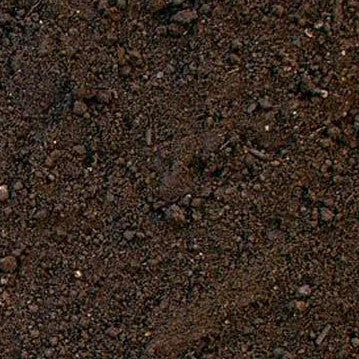
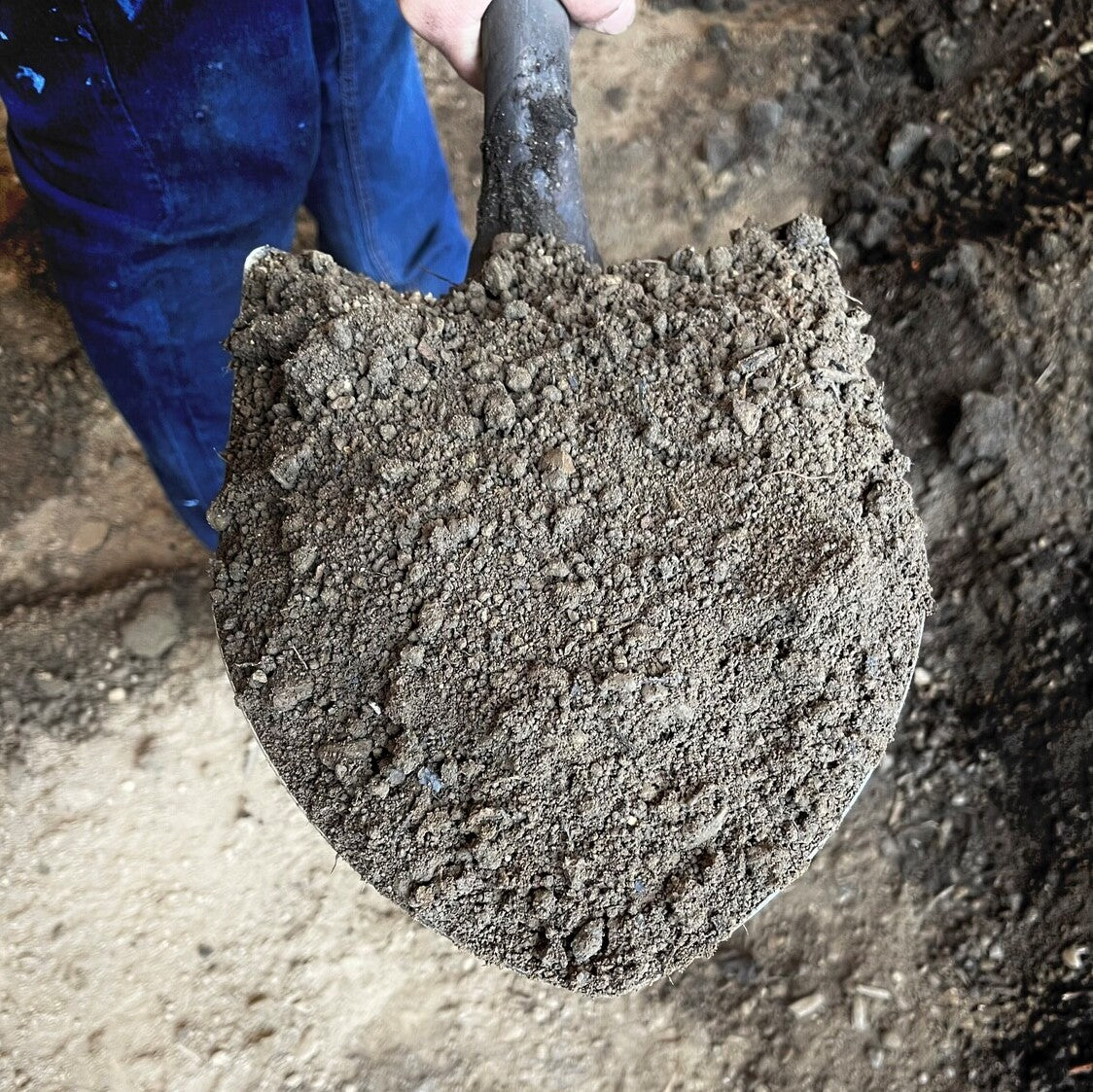
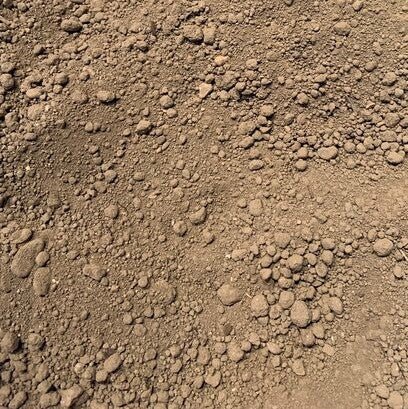
About this soil

Quality topsoil for lawns, gardens, and landscape projects. Nutrient rich and ready to support strong root development and healthy plant establishment.

Ordered Dirt. Received Dirt. Would Buy Again.

Parkersburg Soil Delivery

Parkersburg Soil Delivery

4.7
137 reviews
Regular price $55.00 per yard
Regular price Sale price $55.00
Sale Sold out
Type
Style
Minimum of 3
1 tree planted for every order

About this soil

Quality topsoil for lawns, gardens, and landscape projects. Nutrient rich and ready to support strong root development and healthy plant establishment.

Ordered Dirt. Received Dirt. Would Buy Again.

For new garden beds in Parkersburg, plan on 8 to 12 inches of quality soil to give roots room to develop above the native silt clay layer. For lawn leveling and topdressing, 1 to 2 inches is typically sufficient for most minor grading corrections in the Mid-Ohio Valley area.
Use our free soil calculator

A yard is approximately 27 cubic feet. As a general guideline, one yard of material can cover an area of about 100-160 square feet at a 2-3 inch depth.

View full details

How It Works

Getting started is easy — just follow these simple steps

1

Choose your soil

Make sure you adjust the quantity to your home's needs. You can use our calculator to estimate how much you'll need.

2

Select your delivery date

Select a delivery date you'd like for the product to be dropped off at your home

3

Sit back and wait

Sit back, wait, and let us work our magic to make sure the highest quality product is delivered to your driveway.

What Parkersburg Customers Like About Our Soil

4.7
out of 5 based on 137 reviews
Google Reviews

Need Help Calculating How Much Soil You Need?

Use our NEW Trace from Satellite tool to get an estimate for your project based on an aerial view of your property

Try Our Calculator
📍

To calculate soil needs for a garden bed in Parkersburg, multiply the length times the width of the area in feet, then multiply by the desired depth in feet, and divide by 27 to convert to cubic yards. Because Parkersburg's silt clay tends to cause new soil to settle noticeably over the first wet season, adding 10 to 15 percent to your calculated volume ensures your beds and lawn areas hold their intended grade through winter.

Complete Your Outdoor Soil Project

After establishing your soil grade and garden beds, add mulch to protect the surface from Parkersburg's heavy rainfall and reduce the rapid moisture loss that bare silt clay experiences during summer heat. Stone borders and edging materials also help contain new soil beds and prevent washout during the intense rain events that are common to the region.

Map of Parkersburg, West Virginia

Areas We Deliver Soil in Parkersburg, West Virginia

No cities found for this region.

See All Locations

Frequently Asked Questions

Click a question to see the answer

Answer

My Parkersburg yard has low spots that hold water after every rain. Can topsoil fix that?

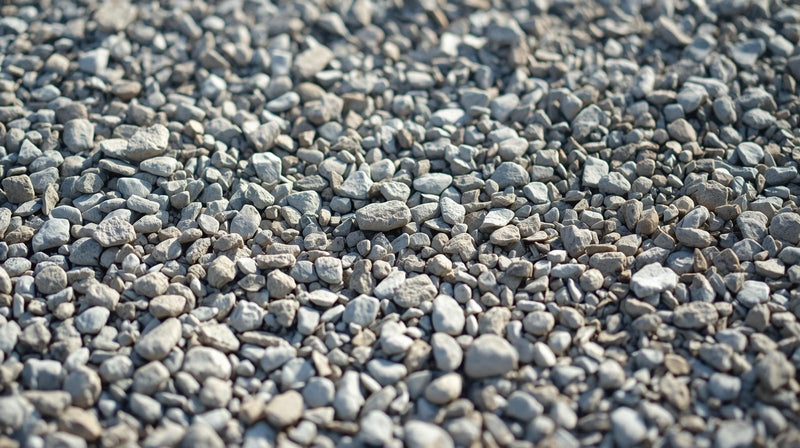
Topsoil can address minor grading issues that cause water to pool in your yard. Parkersburg's silt clay base drains slowly on its own, so filling low spots with a quality topsoil blend and grading the surface to direct flow away from the house can eliminate many of the wet patches that form after spring and summer storms. For more severe drainage problems, pairing topsoil grading with a gravel sub-base or a French drain installation gives you better long-term results than soil alone.

Answer

What kind of soil should I use for raised vegetable beds in Parkersburg?

A blended garden mix that combines topsoil, compost, and a small amount of coarse organic material works best for raised beds in Parkersburg. The native silt clay is too dense and poorly drained to use directly in a raised bed and will compact noticeably within a single season. A lighter, looser blend supports the kind of root development that vegetables need during Parkersburg's zone 6b growing season, and it drains freely so that the region's heavy spring rains do not drown shallow-rooted crops or saturate root systems.

Answer

How much topsoil do I need to level out uneven lawn areas in Parkersburg?

For lawn leveling in Parkersburg, a 1 to 2-inch topdressing is usually enough for minor low spots and uneven areas. Measure the square footage of the area and divide by 162 to get the cubic yards needed for a 2-inch layer. Keep in mind that silt clay soils tend to settle more than sandy soils do, so ordering a bit extra to account for settling over Parkersburg's wet winters is a practical approach that keeps your grade looking right after the first season.

Answer

Will adding topsoil actually improve my heavy clay soil in Parkersburg over time?

It depends on how it is applied. Tilling quality topsoil or compost-rich soil into the top 6 to 8 inches of your native silt clay breaks up the dense profile and introduces organic matter that helps the clay drain and breathe better over time. Simply laying topsoil on top of untilled clay without mixing can create a layered profile that actually traps water at the interface between the two materials. The best results in Parkersburg come from tilling amendments into the existing soil rather than just surfacing them.

Answer

Can I use bulk soil to build up the grade around my foundation?

Yes, but the grading direction matters more than the soil type itself. The goal around a Parkersburg home's foundation is to slope the soil away from the house at roughly 6 inches of drop over the first 10 feet. Using a dense fill or topsoil blend packed firmly against the foundation creates that positive slope. Avoid using loose, highly organic material close to the foundation because it retains moisture against the structure and breaks down more quickly than a firmer fill.

Answer

When is the best time to do major soil work in my Parkersburg yard?

Late April through early June and again in late August through September are the best windows for soil work in Parkersburg. Working the soil when it is saturated from winter and early spring rains, which is typical from January through March here, destroys the structure of silt clay and makes compaction significantly worse. Waiting until the soil has dried enough to crumble rather than smear gives you a much better working surface and far better results from any amendment or grading project.

Answer

I want to start a garden bed from scratch in my backyard. How deep should I go with new soil?

For a new in-ground garden bed in Parkersburg, aim for at least 8 to 12 inches of quality soil depth. That gives most annual vegetables and perennial flowers enough loose material to root freely before hitting the silt clay layer beneath. If you are building a raised bed on top of your existing yard, 10 to 12 inches of a blended garden mix placed over a layer of cardboard or landscape fabric will give you a highly productive bed starting in the very first season.

Mulch Mound Pro Tip

If you are tilling new topsoil into Parkersburg's native silt clay, avoid working the soil when it is wet. Silt clay that is worked when saturated smears rather than breaks, creating dense clods that dry into hard chunks and set back the entire project. Wait until the soil passes the squeeze test: grab a handful, squeeze it, and if it crumbles when you open your fist it is dry enough to work. In Parkersburg this window typically arrives in late April or early May most years.

Mulch Mound Pro Tip

When filling raised beds in Parkersburg, line the bottom with several layers of overlapping cardboard before adding your soil blend. The cardboard suppresses the native grass and weeds below, decomposes within one to two seasons, and allows earthworms to migrate upward from the clay subsoil into your new bed material over time. This approach is especially useful in Parkersburg where cutting through sod over compacted clay is physically demanding and time consuming.

Mulch Mound Pro Tip

New soil placed in Parkersburg yards will settle more than expected during the first winter because of the region's consistent rainfall and repeated freeze and thaw cycles between November and March. When grading around foundations or filling low spots, crown the new soil slightly higher than your target finished grade. That extra inch or two accounts for natural settling and keeps your drainage slopes working correctly after the ground fully thaws in late March or early April.

The Unique Landscape of Parkersburg

Parkersburg sits on a foundation of silt clay that is notorious for poor drainage, surface compaction, and low organic matter content, making it one of the more challenging native soils for gardening in the Mid-Ohio Valley region. Even established lawns struggle in areas where the clay has been compressed by construction equipment or repeated foot traffic, showing thin turf and slow recovery after summer dry periods. Zone 6b growing conditions give Parkersburg gardeners a frost-free window from late April through mid-October, but that window is wasted if plants are sitting in dense, poorly structured native soil with nowhere for roots to go. Bringing in quality topsoil or a blended garden soil allows homeowners to build productive raised beds, level uneven lawn areas, and fill the low spots that collect standing water after Parkersburg's frequent spring rains. Good imported soil also gives new landscape plantings the loose, nutrient-rich start they need before roots eventually push down into the native clay below.