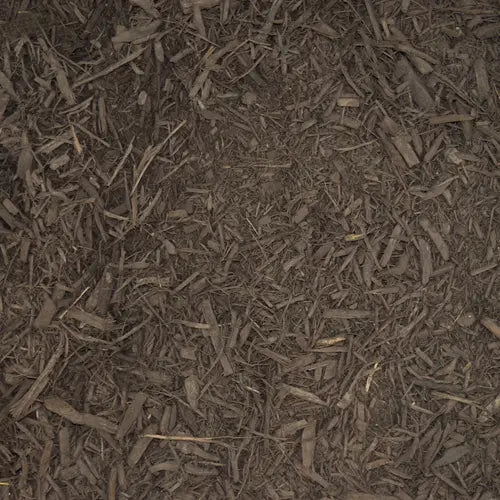
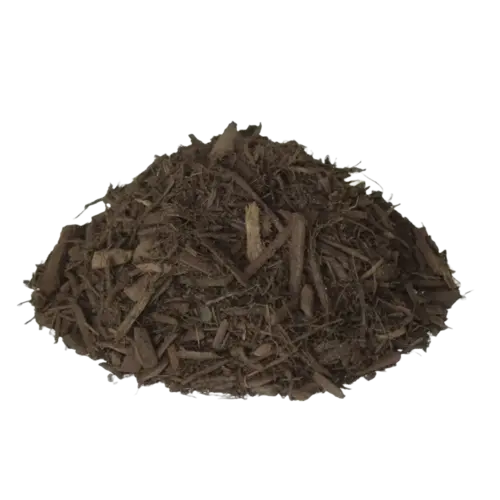
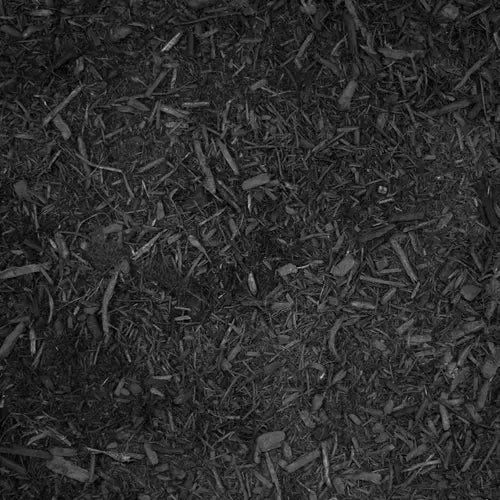
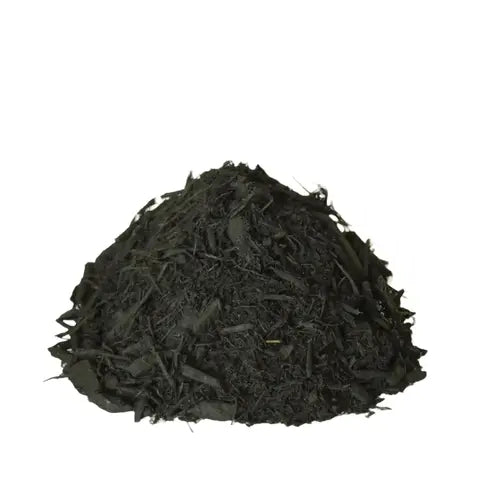
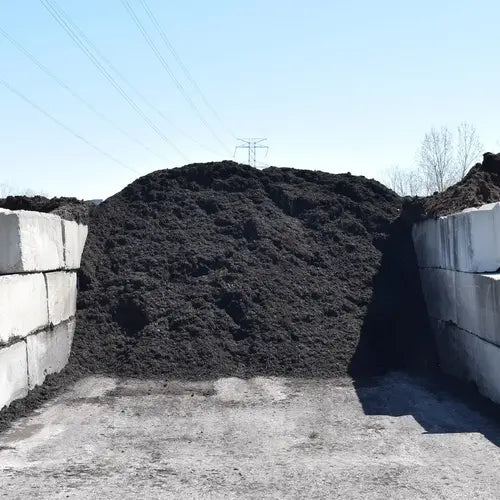
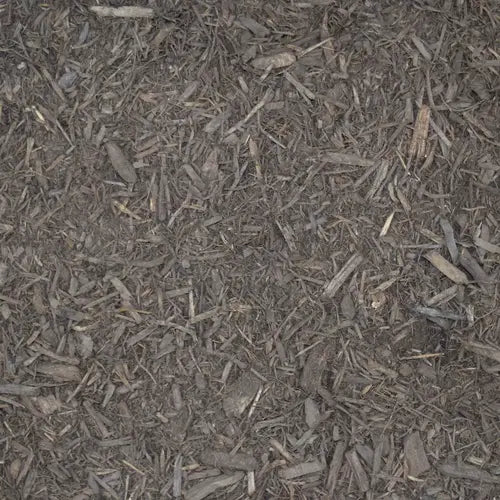
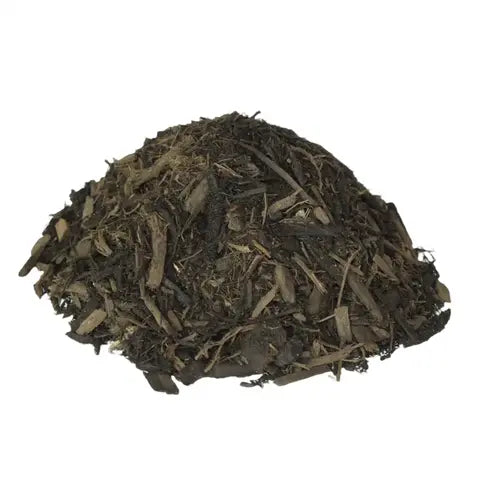
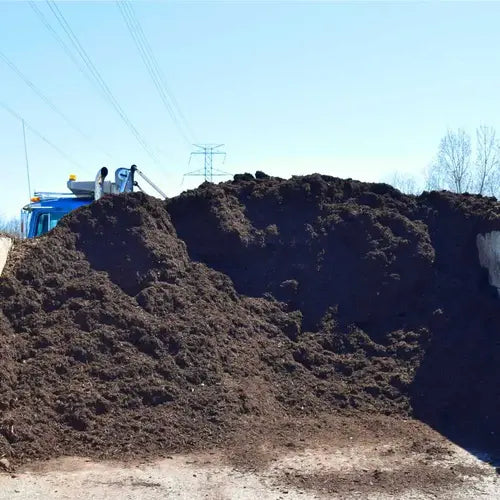
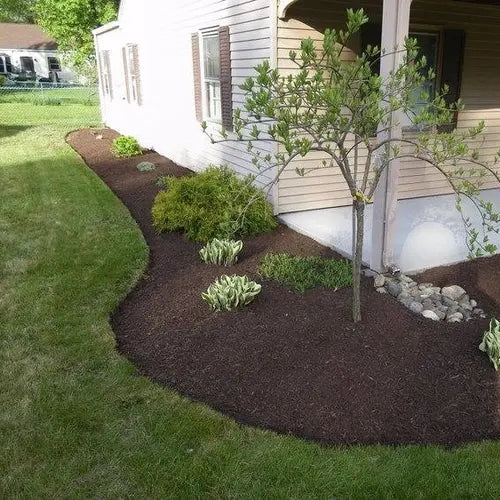
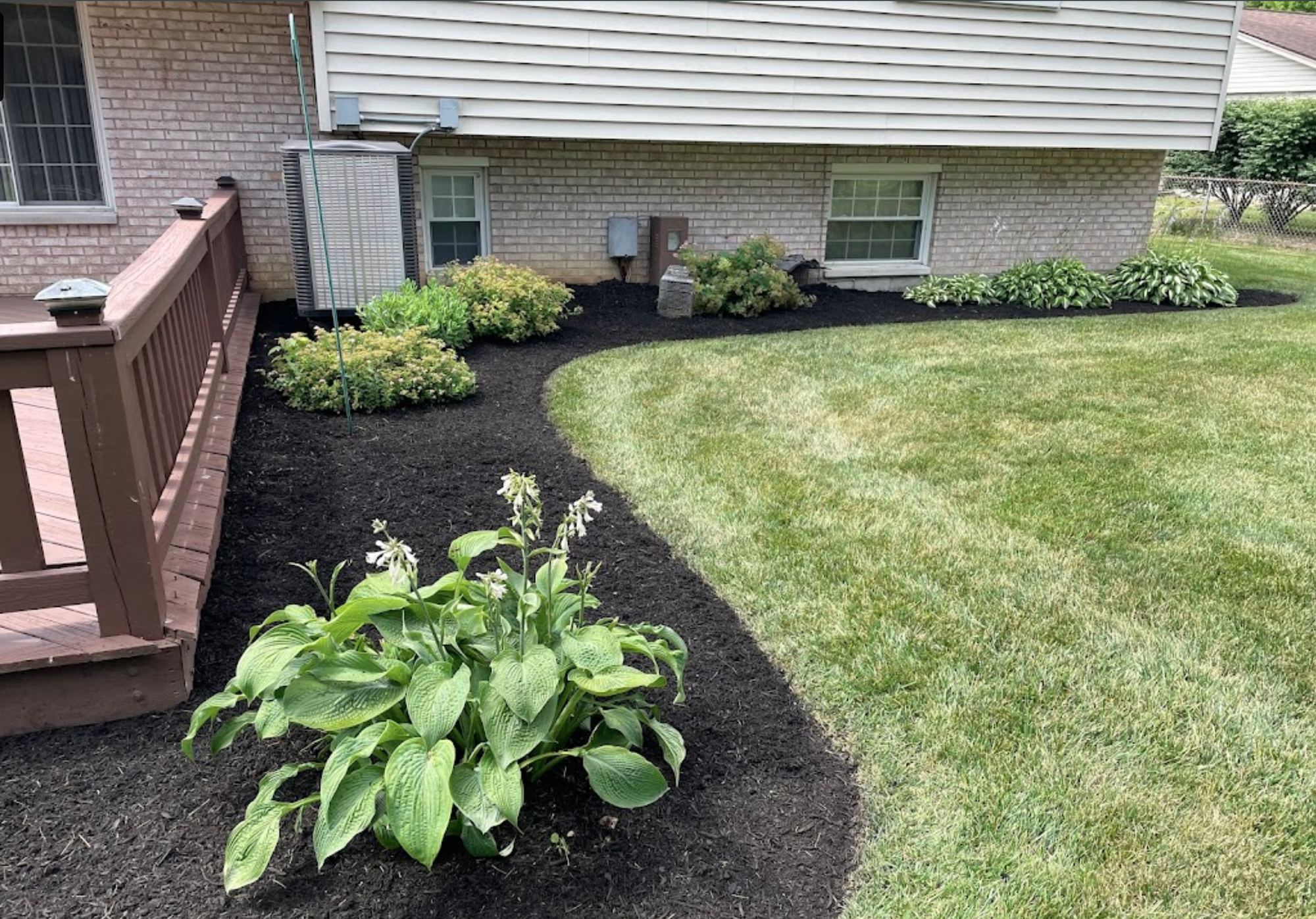
Warm brown double shredded mulch with lasting color that looks freshly applied for weeks. Spreads smooth, stays put, and gives beds a natural, polished appearance.
Delivery was on time and great quality Mulch. Got it done in a reasonable time and yard looks great. Couldn’t be happier!!! Thank you and will use again!!
Tell us what you're looking for
Thanks! We received your request.
Something went wrong. Please try again.
How Much Material Do I Need?
For Parkland's fast-draining sandy soil, apply mulch at a depth of 3 inches across planting beds to provide meaningful moisture retention and weed suppression. Thinner applications tend to break down and shift too quickly in South Florida's summer heat and during heavy rain events.
Use our free mulch calculator
What is a yard?
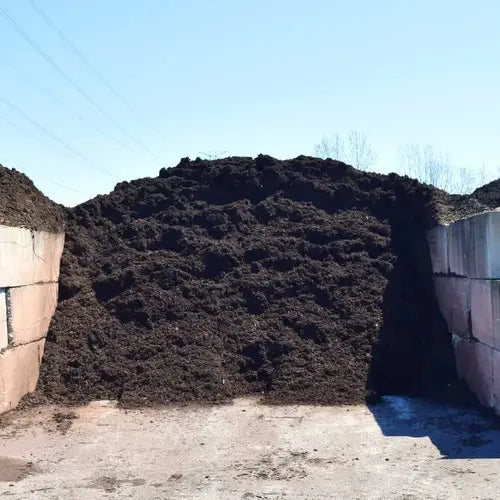
A yard is approximately 27 cubic feet. As a general guideline, one yard of material can cover an area of about 100-160 square feet at a 2-3 inch depth.
We can't take orders for this right now. Tell us what you need and we'll get back to you.
What do you need?
Thanks! We received your request.
Something went wrong. Please try again.
Hand-picked local yards
4,000+ regional deliveries
Dedicated support
Why order through Mulch Mound
The best local mulch, without the guesswork.
We hand-pick and partner with the best yards in your region, keep only the ones our buyers rate well, and back each load with our guarantee.
Mulch Mound Guarantee
If your mulch isn't the quantity or quality you ordered, we'll make it right.
About this mulch
Warm brown double shredded mulch with lasting color that looks freshly applied for weeks. Spreads smooth, stays put, and gives beds a natural, polished appearance.
Delivery was on time and great quality Mulch. Got it done in a reasonable time and yard looks great. Couldn’t be happier!!! Thank you and will use again!!
How Much Material Do I Need?
For Parkland's fast-draining sandy soil, apply mulch at a depth of 3 inches across planting beds to provide meaningful moisture retention and weed suppression. Thinner applications tend to break down and shift too quickly in South Florida's summer heat and during heavy rain events.
Use our free mulch calculator
What is a yard?
A yard is approximately 27 cubic feet. As a general guideline, one yard of material can cover an area of about 100-160 square feet at a 2-3 inch depth.
Delivery was on time and great quality Mulch. Got it done in a reasonable time and yard looks great. Couldn’t be happier!!! Thank you and will us...
Read full review
Delivery was on time and great quality Mulch. Got it done in a reasonable time and yard looks great. Couldn’t be happier!!! Thank you and will use again!!
Mulch Mound delivered a yard of pea gravel to us. Delivery was on time, driver was friendly and hit a bullseye on the “tarp target”. We used the ...
Read full review
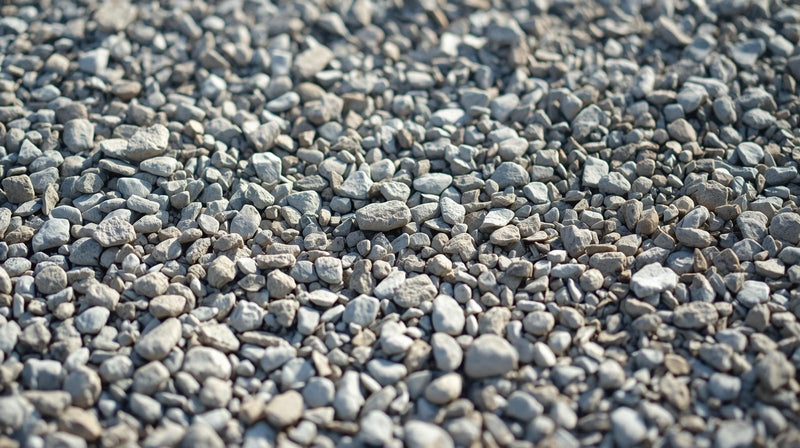
Mulch Mound delivered a yard of pea gravel to us. Delivery was on time, driver was friendly and hit a bullseye on the “tarp target”. We used the pea gravel (which was diameter as specified) to fill several muskrat holes around our pond. I would definitely recommend Mulch Mound to a friend!
I can’t say enough good things about Mulch Mound! If you read my review below you will see I had a problem with my order. Mulch Mou...
Read full review
UPDATE!
I can’t say enough good things about Mulch Mound! If you read my review below you will see I had a problem with my order. Mulch Mound was quick to respond and solved the issue with my delivery. Will definitely be a customer next year.
First time purchase from Mulch Mound!! First what I liked! Easy to order online and straight forward pricing and delivery. The driver was on time and courteous and delivered my Mulch exactly where I requested! The product is of good quality and comparable to others I have purchased from before. Now what I DID’NT LIKE! I have been mulching the same house and yard for almost 20 years. I always order the same amount and don’t have any issues with covering the same area but this year I fell about a yard short. I was home when the mulch was delivered and when the driver dumped it I noticed that it seemed a bit less than I was used to. I didn’t apply it any thicker than usual and probably a bit thinner than usual because I was worried about running out.
To estimate how much mulch you need, measure the length and width of each bed in feet, multiply those together, and divide by 12 to get cubic yards at a 3-inch depth. In Parkland, where sandy soil is the norm, erring slightly on the generous side with coverage helps extend the time between waterings during the dry season from November through May.
Mulch vs. No Mulch: The Difference
Parkland's Zone 10b heat and humidity accelerate the breakdown of all organic mulches, but natural and dyed varieties behave differently in this climate. Natural hardwood mulch decomposes into the sandy soil over one to two seasons, adding organic matter that this nutrient-light soil type sorely needs. Dyed mulch holds its color longer through the sunny dry season but offers the same functional benefits, making the choice largely one of aesthetic preference versus long-term soil-building priority.
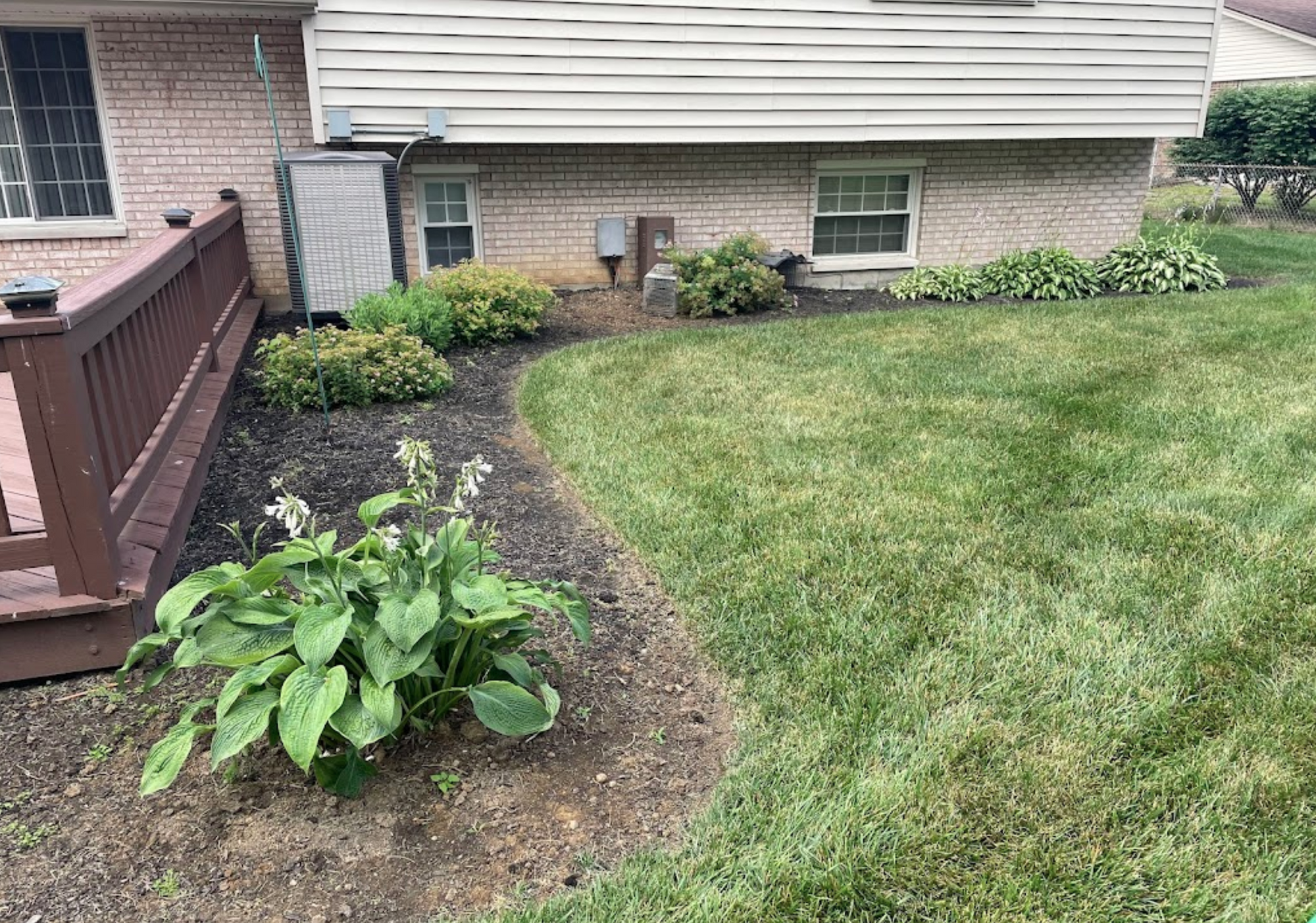
Before
After
Best Mulch Choice for Parkland Lawns
Most yards in the Parkland area sit on Sandy type of soil. Parkland's sandy soil contains very little organic matter naturally, which means plant beds lack the structure and nutrient-holding capacity that most ornamental plants and tropical species need to thrive.
Hardwood Mulch
Hardwood mulch decomposes steadily in Parkland's warm, moist conditions and feeds organic matter directly into the sandy soil below, gradually improving its texture, water retention, and nutrient content over multiple growing seasons.
Mulch Types We Deliver in Parkland
Parkland homeowners and landscapers count on us for bulk mulch delivery by the cubic yard, straight to their driveways or job sites. Whether you are refreshing a few garden beds or covering a full property, ordering in bulk saves time and keeps your landscape looking sharp through the warm, humid months ahead.
Dyed Brown Mulch
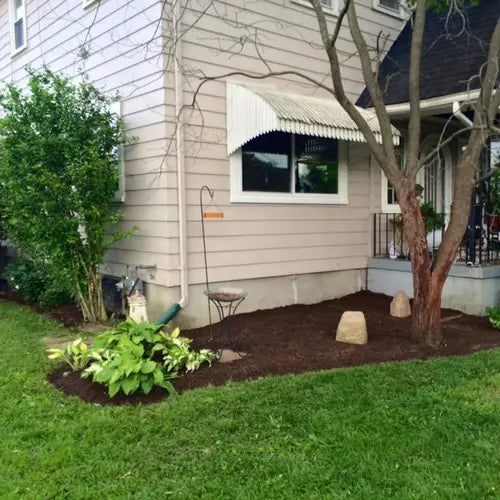
Warm and inviting, dyed brown double shredded mulch is a popular choice for the tropical landscape style common throughout this part of South Florida. The color stays vibrant through summer heat and afternoon rains, and the smooth texture spreads evenly over sandy soil, giving garden beds a natural, polished look that suits almost any planting.
Dyed Black Mulch
Bold and striking, dyed black double shredded mulch creates sharp contrast against the lush green plantings and pale exterior finishes common on homes throughout this corner of South Florida. The rich color stands up to intense sun and heavy summer rains, and the smooth, even texture makes spreading across wide landscape beds quick and simple.
Natural Brown Mulch
Natural brown double shredded mulch brings an honest, earthy tone to beds without any added dyes. It pairs well with the native plantings and open green spaces common in this part of South Florida, and its smooth texture settles into sandy soil to help hold moisture through the warm dry season.
Complete Your Outdoor Mulch Project
Pair your mulch order with a quality topsoil or garden mix to amend Parkland's nutrient-poor sandy soil before laying down mulch, and consider a border of decorative stone to frame beds and keep mulch contained during the heavy downpours of the summer rainy season.
In Parkland's sandy landscape, mulch does its best work when it is applied over a weed barrier fabric in high-traffic garden beds. The fabric blocks weed seeds that blow in constantly during South Florida's windy spring months, while the mulch on top holds the fabric down and adds the moisture-retention and visual benefits you are after. This combination extends the effective life of both products significantly in Zone 10b's aggressive growing conditions.
Mulch Mound Pro Tip
Parkland's mild winters mean most ornamental plants never go fully dormant, so mulching around the root zone provides steady benefits all year rather than just seasonal protection. Focus on consistent depth rather than seasonal timing. A uniform 3-inch layer maintained through the year is more effective than periodic heavy applications that can suffocate the shallow roots common in sandy soil profiles.
Mulch Mound Pro Tip
With 62 inches of rain falling annually in Parkland, mostly concentrated between June and October, mulch placement near drainage paths matters. Avoid piling mulch in low spots where water pools after storms, as saturated mulch loses its structure quickly and can wash into lawns or storm drains. Slightly crown the surface of mulched beds so water sheds toward the edges rather than sitting in the center.
Frequently Asked Questions
Click a question to see the answer
Answer
How often should I reapply mulch in Parkland given our hot, wet summers?
Because Parkland sits in Zone 10b with nearly year-round heat and 62 inches of annual rainfall, organic mulch breaks down significantly faster than it would in northern climates. Most homeowners find they need to top off beds once or twice a year, typically before the rainy season starts in June and again in late fall to freshen the look and restore depth.
Answer
Will mulch actually help with moisture retention in sandy soil, or does water just drain right through anyway?
Sandy soil drains quickly, but a 3-inch layer of mulch on top acts as a sponge and evaporation barrier rather than a drainage fix. It slows surface evaporation dramatically, giving your plant roots more time to take up the moisture that does fall. Without mulch, Parkland's intense summer sun can dry out the top few inches of sandy soil within hours of a rainstorm.
Answer
Does mulch color fade faster here because of the Florida sun?
Yes, UV intensity in South Florida is significantly higher than in most of the country, and dyed mulch can begin to fade within a few months when exposed to direct sunlight. Natural hardwood mulch transitions to a silver-gray over time, which many Parkland homeowners actually prefer for a neutral, natural look. If color retention matters to you, dyed mulch refreshed once a year is a practical solution.
Answer
Can I use mulch around my palms and tropical plants in my Parkland yard?
Absolutely, and mulching around palms is especially beneficial in Parkland's sandy soil because it helps retain moisture and keeps the root zone cooler during peak summer heat. Keep the mulch a few inches away from the trunk itself to prevent moisture buildup against the bark, and spread it out toward the drip line for the best results.
Answer
Is there a wrong time of year to put down mulch in Parkland?
Not really, since Parkland's climate is mild enough for mulching any month of the year. That said, many homeowners prefer to apply a fresh layer just before the summer rainy season, around late May, so the beds are protected and looking their best when growth accelerates. You can also apply in late winter if you want to refresh the look after the dry season.
Answer
How deep should I apply mulch over sandy soil in my Parkland beds?
For Parkland's sandy soil, a depth of 3 inches is the sweet spot. Any shallower and the mulch dries out too quickly, any deeper and you risk creating low-oxygen conditions near the roots. Pull the mulch back slightly from plant stems and tree trunks to allow for airflow and to prevent rot in Parkland's persistently humid conditions.
Answer
Will mulch attract termites near my house in South Florida?
This is a common concern in South Florida, and the key is placement. Keep mulch at least 6 to 12 inches away from your home's foundation and any wood structures. Termites are attracted to moisture as much as wood, so maintaining that dry buffer zone around your foundation is important in Parkland's humid climate. Inorganic stone used near the foundation is a practical alternative if you are particularly concerned.
The Unique Landscape of Parkland
Parkland's sandy soil drains so quickly that plant beds can dry out within a day or two after rainfall, even with the city's generous 62 inches of annual rain. Mulch acts as a critical buffer layer, slowing evaporation and giving roots time to absorb moisture before it disappears into the ground. In Zone 10b, where the growing season never truly stops, organic mulch also breaks down faster than it would in cooler climates, meaning you get the added benefit of steady nutrient release directly into the root zone. Because Parkland rarely sees frost, with the freeze window essentially limited to a brief period around January 20, temperature protection is less of a priority than weed suppression and moisture management. Covering beds with a consistent layer of mulch reduces the explosive weed growth that thrives in South Florida's warm, humid conditions year-round.