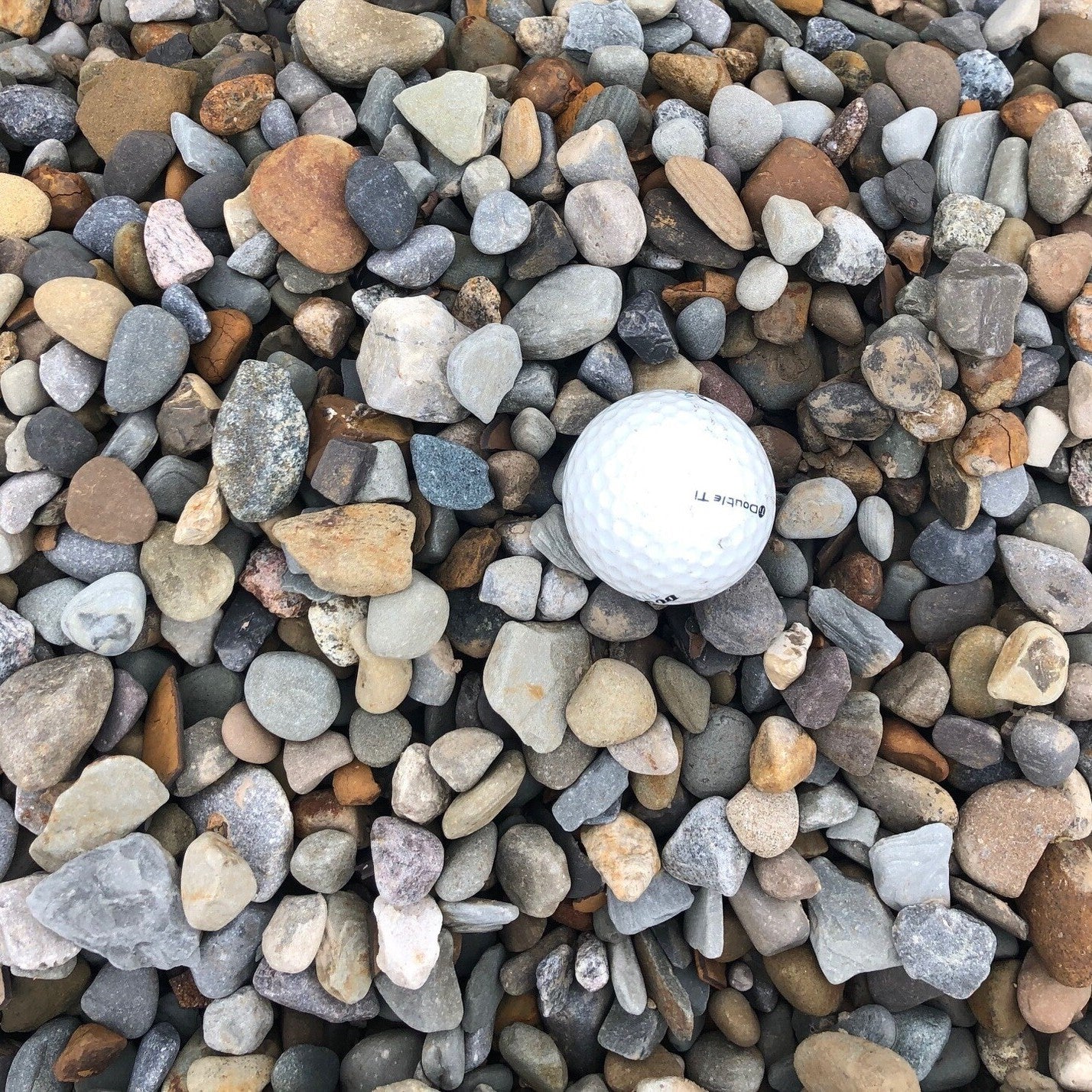
Number 57 crushed stone, angular limestone graded to about three quarters of an inch. The standard driveway, base and drainage gravel, it locks together under traffic and drains fast.
My experience with Mulch Mound was great and super easy. I ordered two yards of screened topsoil and was able to get it delivered within 2 days. They came in my requested time frame (afternoon) and dropped it off where I asked on my driveway. The topsoil was exactly what was a...
Tell us what you're looking for
Thanks! We received your request.
Something went wrong. Please try again.
How Much Material Do I Need?
For pathway and decorative applications in Parkland, apply stone at a minimum depth of 2 to 3 inches over landscape fabric to prevent it from disappearing into the sandy soil below. Drainage applications like swales and French drains typically require 4 to 6 inches of clean stone to move water effectively during the heavy storms of the summer rainy season.
Use our free gravel calculator
What is a yard?
A yard is approximately 27 cubic feet. As a general guideline, one yard of material can cover an area of about 100-160 square feet at a 2-3 inch depth.
We can't take orders for this right now. Tell us what you need and we'll get back to you.
What do you need?
Thanks! We received your request.
Something went wrong. Please try again.
Hand-picked local yards
4,000+ regional deliveries
Dedicated support
Why order through Mulch Mound
The best local stone, without the guesswork.
We hand-pick and partner with the best yards in your region, keep only the ones our buyers rate well, and back each load with our guarantee.
Mulch Mound Guarantee
If your stone isn't the quantity or quality you ordered, we'll make it right.
About this stone
Number 57 crushed stone, angular limestone graded to about three quarters of an inch. The standard driveway, base and drainage gravel, it locks together under traffic and drains fast.
My experience with Mulch Mound was great and super easy. I ordered two yards of screened topsoil and was able to get it delivered within 2 days. They came in my requested time frame (afternoon) and dropped it off where I asked on my driveway. The topsoil was exactly what was a...
How Much Material Do I Need?
For pathway and decorative applications in Parkland, apply stone at a minimum depth of 2 to 3 inches over landscape fabric to prevent it from disappearing into the sandy soil below. Drainage applications like swales and French drains typically require 4 to 6 inches of clean stone to move water effectively during the heavy storms of the summer rainy season.
Use our free gravel calculator
What is a yard?
A yard is approximately 27 cubic feet. As a general guideline, one yard of material can cover an area of about 100-160 square feet at a 2-3 inch depth.
My experience with Mulch Mound was great and super easy. I ordered two yards of screened topsoil and was able to get it delivered within 2 days. Th...
Read full review
My experience with Mulch Mound was great and super easy. I ordered two yards of screened topsoil and was able to get it delivered within 2 days. They came in my requested time frame (afternoon) and dropped it off where I asked on my driveway. The topsoil was exactly what was advertised, clean with no rocks or other debris. The price was reasonable. I plan to use them again in a couple weeks to order compost for my garden beds.
Really appreciate the care and follow thru that this company had with our order. A hiccup came up but they were quick to respond and address all co...
Read full review
Really appreciate the care and follow thru that this company had with our order. A hiccup came up but they were quick to respond and address all concerns, which made our garden day a success! Thank you for your prompt care.
For stone coverage, measure your project area in square feet and plan for roughly 100 square feet of coverage per ton at a 2-inch depth for standard landscape gravel. In Parkland, where stone placed on sandy soil can settle slightly after the first rainy season, adding 10 to 15 percent to your estimated quantity gives you enough material to top off the project once initial settling occurs.
Stone Types We Deliver in Parkland
Mulch Mound delivers bulk stone by the cubic yard directly to homes and properties across the area, making it simple to complete landscape and hardscape projects without hauling material yourself. Whether you are searching for bulk gravel by the yard in Parkland or refreshing a garden bed or patio, our team loads and drops exactly what you need. We price by the cubic yard so you order precisely the right amount and nothing goes to waste.
Pea Gravel
Pea gravel suits South Florida landscapes where sandy soil and heavy summer rains demand reliable drainage around garden beds, paths, and pool decks. The smooth, rounded stones come in warm earth tones that complement the lush, tropical plantings popular throughout this part of Florida.
Complete Your Outdoor Stone Project
Combine stone with mulch in your Parkland landscape design by using stone for pathways, drainage borders, and low-maintenance zones while reserving organic mulch for planted beds that benefit from moisture retention. Adding quality topsoil to adjacent planting areas ensures that the plants surrounding your stone features have the growing medium they need to thrive through both the wet and dry seasons.
In Parkland's hot, sunny climate, the color of your stone matters more than many homeowners expect. Darker stones like black lava rock or charcoal gravel absorb significantly more heat during the summer months, which can stress nearby plants and make outdoor living areas uncomfortable underfoot. Lighter toned stones such as natural limestone, buff gravel, or white river rock keep surface temperatures noticeably lower and complement the bright, tropical aesthetic that is common across South Florida landscaping.
Mulch Mound Pro Tip
Parkland's sandy soil makes weed prevention under stone especially important. Weed seeds can germinate in the sandy material beneath stone and push through gaps in coverage surprisingly quickly in Zone 10b's year-round growing conditions. Installing a high-quality woven landscape fabric with a good permeability rating before laying any stone is the single most effective step you can take to minimize long-term weed maintenance. Overlap fabric seams by at least 6 inches for best results.
Mulch Mound Pro Tip
With 62 inches of annual rainfall concentrated in South Florida's summer months, stone pathways and borders in Parkland can shift or spread if water is allowed to flow directly across them at high velocity during storms. Framing stone areas with a solid edging material, whether concrete curbing, metal landscape edging, or larger cobble stones, keeps the material in place and prevents it from spreading into surrounding turf or garden beds during the season's heaviest downpours.
The Unique Landscape of Parkland
Stone is one of the most practical landscape materials in Parkland because it stands up to the heat, humidity, and heavy rainfall that break down softer materials over time. With 62 inches of rain falling annually, stone pathways and drainage borders remain intact where mulch washes and soil erodes. Parkland's flat topography at 15 feet of elevation means water management is a constant concern, and strategically placed stone helps direct runoff and prevent erosion around plant beds and structures. In Zone 10b, where there is essentially no frost to shift or heave materials, stone installations remain stable year after year with very little maintenance. The combination of sandy native soil and high annual rainfall also makes stone an ideal low-maintenance ground cover for areas where plants struggle, reducing the need for irrigation and soil amendment.
Frequently Asked Questions
Click a question to see the answer
Answer
What type of stone works best for drainage in a Parkland yard that floods after heavy rain?
River rock and clean crushed gravel in the 1.5 to 3 inch range work very well for drainage swales and French drain fill in Parkland. The large voids between rounded river rock allow water to move through quickly, which is exactly what you need during South Florida's intense summer storms. Avoid pea gravel for drainage applications because the small particles can shift and compact over time, reducing flow when you need it most.
Answer
Will decorative stone overheat my plants during Parkland's summer?
This is a real consideration in Zone 10b. Light-colored stones like white marble chip or buff-toned gravel reflect more sunlight and stay cooler than dark stones, which absorb heat and can raise soil temperatures significantly around plant roots. For beds with heat-sensitive plants, choose lighter stone tones and keep a few inches of clearance between the stone and plant stems to allow airflow.
Answer
How do I keep decorative stone from sinking into Parkland's sandy soil over time?
Sandy soil is notorious for allowing stone to gradually work its way down and disappear beneath the surface over time. Laying a commercial-grade landscape fabric before placing stone is the most effective solution. The fabric creates a stable barrier between the sandy soil and the stone above, keeping your decorative gravel or pathway material on the surface where it belongs and dramatically reducing maintenance over the years.
Answer
Can I use stone as a ground cover in areas where grass just will not grow in my Parkland yard?
Absolutely, and stone ground cover is one of the smartest solutions for problem areas in Parkland yards. Shaded spots under large oaks or palms where grass struggles, narrow side yards with poor soil, and foundation borders are all great candidates. Stone requires no irrigation, no fertilization, and no mowing, which is a significant advantage in a climate that demands so much from traditional turf grass.
Answer
Does stone help with erosion control around my Parkland yard near water features or runoff areas?
Yes, even though Parkland is relatively flat, concentrated runoff from impervious surfaces like driveways and patios can erode sandy soil quickly. Lining the edges of those runoff paths with larger river rock or cobblestone slows the water and protects the soil underneath from being washed away. Along pond edges or retention areas common in Parkland communities, stone riprap is an especially practical erosion control solution.
Answer
How much stone do I need for a gravel pathway in my Parkland backyard?
For a standard gravel pathway, plan on a depth of 2 to 3 inches of stone placed over landscape fabric. Measure the length and width of your path in feet, multiply to get square footage, then divide by 100 to get the approximate tons needed at a 2-inch depth for most pathway gravels. In Parkland's sandy soil, going slightly deeper at 3 inches gives you a more stable walking surface that does not shift underfoot after rain.
Answer
Is stone a good material choice around my pool deck in Parkland?
Stone is an excellent choice for pool surrounds in Parkland because it handles the combination of intense UV exposure, high humidity, and constant water contact far better than organic materials. Smooth river rock and tumbled pebble stone are popular choices because they are comfortable underfoot and drain well after splashing. Avoid very fine gravel near pools as it tends to migrate into the water, lighter rounded options in the 0.5 to 1 inch range are ideal for poolside use.
Answer
Is crush and run the same as crusher run?
Same product, different name. Crush and run refers to crushed stone blended with stone dust that compacts into a firm base for driveways and paver projects. With Parkland's heavy seasonal rainfall, we deliver Crushed Stone #57 instead, a clean, washed stone that drains freely and holds up well for drainage borders and pathways.