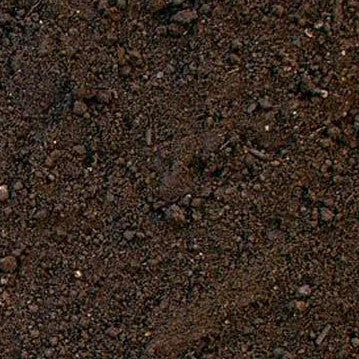
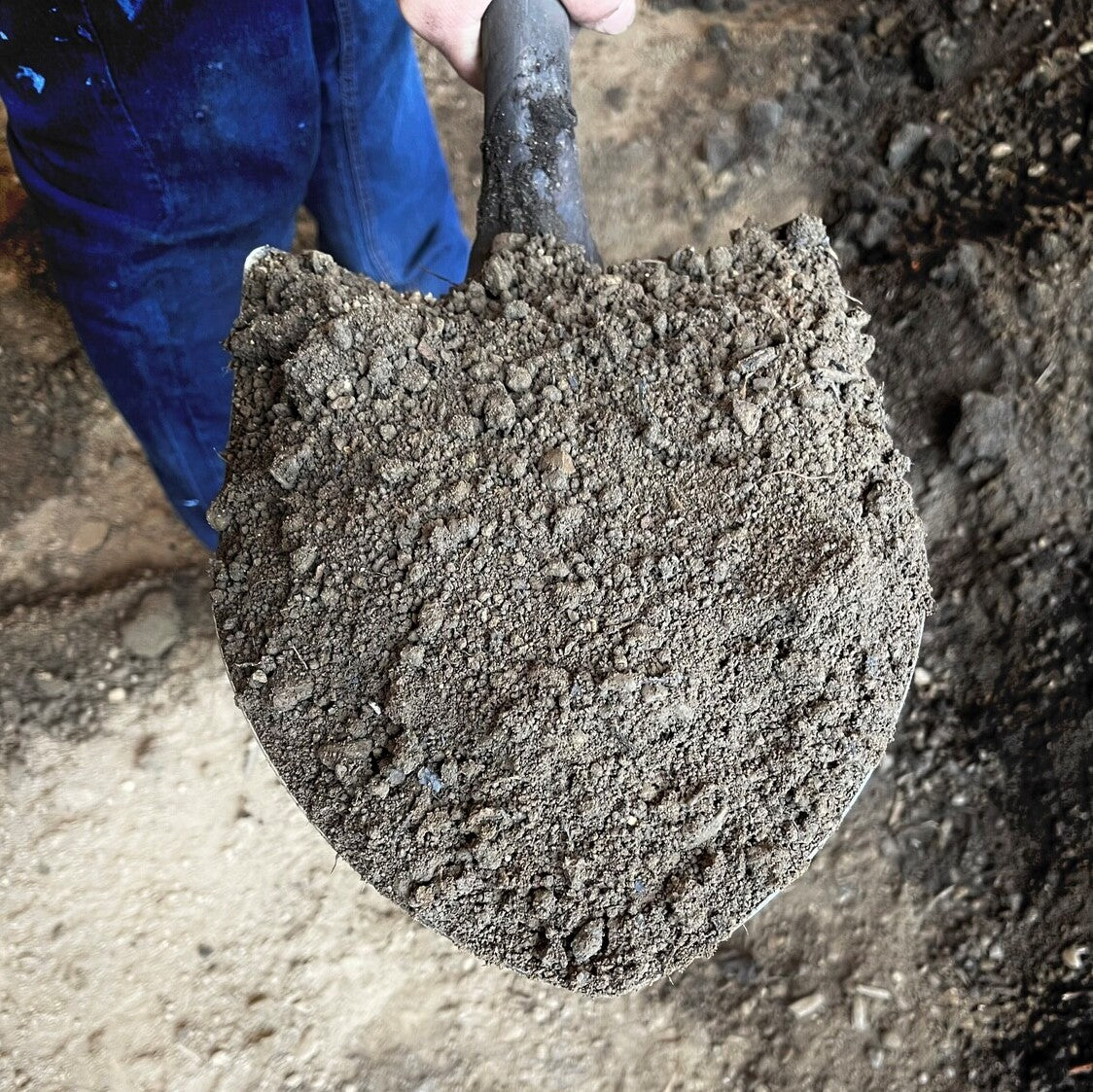
Quality topsoil for lawns, gardens, and landscape projects. Nutrient rich and ready to support strong root development and healthy plant establishment.
The website was intuitive and easy to navigate. The material was delivered the date and time it was scheduled, it was dropped off in the area i had specified on top of my tarp with no issues.
I ordered soil, the Gardening Blend that I received had too many plastic and m...
Tell us what you're looking for
Thanks! We received your request.
Something went wrong. Please try again.
How Much Material Do I Need?
For raised garden beds and amended planting areas in Parkland, plan for a minimum depth of 6 inches of quality soil mix to overcome the limitations of the underlying sandy native soil. Lawn leveling and grade work typically require a 1 to 2 inch topdressing spread evenly and worked into existing turf.
Use our free soil calculator
What is a yard?
A yard is approximately 27 cubic feet. As a general guideline, one yard of material can cover an area of about 100-160 square feet at a 2-3 inch depth.
We can't take orders for this right now. Tell us what you need and we'll get back to you.
What do you need?
Thanks! We received your request.
Something went wrong. Please try again.
Hand-picked local yards
4,000+ regional deliveries
Dedicated support
Why order through Mulch Mound
The best local soil, without the guesswork.
We hand-pick and partner with the best yards in your region, keep only the ones our buyers rate well, and back each load with our guarantee.
Mulch Mound Guarantee
If your soil isn't the quantity or quality you ordered, we'll make it right.
About this soil
Quality topsoil for lawns, gardens, and landscape projects. Nutrient rich and ready to support strong root development and healthy plant establishment.
The website was intuitive and easy to navigate. The material was delivered the date and time it was scheduled, it was dropped off in the area i had specified on top of my tarp with no issues.
I ordered soil, the Gardening Blend that I received had too many plastic and m...
How Much Material Do I Need?
For raised garden beds and amended planting areas in Parkland, plan for a minimum depth of 6 inches of quality soil mix to overcome the limitations of the underlying sandy native soil. Lawn leveling and grade work typically require a 1 to 2 inch topdressing spread evenly and worked into existing turf.
Use our free soil calculator
What is a yard?
A yard is approximately 27 cubic feet. As a general guideline, one yard of material can cover an area of about 100-160 square feet at a 2-3 inch depth.
The website was intuitive and easy to navigate. The material was delivered the date and time it was scheduled, it was dropped off in the area i had...
Read full review
The website was intuitive and easy to navigate. The material was delivered the date and time it was scheduled, it was dropped off in the area i had specified on top of my tarp with no issues.
I ordered soil, the Gardening Blend that I received had too many plastic and metal pieces for my liking thus lowering the score from a perfect 5/5 to a 4/5
Really appreciate the care and follow thru that this company had with our order. A hiccup came up but they were quick to respond and address all co...
Read full review
Really appreciate the care and follow thru that this company had with our order. A hiccup came up but they were quick to respond and address all concerns, which made our garden day a success! Thank you for your prompt care.
Measure the length and width of your project area in feet and multiply them together, then decide on your desired depth in inches and divide by 12 to convert to feet before multiplying for cubic footage. In Parkland, where sandy soil needs meaningful amendment, plan on using more material rather than less to achieve the depth that actually changes soil behavior and supports root development.
Soil Types We Deliver in Parkland
Parkland's sandy native soil often needs a quality boost to support lush lawns, garden beds, and the manicured landscapes common throughout the area. We deliver bulk topsoil by the yard in Parkland, dropping off exactly the cubic yards you need right to your property. Whether you are grading a new bed, filling low spots, or starting a planting project, we make it simple and straightforward.
Screened Top Soil
A nutrient-rich, finely screened topsoil ideal for lawns, raised garden beds, and landscape projects across Parkland. The screened texture blends smoothly into South Florida's sandy base, promoting strong root development and healthy plant establishment. It suits homeowners and landscapers looking for a reliable, ready-to-use soil amendment.
Complete Your Outdoor Soil Project
After building up your beds with quality soil, add a layer of organic mulch on top to slow moisture loss through Parkland's fast-draining ground, and consider edging stones to keep the soil contained and prevent it from washing into the lawn during heavy summer rains.
Why does my garden in Parkland struggle so much even when I water it regularly?
Parkland's native sandy soil holds almost no nutrients and drains so quickly that roots have very little time to absorb water before it percolates away. Regular watering helps but it cannot fix the fundamental lack of organic matter and nutrient-holding capacity in the soil. Bringing in a quality amended topsoil or garden mix and layering it into existing beds is the most effective long-term solution.
Answer
What kind of soil should I use for a raised vegetable garden in Parkland?
A blended garden mix that includes compost, topsoil, and some moisture-retaining material works best for raised beds in Parkland. You want a mix that drains well enough to avoid root rot in the rainy season but holds enough organic matter to stay consistently moist between waterings. Native sandy soil alone will not sustain a productive vegetable garden, especially through the hot summers of Zone 10b.
Answer
Can I use bulk soil to fix the low spots in my lawn that flood after heavy rain?
Yes, and this is one of the most practical uses of bulk soil in Parkland. The combination of flat terrain at 15 feet of elevation and heavy summer downpours means many yards develop low spots where water pools and grass struggles to survive. Filling those spots with clean topsoil, graded to blend with the surrounding lawn, improves drainage and gives grass a level surface to establish.
Answer
How much topsoil do I need to actually improve a sandy planting bed in my Parkland yard?
For amending existing sandy beds, a layer of 4 to 6 inches of quality topsoil or garden mix tilled into the top 8 to 10 inches of existing soil makes a significant difference. For raised beds built from scratch in Parkland, filling to a depth of at least 12 inches gives roots enough quality growing medium to thrive through both the wet and dry seasons.
Answer
Does Parkland's rainy season wash nutrients out of new topsoil?
Sandy soil drains so quickly that nutrient leaching is a real concern, and imported topsoil can lose some of its soluble nutrients during the June through October rainy season. Choosing a soil mix that is rich in organic matter helps buffer this effect since nutrients bound to organic particles leach more slowly. Topping beds with mulch further slows the process by reducing the direct impact of heavy rain on the soil surface.
Answer
Is fill dirt the same as topsoil and can I use it for planting in my Parkland yard?
Fill dirt and topsoil are different products with different purposes. Fill dirt is used strictly for grading, leveling, and structural fill where plant growth is not the goal. Topsoil and garden mixes contain organic matter and nutrients that support plant life. For any area in your Parkland yard where you want plants to grow, stick with a quality topsoil or blended garden mix rather than fill dirt.
Answer
When is the best time of year to add soil and prep garden beds in Parkland?
The ideal window for major soil work in Parkland is late September through November, after the rainy season winds down but before the coolest dry months set in. This timing lets you get beds established before the prime winter growing season, which is when many vegetables and cool-tolerant annuals perform best in Zone 10b. Spring is also a good window for beds going into summer crops, though you will want to work quickly before the June rains arrive.
Mulch Mound Pro Tip
In Parkland's sandy landscape, new topsoil placed directly on existing ground can still drain too quickly if it is applied in a shallow layer. For the best results, till or loosen the native sandy soil 4 to 6 inches deep before placing your new topsoil on top. This breaks the hard boundary between layers and allows roots to transition between the two materials rather than staying confined to the imported layer.
Mulch Mound Pro Tip
Parkland's year-round warmth means that organic matter in soil decomposes faster than in cooler regions, so beds can lose their tilth over a season or two. Plan to add a thin refresh layer of compost-rich garden mix annually to maintain the quality of your growing medium. Consistent small additions work better in Zone 10b than irregular large applications, especially for vegetable gardens that are in near-continuous production throughout the year.
Mulch Mound Pro Tip
With 62 inches of annual rainfall hitting Parkland mostly in concentrated summer storms, grading matters as much as soil quality. When placing new soil for bed prep or lawn leveling, slope the surface slightly away from structures and toward open lawn or drainage areas. Even a small grade change of an inch or two across a bed can prevent water from pooling against plant stems and foundations during South Florida's heaviest downpours.
The Unique Landscape of Parkland
Parkland sits at a low elevation of 15 feet and is underlain by sandy, nutrient-poor soils that drain rapidly and hold very little organic content. While the 62 inches of annual rainfall sounds generous, most of that water moves through sandy soil quickly, leaving plant roots without consistent moisture access. Imported topsoil and garden mixes allow Parkland homeowners to create productive planting environments that the native soil simply cannot support on its own. Raised beds and amended garden areas built with quality soil perform dramatically better than planting directly into Parkland's native sand, especially for vegetables, flowering annuals, and landscape shrubs that require more than minimal nutrients. Soil is also essential for grade work and lawn leveling, filling in the low spots that collect standing water after South Florida's intense summer rain events.