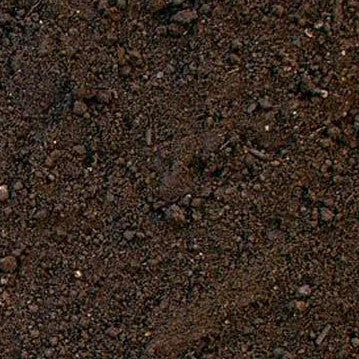
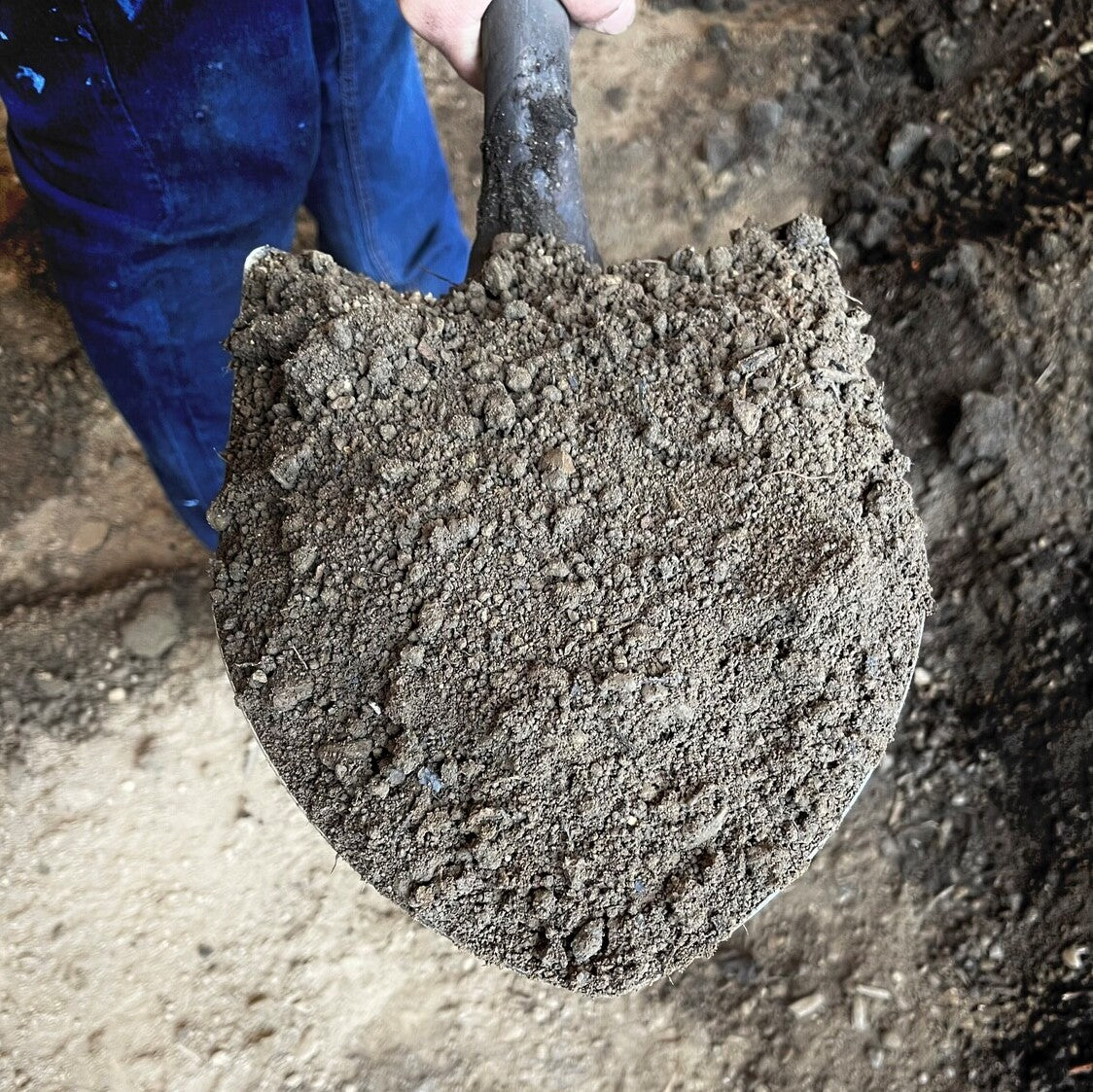
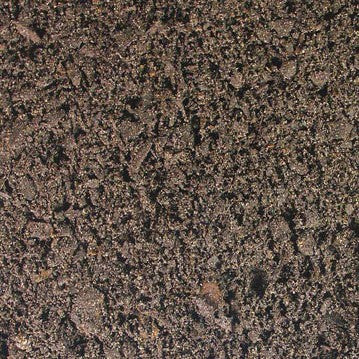
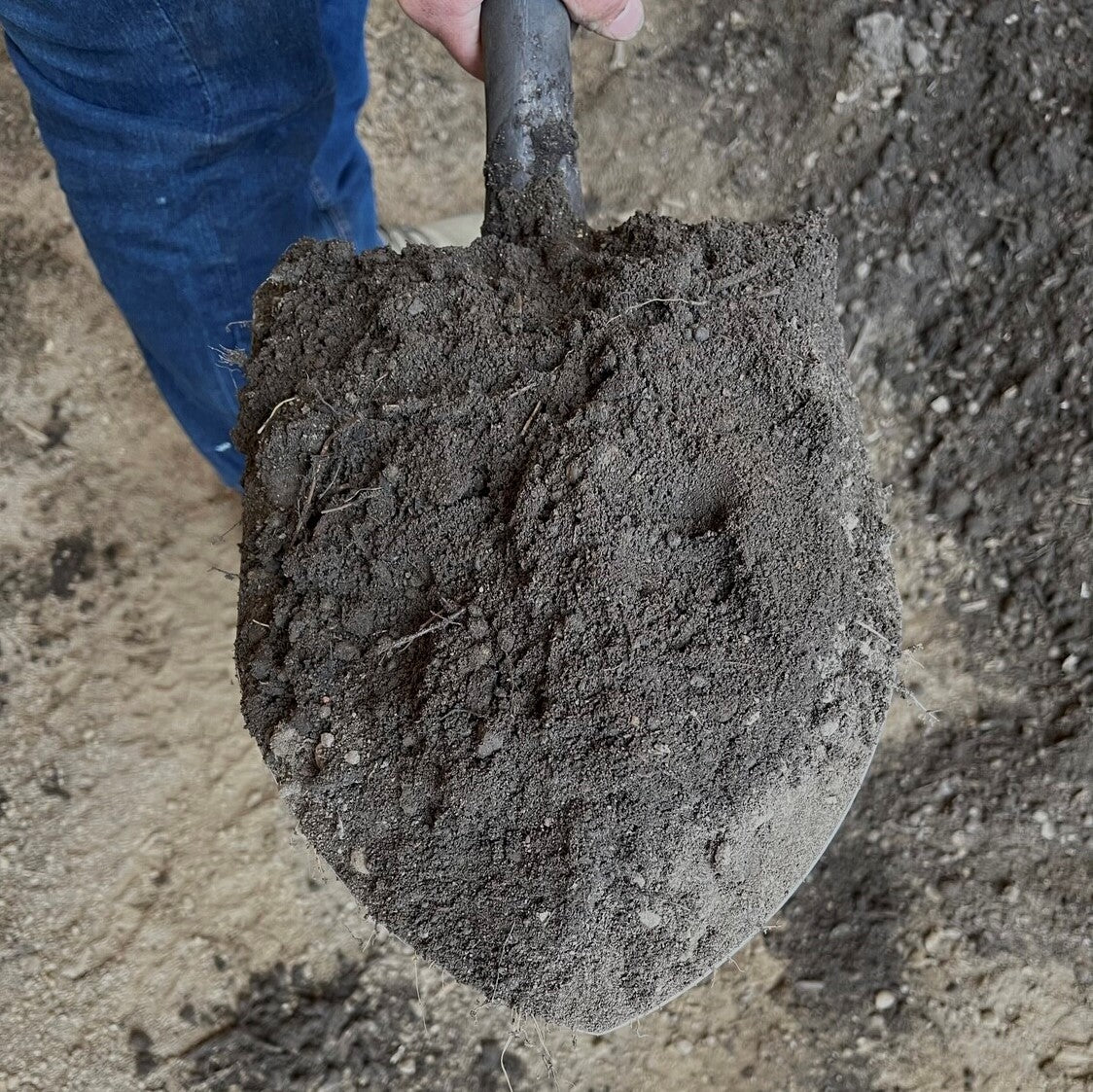
I got 3 yards of dirt to create a garden bed on the side of my house and to help fill my new raised garden beds. We had enough dirt to do all of this and fill some holes in the yard! Thanks 😃
Tell us what you're looking for
Thanks! We received your request.
Something went wrong. Please try again.
How Much Material Do I Need?
Figure four to six inches of topsoil for new lawn areas and a full twelve inches of garden mix for raised vegetable beds. One cubic yard covers roughly 100 square feet at three inches deep.
Use our free soil calculator
What is a Yard?
A yard is approximately 27 cubic feet. As a general guideline, one yard of material can cover an area of about 100-160 square feet at a 2-3 inch depth.
I got 3 yards of dirt to create a garden bed on the side of my house and to help fill my new raised garden beds. We had enough dirt to do all of this and fill some holes in the yard! Thanks 😃
How Much Material Do I Need?
Figure four to six inches of topsoil for new lawn areas and a full twelve inches of garden mix for raised vegetable beds. One cubic yard covers roughly 100 square feet at three inches deep.
Use our free soil calculator
What is a Yard?
A yard is approximately 27 cubic feet. As a general guideline, one yard of material can cover an area of about 100-160 square feet at a 2-3 inch depth.
I got 3 yards of dirt to create a garden bed on the side of my house and to help fill my new raised garden beds. We had enough dirt to do all of th...
Read full review
I got 3 yards of dirt to create a garden bed on the side of my house and to help fill my new raised garden beds. We had enough dirt to do all of this and fill some holes in the yard! Thanks 😃
For raised beds, measure the inside dimensions and the finished depth you want, not the height of the frame, since you should leave two inches of freeboard. For lawn repair, measure the patch area and use the actual fill depth in inches. Order about ten percent extra because soil compacts noticeably once it is watered in.
Complete Your Outdoor Soil Project
Add compost to work into the top layer and a few yards of mulch to cap the finished beds, which keeps Parma's spring rain from crusting and eroding fresh soil.
What kind of soil should I use to fill low spots in my Parma lawn?
Use screened topsoil, not garden mix. Screened topsoil settles and knits into Parma's existing silt loam without creating a spongy layer that sinks again. Fill in one inch lifts if the low spot is shallow, letting grass grow through between passes, or strip and reseed if you need more than three inches.
Answer
Can I plant vegetables directly in Parma's native soil?
You can, but yields improve a lot with amendment. Native Parma silt loam holds nutrients well and holds water too well, which rots carrots, onions, and squash roots in a wet June. Most local gardeners build raised beds with a fifty fifty blend of delivered garden mix and compost to get drainage that the native ground cannot provide.
Answer
When can I start working soil in the spring around here?
Usually mid to late April, but check by squeezing a handful. If it forms a muddy ball, it is too wet, and tilling silt loam in that state destroys structure for the whole season. Since Parma's last frost is April 30, aim to have beds prepped in the last week of April and plant tender crops in the first week or two of May.
Answer
How deep should topsoil be for new grass seed in Parma?
Four to six inches of screened topsoil over prepared subgrade gives Parma lawns enough root zone to survive both a soggy April and a dry August. Anything less than four inches sits on compacted silt loam and the roots stall at the boundary. Rake it level, roll lightly, then seed in late August or early September for the best establishment.
Answer
How many yards of soil do I need for a raised bed?
A standard four by eight foot bed at twelve inches deep takes about one cubic yard. Two beds of that size plus a little settling allowance means ordering two and a half yards. Parma gardeners typically lose an inch of depth to settling over the first season, so order slightly heavy.
Answer
Will delivered topsoil have weed seeds in it?
Screened topsoil is a natural product so some weed seed is always possible. In Parma the usual volunteers are lambsquarters and purslane, both easy to hoe out in the first few weeks. If you are filling a vegetable bed, a two inch mulch cap right after planting keeps most of them from ever germinating.
Answer
Can I get soil delivered late in the fall?
Yes, up until the ground freezes, which in Parma is typically late November or early December. Fall delivery works well for building beds you plan to plant next spring, since a winter of freeze and thaw actually helps the new soil settle and mix with the native silt loam underneath.
Mulch Mound Pro Tip
Never dump new topsoil straight onto a compacted, unbroken surface. Parma silt loam that has been driven on or walked over forms a hardpan, and fresh soil laid on top just creates a perched water table where roots drown. Scarify the existing grade with a rake or rototiller two or three inches deep first so the two layers actually knit together.
Mulch Mound Pro Tip
Time your lawn soil work for late August. Parma's soil is dry enough to grade in late summer, the September rains arrive right when new seed needs them, and cool nights before the October 20 frost favor grass over crabgrass. Spring topsoil projects here fight mud, weed pressure, and a July heat spell that kills seedlings before they root.
Mulch Mound Pro Tip
Blend delivered soil with a shovelful of native silt loam at the edges of any new bed. A hard boundary between imported soil and Parma's native ground stops roots from crossing over and creates a bathtub effect during heavy rain. Feathering the transition over six to twelve inches lets water and roots move through naturally and keeps plants from becoming root bound in the new material.
The Unique Landscape of Parma
Most Parma lots sit on silt loam that came out of ancient lake bed deposits, and while it is nutrient rich it packs down tight and drains slowly. Add 43 inches of rain a year and you get lawns that puddle, raised beds that stay cold into May, and new plantings that drown before they ever root. Bringing in screened topsoil or a compost blended garden mix is how Parma homeowners break that cycle, whether they are leveling a settled yard, building a vegetable bed, or repairing a lawn after a wet winter. In zone 6b with a growing window between April 30 and October 20, you do not have time to wait for native soil to loosen up on its own. Good soil delivered by the yard shortens that timeline dramatically. At 945 feet of elevation, Parma also holds snowmelt longer than surrounding areas, which makes soil structure even more important.