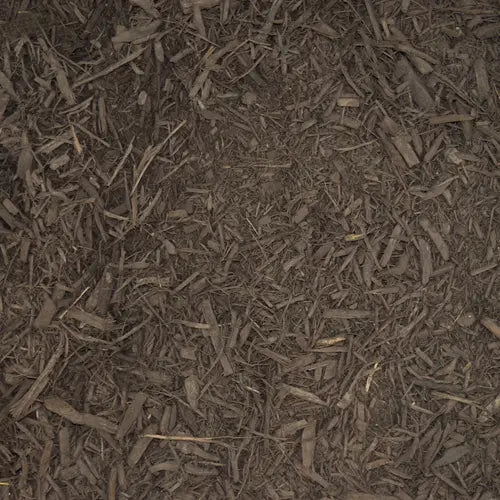
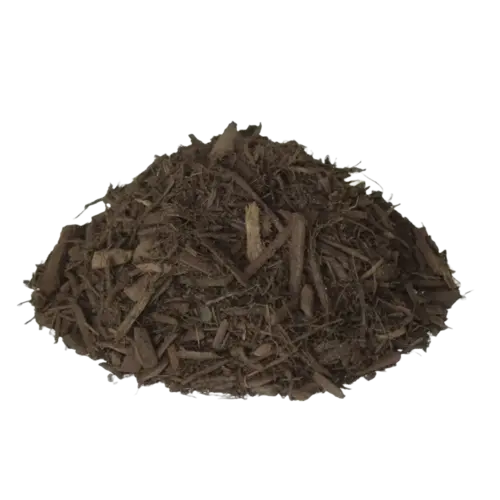
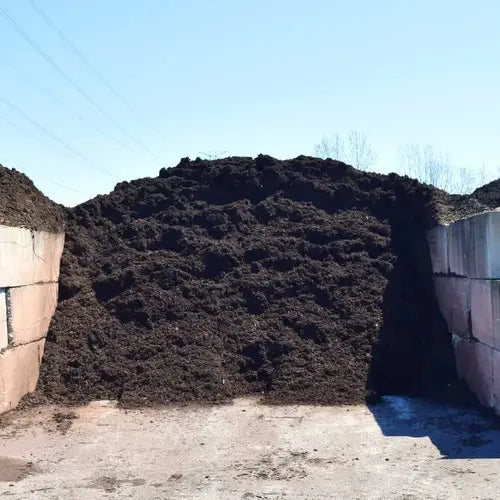
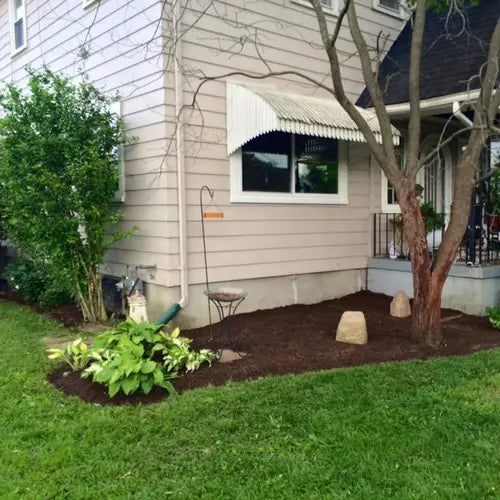
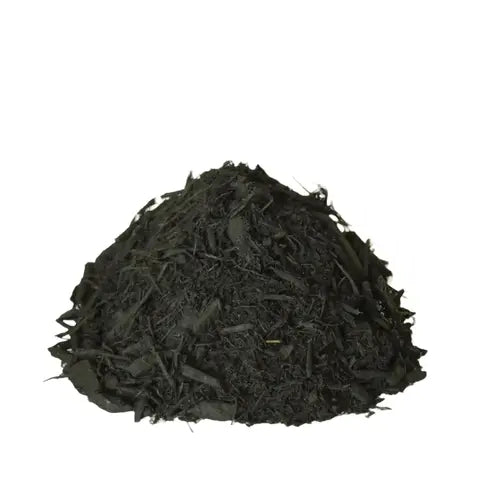
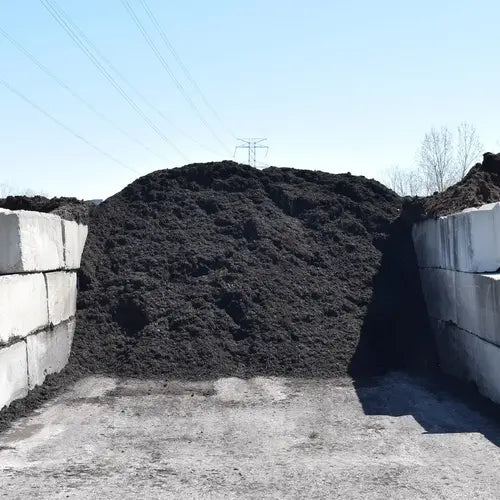
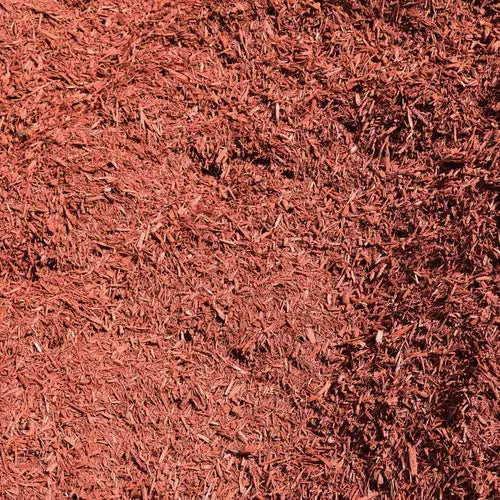
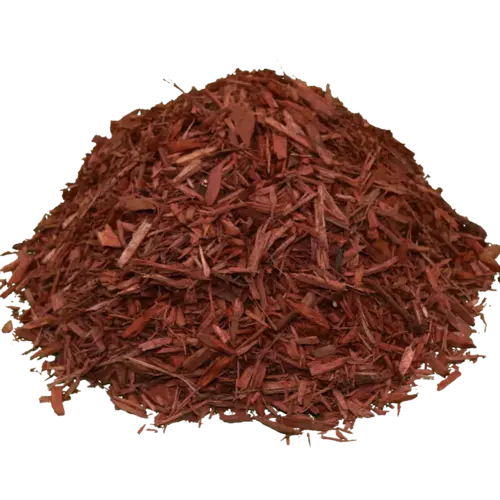
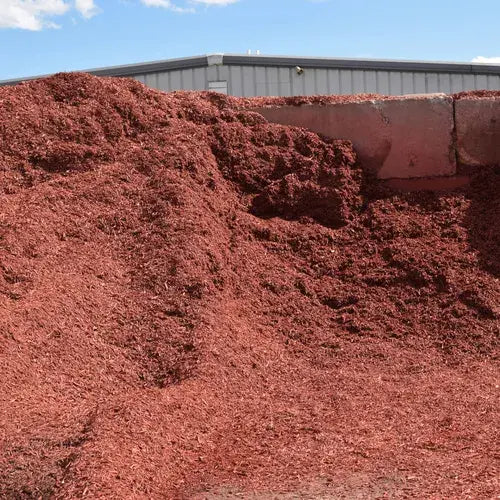
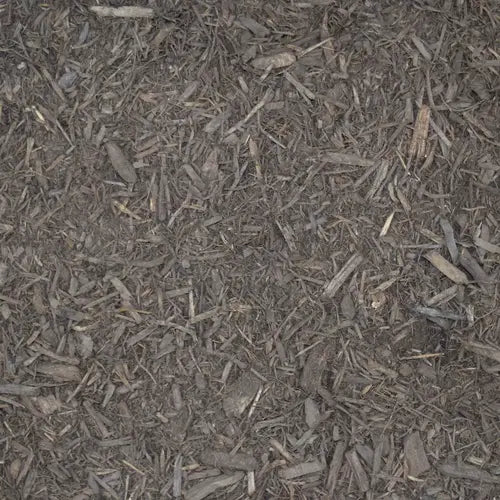
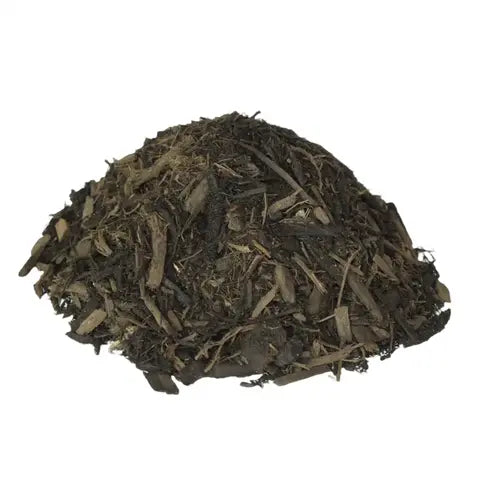
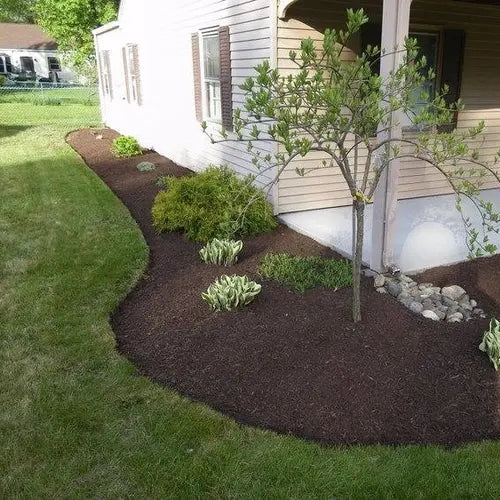
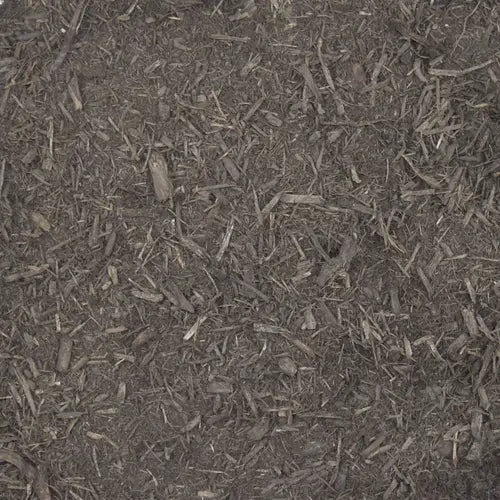
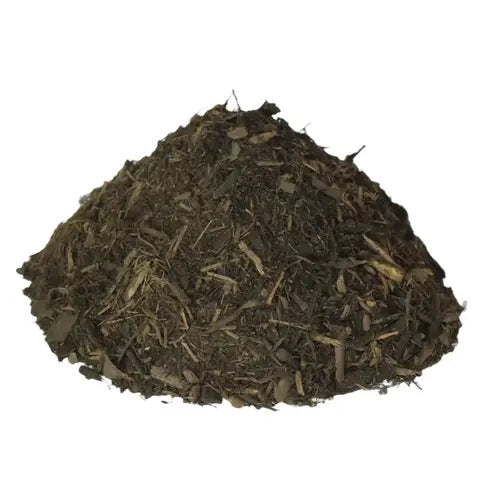
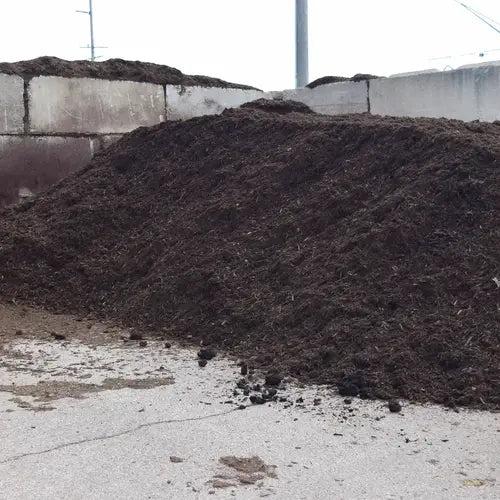
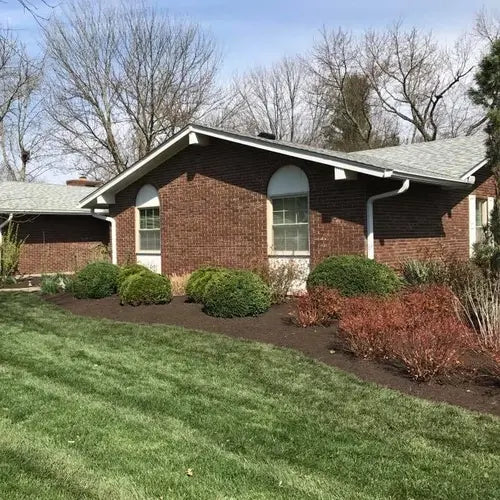
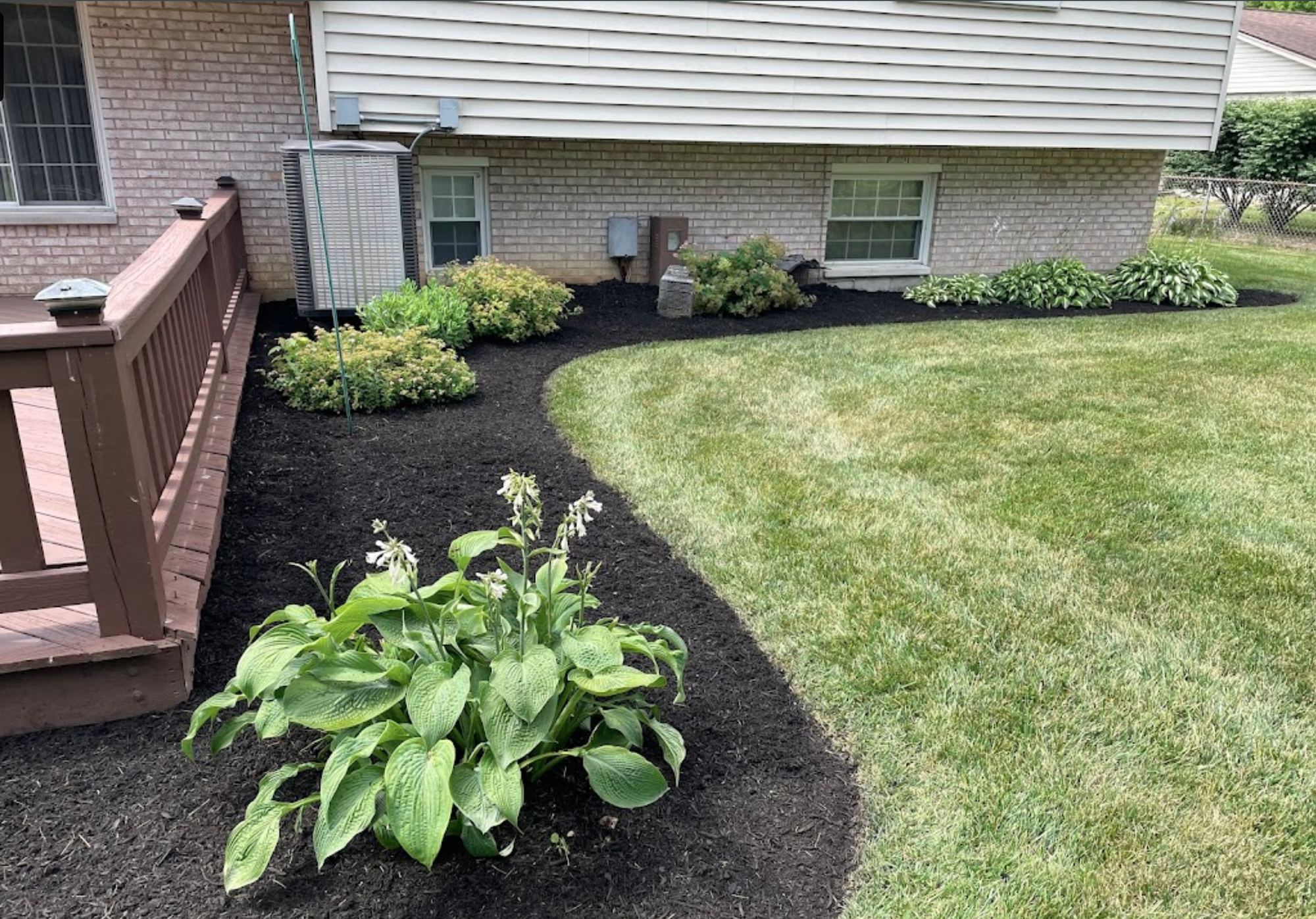
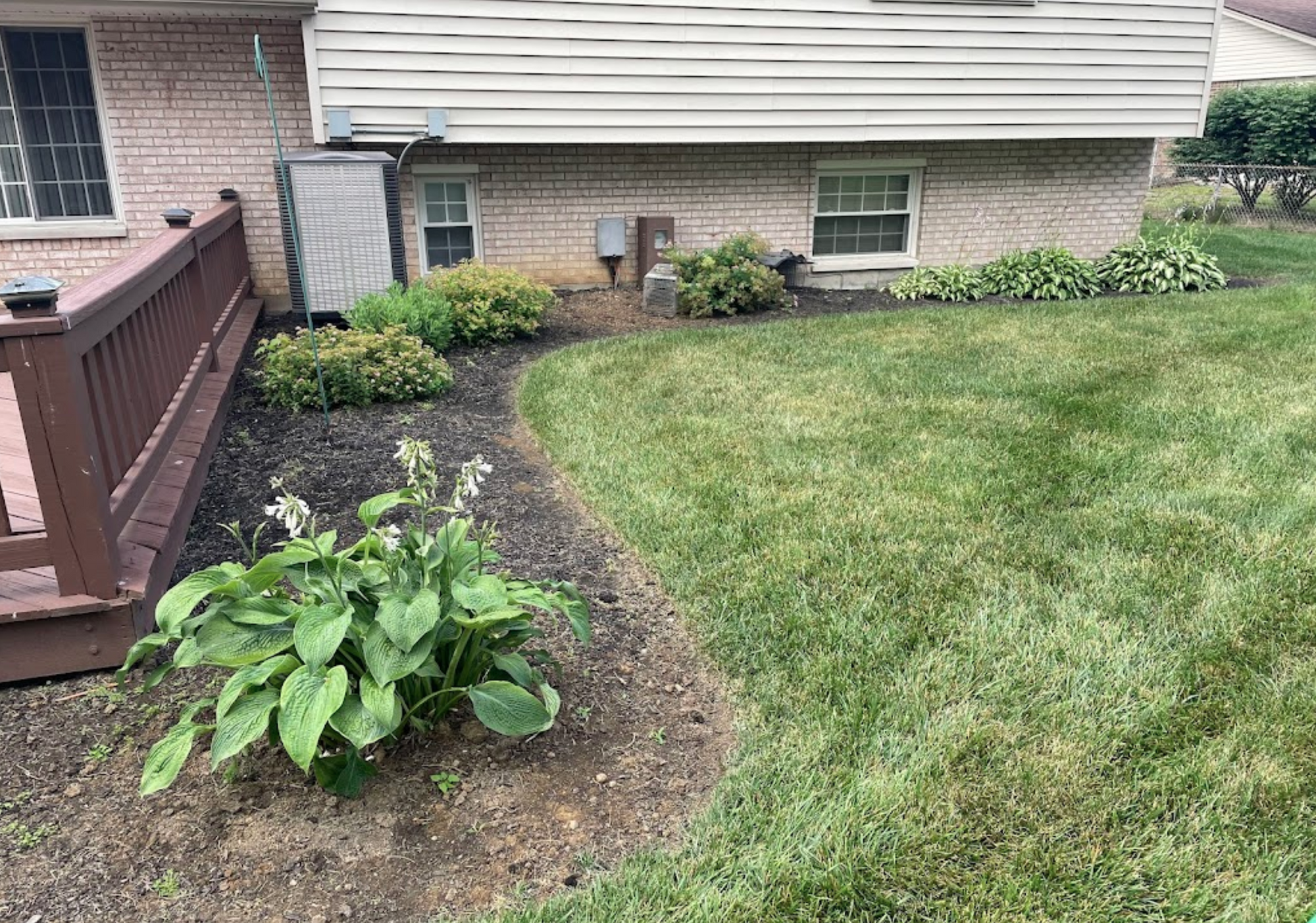
Warm brown double shredded mulch with lasting color that looks freshly applied for weeks. Spreads smooth, stays put, and gives beds a natural, polished appearance.
I can’t say enough good things about Mulch Mound! If you read my review below you will see I had a problem with my order. Mulch Mound was quick to respond and solved the issue with my delivery. Will definitely be a customer next year.
First time purchase...
Tell us what you're looking for
Thanks! We received your request.
Something went wrong. Please try again.
How Much Material Do I Need?
For Passaic's clay loam soil, apply 2 to 3 inches in established beds and 3 to 4 inches in new beds where weed seeds are most active. Avoid layering beyond 4 inches, as excessive depth can trap too much moisture against plant crowns in a region that already receives close to 49 inches of rain annually.
Use our free mulch calculator
What is a yard?
A yard is approximately 27 cubic feet. As a general guideline, one yard of material can cover an area of about 100-160 square feet at a 2-3 inch depth.
We can't take orders for this right now. Tell us what you need and we'll get back to you.
What do you need?
Thanks! We received your request.
Something went wrong. Please try again.
Hand-picked local yards
4,000+ regional deliveries
Dedicated support
Why order through Mulch Mound
The best local mulch, without the guesswork.
We hand-pick and partner with the best yards in your region, keep only the ones our buyers rate well, and back each load with our guarantee.
Mulch Mound Guarantee
If your mulch isn't the quantity or quality you ordered, we'll make it right.
About this mulch
Warm brown double shredded mulch with lasting color that looks freshly applied for weeks. Spreads smooth, stays put, and gives beds a natural, polished appearance.
I can’t say enough good things about Mulch Mound! If you read my review below you will see I had a problem with my order. Mulch Mound was quick to respond and solved the issue with my delivery. Will definitely be a customer next year.
First time purchase...
How Much Material Do I Need?
For Passaic's clay loam soil, apply 2 to 3 inches in established beds and 3 to 4 inches in new beds where weed seeds are most active. Avoid layering beyond 4 inches, as excessive depth can trap too much moisture against plant crowns in a region that already receives close to 49 inches of rain annually.
Use our free mulch calculator
What is a yard?
A yard is approximately 27 cubic feet. As a general guideline, one yard of material can cover an area of about 100-160 square feet at a 2-3 inch depth.
I can’t say enough good things about Mulch Mound! If you read my review below you will see I had a problem with my order. Mulch Mou...
Read full review
UPDATE!
I can’t say enough good things about Mulch Mound! If you read my review below you will see I had a problem with my order. Mulch Mound was quick to respond and solved the issue with my delivery. Will definitely be a customer next year.
First time purchase from Mulch Mound!! First what I liked! Easy to order online and straight forward pricing and delivery. The driver was on time and courteous and delivered my Mulch exactly where I requested! The product is of good quality and comparable to others I have purchased from before. Now what I DID’NT LIKE! I have been mulching the same house and yard for almost 20 years. I always order the same amount and don’t have any issues with covering the same area but this year I fell about a yard short. I was home when the mulch was delivered and when the driver dumped it I noticed that it seemed a bit less than I was used to. I didn’t apply it any thicker than usual and probably a bit thinner than usual because I was worried about running out.
Mulch Mound made it so easy! So happy with the pricing, turn around time, delivery and product. I submitted my online order on a Thursday. The mu...
Read full review
Mulch Mound made it so easy! So happy with the pricing, turn around time, delivery and product. I submitted my online order on a Thursday. The mulch was delivered to the designated location by a local landscape company at 8:30 a.m. the following Saturday morning. We had the job completed by that afternoon. We chose the natural brown mulch, and the plant beds are beautiful.
Measure the length and width of each garden bed in feet, multiply them together, and divide by 324 to find how many cubic yards you need for a 1 inch depth. For Passaic's clay loam beds, most homeowners find that a 3 inch layer strikes the best balance between weed control and avoiding the soggy surface conditions that frequent spring rains can create. Round up slightly, since it is easier to spread a little extra than to run short halfway through the project.
Mulch vs. No Mulch: The Difference
Passaic's warm, humid summers and high annual rainfall create conditions where organic mulch breaks down faster than it would in drier climates, meaning natural hardwood mulch will enrich your clay loam soil more noticeably over a single season. Dyed or color-enhanced mulches use a denser wood base that resists breakdown and holds color through the wet spring and summer months, which appeals to homeowners focused on maintaining a consistent visual finish. The right choice depends on whether your priority is improving Passaic's challenging clay soil over time or keeping a polished appearance from the last frost in April through the first frost in October.
Before
After
Best Mulch Choice for Passaic Lawns
Most yards in the Passaic area sit on Clay Loam type of soil. Passaic's clay loam soil compacts under foot traffic and heavy rain, leaving plant beds with poor aeration and uneven moisture distribution that stresses both new plantings and established perennials throughout the growing season.
Hardwood Mulch
Hardwood mulch applied consistently to Passaic's clay loam beds gradually contributes decomposed organic matter to the upper soil layer, loosening the dense clay structure and making it easier for roots to spread and for rainwater to drain rather than pool.
Mulch Types We Deliver in Passaic
Mulch Mound brings bulk mulch delivery in Passaic directly to your driveway, measured by the cubic yard for any size job. The area's humid summers and heavy spring rains call for mulch that holds color and structure season after season. Pick a variety below and we will handle the rest.
Dyed Black Mulch
Bold double shredded black mulch that gives garden beds a clean, dramatic edge. The rich color holds through New Jersey's wet springs and hot summers without fading quickly. It pairs well with the brick facades and light-colored stone borders common in Passaic yards.
Dyed Brown Mulch
Warm double shredded brown mulch that blends with the earthy tones of Passaic's residential yards. The color looks freshly applied for weeks after spreading, even in direct summer sun. A smooth texture makes it easy to lay evenly over large front or back beds.
Natural Brown Mulch
Available in double shredded or triple shredded style, this undyed mulch shows the wood's own warm brown tone without added dye. The finer triple shredded cut holds together well on sloped beds and stands up to the heavy rain common to northern New Jersey. A clean, honest look for any landscape.
Cedar Mulch
Aromatic double shredded Canadian cedar with natural insect deterrent properties and a slow decomposition rate. The fine texture works well in foundation plantings and shaded beds where lasting coverage matters. A mild, pleasant fragrance is a welcome bonus in yards where garden areas sit close to outdoor living spaces.
Complete Your Outdoor Mulch Project
If you are refreshing your beds this season, consider pairing your mulch order with a bulk topsoil or garden soil delivery to improve the clay loam structure underneath before you mulch over it. Adding decorative stone along bed borders or walkways completes the look and reduces edge maintenance in Passaic's rainy climate.
Passaic's clay loam soil tends to crust over in summer, creating a nearly impermeable surface that sheds water rather than absorbing it. Before spreading mulch, loosen the top inch of your bed with a hand cultivator. This breaks up the crust and allows the organic matter from decomposing mulch to work its way into the soil, slowly improving drainage and root penetration over multiple growing seasons.
Mulch Mound Pro Tip
Timing your fall mulch application just before Passaic's first frost, typically around October 28, gives perennial roots an insulating blanket during the sharp temperature swings that arrive in November. Do not apply too early in the fall while soil is still warm, as a thick mulch layer can trap heat and delay the natural hardening off process that perennials need before true winter cold arrives.
Mulch Mound Pro Tip
With 49 inches of rain falling across Passaic each year, mulch that is applied too thickly or left undisturbed in low spots can mat together and become hydrophobic, actually repelling water rather than retaining it. Rake your mulch layer lightly every few weeks during the rainy season to break up any surface matting, and keep it fluffed away from plant stems to prevent crown rot in beds that receive runoff from nearby paved surfaces.
Frequently Asked Questions
Click a question to see the answer
Answer
How much mulch do I actually need for my garden beds in Passaic?
A good rule of thumb for Passaic's clay loam soil is a 2 to 3 inch layer in established beds and up to 4 inches in new beds where weed pressure is heaviest. Clay loam holds moisture longer than sandy soils, so going deeper than 4 inches risks keeping the surface too wet and promoting fungal issues around plant crowns.
Answer
When is the best time to apply mulch in Passaic, NJ?
In Passaic, the ideal window opens after your last frost around April 15, once the soil has warmed a bit but before summer weed seeds start germinating in earnest. A second application in mid to late October, just before the first frost around October 28, helps insulate perennial roots through the winter months.
Answer
Will adding mulch actually help with the heavy clay soil in my yard?
Absolutely. As hardwood mulch breaks down over a season in Passaic's warm, wet climate, it adds organic matter to the top layer of your clay loam soil, gradually improving drainage and loosening the dense structure that makes clay loam so difficult for plant roots to penetrate.
Answer
Does all the rain Passaic gets mean I need to replace my mulch more often?
Yes, Passaic's above-average rainfall accelerates the decomposition of organic mulch, particularly hardwood varieties. Plan to top off your beds once a year, typically in spring, to maintain the 2 to 3 inch depth that keeps weeds suppressed and moisture retained through the warmer months.
Answer
Should I choose natural or dyed mulch for my foundation plantings?
Both work well for Passaic homes, but natural hardwood tends to break down faster in our wet climate and feeds the soil, which is a real bonus given the nutrient-limited clay loam. Dyed mulch retains color longer, which is a practical advantage if your foundation beds face a street or sidewalk and you want a consistent appearance from spring through late fall.
Answer
Is it safe to put mulch right up against my home's siding or foundation?
Keep mulch pulled back at least 2 to 3 inches from your siding and foundation. With Passaic's rainfall levels, mulch piled against a structure stays persistently damp and can lead to moisture intrusion and wood rot, especially during the wet spring months when the ground is already saturated.
Answer
What type of mulch works best for vegetable gardens in Passaic?
For vegetable gardens in Passaic, a natural hardwood or shredded leaf mulch works well because it breaks down over the growing season and adds organic matter to the clay loam soil. Avoid dyed mulches in food-producing beds. Apply a 2 inch layer after your last frost around April 15 to keep soil moisture even during the dry spells that can hit even in high-rainfall years.
The Unique Landscape of Passaic
Passaic sits on clay loam soil that naturally resists water infiltration, which means plant beds can swing from waterlogged after a heavy spring rain to bone dry during a July heat wave. A consistent layer of mulch acts as a buffer, slowing evaporation when temperatures climb and preventing surface runoff that washes nutrients away from your beds. With nearly 49 inches of rain falling each year, weed seeds in Passaic germinate aggressively from early spring through late fall, and a proper mulch layer is one of the most effective tools for suppressing that pressure. Because the last frost typically lands around April 15 and the first fall frost arrives as early as October 28, mulch also extends your effective planting season by moderating soil temperature at both ends of the year. Keeping organic mulch refreshed each season helps counteract the natural compaction tendency of clay loam, opening up pore space that roots and beneficial soil organisms need to thrive.