




I needed 3 yards of top soil and that's what I got! Right on time and right where I asked it to be placed (Order# 2041).
About this soil
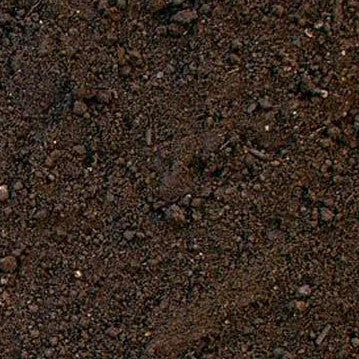
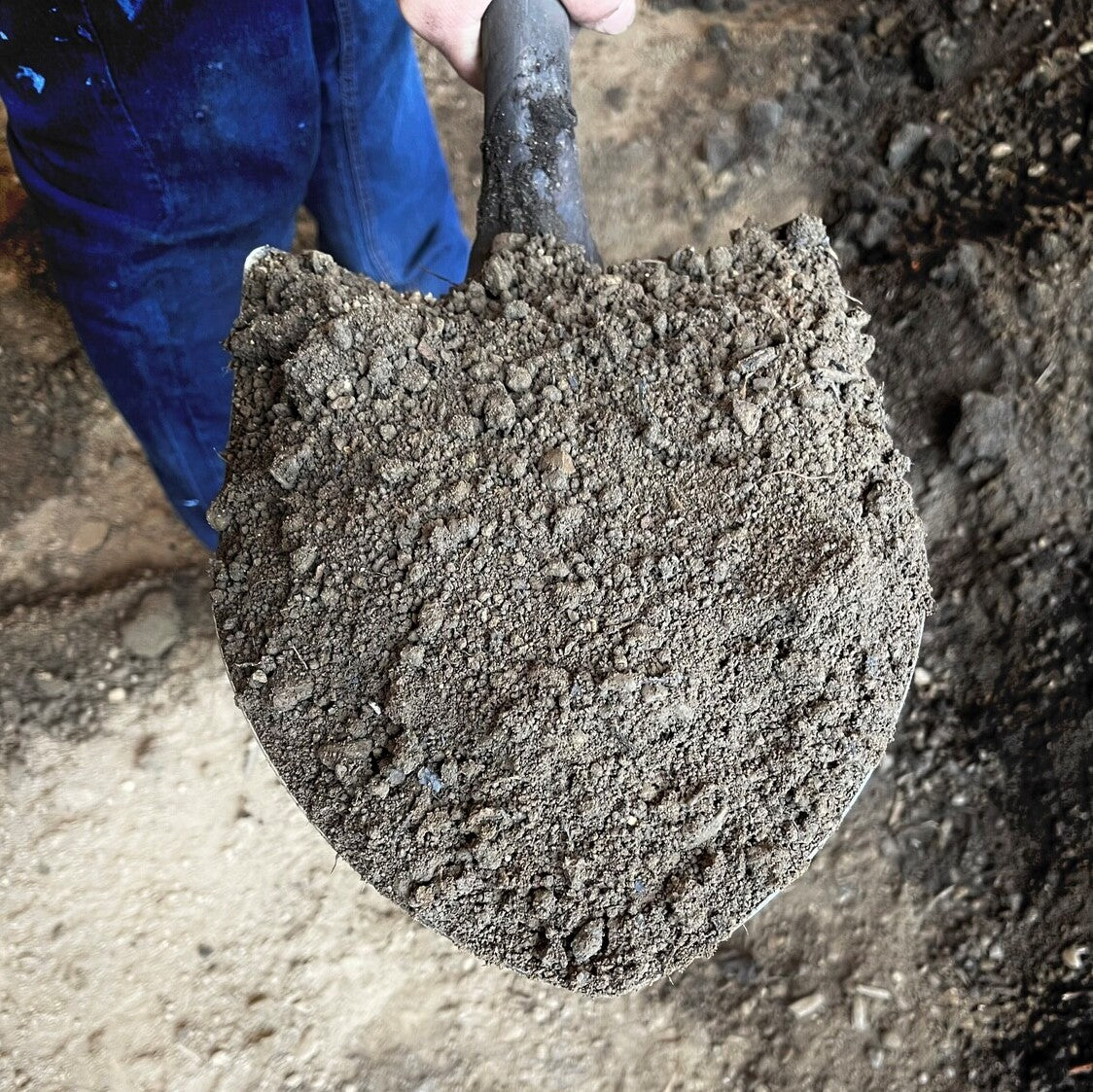
Quality topsoil for lawns, gardens, and landscape projects. Nutrient rich and ready to support strong root development and healthy plant establishment.
I needed 3 yards of top soil and that's what I got! Right on time and right where I asked it to be placed (Order# 2041).
Tell us what you're looking for
Thanks! We received your request.
Something went wrong. Please try again.
How Much Material Do I Need?
How Much Material Do I Need?
For lawn leveling and topdressing in Passaic, plan on 1 to 2 inches of screened topsoil, which equals roughly 3 cubic yards per 1,000 square feet. For new garden beds placed over clay loam, a minimum 6 inch layer of garden soil gives roots the loose, well-draining medium they need to establish before Passaic's summer heat arrives.
Use our free soil calculator
What is a yard?
What is a yard?
FAQs
FAQs
Passaic Soil Delivery
Passaic Soil Delivery
Regular price
$79.00
per
yard
Regular price
Sale price
$79.00
Unit price
per
Shipping calculated at checkout.
Minimum of 3 yard
Couldn't load pickup availability
Not currently available
We can't take orders for this right now. Tell us what you need and we'll get back to you.
Hand-picked local yards
4,000+ regional deliveries
Dedicated support
Why order through Mulch Mound
The best local soil, without the guesswork.
We hand-pick and partner with the best yards in your region, keep only the ones our buyers rate well, and back each load with our guarantee.
Mulch Mound Guarantee
If your soil isn't the quantity or quality you ordered, we'll make it right.
About this soil
Quality topsoil for lawns, gardens, and landscape projects. Nutrient rich and ready to support strong root development and healthy plant establishment.
I needed 3 yards of top soil and that's what I got! Right on time and right where I asked it to be placed (Order# 2041).
How Much Material Do I Need?
How Much Material Do I Need?
For lawn leveling and topdressing in Passaic, plan on 1 to 2 inches of screened topsoil, which equals roughly 3 cubic yards per 1,000 square feet. For new garden beds placed over clay loam, a minimum 6 inch layer of garden soil gives roots the loose, well-draining medium they need to establish before Passaic's summer heat arrives.
Use our free soil calculator
What is a yard?
What is a yard?
FAQs
FAQs
Tell us what you're looking for
Thanks! We received your request.
Something went wrong. Please try again.
How It Works
Getting started is easy — just follow these simple steps
1
Choose your soil
Make sure you adjust the quantity to your home's needs. You can use our calculator to estimate how much you'll need.
2
Select your delivery date
Select a delivery date you'd like for the product to be dropped off at your home
3
Sit back and wait
Sit back, wait, and let us work our magic to make sure the highest quality product is delivered to your driveway.

Highest compliments. Great driver.
Website is easy to navigate. Just a seamless process. 5 stars!!

Need Help Calculating How Much Soil You Need?
Use our NEW Trace from Satellite tool to get an estimate for your project based on an aerial view of your property
Try Our CalculatorMeasure the length, width, and desired depth of your project area in feet, multiply all three together, and divide by 27 to convert to cubic yards. For lawn leveling in Passaic, remember that material placed over clay loam compresses over time, so ordering about 10 percent more than your calculation suggests helps account for settling in the first few months after installation.
Soil Types We Deliver in Passaic
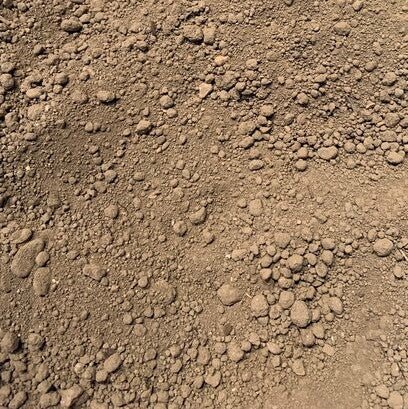
Dense residential lots throughout this corner of New Jersey often have thin or compacted ground that needs improvement before lawns and gardens can truly thrive. Ordering bulk topsoil by the yard in Passaic is one of the most practical ways to address this, whether you are refreshing tired beds, grading a yard, or starting a new planting from scratch. We deliver quality screened soils and composts measured by the cubic yard, brought right to your address.
Screened Top Soil
Our screened topsoil is a nutrient-rich blend well suited to the compact residential lots common throughout this part of New Jersey. It delivers a clean, workable texture that supports strong root development and healthy plant establishment in lawns, garden beds, and new landscape installations around the home.
Garden Compost
Rich with organic matter, this standard screened compost is ideal for gardeners and landscapers working with the region's naturally clay-heavy soils. Blending it into existing beds improves drainage, boosts microbial activity, and feeds established plantings, making it a smart choice for refreshing tired garden soil season after season.
Complete Your Outdoor Soil Project
After grading and filling with bulk soil, a layer of mulch over your new beds will protect the fresh surface from Passaic's heavy rains and reduce the surface crusting that clay loam-rich mixes are prone to developing. Adding stone edging or gravel pathways around your new soil areas also helps manage runoff and keeps the material in place during the region's frequent spring rain events.


Service area
Areas we deliver soil in Passaic, New Jersey
Mulch Mound Pro Tip
Do not work Passaic's clay loam soil, or any soil mix placed over it, when it is saturated after a rain. Tilling or grading wet clay loam destroys its structure and creates dense clods that dry rock hard. Wait until the soil passes the squeeze test, meaning a handful pressed in your fist should crumble apart when poked rather than hold its shape, before you begin any grading or planting work.
Mulch Mound Pro Tip
When adding bulk topsoil to grade a Passaic lawn, slope all fill material away from your foundation at a minimum of 6 inches of drop per 10 feet. Given Passaic's 49 inches of annual rainfall, poor grading around structures leads to chronic wet basement conditions, and even a modest positive slope in your topsoil placement can redirect thousands of gallons of water each year away from your home.
Mulch Mound Pro Tip
If you are building new raised beds in Passaic ahead of the April 15 last frost date, fill them in early spring and allow the soil to warm for two to three weeks before transplanting. Bulk soil holds cold longer than native ground in early spring, and setting plants into cold soil in zone 7b slows root development and can delay your first harvest by several weeks compared to waiting for proper soil temperatures.
The Unique Landscape of Passaic
Passaic's native clay loam soil has real strengths in that it holds nutrients and retains moisture well, but it also compacts quickly under foot traffic, rain, and freeze-thaw cycles, making it a persistent challenge for anyone trying to establish new lawn areas, garden beds, or raised plantings. Because clay loam drains slowly, low areas in Passaic yards often stay waterlogged well into spring, delaying planting past the April 15 last frost date and creating conditions where grass seed rots before it can germinate. Bringing in quality bulk topsoil or garden soil allows Passaic homeowners to grade problem areas, build raised beds that drain properly, and give new plantings a nutrient-rich start that the native soil alone may not provide. The city's growing zone 7b means a reasonably long season, but only plants with solid root establishment early in the year will thrive through the heat and wet of summer. Improving your soil foundation is the single most impactful investment you can make in the long-term productivity and appearance of a Passaic landscape.