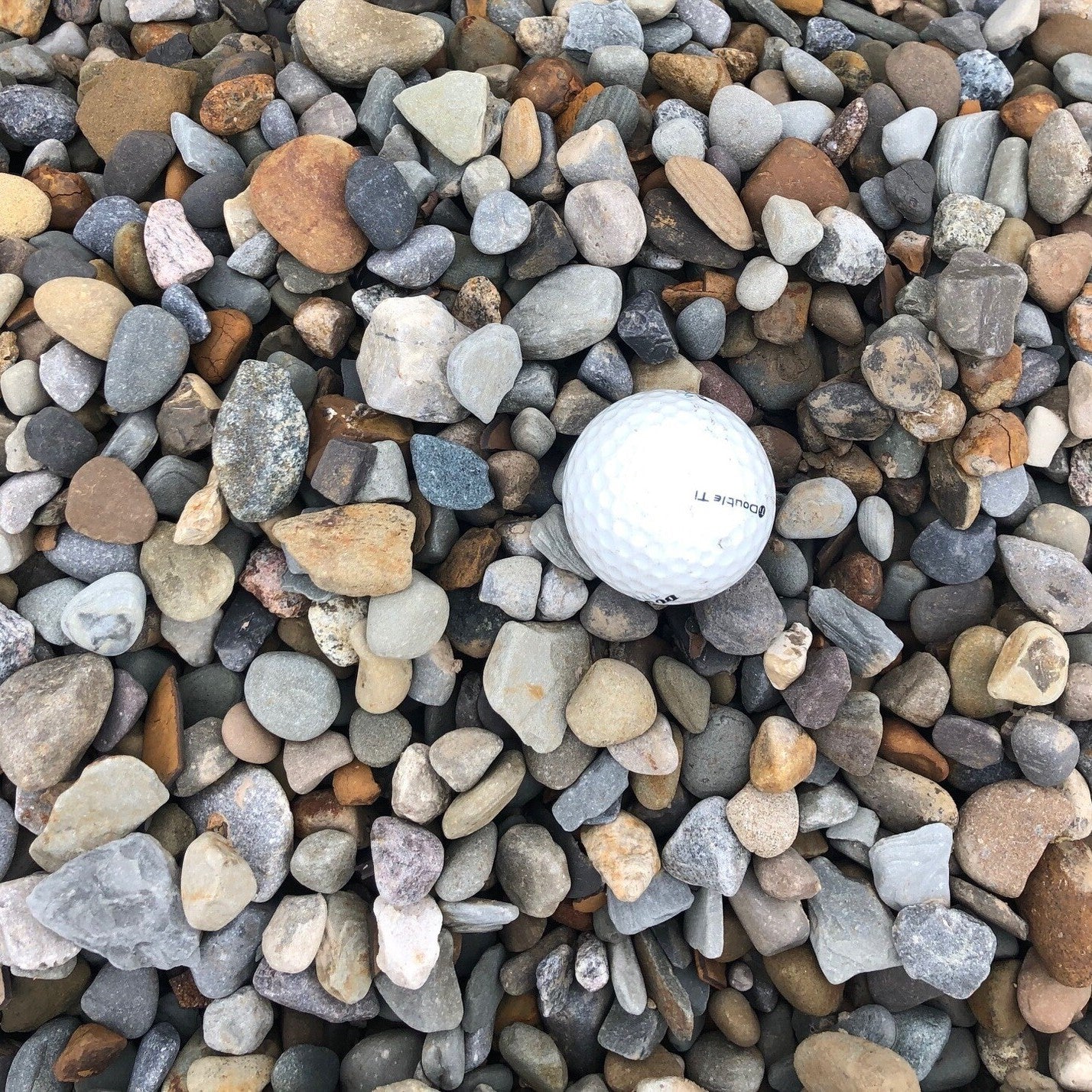
Number 57 crushed stone, angular limestone graded to about three quarters of an inch. The standard driveway, base and drainage gravel, it locks together under traffic and drains fast.
Mulch Mound delivered a yard of pea gravel to us. Delivery was on time, driver was friendly and hit a bullseye on the “tarp target”. We used the pea gravel (which was diameter as specified) to fill several muskrat holes around our pond. I would definitely recommend Mulch Mo...
Tell us what you're looking for
Thanks! We received your request.
Something went wrong. Please try again.
How Much Material Do I Need?
For decorative top dressing in Passaic, a 2 inch layer provides good visual coverage and weed suppression across most landscape areas. For drainage or pathway base applications over clay loam, plan for 4 to 6 inches of crushed stone to account for the settling that occurs as the material compresses against the native soil below.
Use our free gravel calculator
What is a yard?
A yard is approximately 27 cubic feet. As a general guideline, one yard of material can cover an area of about 100-160 square feet at a 2-3 inch depth.
We can't take orders for this right now. Tell us what you need and we'll get back to you.
What do you need?
Thanks! We received your request.
Something went wrong. Please try again.
Hand-picked local yards
4,000+ regional deliveries
Dedicated support
Why order through Mulch Mound
The best local stone, without the guesswork.
We hand-pick and partner with the best yards in your region, keep only the ones our buyers rate well, and back each load with our guarantee.
Mulch Mound Guarantee
If your stone isn't the quantity or quality you ordered, we'll make it right.
About this stone
Number 57 crushed stone, angular limestone graded to about three quarters of an inch. The standard driveway, base and drainage gravel, it locks together under traffic and drains fast.
Mulch Mound delivered a yard of pea gravel to us. Delivery was on time, driver was friendly and hit a bullseye on the “tarp target”. We used the pea gravel (which was diameter as specified) to fill several muskrat holes around our pond. I would definitely recommend Mulch Mo...
How Much Material Do I Need?
For decorative top dressing in Passaic, a 2 inch layer provides good visual coverage and weed suppression across most landscape areas. For drainage or pathway base applications over clay loam, plan for 4 to 6 inches of crushed stone to account for the settling that occurs as the material compresses against the native soil below.
Use our free gravel calculator
What is a yard?
A yard is approximately 27 cubic feet. As a general guideline, one yard of material can cover an area of about 100-160 square feet at a 2-3 inch depth.
Mulch Mound delivered a yard of pea gravel to us. Delivery was on time, driver was friendly and hit a bullseye on the “tarp target”. We used the ...
Read full review
Mulch Mound delivered a yard of pea gravel to us. Delivery was on time, driver was friendly and hit a bullseye on the “tarp target”. We used the pea gravel (which was diameter as specified) to fill several muskrat holes around our pond. I would definitely recommend Mulch Mound to a friend!
Placing an order online was so easy. Delivery was on time. When the driver realized we had a newly poured driveway they erred on the side of cautio...
Read full review
Placing an order online was so easy. Delivery was on time. When the driver realized we had a newly poured driveway they erred on the side of caution and opted not ti drive in it. The company even sent me a message explaining that call. Would recommend!
To estimate stone for your Passaic project, multiply the length by the width of the area in feet, then multiply by your intended depth in feet, and divide by 27 to get cubic yards. For drainage beds over Passaic's clay loam, deeper installations perform significantly better, so erring toward a 4 to 6 inch depth rather than 2 inches gives water much more volume to move through before it reaches the slow-draining native soil below.
Stone Types We Deliver in Passaic
Mulch Mound delivers bulk stone by the cubic yard, bringing the material you need right to your door for residential and landscaping projects throughout northern New Jersey. Searching for bulk gravel by the yard in Passaic is now straightforward, with scheduled drop-offs and simple pricing tailored to homeowners and contractors alike. From drainage work to decorative borders, our stone suits the heavy clay soils and compact lots that are typical of this part of the state.
Pea Gravel
Pea Gravel is a smooth, rounded stone in natural earth tones that blends easily into garden beds, pathways, and patio borders. It drains freely, which suits the heavy clay soils common to northern New Jersey, and homeowners here appreciate how well it holds its look through cold winters and rainy springs.
Complete Your Outdoor Stone Project
Stone borders and pathways pair beautifully with mulched garden beds in Passaic, creating a clean edge that reduces the weed pressure our wet climate encourages along bed borders throughout the growing season. If you are also grading or building new planting areas nearby, a bulk topsoil delivery can handle the grade work while stone handles the drainage and low-maintenance zones within the same overall project.
Before placing any bulk stone in a Passaic yard, install a quality woven geotextile fabric beneath the material. Passaic's clay loam has a tendency to migrate upward into gravel layers over time, especially in areas that receive foot traffic or repeated freeze-thaw movement between fall and spring. Fabric keeps the stone and native soil cleanly separated, maintaining the drainage function and visual appearance of your stone installation for many more years.
Mulch Mound Pro Tip
When building a dry creek bed or decorative drainage feature in Passaic, follow the natural low point of your yard and size the channel generously. Passaic can receive several inches of rain in a short period during spring storm events, and an undersized dry creek will overflow and direct water toward unwanted areas. A wider, shallower channel moves more water safely than a narrow deep one during the heavy rain conditions this city regularly experiences.
Mulch Mound Pro Tip
Choose angular crushed stone over smooth pea gravel for any Passaic pathway or patio base that will bear regular foot traffic. Smooth gravel shifts and scatters underfoot, and Passaic's clay loam base becomes slippery when wet, making stable footing important from fall through spring. Angular stone interlocks under pressure and stays firmly in place even after the region's heavy rains soften the ground below.
The Unique Landscape of Passaic
Decorative and functional stone is one of the most durable landscape investments a Passaic homeowner can make, particularly given the city's clay loam soil and high annual rainfall that challenge softer materials year after year. Clay loam drains slowly and heaves slightly during freeze-thaw cycles, which means mulched or bare soil pathways in Passaic quickly become muddy, rutted, and difficult to maintain through the wet months of March, April, and November. Stone pathways, borders, and drainage beds remain stable through all of it, requiring almost no maintenance compared to organic materials that break down in Passaic's humid climate. The city's elevation at 112 feet and its urban density mean that surface runoff concentrates quickly in residential yards, and a properly placed stone drainage bed or dry creek feature can redirect water away from foundations and planting areas before damage occurs. Whether you are creating a low-maintenance landscape zone, a clean foundation border, or a functional gravel pathway, bulk stone delivers lasting results that hold up through every season in zone 7b.
Frequently Asked Questions
Click a question to see the answer
Answer
What type of stone works best for drainage problems in a Passaic yard?
For drainage applications over Passaic's clay loam soil, crushed stone or washed gravel in the 3/4 inch to 1 1/2 inch range is ideal. The angular edges of crushed stone interlock and resist shifting, while the open voids allow water to move through quickly, which is critical in a city that receives close to 49 inches of rain per year and where clay loam significantly slows natural percolation.
Answer
How deep should I lay stone for a backyard pathway in Passaic?
For a stable pathway over Passaic's clay loam, plan on a 4 inch compacted base of crusher run or gravel topped with 2 inches of decorative stone. The clay loam underneath shifts during the freeze-thaw cycles that Passaic experiences between November and March, and a deeper base reduces the heaving and settling that makes paths uneven after the first winter.
Answer
Will stone around my foundation actually help with the wet conditions Passaic gets in spring?
Yes, a gravel border along your foundation is one of the most effective ways to manage spring water in Passaic. A 12 to 18 inch wide band of crushed stone or river rock laid over drainage fabric helps water move away from your foundation quickly rather than pooling in the dense clay loam that surrounds most Passaic homes. Combined with proper grading, it significantly reduces basement moisture issues.
Answer
Does decorative stone need to be replaced like mulch every year?
No, and that is one of its biggest advantages in Passaic. Unlike organic mulch that breaks down within a season in our wet, warm climate, stone is essentially permanent. You may need to rake it back into place or add a thin top-up layer after several years, but a well-installed stone bed will look great and function properly for decades with minimal effort.
Answer
What stone is best for a low-maintenance front yard area in Passaic?
River rock or pea gravel in the 1 to 2 inch range looks clean, drains well, and resists displacement from Passaic's frequent rain events better than fine materials. For high-visibility areas, pair a woven weed barrier fabric beneath the stone to suppress growth through the long zone 7b growing season from mid-April through late October.
Answer
Can I use stone to control erosion on a sloped section of my Passaic yard?
Absolutely. Rip rap or larger fieldstone placed along a slope in a Passaic yard absorbs the energy of runoff from heavy rain events, which are common here given the city's 49 inch annual rainfall. For steep slopes, a layered rip rap installation with filter fabric underneath prevents the clay loam from washing through while allowing water to drain freely down the slope.
Answer
How much stone do I need for a typical backyard patio or pathway project in Passaic?
For a 4 inch deep gravel pathway or patio base in Passaic, divide your project's square footage by 81 to get the cubic yards needed. Add a 10 percent buffer for the settling that happens over clay loam during the first wet season. For a typical 10 by 20 foot pathway, you are looking at roughly 1 cubic yard of base material plus a decorative top layer.
Answer
Is there a stone yard near Passaic?
Crushed Stone is a smart choice for Passaic pathways, since it drains well over the slow clay loam that turns bare soil muddy and rutted each spring. It is the same stone you would buy at a stone yard or quarry, delivered instead by the cubic yard to the spot you choose. There is no trip to make and nothing to haul yourself.