


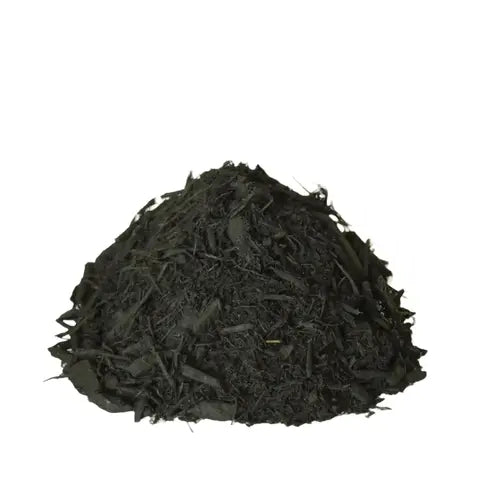
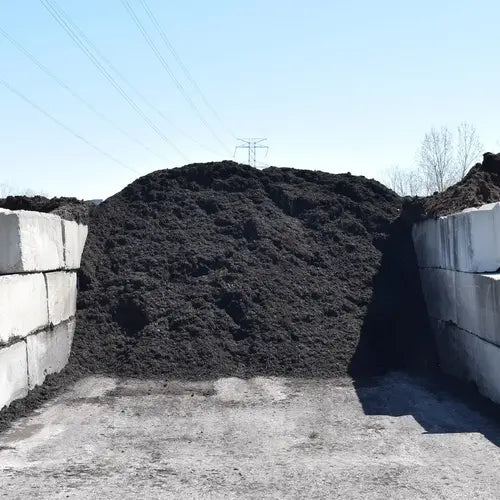
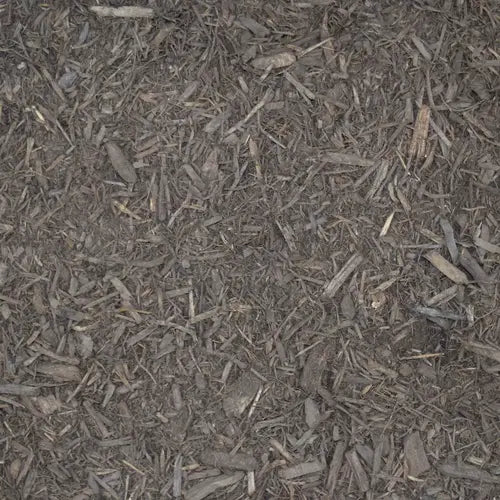
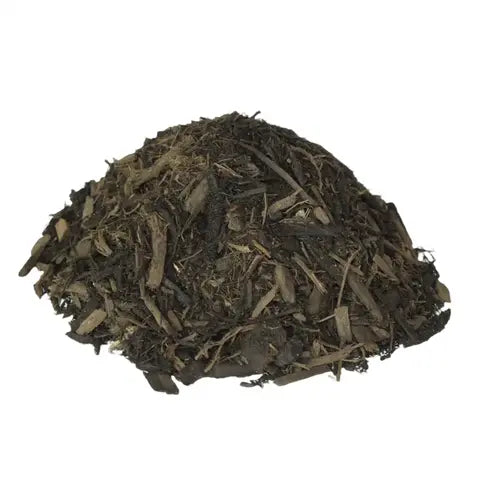
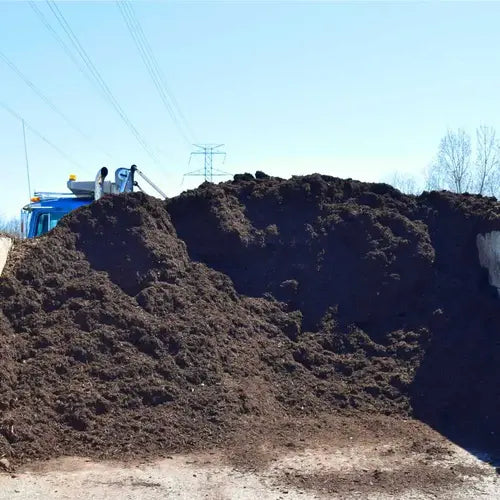
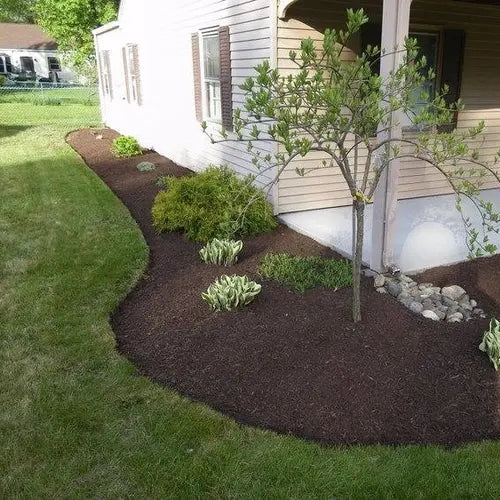

Our delivery was delayed but the new brown color mulch is a nice upgrade to our landscaping.
About this mulch
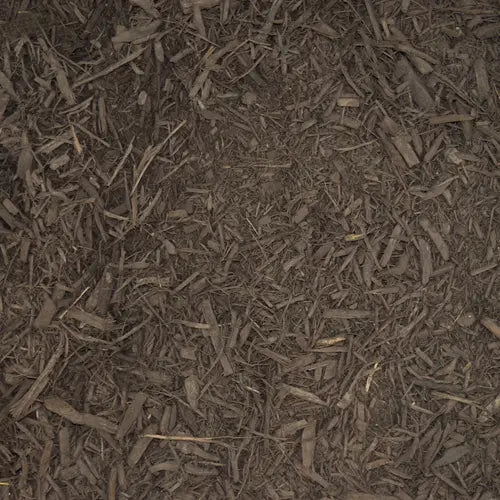
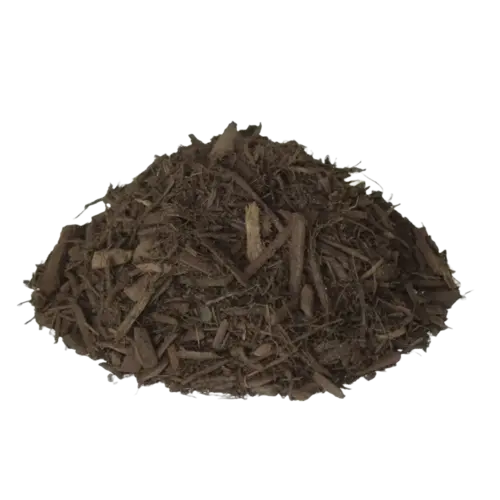
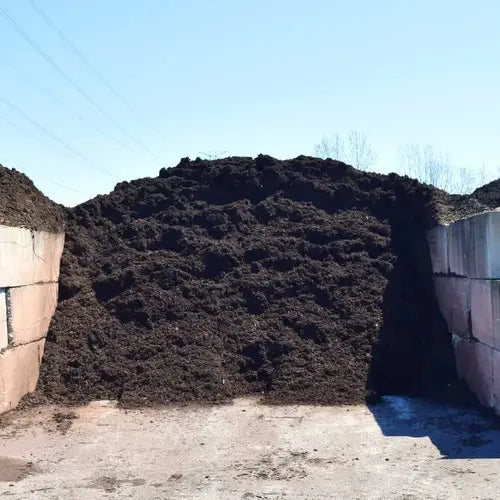
Double-shredded mulch dyed a rich, even brown that holds its color through the season.
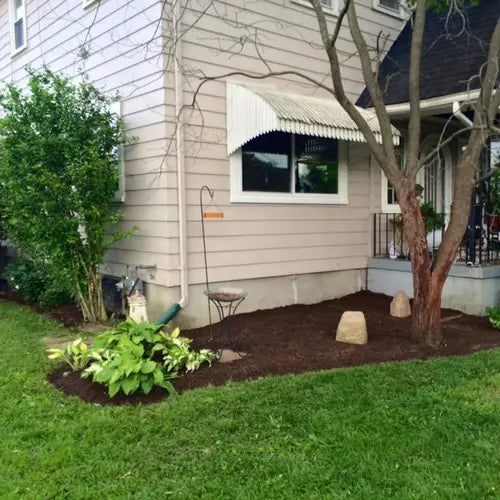
Our delivery was delayed but the new brown color mulch is a nice upgrade to our landscaping.
Tell us what you're looking for
Thanks! We received your request.
Something went wrong. Please try again.
How Much Material Do I Need?
How Much Material Do I Need?
For most Paterson planting beds, 2 to 3 inches of mulch is the practical standard, with 3 inches recommended anywhere your glacial till loam tends to drain slowly or crust over after rain. Tree rings and shrub borders benefit from a full 4-inch layer to carry through both the wet season and the dry heat of a Zone 7b summer.
Use our free mulch calculator
What is a yard?
What is a yard?
FAQs
FAQs
Paterson Mulch Delivery
Paterson Mulch Delivery
Regular price
$64.00
per
Yard
Regular price
Sale price
$64.00
Unit price
per
Shipping calculated at checkout.
Minimum of 3 Yard
Couldn't load pickup availability
Hand-picked local yards
4,000+ regional deliveries
Dedicated support
Why order through Mulch Mound
The best local , without the guesswork.
We hand-pick and partner with the best yards in your region, keep only the ones our buyers rate well, and back each load with our guarantee.
Mulch Mound Guarantee
If your isn't the quantity or quality you ordered, we'll make it right.
About this mulch
Double-shredded mulch dyed a rich, even brown that holds its color through the season.
Our delivery was delayed but the new brown color mulch is a nice upgrade to our landscaping.
How Much Material Do I Need?
How Much Material Do I Need?
For most Paterson planting beds, 2 to 3 inches of mulch is the practical standard, with 3 inches recommended anywhere your glacial till loam tends to drain slowly or crust over after rain. Tree rings and shrub borders benefit from a full 4-inch layer to carry through both the wet season and the dry heat of a Zone 7b summer.
Use our free mulch calculator
What is a yard?
What is a yard?
FAQs
FAQs
Tell us what you're looking for
Thanks! We received your request.
Something went wrong. Please try again.
How It Works
Getting started is easy — just follow these simple steps
1
Choose your Mulch
Make sure you adjust the quantity to your home's needs. You can use our calculator to estimate how much you'll need.
2
Select your delivery date
Select a delivery date you'd like for the product to be dropped off at your home
3
Sit back and wait
Sit back, wait, and let us work our magic to make sure the highest quality product is delivered to your driveway.

Mulch Mound made it so easy! So happy with the pricing, turn around time, delivery and product. I submitted my online order on a Thursday. The mu...
Read full review
Mulch Mound made it so easy! So happy with the pricing, turn around time, delivery and product. I submitted my online order on a Thursday. The mulch was delivered to the designated location by a local landscape company at 8:30 a.m. the following Saturday morning. We had the job completed by that afternoon. We chose the natural brown mulch, and the plant beds are beautiful.

Good quality, great price, fast delivery. All online - no submitting forms and waiting for days for quotes.
Getting mulch should be this easy fr...
Read full review
Good quality, great price, fast delivery. All online - no submitting forms and waiting for days for quotes.
Getting mulch should be this easy from everyone. Only Mulch Mound is ACTUALLY this simple.
Calculate mulch for your Paterson project
For Paterson's type of soil, we recommend 2-3 inches for best weed suppression and moisture retention
Try Our CalculatorMeasure the length and width of each bed in feet, then multiply those numbers together to get square footage. Divide by 12 and multiply by your desired depth in inches to get cubic feet, then divide by 27 to convert to cubic yards. Paterson beds with irregular shapes, like those curved around mature trees common in older Passaic County neighborhoods, can be estimated by breaking the area into rough rectangles and adding the totals.
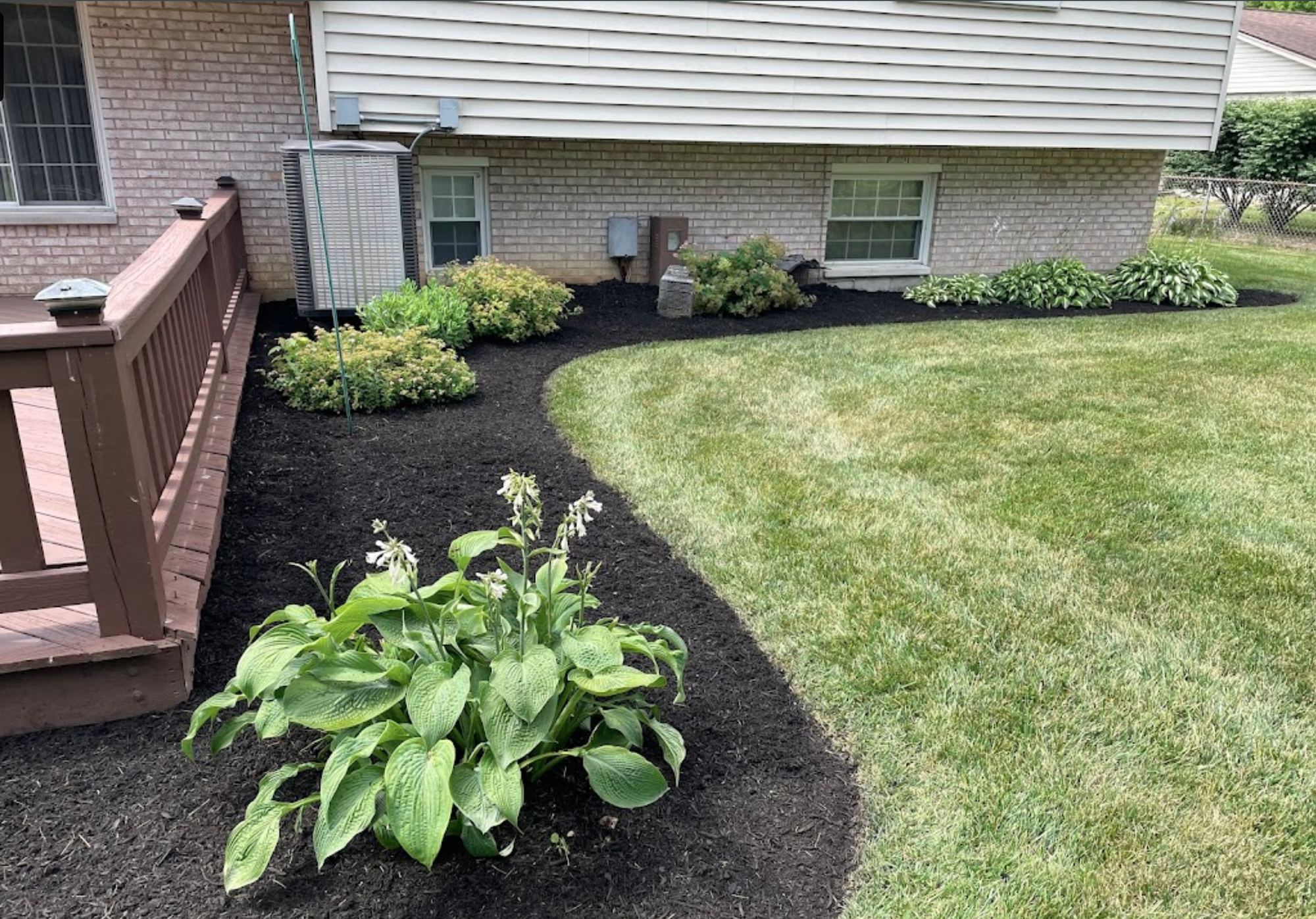
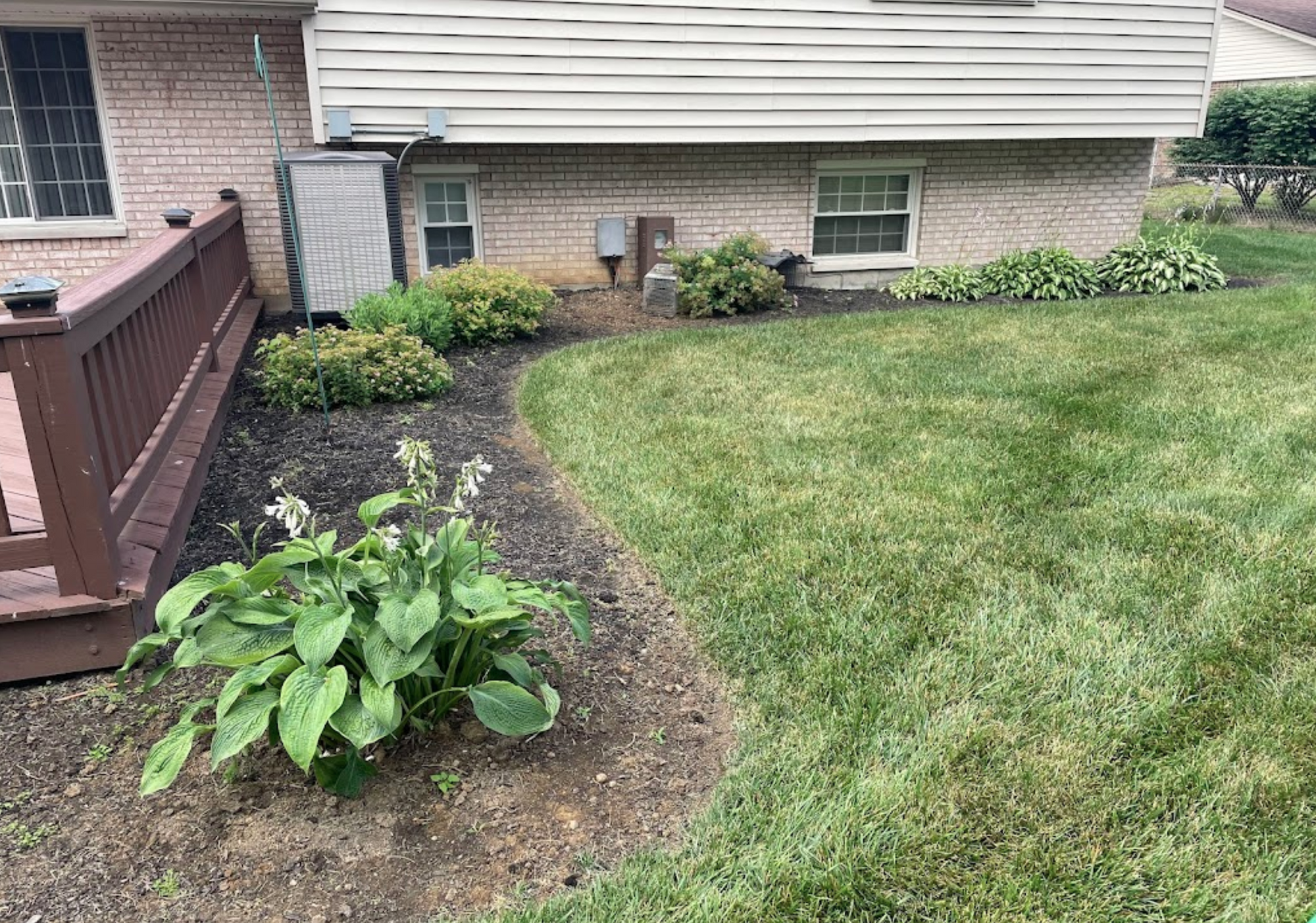

Best Mulch Choice for Paterson Lawns
Most yards in the Paterson area sit on type of soil. Glacial till loam in Paterson has a tendency toward compaction, especially in areas with foot traffic or heavy clay pockets, and that tight soil structure makes it harder for plant roots to establish and for water to move freely. Applying a consistent mulch layer reduces the impact of rainfall directly on the soil surface, which is one of the primary causes of surface sealing and compaction in Paterson yards.
Hardwood Mulch
Hardwood mulch is particularly well matched to Paterson's glacial till loam because as it breaks down it releases humic acids and organic carbon that help bind soil particles into a looser, more workable structure. Over several seasons of consistent hardwood mulching, homeowners often notice that their beds become noticeably easier to dig into and that water moves through the soil more freely after rain.
Complete Your Outdoor Mulch Project
Pairing a bulk mulch order with a topsoil delivery is a smart move if you are building new beds or amending existing ones before you mulch over them. Adding a stone border product around your mulched areas also helps define edges and keeps shredded material from scattering during Paterson's windier fall and winter months.
Mulch Mound Pro Tip
Paterson's glacial till loam tends to shed water rather than absorb it when the surface is dry, so water your beds thoroughly before laying mulch in the heat of summer. A dry soil crust under mulch can actually stay dry longer because the mulch slows moisture penetration from above. Getting the soil damp first ensures your mulch is working to retain moisture that is already in the ground.
Mulch Mound Pro Tip
Zone 7b in Paterson means you can overwinter a wider range of perennials than gardeners just a little north of us, but those plants still need root protection during cold snaps. After your last planting push in mid-autumn, add a fresh top-off layer of shredded hardwood to any beds containing marginally hardy perennials. That extra inch of mulch can make the difference between a plant surviving to April and needing to be replaced in spring.
Mulch Mound Pro Tip
Because Paterson gets meaningful rainfall spread across all four seasons, fungal issues in mulch like artillery fungus or slime mold are more common here than in drier climates. To reduce the chance of these organisms becoming a nuisance, rake and aerate your existing mulch layer before adding fresh material rather than simply topping it off year after year. Turning the bottom layer helps it dry out and slows the development of the anaerobic conditions that fungal growth prefers.
The Unique Landscape of Paterson
Paterson sits on glacial till loam that tends to compact under the weight of heavy rainfall, and with 52 inches of rain per year, unprotected planting beds can suffer from serious erosion and nutrient washout. A proper layer of mulch acts as a buffer between that intense precipitation and your soil, keeping the root zones of your plants stable through wet springs and dry summer stretches. Growing in Zone 7b means Paterson gardeners push the season on both ends, planting as early as April 7 and keeping beds active well past the first frost on November 5, so mulch is doing protective work for an extended calendar. The temperature swings between late-season cold snaps and warm humid summers also accelerate organic breakdown, meaning the mulch you apply genuinely feeds your soil over time. Choosing the right mulch type and applying it correctly makes a measurable difference in how your Paterson landscape holds up through freeze-thaw cycles and summer heat.