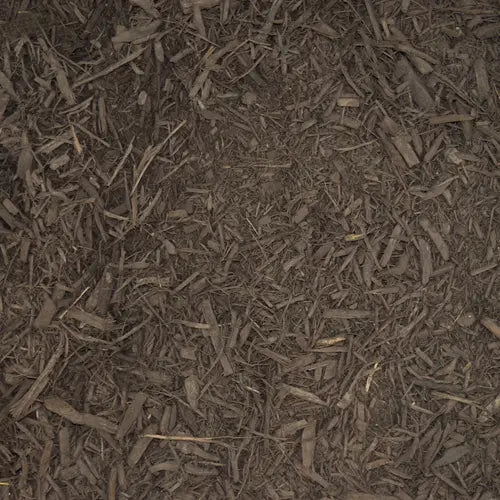
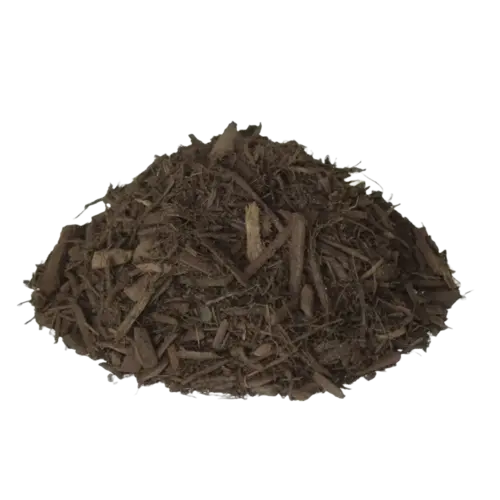
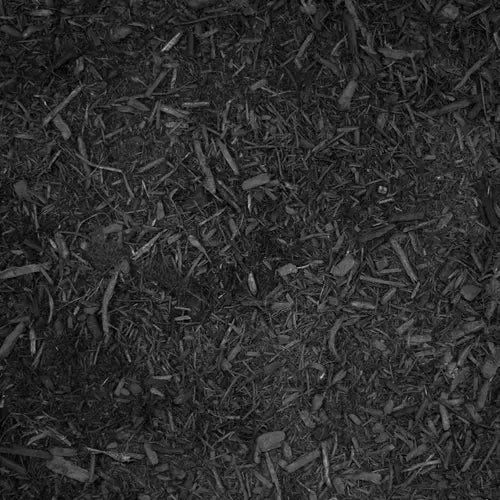
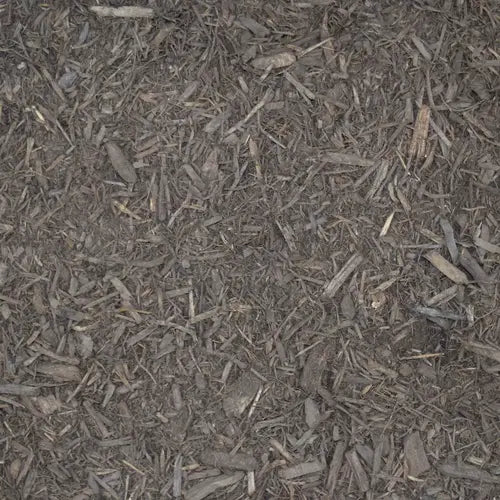
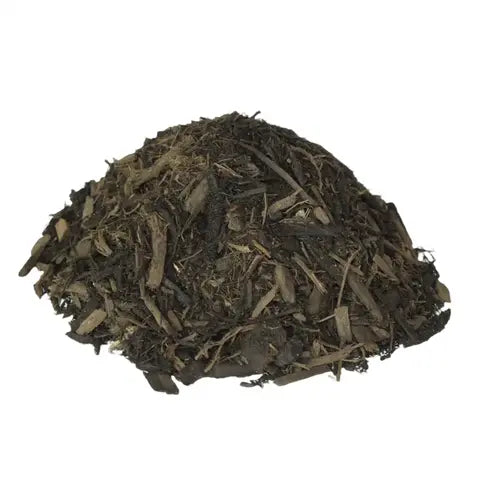
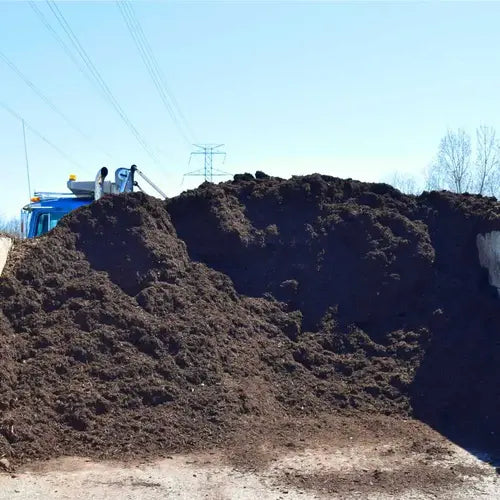
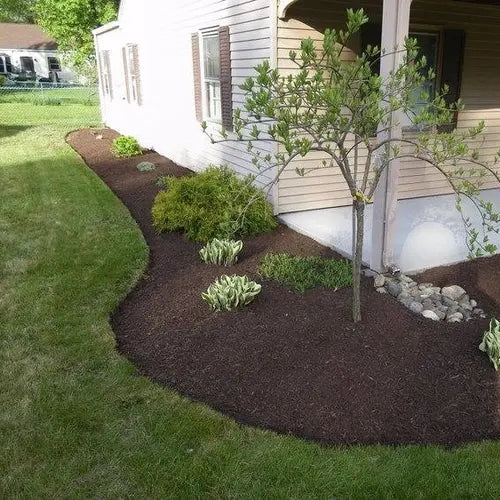
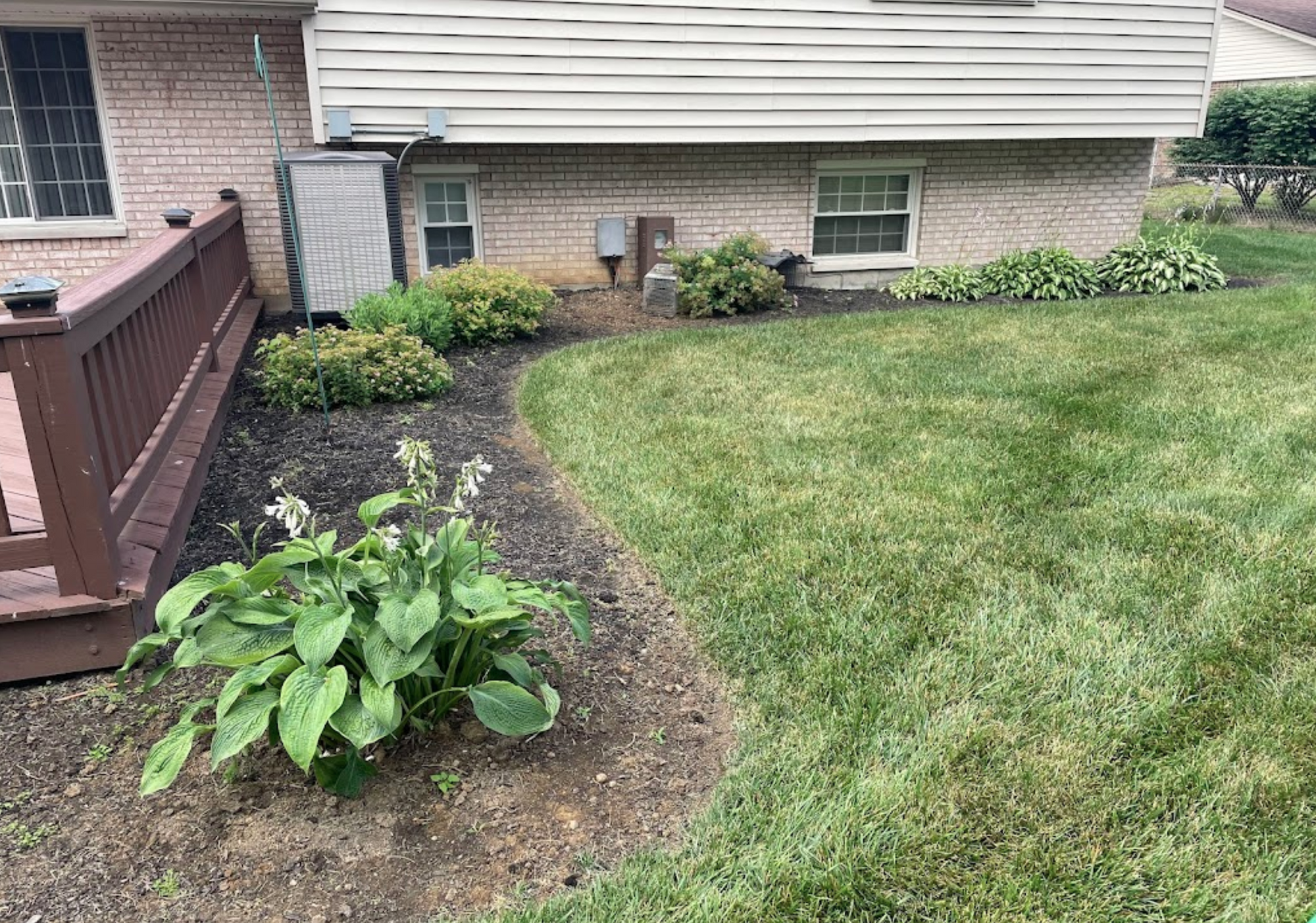
Warm brown double shredded mulch with lasting color that looks freshly applied for weeks. Spreads smooth, stays put, and gives beds a natural, polished appearance.
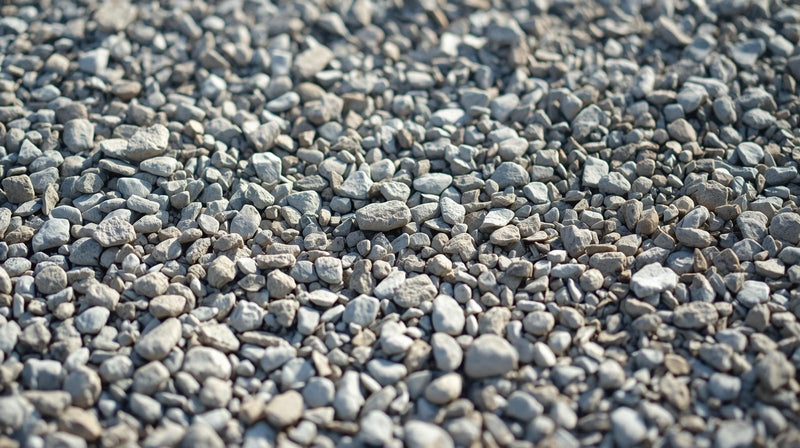
Mulch Mound delivered a yard of pea gravel to us. Delivery was on time, driver was friendly and hit a bullseye on the “tarp target”. We used the pea gravel (which was diameter as specified) to fill several muskrat holes around our pond. I would definitely recommend Mulch Mo...
Tell us what you're looking for
Thanks! We received your request.
Something went wrong. Please try again.
How Much Material Do I Need?
Apply mulch at a consistent 3-inch depth across all bed surfaces for best results on top of Pensacola's sandy soil. Sandy ground loses surface moisture rapidly between rain events, so maintaining that full depth everywhere in the bed, including edges and corners, prevents the dry pockets that cause plant stress during our hot summers.
Use our free mulch calculator
What is a yard?
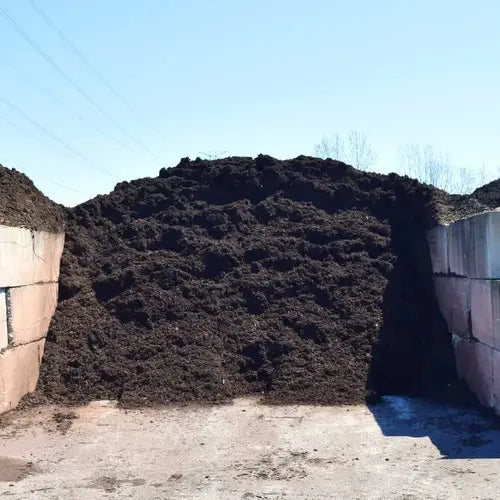
A yard is approximately 27 cubic feet. As a general guideline, one yard of material can cover an area of about 100-160 square feet at a 2-3 inch depth.
We can't take orders for this right now. Tell us what you need and we'll get back to you.
What do you need?
Thanks! We received your request.
Something went wrong. Please try again.
Hand-picked local yards
4,000+ regional deliveries
Dedicated support
Why order through Mulch Mound
The best local mulch, without the guesswork.
We hand-pick and partner with the best yards in your region, keep only the ones our buyers rate well, and back each load with our guarantee.
Mulch Mound Guarantee
If your mulch isn't the quantity or quality you ordered, we'll make it right.
About this mulch
Warm brown double shredded mulch with lasting color that looks freshly applied for weeks. Spreads smooth, stays put, and gives beds a natural, polished appearance.
Mulch Mound delivered a yard of pea gravel to us. Delivery was on time, driver was friendly and hit a bullseye on the “tarp target”. We used the pea gravel (which was diameter as specified) to fill several muskrat holes around our pond. I would definitely recommend Mulch Mo...
How Much Material Do I Need?
Apply mulch at a consistent 3-inch depth across all bed surfaces for best results on top of Pensacola's sandy soil. Sandy ground loses surface moisture rapidly between rain events, so maintaining that full depth everywhere in the bed, including edges and corners, prevents the dry pockets that cause plant stress during our hot summers.
Use our free mulch calculator
What is a yard?
A yard is approximately 27 cubic feet. As a general guideline, one yard of material can cover an area of about 100-160 square feet at a 2-3 inch depth.
Mulch Mound delivered a yard of pea gravel to us. Delivery was on time, driver was friendly and hit a bullseye on the “tarp target”. We used the ...
Read full review
Mulch Mound delivered a yard of pea gravel to us. Delivery was on time, driver was friendly and hit a bullseye on the “tarp target”. We used the pea gravel (which was diameter as specified) to fill several muskrat holes around our pond. I would definitely recommend Mulch Mound to a friend!
I can’t say enough good things about Mulch Mound! If you read my review below you will see I had a problem with my order. Mulch Mou...
Read full review
UPDATE!
I can’t say enough good things about Mulch Mound! If you read my review below you will see I had a problem with my order. Mulch Mound was quick to respond and solved the issue with my delivery. Will definitely be a customer next year.
First time purchase from Mulch Mound!! First what I liked! Easy to order online and straight forward pricing and delivery. The driver was on time and courteous and delivered my Mulch exactly where I requested! The product is of good quality and comparable to others I have purchased from before. Now what I DID’NT LIKE! I have been mulching the same house and yard for almost 20 years. I always order the same amount and don’t have any issues with covering the same area but this year I fell about a yard short. I was home when the mulch was delivered and when the driver dumped it I noticed that it seemed a bit less than I was used to. I didn’t apply it any thicker than usual and probably a bit thinner than usual because I was worried about running out.
Measure the length and width of each bed in feet, multiply those two numbers together, then divide by 108 to get the cubic yards needed for a 3-inch depth. Because Pensacola's sandy soil erodes quickly under heavy rain, complete coverage without thin spots is critical, so add 10 percent to your estimated total to account for uneven spreading and settling. Running these numbers for each bed separately and then summing them gives the most accurate bulk order quantity.
Mulch vs. No Mulch: The Difference
Pensacola's sustained summer heat and persistent humidity cause organic mulches to break down at a faster pace than homeowners from cooler climates would expect, which means natural wood mulches need more frequent replenishment but also steadily contribute organic matter back into the sandy soil beneath them. Dyed mulches are treated in a way that slows the decomposition process, allowing them to maintain their color through multiple seasons of Gulf Coast heat and rainfall without fading as quickly as untreated alternatives. For landscapes where a consistent, polished appearance matters through a long coastal summer, dyed mulch delivers a lower-maintenance look, while natural hardwood or pine bark provides the ongoing soil amendment benefits that Pensacola's nutrient-poor sandy ground genuinely needs.
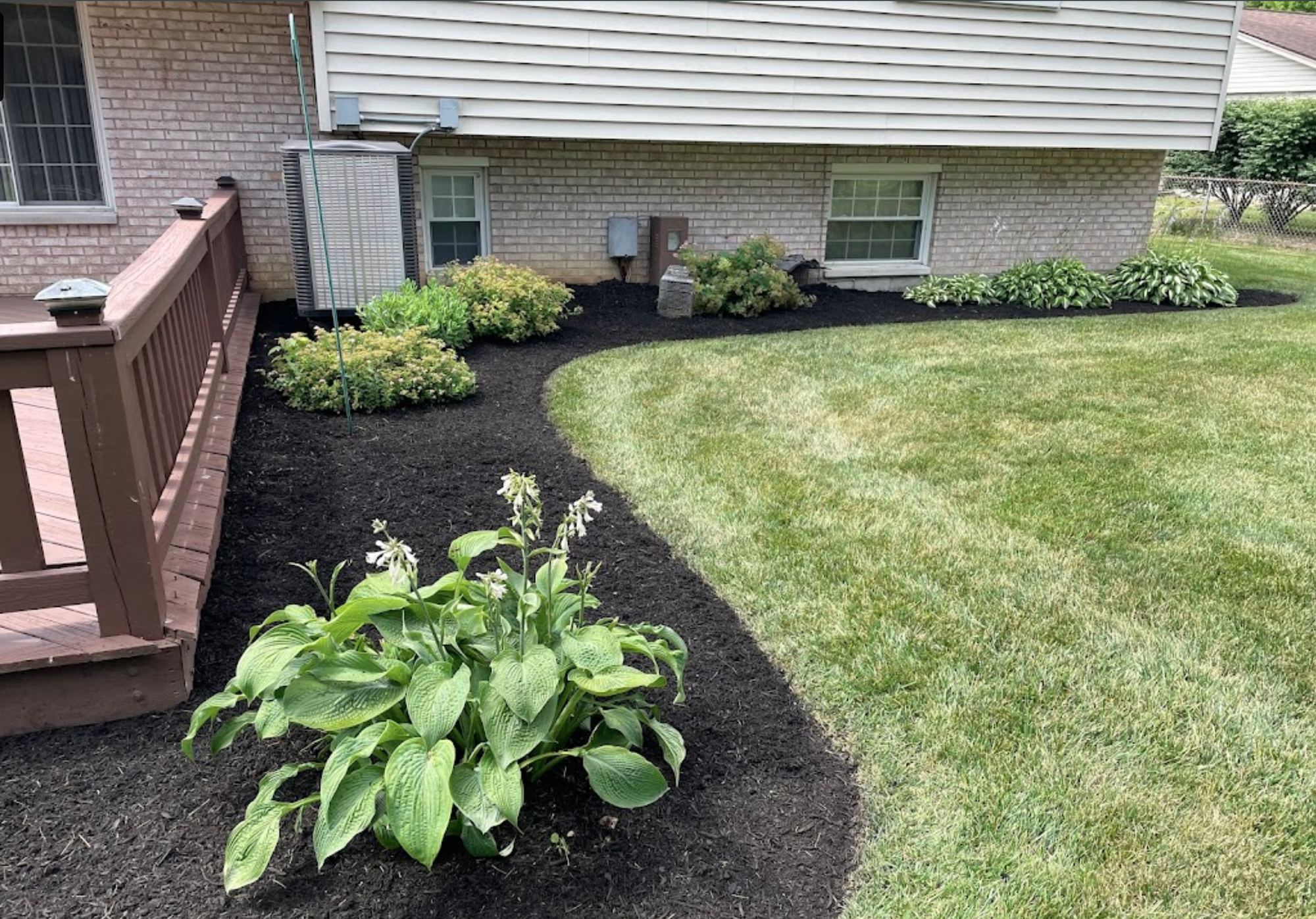
Before
After
Best Mulch Choice for Pensacola Lawns
Most yards in the Pensacola area sit on Sandy type of soil. Pensacola's sandy soil is naturally low in organic matter and drains so quickly that exposed plant beds can lose their surface moisture within 24 hours of a rain event during hot, breezy summer conditions. Without mulch protecting the soil surface, the Gulf Coast sun and prevailing sea breezes dry out the top few inches of sandy ground almost as fast as rainfall replenishes it, leaving plant roots stressed even after adequate precipitation.
Hardwood Mulch
Hardwood mulch is particularly valuable for Pensacola's sandy soil because as it decomposes in our warm, humid climate it releases humic acids and organic compounds that bind with individual sand particles and begin building a more cohesive, moisture-retentive soil structure over time. Beds that have been top-dressed with hardwood mulch annually for several years develop a noticeably darker, richer surface layer that holds both water and nutrients far more effectively than the raw sandy soil that exists just inches below.
Mulch Types We Deliver in Pensacola
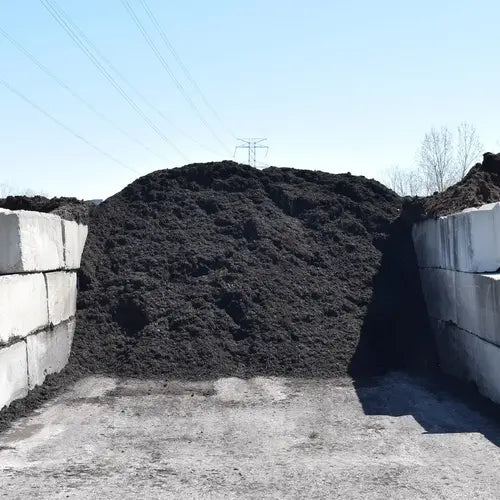
Mulch Mound delivers fresh bulk mulch by the cubic yard straight to your door, making it easy to tackle any landscaping project at home. Whether you need bulk mulch delivery in Pensacola for a single flower bed or a full yard overhaul, we drop off exactly the amount you need. Our locally stocked varieties are chosen to hold up against the heat, humidity, and heavy summer rains common along the Gulf Coast.
Dyed Black Mulch
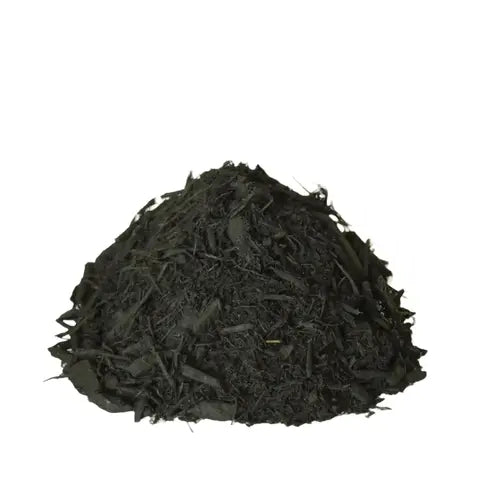
Available in a double shredded style, dyed black mulch makes a striking contrast against the sandy soil and bright green foliage typical of Gulf Coast yards. The rich color stands up to intense sun and heavy afternoon storms, keeping beds looking bold and freshly topped all season long.
Dyed Brown Mulch
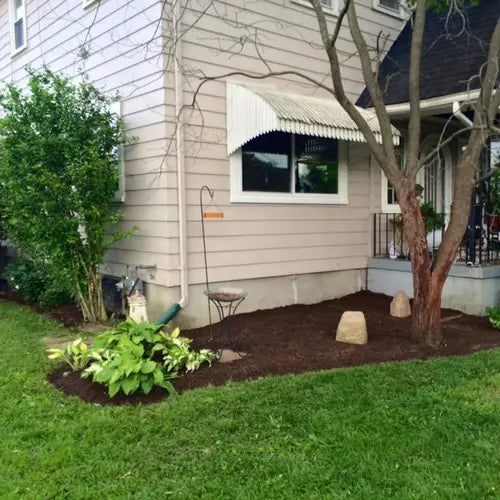
Dyed brown mulch comes in a double shredded style that pairs naturally with the warm brick exteriors and lush greenery found throughout Pensacola yards. The color holds strong through the long warm season and frequent summer rains, spreading smoothly to leave beds looking clean and polished for weeks at a time.
Natural Brown Mulch
Natural brown mulch is double shredded and completely undyed, letting the natural wood tone speak for itself. It suits homeowners who prefer a relaxed, organic look that blends with the sandy coastal soil and the mature tree canopy common across older Florida properties.
Complete Your Outdoor Mulch Project
Pair your mulch delivery with a quality topsoil or garden blend to rebuild bed depth before applying your new mulch layer, since Pensacola's sandy base breaks down organic matter quickly and beds tend to thin out over time. A stone edging or river rock border around the perimeter of your beds also helps contain mulch that would otherwise wash out during our intense Gulf Coast rainstorms.
Pensacola's sandy soil has almost no native organic content, so the ground beneath your mulch layer starts at a disadvantage. Before spreading fresh mulch, work a few inches of compost or amended topsoil into the bed surface to give roots something to anchor in below the mulch layer. When the mulch breaks down over the following year, it adds organic matter from the top down, and this combined approach builds a noticeably richer planting zone faster than mulch alone can achieve.
Mulch Mound Pro Tip
In Pensacola's Zone 9a climate, soil temperatures stay warm well past the calendar end of summer and rebound quickly after our brief winter, meaning warm-season weeds can germinate during almost every month of the year. Rather than a single annual top-off, apply fresh mulch in both early spring and early fall to maintain consistent suppression depth through the full growing calendar. This two-application strategy is particularly effective at keeping dollarweed and torpedo grass from establishing in ornamental beds.
Mulch Mound Pro Tip
With 64 inches of rainfall arriving in Pensacola throughout the year, the threat of moisture loss between storms is easy to underestimate until you experience a dry week in July when sandy soil turns to dust within days. A full 3-inch mulch layer can cut supplemental watering needs nearly in half during those dry stretches by dramatically slowing surface evaporation. Topping up your mulch just before the peak summer storm season also protects against the bed erosion and displacement that sheets of heavy rainfall cause on bare sandy ground.
Frequently Asked Questions
Click a question to see the answer
Answer
How thick should I apply mulch in my Pensacola beds given how much rain we get here?
Three inches is the ideal depth for most Pensacola landscape beds. Our 64 inches of annual rainfall means mulch gets saturated frequently, but a 3-inch layer still allows oxygen to reach roots while preventing sandy soil from drying out between storms. Exceeding 4 inches can trap excess moisture against plant crowns in our humid coastal climate and create conditions where fungal problems thrive.
Answer
Will mulch break down really fast because of the heat and humidity here in Pensacola?
Organic mulch does decompose noticeably faster in Pensacola than it would in a cooler climate. Zone 9a heat combined with high relative humidity accelerates the microbial activity that breaks down wood-based mulch, so most homeowners here plan to top off beds annually rather than every two or three years. The upside is that decomposing mulch steadily adds organic matter to our sandy native soil, gradually improving its ability to hold moisture and nutrients over time.
Answer
What type of mulch is best for dealing with Pensacola's sandy soil in plant beds?
Hardwood mulch and pine bark are both well-suited to Pensacola's sandy soil because as they break down in our warm climate they release organic compounds that bind with sand particles and begin building a more cohesive soil structure. Pine straw is another locally popular option that also adds slight acidity to the soil, which benefits azaleas, gardenias, and camellias that are common throughout Northwest Florida landscapes. All three options help counteract sandy soil's natural tendency to shed water and fertilizer before roots can absorb them.
Answer
Do I need to take out the old mulch before putting down a fresh layer?
In most cases you do not need to remove the previous layer unless it has compressed into a dense, water-repellent mat. Pensacola's heat and moisture cause organic mulch to slowly break down and integrate into the soil surface, so old material typically does not accumulate the way it might in drier climates. Before adding fresh mulch, rake the existing layer loose so water from our frequent rains can still penetrate evenly through both layers down to the root zone.
Answer
Should I wait until after our last frost in early March before putting down new mulch?
For beds with frost-sensitive tropicals or newly planted annuals, waiting until after Pensacola's average last frost date of March 2 is a sensible approach. For established beds with shrubs, trees, and perennials, you can mulch at any time of year. Refreshing beds in late February actually helps warm the soil slightly ahead of the spring planting rush and gives your landscape a clean, well-maintained appearance right when the growing season is beginning.
Answer
Can I use mulch along my foundation to help manage moisture and weeds around the house?
Yes, but maintain a gap of at least 6 inches between the mulch and your siding or foundation wall. Pensacola's warm, year-round humid conditions support active termite populations, and a mulch layer pressed against the house creates an inviting environment right at the structure. Keeping that buffer zone clear while mulching just beyond it gives you effective weed control and erosion protection during our heavy summer thunderstorms without creating pest risk.
Answer
How much mulch do I actually need for a typical Pensacola front yard planting bed?
A bed that measures roughly 10 feet by 20 feet mulched to 3 inches deep requires about 2 cubic yards of material. Pensacola landscape beds tend to be open and wide given our sprawling subtropical planting style, so it is worth measuring carefully rather than estimating by eye. Sandy soil beneath mulch dries out extremely fast in any uncovered or thin-coverage spots, so complete and even coverage across the full bed surface is more important here than in regions with heavier native soil.
The Unique Landscape of Pensacola
Pensacola's native sandy soil is critically low in organic matter and drains so rapidly that plant beds can dry out within a day or two of a rain event during the long Gulf Coast summers. With 64 inches of annual rainfall, the issue is not a lack of water overall but rather the intense cycles of heavy downpours followed by fast-draining periods that leave sandy soil parched and vulnerable to erosion. A consistent mulch layer acts as a buffer across both extremes, slowing runoff during storms and locking residual moisture into the root zone between rain events. Pensacola's Zone 9a heat keeps soil temperatures dangerously elevated from May through October, and mulch insulates shallow root systems from that sustained warmth in a way that bare sandy soil simply cannot. The frost window here is short, running from roughly December 9 to March 2, and a properly mulched bed transitions through that brief cold stretch and back into the growing season with far less plant stress than an unprotected bed.